




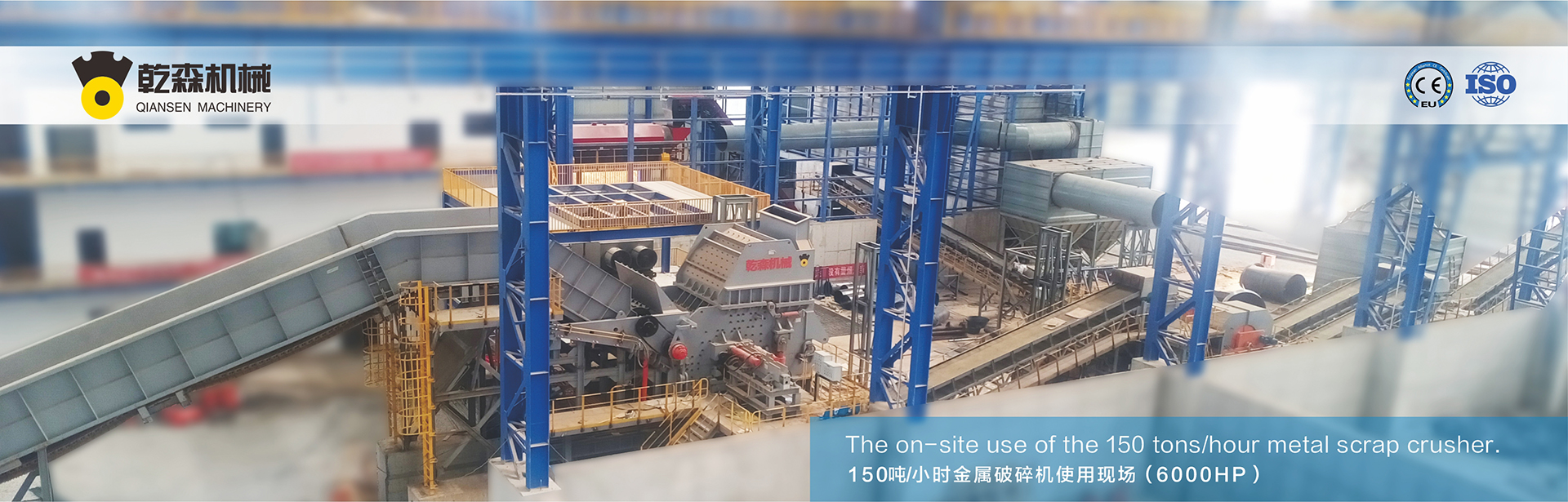
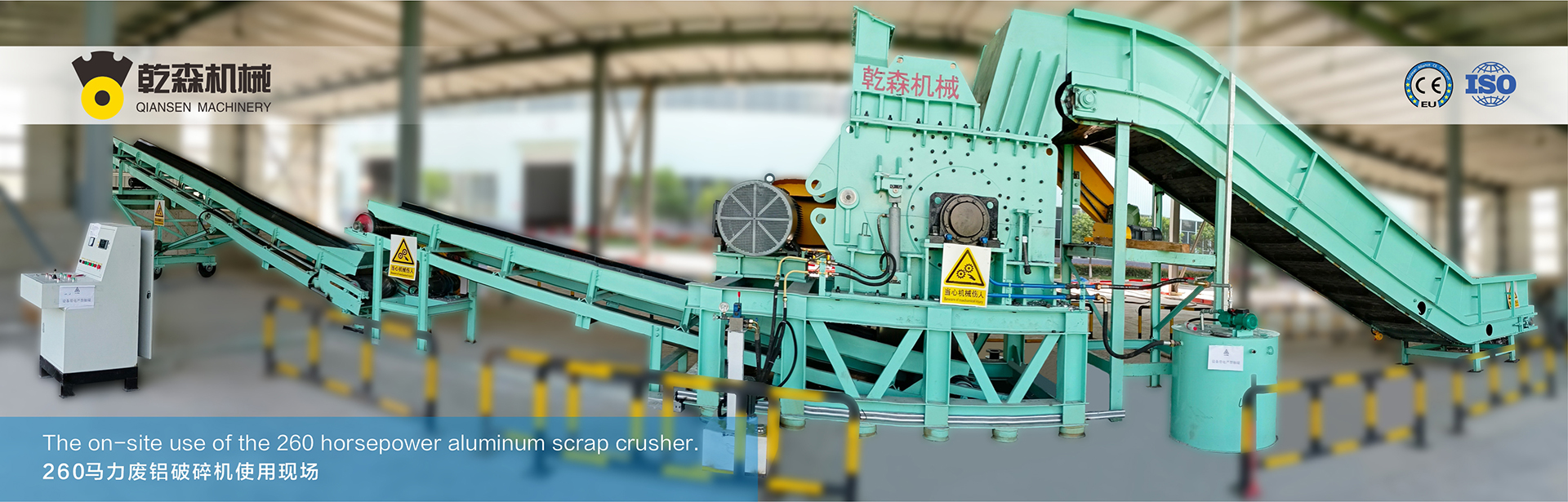
5 Factors Determining Industrial Metal Shredder Cost for Scrap Processors
Released on Jul. 02, 2026
Acquiring heavy-duty recycling machinery represents a significant capital investment for scrap processing facilities, demolition contractors, and waste management enterprises. Among these investments, purchasing a metal shredding system is often the most substantial. Understanding the variables that determine the overall industrial metal shredder cost is necessary for budgeting, calculating return on investment, and selecting the appropriate equipment configuration for your specific volume demands.
At QianSen, we manufacture industrial shredding systems designed to process ferrous and non-ferrous metals. We recognize that procurement decisions are based on long-term financial viability rather than just the initial price tag. This guide provides a detailed breakdown of the capital costs, operational expenditures, and engineering factors that influence the market pricing of industrial shredding equipment.
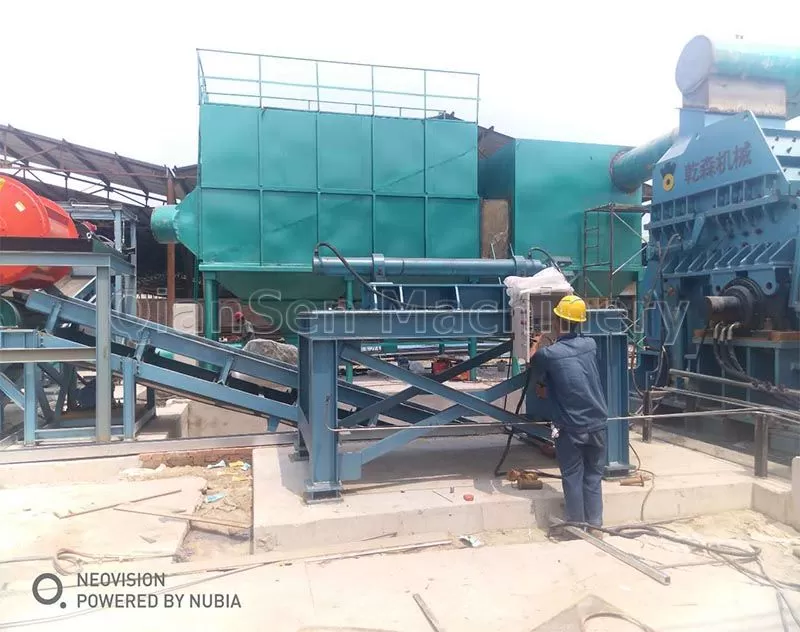
Primary Equipment Variables Affecting Industrial Metal Shredder Cost
The purchase price of an industrial shredder is not a fixed figure; it scales according to mechanical capabilities, raw material processing capacity, and engineering standards. A low-capacity, single-shaft unit designed for light aluminum cans differs fundamentally in price from a high-torque, dual-shaft system engineered for mixed structural steel or automobile bodies.
1. Drive Systems: Hydraulic vs. Electric
The method of power transmission is one of the most prominent price drivers in shredder manufacturing. Operators must choose between electric motor drives and hydraulic drive systems, each presenting distinct cost profiles.
Electric Drives: These systems generally require a lower initial capital investment. They are highly efficient for consistent, pre-sorted scrap streams where shock loads are minimal. However, they may require variable frequency drives (VFDs) to manage electrical current spikes during startup and heavy loads, which adds to the electrical installation cost.
Hydraulic Drives: Systems utilizing high-displacement hydraulic pumps and motors offer superior torque control and shock-load protection. If the shredder encounters an unshreddable object, the hydraulic system naturally limits pressure peaks, preventing mechanical failure. While this system increases the initial industrial metal shredder cost, it reduces long-term maintenance costs associated with drive shaft breakage.
2. Shredding Chamber Dimensions and Shaft Configuration
The physical size of the cutting chamber and the number of shafts directly correlate with material costs. Larger chambers require thicker structural steel plates, heavier bearings, and larger diameter shafts to withstand the torsional forces of shredding scrap steel.
Single-shaft, dual-shaft, and quad-shaft configurations serve different processing goals. Dual-shaft shredders, which are highly effective for bulky scrap, utilize counter-rotating shafts to draw material into the blades. The complexity of synchronization gears and heavy-duty planetary gearboxes in these multi-shaft configurations increases manufacturing labor and material costs, directly impacting the final purchase price.
3. Blade Metallurgy and Cutting Geometry
The cutters are the primary wear components in any shredding system. The choice of steel alloy used in blade fabrication significantly alters the manufacturing expense. Standard tool steels are suitable for soft metals, but processing high-strength alloys, car bodies, or municipal scrap requires specialized materials like hardened alloy steels or manganese steel. The precision machining, heat treatment, and surface hardening processes needed to manufacture durable blades are significant factors in the total equipment pricing.
Operational Expenditures: The True Cost of Ownership
Focusing solely on the purchase price can lead to inaccurate financial forecasting. The true industrial metal shredder cost includes ongoing operational expenses (OpEx) that occur throughout the lifespan of the machinery. Evaluating these parameters before purchase helps prevent unexpected operational bottlenecks.
Energy consumption is a major daily expense. A system processing 10 tons of scrap metal per hour may require motors ranging from 100 kW to over 400 kW. Depending on regional electricity tariffs, utility bills can quickly surpass the initial capital cost within a few years of continuous operation. Selecting high-efficiency motors and power transmission systems is a practical way to manage these recurring expenses.
Equally important is the replacement cycle of wear parts. Blades, counter-blades, wear plates, and screen grates degrade over time under high-abrasion conditions. A shredder designed with easily accessible chambers allows maintenance teams to rotate or replace cutters quickly. This reduces labor hours and minimizes unplanned downtime, which is often more costly than the spare parts themselves.
To illustrate the relationship between throughput requirements and equipment scale, the table below outlines typical specifications and estimated cost brackets across different industrial categories:
| Equipment Scale | Typical Throughput (Tons/Hour) | Recommended Materials | Estimated Cost Range (USD) |
|---|---|---|---|
| Light-Duty / Utility | 0.5 – 2.0 | Aluminum scrap, copper cables, electronic waste | $30,000 – $80,000 |
| Medium-Duty Industrial | 2.0 – 8.0 | Sheet metal, thin-walled profiles, appliances | $85,000 – $220,000 |
| Heavy-Duty / Municipal | 8.0 – 25.0+ | Mixed structural scrap, baled metals, light car bodies | $250,000 – $750,000+ |
How Feedstock Variability Impacts Machinery Selection
The type of metal you intend to process determines the shredder configuration, which in turn establishes the price point. A facility focused on processing uniform, clean aluminum extrusions can utilize a lighter-frame machine with high-speed cutters. This setup requires less torque and structural reinforcement, keeping the equipment cost manageable.
In contrast, processing mixed scrap metal, demolition debris, or municipal solid waste requires a machine capable of handling unpredictable feedstocks. Unshreddable items, such as thick steel engine blocks or hardened shafts, may occasionally enter the hopper. To handle these events without structural failure, the shredder must feature automated reverse programs controlled by a programmable logic controller (PLC). When a jam occurs, the PLC detects the amperage spike or pressure surge, reverses the shaft rotation to clear the jam, and resumes shredding. Integrating these automated controls increases the initial system cost but protects the machine from catastrophic failures.
Purchasing a machine that is under-engineered for your feed material to save on upfront costs typically results in higher maintenance fees and frequent operational halts. Our engineering team at QianSen works with clients to analyze feedstock compositions before recommending a specific machine design, ensuring that the structural build matches the daily operational demands.
Engineering Solutions to Minimize Long-Term Costs
Reducing the total industrial metal shredder cost requires balancing the initial purchase price with long-term engineering reliability. High-quality manufacturing standards may demand a higher initial investment, but they pay dividends through equipment durability and stable operation.
Using premium components is a direct way to reduce maintenance costs. For example, high-grade bearings housed in external chambers away from dust and debris require less frequent replacement. Splined shafts offer superior torque distribution compared to standard keyed shafts, reducing the likelihood of shaft breakage under high load forces. Incorporating modular wear plates inside the cutting chamber also protects the main chassis from abrasive wear, extending the overall service life of the machine frame.
At QianSen, we focus on modular machine designs. By standardizing components such as drive gears, bearings, and cutter profiles, we help clients manage their spare parts inventory. This approach reduces lead times for replacement parts and keeps maintenance simple, allowing operators to sustain consistent production schedules without expensive proprietary components.
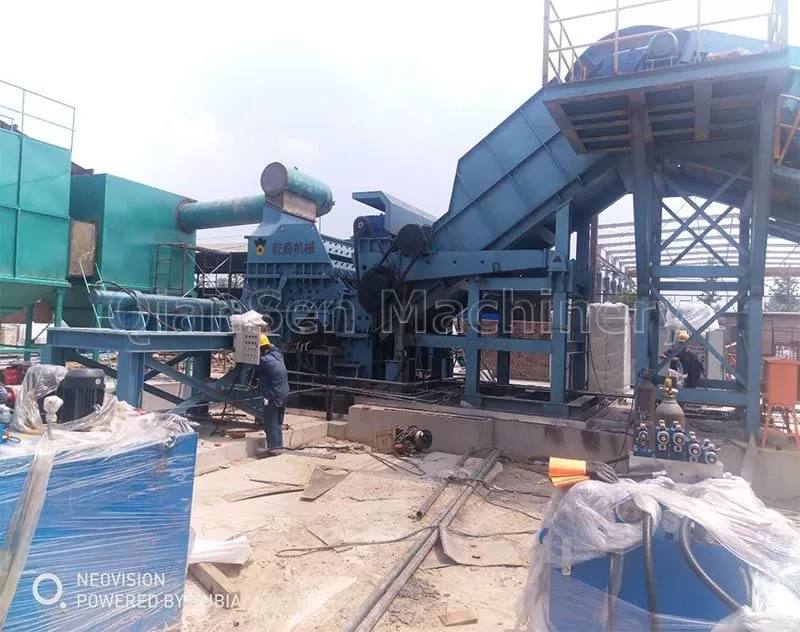
Evaluating Return on Investment (ROI)
A comprehensive financial evaluation of a metal shredder investment must weigh the capital cost against the increased value of the processed scrap. Raw, bulky scrap metal has a lower market value due to transportation inefficiencies and smelting challenges. By shredding, separating, and densifying the material, recycling facilities can demand premium prices from smelters and foundries.
To calculate the payback period, operators must determine the margin increase per ton of shredded material minus the operating costs (labor, power, wear parts, and finance costs). For high-volume facilities, a shredder that processes material quickly and efficiently can achieve amortization within 12 to 18 months. Understanding these dynamics helps business owners make purchasing decisions based on projected profitability rather than focusing solely on the initial equipment cost.
Frequently Asked Questions
Q1: What is the average industrial metal shredder cost for a medium-sized scrap yard?
A1: For a medium-sized facility processing between 2 to 8 tons of scrap per hour, the capital cost typically ranges from $85,000 to $220,000. This price varies depending on the drive system, blade material, and auxiliary equipment like conveyor belts and magnetic separators.
Q2: Why are hydraulic shredders generally more expensive than electric ones?
A2: Hydraulic systems require complex components, including hydraulic pumps, high-torque motors, fluid reservoirs, cooling units, and high-pressure control valves. While this engineering increases the manufacturing cost, it provides superior shock absorption and variable speed torque, which helps lower long-term maintenance costs.
Q3: How often do shredder blades need replacement, and how does this affect operating costs?
A3: Blade life depends on the feedstock. Processing clean aluminum may allow blades to last several months, while shredding abrasive contaminated scrap might require blade rotation or replacement every few weeks. Budgeting for regular blade maintenance is a necessary part of managing your operational costs.
Q4: Can a lower-cost shredder handle auto bodies and heavy scrap steel?
A4: Attempting to shred heavy scrap or auto bodies with an under-powered, light-duty machine leads to frequent mechanical failures and high maintenance costs. Heavy-duty applications require robust structural frames, high torque, and reinforced shafts, which naturally places them in a higher price bracket.
Q5: What auxiliary equipment should be budgeted for alongside the metal shredder?
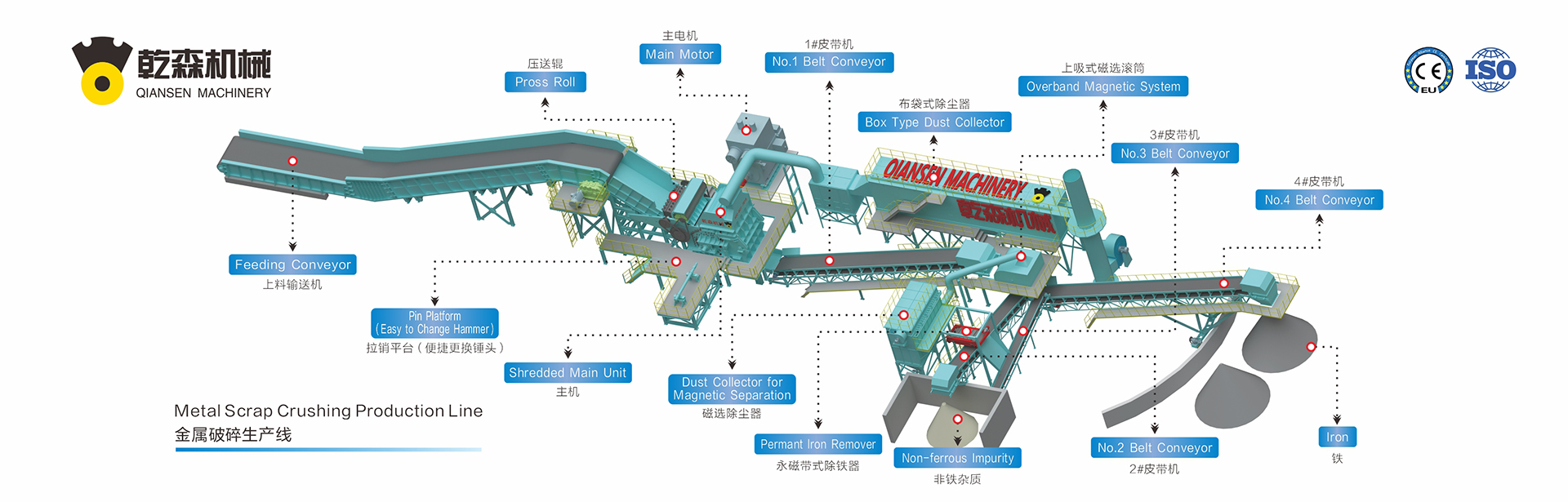
A5: A complete processing system often requires infeed and outfeed conveyor belts, magnetic separation pulleys to isolate ferrous metals, dust suppression systems, and electrical control panels. These components can add 20% to 50% to the base equipment cost.
Submit an Inquiry for Your Custom Shredding System
Selecting the right metal shredding equipment requires balancing throughput requirements, material types, and your capital budget. At QianSen, we build reliable, high-torque shredding machinery designed to match your specific production demands and lower your overall operating costs.
To receive a detailed technical proposal and a precise quotation tailored to your scrap processing requirements, please contact our engineering sales team today. Provide details about your target feedstock, desired hourly throughput, and electrical specifications, and we will assist you in selecting the ideal shredding system for your facility.