





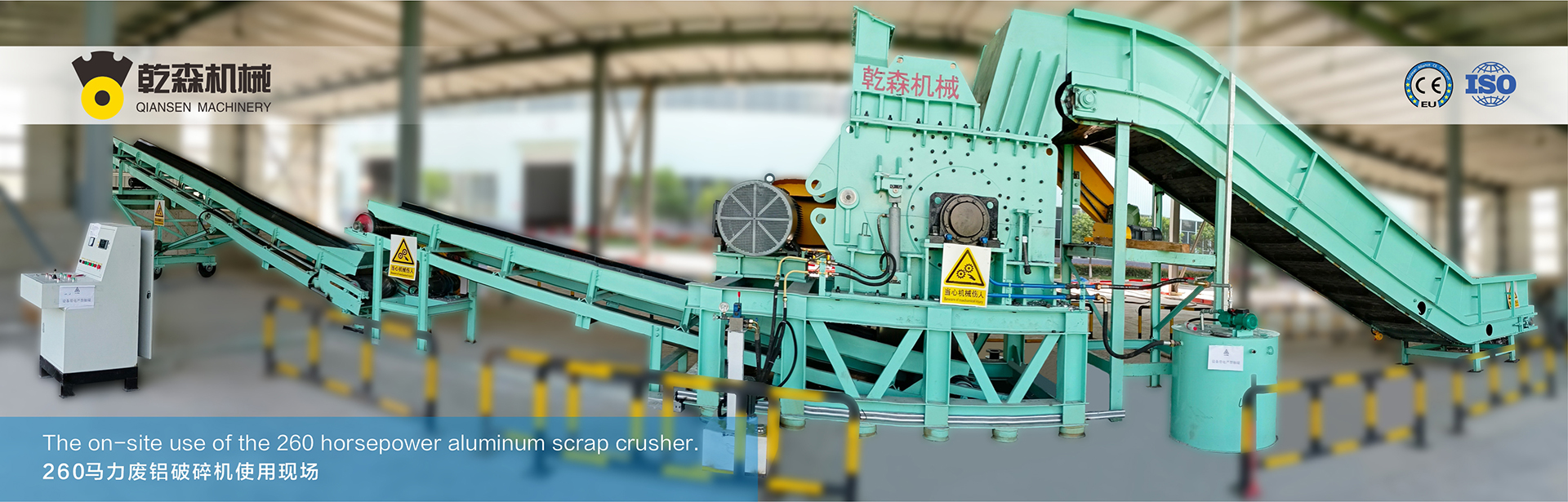
High-Capacity Scrap Processing: Engineering the Largest Car Shredder Systems
Released on Jul. 02, 2026
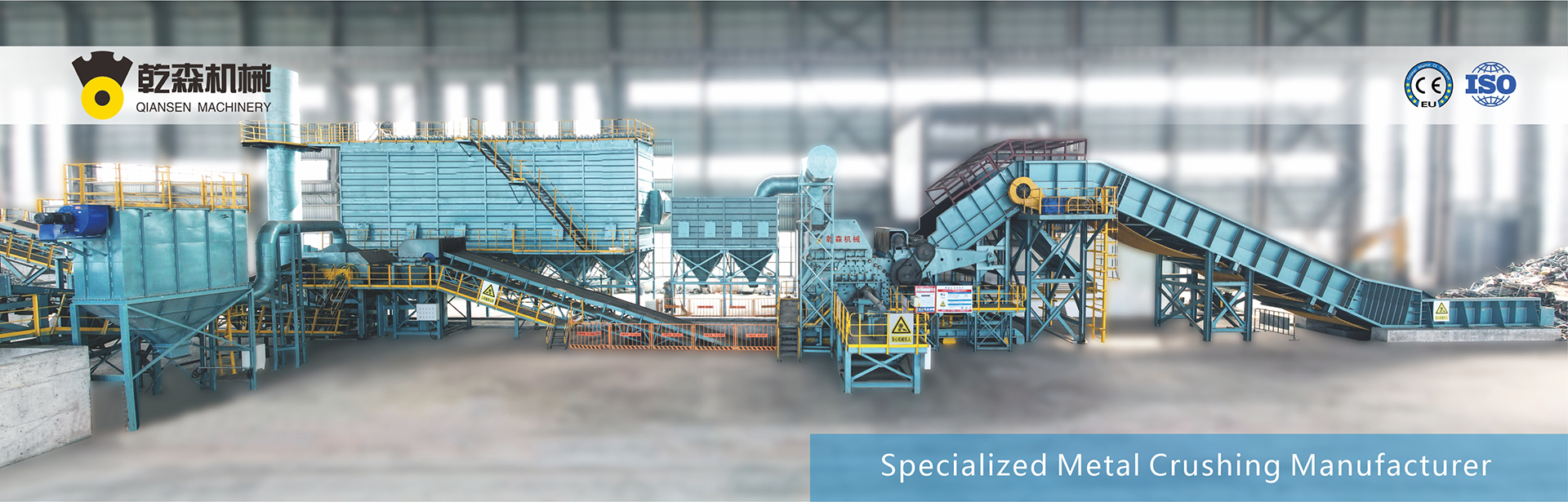
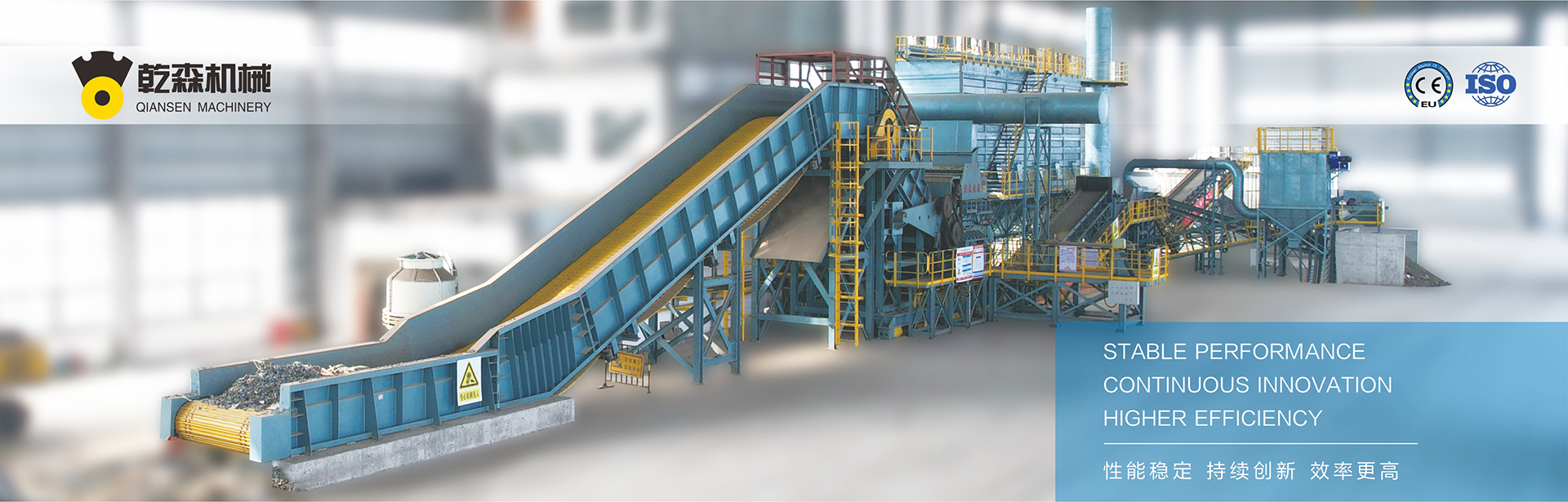
Industrial metal reclamation demands equipment capable of enduring extreme mechanical stress while maintaining consistent throughput. Within the scrap processing sector, the largest car shredder installations represent the pinnacle of size reduction machinery. These massive systems are engineered to process entire end-of-life vehicles (ELVs), turning mixed structural steel, non-ferrous alloys, polymers, and glass into highly purified, furnace-ready scrap within seconds. For heavy-duty scrap yard operators, choosing, integrating, and maintaining these high-tonnage processors determines long-term profitability and operational efficiency.
As global demand for high-grade secondary raw materials rises, manufacturers like QianSen focus on constructing robust shredding systems that balance extreme kinetic force with energy efficiency. Understanding the inner workings of these massive installations requires looking closely at their mechanical design, electric drive systems, wear-resistant metallurgy, and downstream material recovery setups.
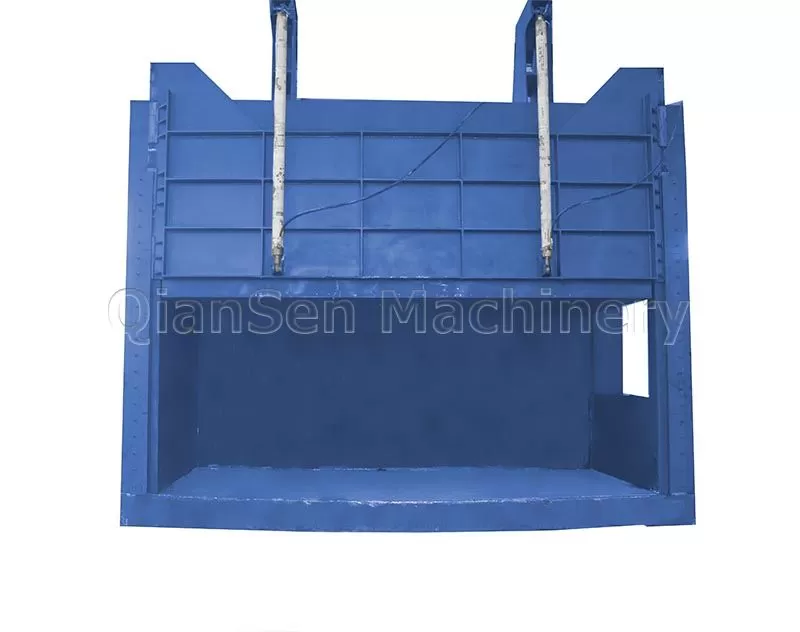
Anatomy of High-Tonnage Hammermill Shredders
To process bulk materials such as whole vehicles, light structural scrap, and household appliances, the largest car shredder designs rely on the hammermill principle rather than simple shearing. This involves a heavy cylindrical rotor spinning at high velocities inside a reinforced crushing chamber lined with impact-resistant plates.
Rotor Configuration and Kinetic Force
The rotor assembly is the core of any high-capacity shredder. In the largest configurations, a fully assembled rotor can weigh between 35 and 60 metric tons. It consists of a heavy-duty alloy steel shaft fitted with a series of protective discs and spacer rings. Suspended between these discs are free-swinging manganese steel hammers, each weighing between 120 and 250 kilograms.
When the rotor spins at speeds ranging from 500 to 700 RPM, these hammers generate immense kinetic energy. As a vehicle enters the shredding chamber via the double-feed roller system, the hammers strike the metal, crushing it against the anvil and internal breaker bars. This initial impact shatters the structure of the car, liberating trapped non-ferrous components and reducing the scrap to a size small enough to pass through the lower grates.
Breaker Bars, Anvils, and Reject Doors
Inside the main housing, heavy-duty wear parts are strategically placed to withstand continuous abrasion and impact:
The Anvil: Positioned at the entry point of the shredder chamber, this thick steel block absorbs the initial impact when the feed rollers push a vehicle into the path of the spinning hammers.
Breaker Bars: Heavy, ribbed castings located above and behind the rotor that help break up larger metal plates before they reach the discharge grates.
The Hydraulic Reject Door: An indispensable safety feature in large-scale scrap shredders. When un-shreddable objects, such as solid steel engine blocks or heavy tractor axles, enter the chamber, the hydraulic relief system opens the reject door, ejecting the object before it can cause severe structural damage to the rotor or casing.
Power Distribution and Electrical Engineering Challenges
Operating the largest car shredder units requires a substantial amount of electrical energy, often needing a dedicated substation connected directly to the high-voltage grid. The main drive motor for a mega-class shredder typically ranges from 4,000 to over 10,000 horsepower (approx. 3 to 7.5 Megawatts).
Motor Selection: Slip-Ring Induction vs. Synchronous Motors
High-inertia loads like shredder rotors present unique challenges when starting and during operation. Most industrial facilities select slip-ring induction motors coupled with liquid rheostats. This setup allows for controlled acceleration during startup, preventing massive voltage drops on the local power grid.
Liquid rheostats adjust electrical resistance in the rotor circuit by changing the electrolyte level, which helps control starting current while maximizing torque. Once the motor reaches its operating speed, the resistance is bypassed, allowing the motor to run at high efficiency. Additionally, these motors can handle sudden load spikes when a large mass of metal enters the shredding chamber, preventing frequent motor trips.
Drive Shaft Couplings and Vibration Isolation
The physical connection between the electric motor and the rotor shaft must isolate the motor from the constant vibrations and shock loads generated during shredding. To achieve this, engineers install heavy duty universal joint shafts combined with hydraulic safety couplings. These couplings are designed to slip if the torque exceeds a set safety limit, protecting the motor shaft from sudden torsional shocks. Heavy-duty elastomer damper pads are also placed beneath the concrete foundations of both the shredder and the motor to prevent ground vibration from affecting nearby industrial facilities.
Metallurgy and Wear Part Management
The cost of wear parts is one of the largest ongoing expenses in high-volume scrap processing. Shredding multiple tons of steel every hour causes rapid wear on all internal surfaces. Minimizing downtime requires a deep understanding of alloy metallurgy and systematic maintenance schedules.
QianSen addresses these challenges by using high-manganese steel alloys for hammers, grates, and liners. Manganese steel, often referred to as Hadfield steel, possesses a unique metallurgical characteristic: work-hardening. Under continuous impact and high pressure, the surface of the alloy increases in hardness from an initial 200 HB (Brinell hardness) to over 500 HB, while the core of the casting remains tough and ductile. This combination prevents the hammers from cracking under heavy impact while providing excellent wear resistance on the surface.
To maintain consistent throughput, operators must regularly monitor wear patterns. As hammer edges become rounded, the shredding mechanism shifts from efficient impact-shattering to high-friction rubbing. This change increases electricity consumption per ton of processed metal and lowers overall hourly output. Consequently, modern yards use hydraulic pin pullers and rapid-change rotor assemblies to complete hammer rotations and replacements quickly, reducing maintenance downtime.
Downstream Sorting and Material Liberation
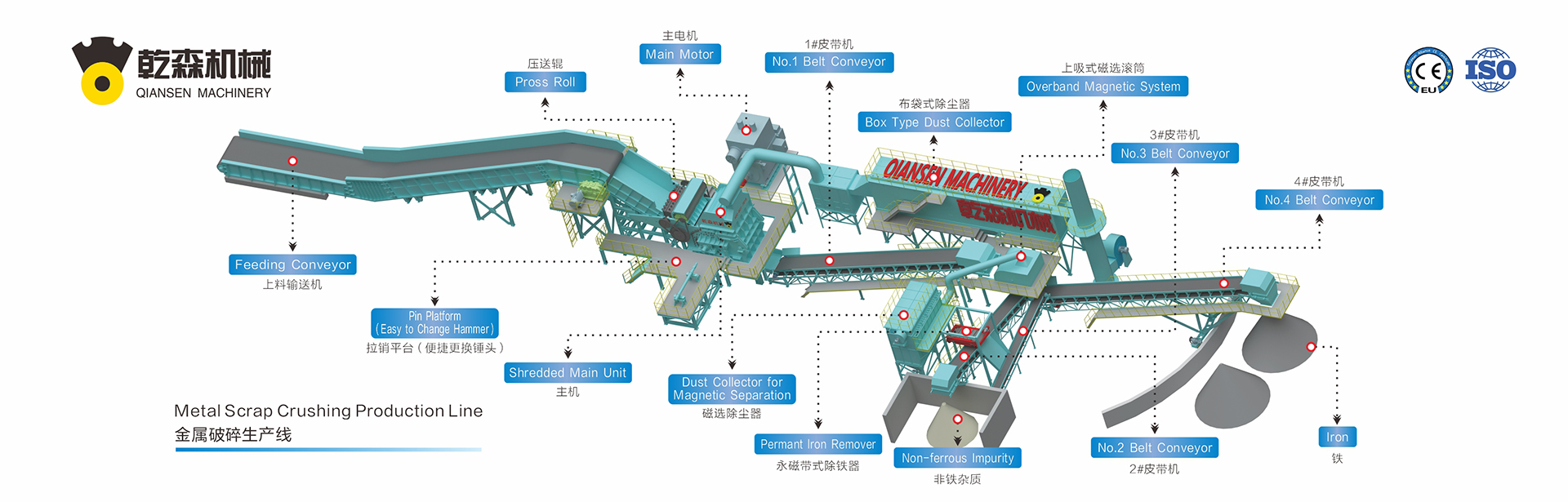
Reducing a vehicle to fist-sized pieces is only the first stage of the reclamation process. The true value of operating the largest car shredder lies in the efficiency of the downstream separation systems. These systems sort the mixed output into distinct, clean material streams that command higher prices in the global metal market.
The typical downstream process includes several stages of separation:
Air Classification (The Z-Box): Directly after discharging from the shredder grates, the material passes through an air-suction system. Lightweight materials like foam, fabric, plastics, and dirt are vacuumed out. This fraction is known as Auto Shredder Residue (ASR) or fluff.
Primary Magnetic Separation: The remaining heavy material travels under high-intensity electromagnetic drum separators. These drums pull ferrous metals away from non-magnetic materials, producing clean fragmentized steel scrap (HMS 1 & 2).
Eddy Current Separators (ECS): The non-magnetic stream continues to an eddy current separator. By creating a rapidly alternating magnetic field, the ECS induces electrical currents in non-ferrous metals like aluminum, copper, and brass. This creates opposing magnetic forces that fling these valuable metals over a splitter plate, separating them from non-conductive materials like heavy plastics and rubber.
Sensor-Based and X-ray Sorting: For maximum recovery, the remaining non-ferrous stream is passed under optical and X-ray transmission (XRT) sorters. These computerized systems detect specific metal signatures and use targeted air jets to sort copper wire, stainless steel, and specific aluminum alloys with high precision.
Evaluating Infrastructure and Feasibility
Investing in the largest car shredder system requires extensive planning that goes beyond the purchase of the machine itself. Scrap yard operators must evaluate several logistical and environmental factors to ensure the facility is profitable and compliant with local regulations.
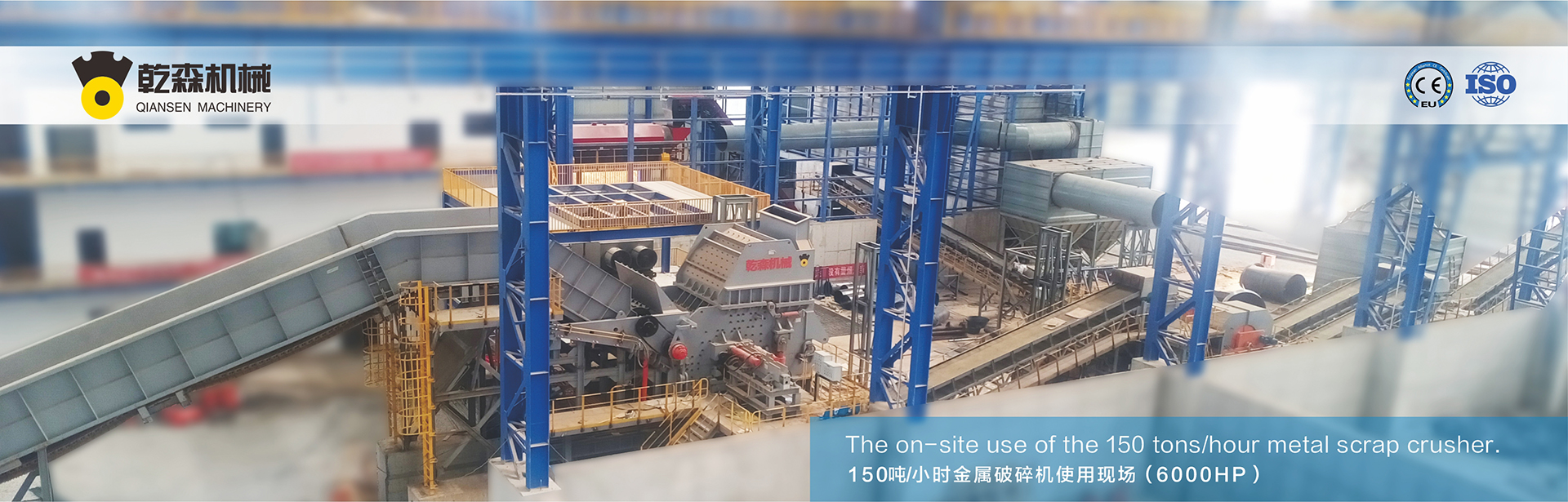
The primary consideration is continuous material logistics. A shredder capable of processing 100 to 200 tons per hour requires a steady inflow of raw material and a highly organized outflow system. Scrap yards must have the crane capacity and feed conveyor systems to keep the shredder feed chute full. Similarly, a continuous fleet of railcars or bulk trucks is required to transport the finished ferrous and non-ferrous product away from the yard, preventing bottlenecks at the discharge conveyor.
Environmental compliance is another major factor. The high-energy impacts inside the shredder chamber can generate heat, occasionally igniting residual fuel or fluids in the ELVs. To mitigate this, modern high-capacity shredders incorporate high-pressure water injection or steam suppression systems. These systems control dust, suppress potential explosions, and reduce emissions to meet strict environmental standards. Additionally, acoustic enclosures are often required to dampen the low-frequency noise generated by the large drive motor and rotor impacts.
Collaborating on Industrial Scrap Solutions
Developing a high-performance scrap yard requires reliable machinery that matches your specific feed materials, volume requirements, and regional operating conditions. At QianSen, we work closely with industrial metal recyclers to design, manufacture, and integrate heavy-duty shredding machinery and complete downstream separation systems built to handle demanding industrial workloads.
If you are planning to upgrade your current scrap processing capacity, install high-efficiency hammermill components, or evaluate the logistical feasibility of high-capacity scrap processing machinery in your facility, our engineering team is ready to assist. Contact us to discuss your system requirements, material throughput goals, and equipment specifications.
Frequently Asked Questions
Q1: What is the average throughput capacity of the largest car shredder installations?
A1: High-capacity industrial shredders typically achieve throughputs ranging from 80 to over 250 metric tons per hour, depending on the rotor size, motor horsepower, and the density of the incoming feed material.
Q2: How do water injection systems assist in the shredding process?
A2: Water is injected into the shredder chamber under pressure to suppress dust, cool the cutting and impact zones, and prevent potential dust or residual fuel vapor explosions by creating an oxygen-depleted, steam-rich environment inside the housing.
Q3: Why is work-hardening manganese steel preferred for hammer construction?
A3: Manganese steel work-hardens under impact, meaning its surface becomes harder and more wear-resistant as it strikes metal scrap, while its core remains ductile. This helps prevent sudden hammer fractures while extending the overall operating life of the wear parts.
Q4: How does a liquid rheostat help in starting a high-horsepower shredder motor?
A4: A liquid rheostat introduces adjustable resistance to the rotor winding of a slip-ring induction motor during startup. This limits the initial current draw from the electrical grid and provides high starting torque to smoothly accelerate the high-inertia rotor up to operational speed.
Q5: What is Auto Shredder Residue (ASR) and how is it managed?
A5: ASR, or shredder fluff, consists of non-metallic materials such as plastics, foam, glass, rubber, and fabrics found in vehicles. It is separated from metals using air classifiers and screen systems, after which it is either sent to specialized waste-to-energy facilities or processed further to recover fine plastics and rubber.