




5 Mechanical Specifications to Check in an Engine Crusher for Sale
Released on Jul. 02, 2026
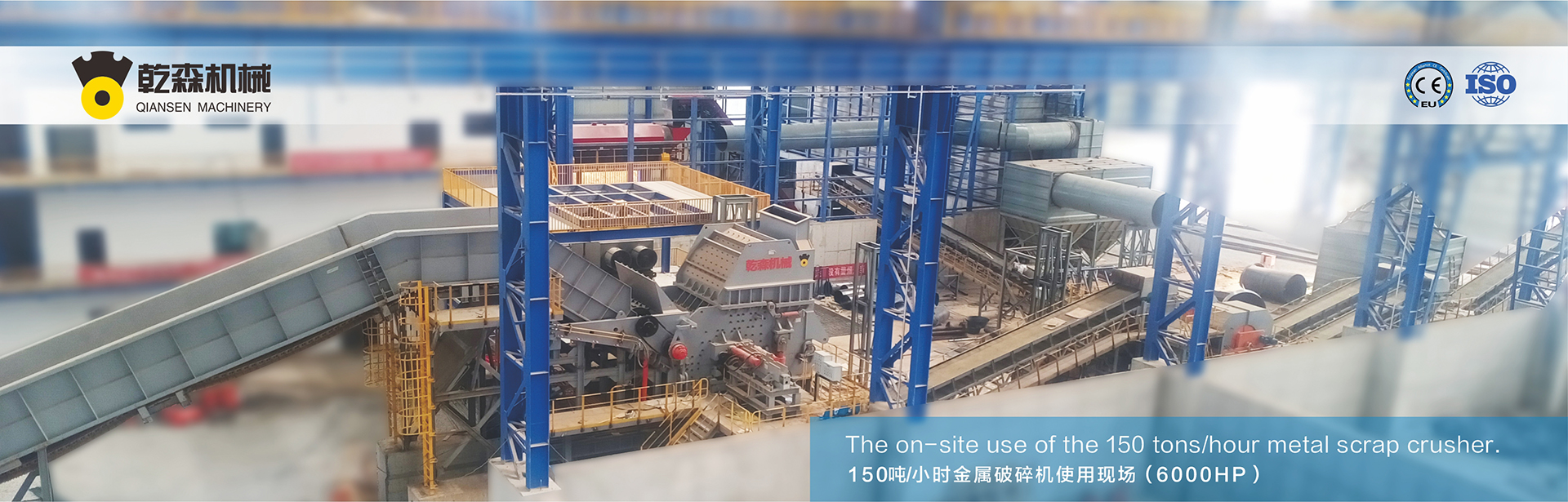
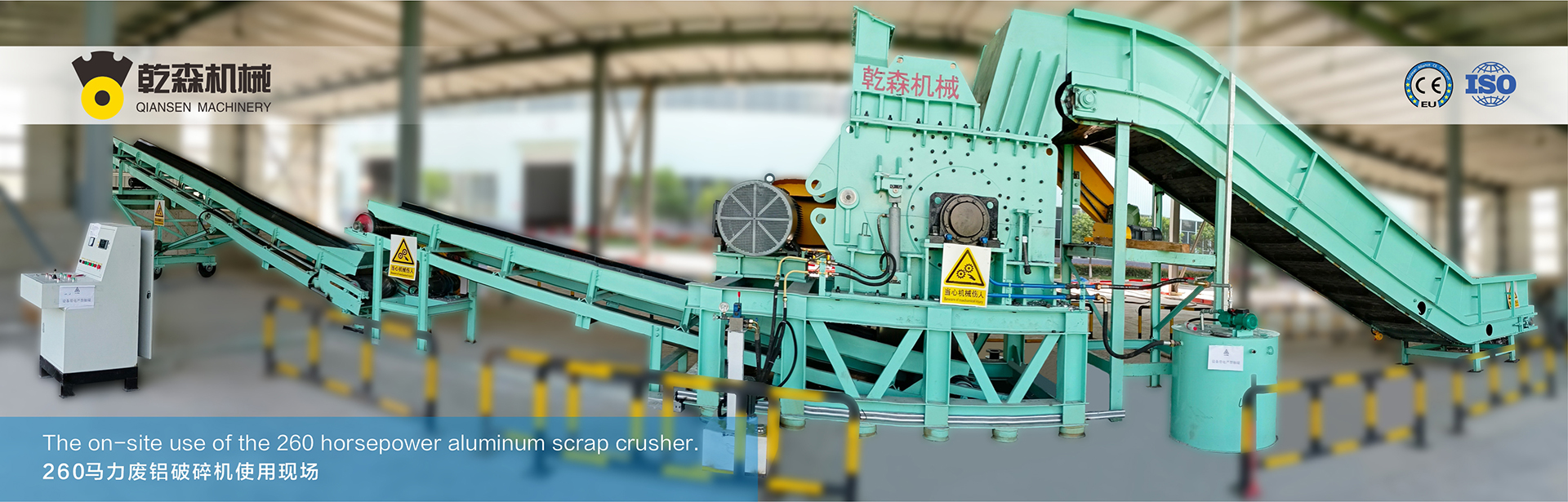
Automotive recycling operations process complex, multi-metal assemblies daily. Among these, complete engine assemblies represent a high-value source of scrap, containing dense mixtures of cast iron, cast aluminum, steel, and copper. Recovering these materials in high-purity fractions requires specialized crushing machinery capable of handling heavy shock loads. For scrap yards planning to expand their processing capabilities, identifying the right engine crusher for sale involves analyzing mechanical designs, material behavior under impact, and downstream separation mechanisms.
The main objective of processing engine blocks is metal liberation rather than simple volume reduction. Aluminum cylinder heads must be completely separated from cast iron blocks, steel crankshafts, and brass fittings. Selecting a system that matches the daily volume and metallurgical output requirements of a facility ensures steady processing rates and minimizes mechanical wear.
Metallurgical Composition and Fracture Mechanics
Engine assemblies are comprised of metals with vastly different physical properties. Cast iron, commonly used in older engine blocks and sleeve liners, is hard and brittle. Under high-velocity impact, cast iron fractures easily, shattering into small, manageable fragments. Cast aluminum, widely used in modern engine heads and blocks, is ductile and tends to deform, fold, or tear under stress rather than shatter. Forged steel crankshafts and connecting rods possess high tensile strength and ductility, resisting fracture under standard impact forces.
An effective crushing system leverages these different mechanical behaviors. The crushing action must apply sufficient kinetic energy to shatter the brittle cast iron blocks and detach them from the ductile steel and aluminum components. This process requires a heavy rotor design that maintains high rotational inertia, ensuring that the impact forces remain consistent even when dense, solid steel shafts enter the chamber. QianSen designs crushing machinery specifically to utilize these physical differences, ensuring clean separation at the discharge end.
Improperly calibrated impact forces can result in incomplete liberation, where steel bolts remain embedded in aluminum housings. This cross-contamination lowers the market value of the recovered non-ferrous scrap. Therefore, the rotor speed, hammer weight, and internal chamber clearance must be carefully balanced to achieve the desired fragmentation without over-shredding the ductile metals into fine particles that are difficult to recover.
Core Engineering Design of Heavy-Duty Crushing Chambers
The interior of a heavy-duty shredding chamber must withstand extreme abrasive wear and high-impact forces. Understanding the construction details of these chambers is helpful when reviewing an engine crusher for sale.
Rotor and Hammer Assemblies
The rotor is the primary component of the crushing system. It consists of a thick, forged alloy steel shaft holding a series of rotor discs. Free-swinging hammers are mounted on pins running through these discs. The mass of the hammers is calculated based on the maximum thickness of the feed material. For engine processing, hammers typically weigh between 50 kg and 120 kg each and are cast from manganese steel or specialized chromium-molybdenum alloys.
Manganese Steel: This material possesses work-hardening properties, meaning its hardness increases as it is subjected to repeated impacts during operation.
Chromium Alloys: These alloys offer high resistance to abrasive wear, making them suitable for environments processing high volumes of sandy or dirty scrap.
Pin Shafts: Heavy-wall alloy pins support the hammers, allowing them to swing back when they encounter uncrushable objects, preventing catastrophic shaft damage.
Chamber Liners and Grate Plates
The inner walls of the crushing chamber are lined with replaceable wear plates bolted from the exterior. These liners are typically made of high-strength wear-resistant steel, such as Hardox or equivalent grades, with thicknesses ranging from 40 mm to 80 mm. The bottom of the chamber contains heavy-duty grate plates with specific aperture sizes. These grates retain the material inside the chamber until it has been reduced to a size smaller than the openings, controlling the final product size and ensuring consistent liberation of the integrated metals.
Power Transmission and Drive Configurations
Powering an industrial scrap metal shredder requires robust drive systems capable of absorbing severe electrical and mechanical spikes. Most large-scale systems utilize either direct electric motor drives or hydraulic drive systems.
Electric motor drives often incorporate heavy flywheels to store kinetic energy. This design helps maintain rotor speed during sudden peak loads, such as when a complete V8 engine block enters the chamber. The motor is connected to the rotor shaft via a fluid coupling, which dampens shock loads and protects the motor windings from electrical overloads. Typical power ratings for processing engine blocks range from 200 kW to over 600 kW, depending on the targeted throughput capacity.
Hydraulic drive systems offer high torque at lower speeds and provide inherent overload protection. If an uncrushable object stalls the rotor, the hydraulic relief valves open, preventing structural damage to the drive train. QianSen configures power units to match the specific operational constraints of the processing yard, balancing energy consumption with the required throughput capacity.
Downstream Separation and Sorting Systems
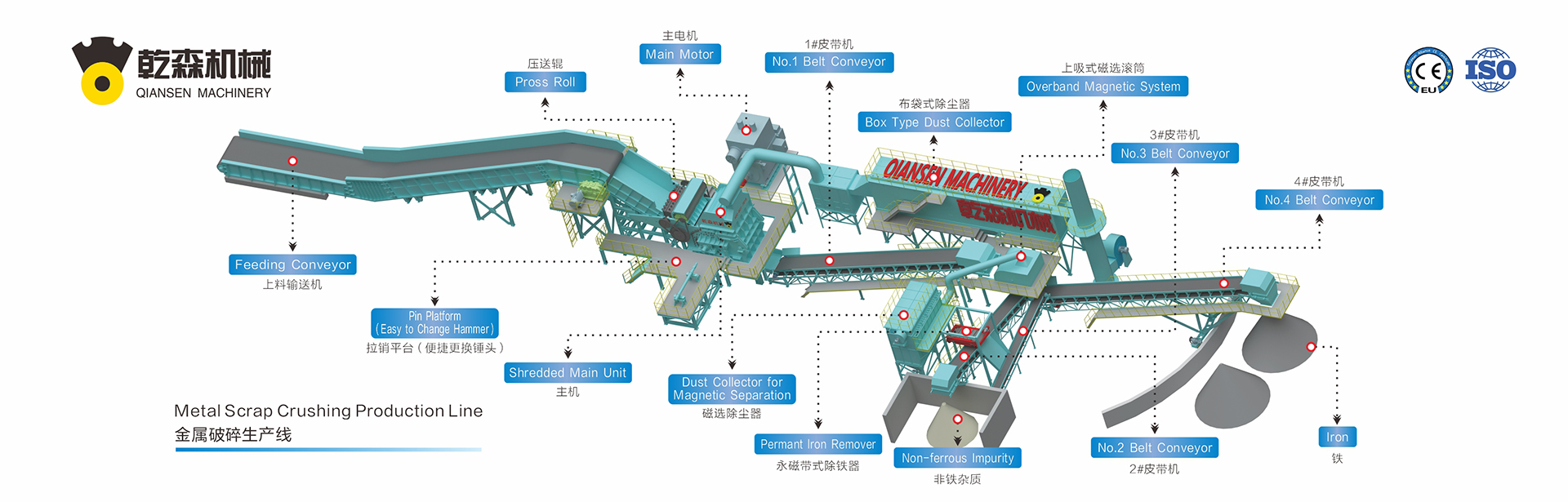
The output of a crushing chamber is a mixed stream of fragmented iron, deformed aluminum, clean steel shafts, and small amounts of dirt, oil, and rubber. A crushing system relies on a series of downstream separation stages to turn this mixed material into clean, marketable commodities.
The material first passes over an vibratory feeder to evenly spread the stream before it reaches the magnetic separator. Heavy-duty drum magnets pull the ferrous metals—such as cast iron fragments and steel crankshafts—away from the non-magnetic fraction. This ferrous output is highly valued by steel mills due to its high density and uniform size.
The remaining non-magnetic stream contains aluminum, copper wiring, rubber hoses, and residual dirt. This mixture is routed to an eddy current separator. By utilizing rapidly alternating magnetic fields, the eddy current separator induces electrical currents in the non-ferrous metal pieces, creating opposing magnetic fields that repel the aluminum and copper away from the non-conductive plastics, glass, and dirt. This process produces clean aluminum fractions suitable for direct secondary smelting.
Operational Parameters and Maintenance Protocols
Operating a metal processing plant requires regular maintenance to control operating costs per ton. The abrasive nature of engine scrap means that wear parts must be inspected and replaced systematically.
Hammer Rotation: To maximize the service life of the manganese hammers, operators must reverse or rotate them periodically. This practice ensures even wear across both leading edges before replacement is required.
Lubrication Schedules: The main rotor bearings operate under continuous vibration and high temperatures. Automatic grease lubrication systems are commonly used to deliver precise quantities of high-temperature, EP (Extreme Pressure) grease to the bearings at set intervals.
Chamber Clearing: Large pieces of uncrushable alloy steel can sometimes build up inside the chamber. Access doors, operated by hydraulic cylinders, allow maintenance personnel to quickly inspect and clear the chamber floor safely.
A structured approach to tracking wear-plate thickness and hammer weight loss prevents unplanned downtime. Keeping a stock of critical wear items, such as grates and hammer pins, ensures that scheduled maintenance shutdowns remain brief and predictable.
Frequently Asked Questions
Q1: What is the average throughput capacity of an engine crusher for sale from QianSen?
A1: Throughput capacities range from 5 tons per hour to over 20 tons per hour. The actual output depends on the model selected, the drive motor configuration, the grate size installed, and the ratio of aluminum blocks to cast iron blocks in the feed material.
Q2: Can these machines handle complete transmissions along with the engine blocks?
A2: Yes, the heavy-duty rotor and high-mass hammer designs are capable of crushing cast aluminum and steel transmission casings, liberating the internal gears and shafts for subsequent magnetic separation.
Q3: How are uncrushable materials, such as heavy solid steel shafts, handled by the machine?
A3: The hammers are designed to swing backward into the rotor body when they strike a solid, uncrushable object. Additionally, some configurations feature a hydraulic reject door that allows the rotor to push large, uncrushable items out of the chamber automatically.
Q4: What is the typical lifetime of the crushing hammers when processing automotive scrap?
A4: Hammer lifespan varies based on the dirt content and metal mix of the scrap, but manganese steel hammers typically process between 1,500 and 3,000 tons of engine material before requiring replacement or rebuilding via hard-face welding.
Q5: What are the space and foundation requirements for installing this equipment?
A5: These heavy-impact machines require a reinforced concrete foundation to isolate vibrations from surrounding structures. The exact footprint depends on the layout of the feeding conveyors, magnetic separators, and discharge conveyors, which QianSen can assist in planning.
Inquiry
For detailed technical specifications, customized layout drawings, or a formal quotation regarding our scrap processing equipment, please submit your operational requirements using the contact fields below. Our engineering team will review your parameters and provide a detailed system proposal tailored to your scrap yard's physical layout and throughput goals.