




Heavy Machinery Engineering for High-Yield Car Crushing and Shredding Plants
Released on Aug. 03, 2026
The global metal recycling sector transforms tens of millions of end-of-life vehicles (ELVs) every year into furnace-ready raw materials. Converting complex, light-gauge automotive frames, structural steel, engines, and wiring looms into dense, high-purity scrap requires severe mechanical force and precise material separation. Scrap processors rely on heavy machinery to reduce volume, increase bulk density, and liberate individual material fractions. Choosing the right machinery for car crushing and shredding determines whether a scrap yard maintains consistent daily throughput or experiences severe operational bottlenecks and high wear costs.
Automotive scrap present a unique challenge to equipment manufacturers. An automobile contains high-carbon steel, alloy steel, cast iron, aluminum, copper wiring, rubber, plastics, and glass. Equipment must withstand extreme dynamic loading while systematically breaking down composite structures. Modern scrap yard design relies on a multi-stage process where primary volumetric reduction works in tandem with high-speed mechanical disintegration.
Primary Stage Mechanics: High-Tonnage Hydraulic Balers and Crushers
Before scrap metal enters high-speed milling equipment, volumetric reduction is necessary to lower logistics costs and optimize downstream feed rates. Portable auto crushers and stationary hydraulic balers serve as the foundational equipment in primary ELV handling.
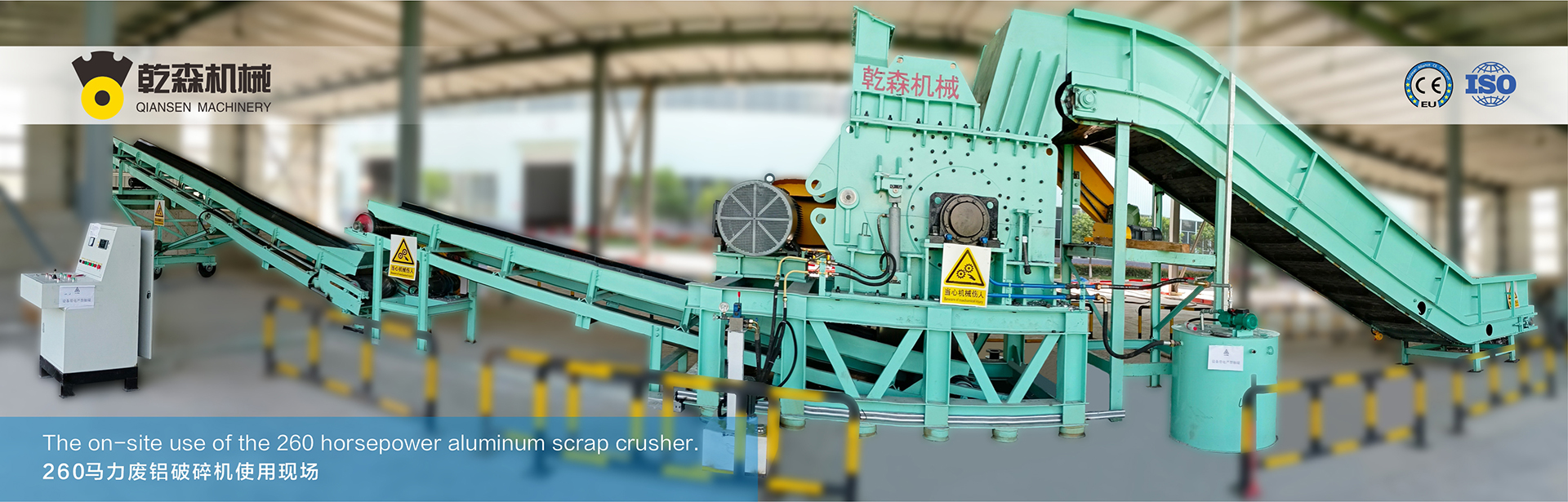
Hydraulic auto crushers utilize multi-stage cylinders to collapse passenger vehicles, light trucks, and vans into flat cakes ranging from 200 to 300 millimeters in height. By flattening the vehicle chassis, transport trucks can carry three to four times more weight per load compared to uncrushed car hulls. The mechanical system relies on high-pressure hydraulic power units running between 250 and 350 bar. Heavy steel press plates, reinforced with internal structural beams, distribute crushing forces exceeding 150 metric tons across the frame.
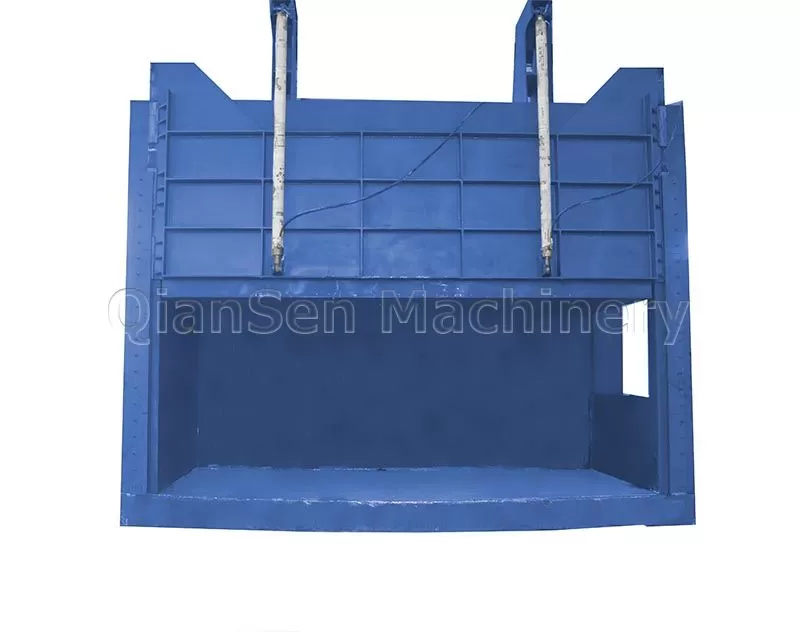
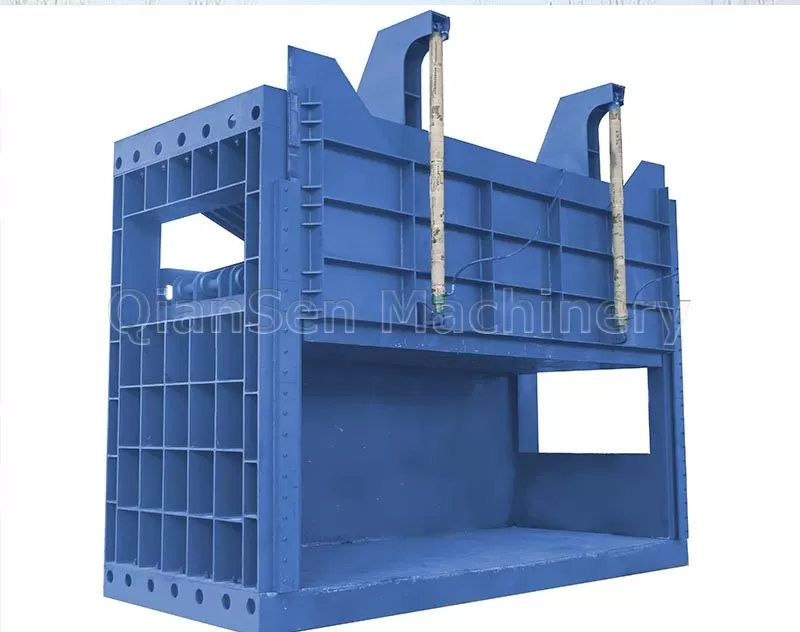
For yards aiming for direct melting scrap markets without full shredding, hydraulic scrap balers compress vehicles into uniform, high-density cubes. Three-dimensional compression systems utilize side-squeeze, end-squeeze, and top-lid rams. The interior walls of these baling chambers are lined with replaceable wear plates made from high-hardness steel alloys. These liners absorb severe abrasion from jagged metal edges during the compaction stroke.
Secondary Stage Dynamics: Industrial Hammer Mills for Car Crushing and Shredding
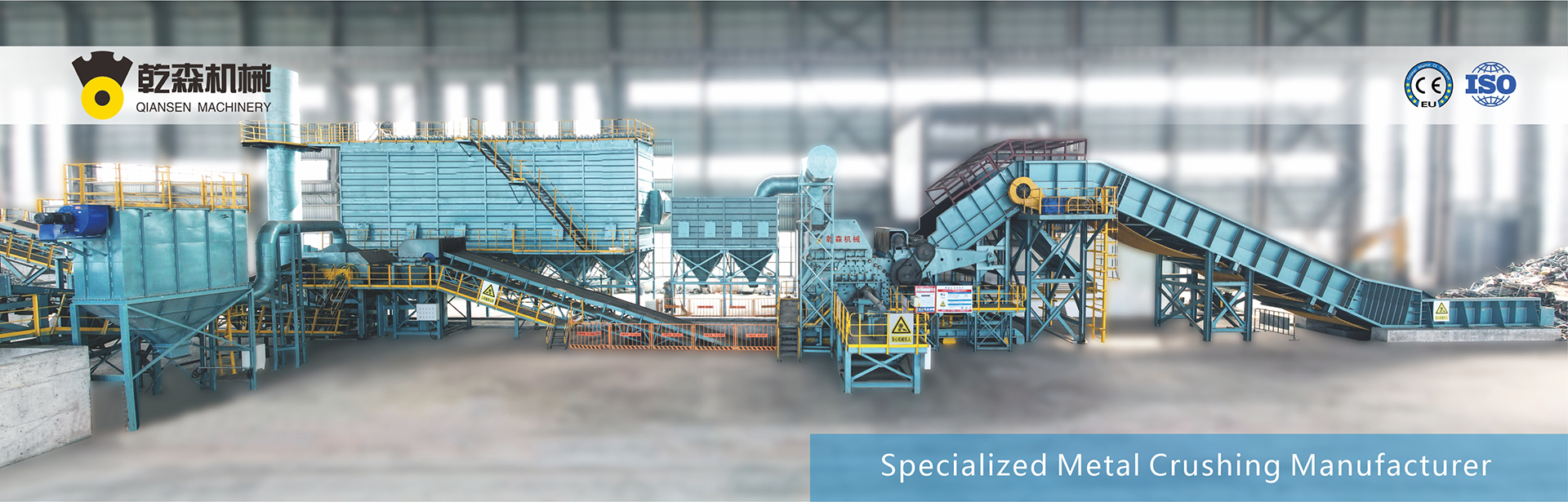
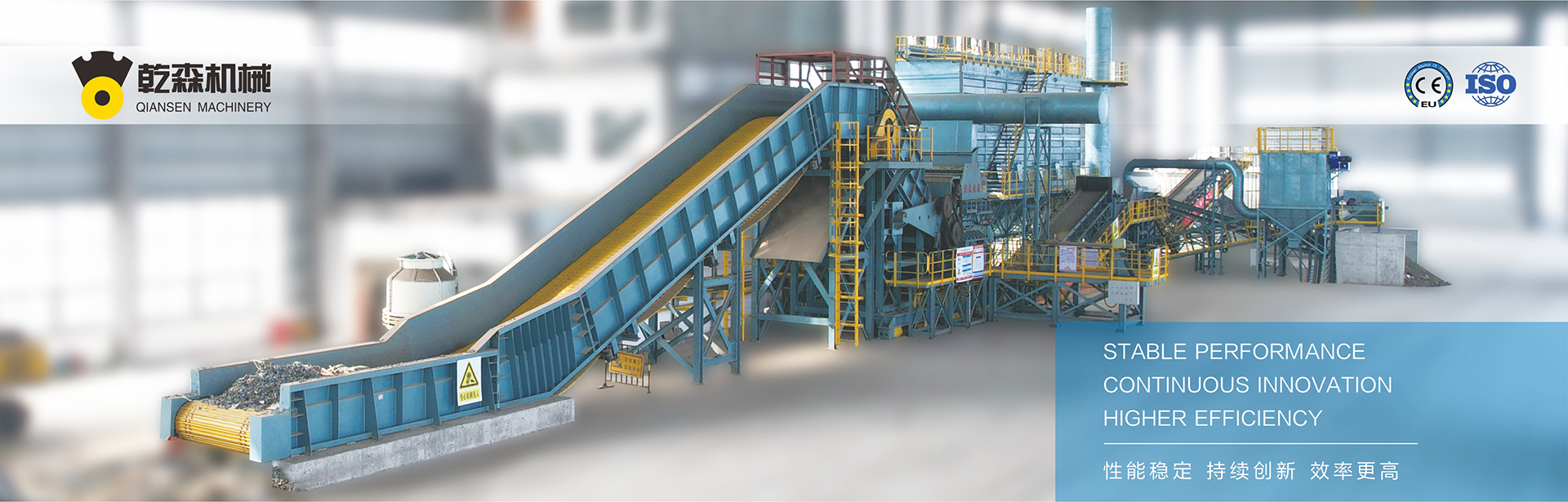
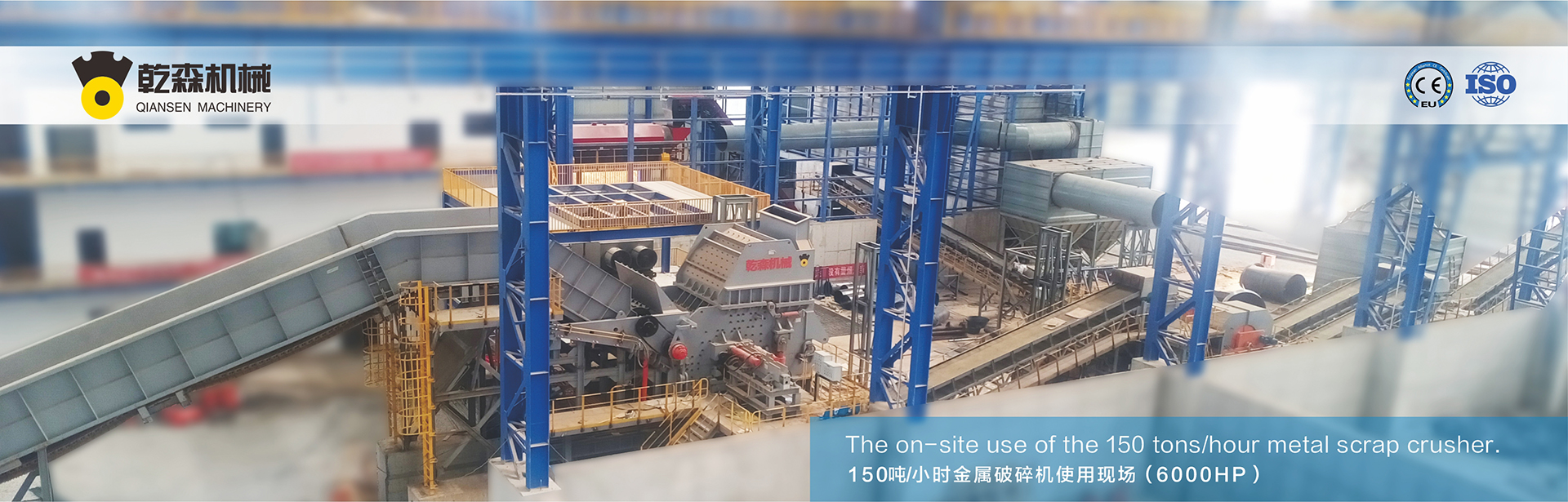
While primary crushers handle volume reduction, achieving true material liberation requires heavy hammer mills. Modern facilities depend on high-speed car crushing and shredding systems to reduce compressed metal cakes or loose vehicle bodies into small, uniform scrap pieces measuring between 50 and 100 millimeters.
The core component of an industrial shredder is the main rotor assembly. Powered by heavy electric drive motors ranging from 1,000 kW to over 4,000 kW, these rotors turn at speeds between 500 and 600 revolutions per minute. Massive free-swinging or fixed hammers are mounted across the rotor disks. As flattened car bodies enter the shredder housing, kinetic energy from the spinning hammers shatters the metal against heavy anvil edges and breaker plates.
Rotor Inertia: High mass disc rotors store immense kinetic energy, allowing the system to process heavy cross-section steel axles and engine blocks without drastic drops in engine RPM.
Hammer Metallurgy: Manganese steel alloys are widely utilized for hammers. Under repeated impact, manganese steel undergoes work-hardening, increasing its surface hardness while maintaining a ductile inner core to resist brittle fracture.
Grate Bar Selection: The bottom and back grates feature specific hole geometries. Metal pieces remain inside the shredder housing until they are reduced to a size smaller than the grate openings, controlling final particle size and bulk density.
Downstream Separation and Material Recovery Systems
Disintegrating a vehicle inside a hammer mill generates a complex mixture of ferrous metal, non-ferrous metal, and non-metallic waste known as Auto Shredder Residue (ASR) or auto fluff. Efficient downstream sorting is required to turn this mixed output into high-value commodities.
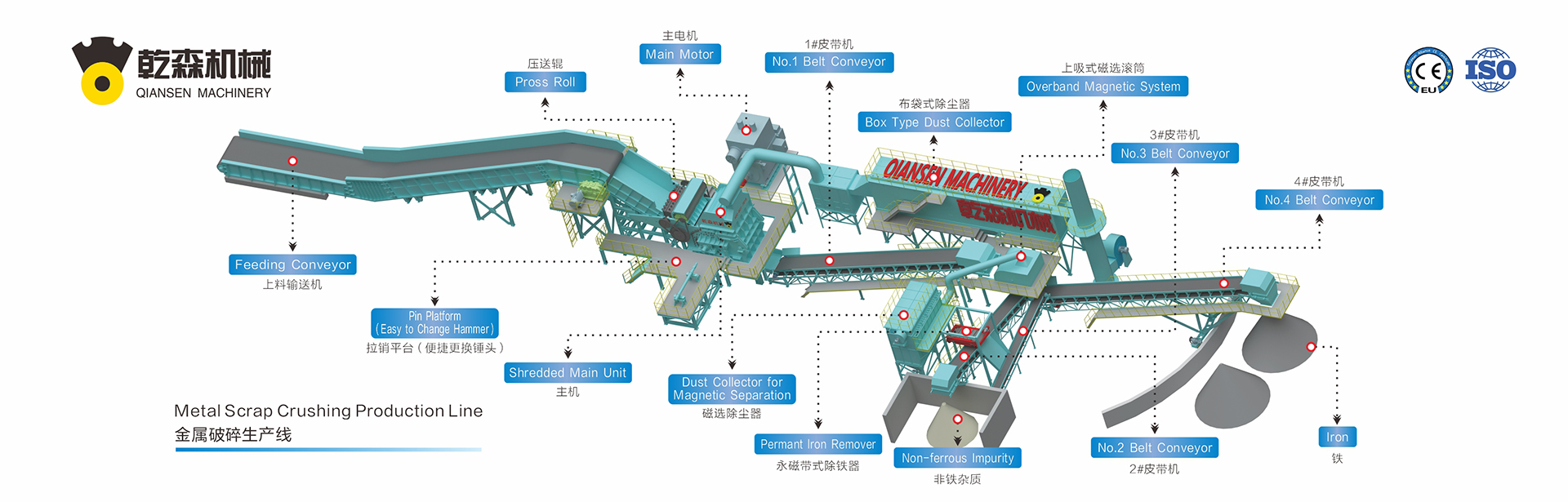
The pulverized material moves from the shredder discharge chute via heavy-duty vibrating conveyors to an air classification system. High-velocity air zigs-zag through the falling material stream, blowing away light non-metallic fractions such as foam, textile fibers, thin plastics, and dirt. Removing light ASR early prevents downstream magnetic and eddy current equipment from blinding.
Following air separation, heavy-duty magnetic drum separators extract the ferrous fraction. These drum magnets feature high-intensity permanent magnets or electromagnets mounted inside a rotating non-magnetic stainless steel shell. Clean, dense ferrous scrap is pulled against the shell and carried to a discharge conveyor, achieving magnetic separation efficiencies above 98 percent.
The non-magnetic stream, containing aluminum, copper, brass, stainless steel, and heavy plastics, proceeds to high-speed Eddy Current Separators (ECS). An eddy current rotor, fitted with powerful rare-earth permanent magnets spinning at 2,000 to 3,000 RPM inside a non-metallic drum, induces powerful eddy currents in non-ferrous metals. These induced currents generate opposing magnetic fields, physically repelling aluminum and copper off the belt, separated from inert heavy plastics and rubber.
QianSen Engineering Solutions for High-Throughput Scrapyards
Designing equipment that survives the continuous impact of heavy scrap processing requires a balance of mechanical rigidity, hydraulic efficiency, and serviceability. Industrial manufacturing systems built by QianSen focus on heavy frame construction and low-maintenance drive assemblies tailored to demanding operational environments.
Heavy structural frames designed by QianSen utilize stress-relieved steel plates welded with fully penetrated joints to handle severe dynamic shock loads. Frame failure in high-volume yards causes extended plant downtime. Machinery engineered with heavy internal ribbing and reinforced torque arms mitigates torsional strain on drive gearboxes and main bearings.
To address uneven feed sizes and reduce peak current loads on regional power grids, QianSen integrates high-torque dual-shaft pre-shredders upstream of primary hammer mills. Pre-shredding cuts whole automobiles into manageable sections, smoothing out load spikes, protecting internal shredder components, and increasing overall plant throughput by up to 30 percent.
Operational Economics: Wear Management and Power Efficiency
Operating costs in scrap metal processing plants are driven primarily by power consumption and component wear. Managing these factors requires strict operational maintenance schedules and precise mechanical configuration.
Power consumption per metric ton of processed scrap varies depending on rotor configuration, grate design, and feed material density. Running un-pre-shredded, heavy structural automobile parts directly into a hammer mill increases electric motor power draw and accelerates hammer mass loss. System design that maintains consistent feed speeds helps keep drive motor loads within optimal efficiency bands, avoiding thermal tripping and utility penalty fees from reactive power spikes.
Wear component management is another core operational factor. Inside the shredder housing, anvil plates, side liners, and grate bars undergo severe abrasion. Utilizing alloyed steel liners with high chromium and molybdenum content extends working life between scheduled maintenance shutdowns. Dynamic rotor balancing and vibration monitoring sensors help maintenance crews identify shaft misalignments or uneven hammer wear before mechanical bearing failures occur.
Modern Machinery Standards in Car Crushing and Shredding Facilities
Scrap processing operations face rigorous environmental and safety standards regarding airborne dust control, noise attenuation, and explosion mitigation. Industrial car crushing and shredding facilities must integrate active suppression technologies directly into the machinery superstructure.
Vehicle fuel tanks, propane cylinders, or trapped volatile fluids that mistakenly enter the shredder housing can ignite under high-friction impact. Modern shredder housings include heavy deflagration vents on the top structure. These pressure-relief doors swing open during sudden pressure spikes, safely releasing explosion energy upward and away from ground operators.
Dust suppression systems utilize targeted high-pressure water mist injected directly into the shredding chamber and transfer points. Moisture dampens fine particulates without saturating the auto residue fluff, keeping material weight predictable and preventing air classification systems from becoming clogged with wet sludge.
Frequently Asked Questions
Q1: What is the primary operational difference between a car crusher
and an auto shredder?
A1: A car crusher uses hydraulic force to
flatten whole vehicle hulls for volume reduction and lower transport costs. An
auto shredder uses high-speed mechanical hammers to break down flattened or
whole vehicle bodies into small, fragmented pieces, liberating distinct ferrous,
non-ferrous, and non-metallic material fractions for downstream sorting.
Q2: How does pre-shredding improve the overall efficiency of a scrap
processing line?
A2: Pre-shredders use low-speed, high-torque dual
shafts to cut vehicle bodies into smaller, uniform pieces before they enter
high-speed hammer mills. This reduces electrical current spikes, prevents
internal shredder jams, reduces wear on hammers and liners, and increases total
hourly production capacity.
Q3: What steel alloys are used to manufacture internal shredder wear
liners?
A3: Internal shredder liners typically utilize
high-manganese steel alloys or work-hardened chromium-molybdenum alloy steels.
High-manganese steel work-hardens under direct impact, reaching elevated surface
hardness while maintaining toughness to prevent cracking under repeated
stress.
Q4: How do downstream systems separate non-ferrous metals like
aluminum and copper from shredder residue?
A4: Non-ferrous
separation relies on Eddy Current Separators. High-speed rotating magnetic drums
induce temporary magnetic fields within conductive non-ferrous metals. These
induced fields repel the non-ferrous materials off the conveyor belt, separating
them from inert non-metallic auto shredder residue.
Q5: Can equipment configurations be modified to suit specialized
scrapyard layouts?
A5: Yes. Equipment lines produced by QianSen
offer customizable modular configurations. Scrap yard operators can tailor feed
chute dimensions, hydraulic pusher systems, conveyor lengths, and sorting drum
arrangements based on site footprints and target daily processing tonnages.
Request an Engineering Proposal for Your Scrapyard
Upgrading scrap processing capabilities requires reliable machinery engineered for high throughput, heavy structural longevity, and consistent material separation efficiency. Whether your facility requires standalone hydraulic pre-conditioners, high-speed hammer mills, or a fully automated downstream sorting system, custom machine design ensures optimal return on capital investment.
Submit your operational parameters, targeted output densities, and daily tonnage goals to the machinery application engineering team at QianSen. Our technical specialists will analyze your processing requirements and supply a detailed machinery design proposal suited to your scrapyard workflow.