





Industrial Car Shredder Cost Evaluation: CAPEX, OPEX, and Mechanical Engineering Drivers
Released on Aug. 05, 2026
Metal recycling operations demand robust machinery capable of processing end-of-life vehicles (ELVs) into dense, high-purity scrap metals. Purchasing a large-scale scrap metal processing system represents a major capital investment for auto dismantlers, scrap yards, and steel mills. Accurately assessing the long-term car shredder cost requires looking beyond initial machinery pricing. Equipment buyers must evaluate a complex set of variables, including motor ratings, rotor design, downstream separation systems, and daily wear part consumption.
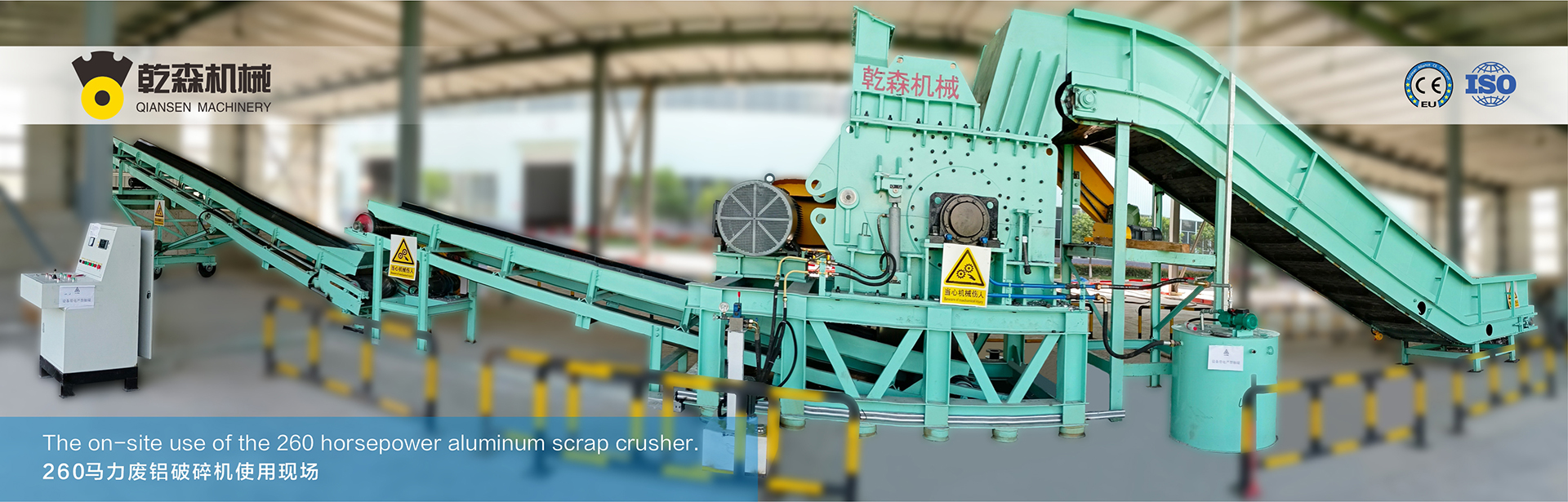
Modern auto shredders rely on high-torque, heavy-impact hammer mill architecture. These systems reduce whole car bodies, white goods, and mixed structural scrap into uniform, clean pieces within seconds. Achieving high operational efficiency requires balancing initial capital expenditure against daily throughput and long-term maintenance costs. Understanding how specific mechanical components and plant configurations drive pricing allows scrap yard operators to select processing lines that yield maximum financial returns.
Primary Capital Expenditure Components in ELV Shredder Line Integration
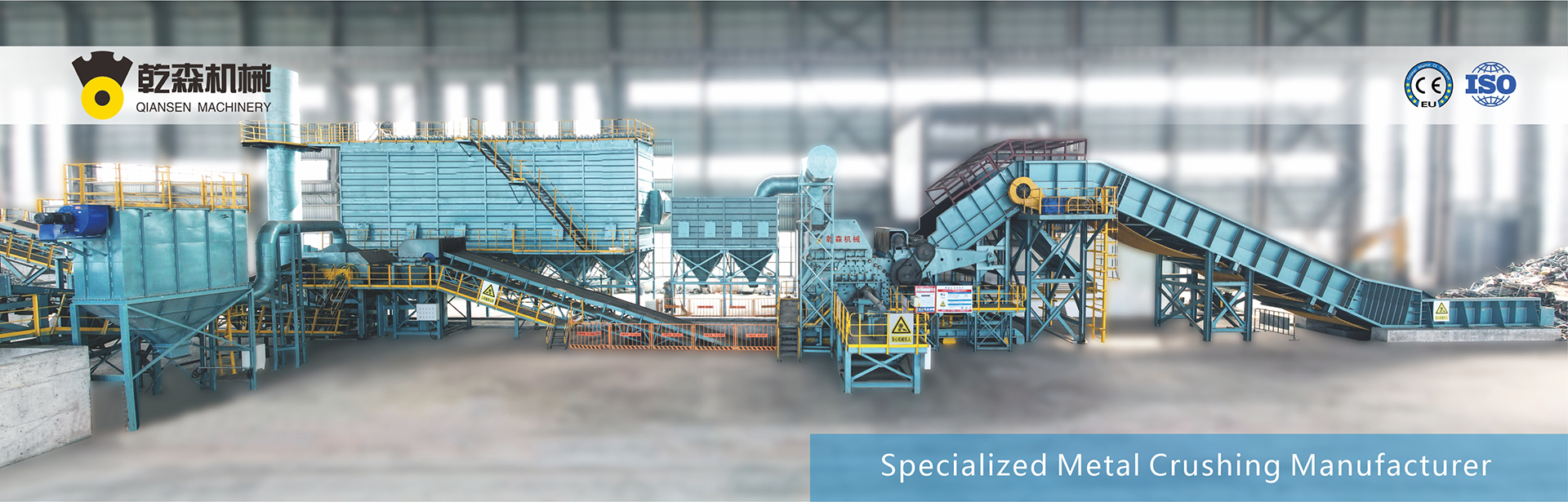
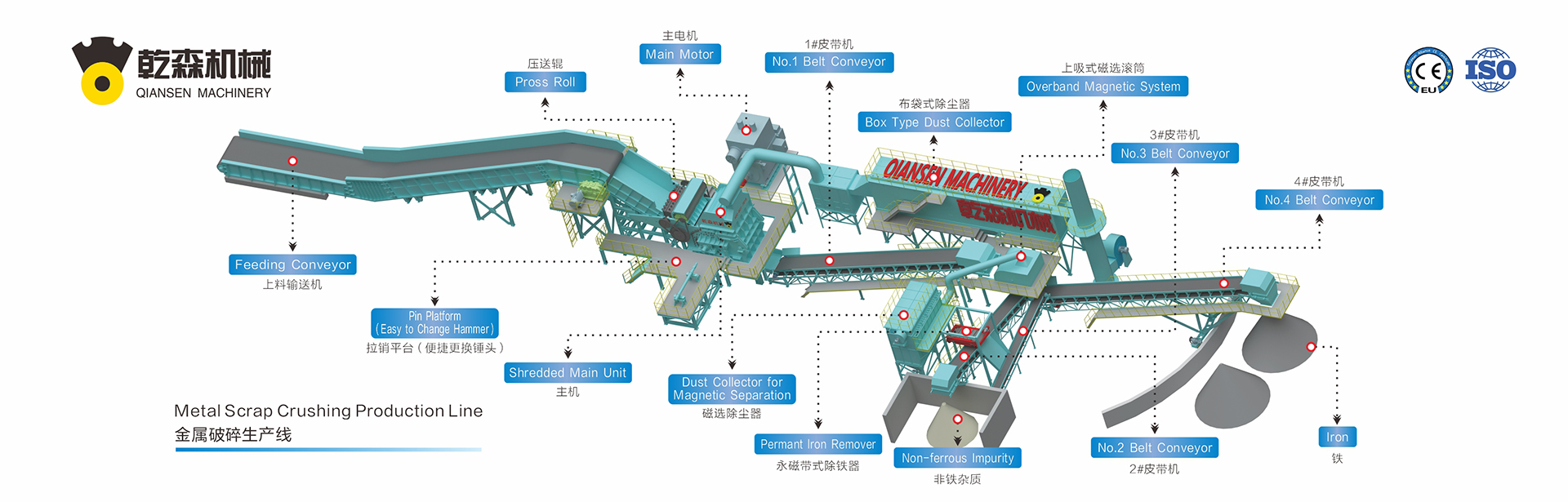
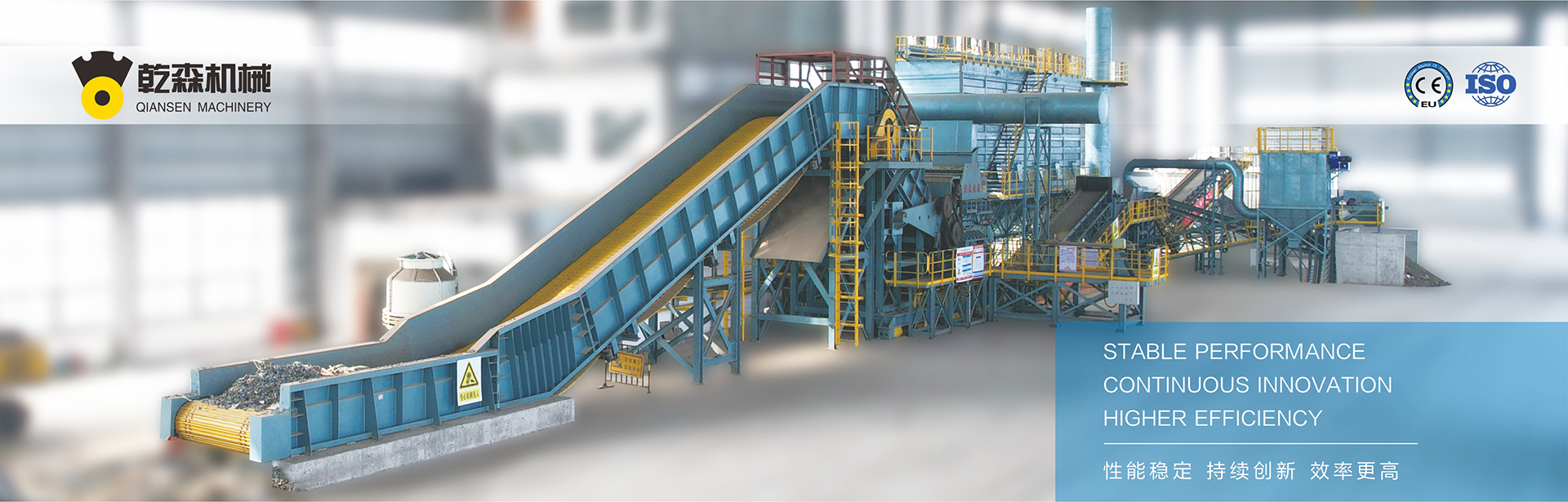
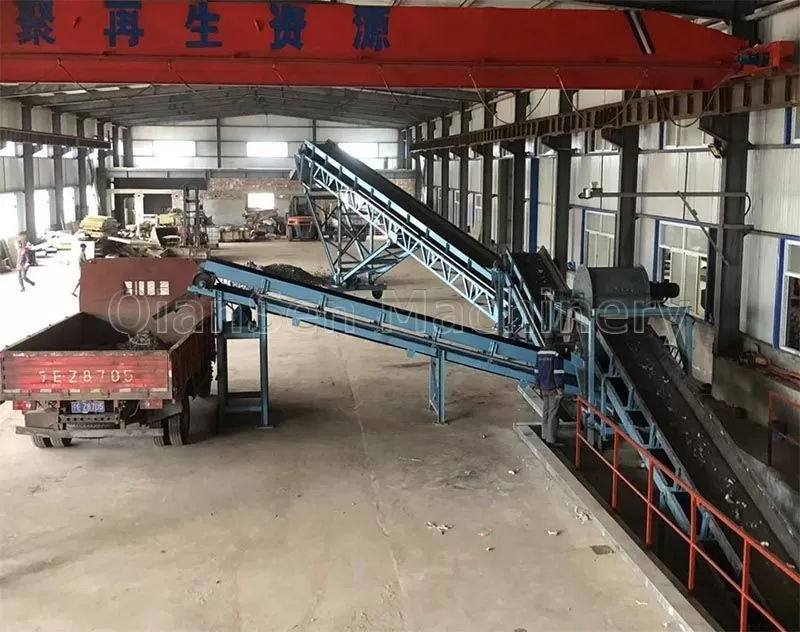
The total capital expenditure for an industrial automotive shredder plant extends far beyond the central shredding box. A complete, turn-key processing system comprises several integrated subsystems, each contributing to the total investment requirement.
Pre-Shredder Units: Low-speed, high-torque twin-shaft pre-shredders flatten and open car bodies prior to entering the main mill. This preliminary processing step reduces explosive shock loads inside the main shredder chamber, extends hammer life, and smooths out power demand peaks. Adding a pre-shredder increases initial machinery expenditure while drastically reducing long-term operational wear.
Main Hammer Mill Assembly: The main shredding box features heavy steel plate structures, manganese inner liners, anvil plates, and a heavy-duty rotor assembly. The structural mass, plate thickness, and casting quality directly dictate both durability and price.
Drive System Architecture: Direct diesel engine drives, variable-frequency AC drives, and classic slip-ring induction motors offer distinct torque performance profiles, installation demands, and equipment pricing structures.
Material Handling Systems: Heavy-duty dynamic feeding chains, discharge vibratory feeders, magnetic drum separators, air classification systems (Z-box separators), and eddy current sorters make up the downstream plant infrastructure.
Civil Works and Infrastructure: Reinforced concrete foundations, deep pit excavations, high-voltage transformer substations, sound barriers, and environmental dust collection enclosures represent major installation expenditures.
Core Engineering Variables Dictating Car Shredder Cost
Engineers design auto shredders across a vast spectrum of capacity tiers. One of the primary determining factors that affect overall car shredder cost lies in motor drive selection and available rotor inertia.
Drive Power and Throughput Ratings
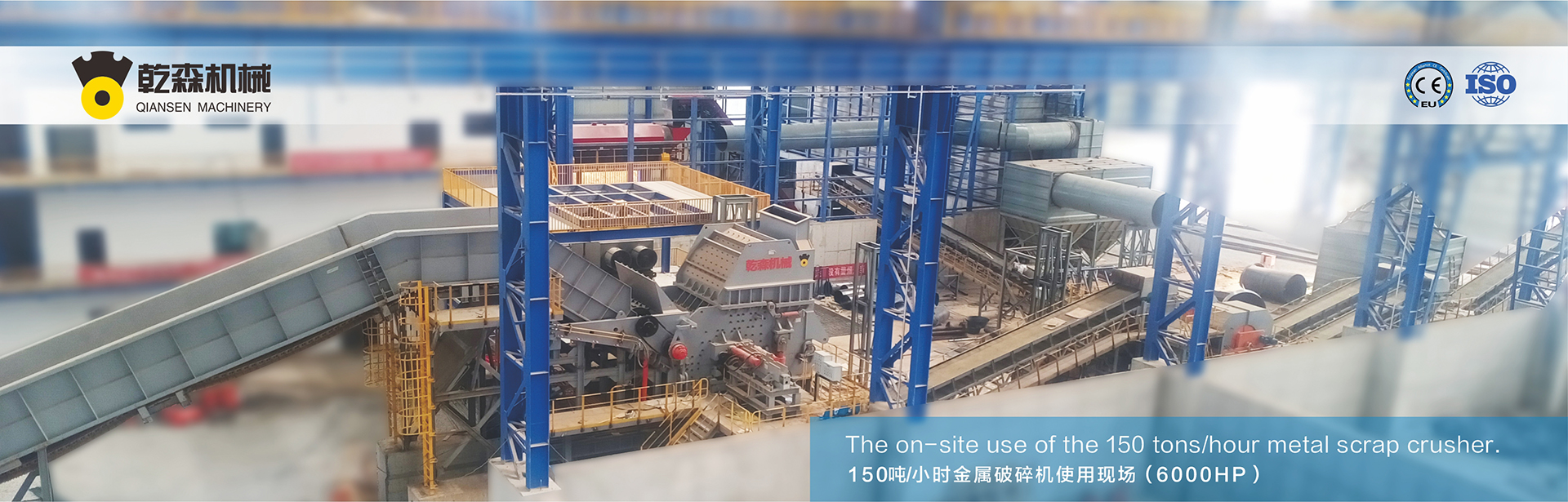
Industrial car shredders typically operate with power ratings ranging from 1,000 horsepower up to 6,000 horsepower or more. A 1,500 HP shredder line may yield between 20 to 35 tons per hour (TPH) of processed scrap, whereas a 4,000 HP system easily exceeds 100 TPH. As horsepower and structural sizing increase, manufacturing material volumes, hydraulic requirements, and electrical controls scale exponentially. This scaling directly impacts equipment acquisition costs.
Rotor Design and Hammer Configuration
The central rotor represents the most mechanically stressed component inside the hammer mill. Heavy-duty disc rotors provide high rotational inertia needed to crush dense steel, while spider rotors provide precise striking action for lighter car bodies. Modern equipment manufacturers like QianSen build heavy-duty rotor systems designed with specialized alloy shafting and protective caps to prevent premature structural fatigue under relentless high-velocity impacts.
The weight and geometry of the hammers installed on the rotor directly govern throughput density and operational power draw. Heavy hammers (ranging from 100 kg to over 250 kg each) strike with greater kinetic force, enabling the system to tear through heavy axle assemblies and frame rails, though they demand higher structural rigidity from the housing.
Downstream Separation Infrastructure and Value Extraction
The raw output from a hammer mill contains a mixture of ferrous scrap, non-ferrous metals (aluminum, copper, brass), and non-metallic Auto Shredder Residue (ASR) such as plastics, foam, rubber, and glass. Transforming raw shredded material into high-value mill-grade scrap requires complex downstream separation techniques.
Integrating additional downstream separation equipment raises initial car shredder cost, yet it drastically increases revenue per ton of processed scrap. Basic installations utilize a simple magnetic drum to extract ferrous metals, leaving non-ferrous material unseparated in the waste stream. Advanced installations deploy multi-stage recovery lines:
Air Classification (Z-Box System): High-velocity air currents draw light materials (foam, fabric, light plastics) away from the heavy shredded stream early in the process.
Primary and Secondary Magnetic Drums: Powerful permanent or electro-magnetic drums split high-purity ferrous scrap from non-ferrous fractions and residual waste.
Eddy Current Separators (ECS): High-speed rotor magnets induce eddy currents in non-ferrous metals, popping aluminum and copper off the conveyor belt into dedicated collection bins.
Optical and X-Ray Sensor Sorters: Advanced sensor sorters sort mixed non-ferrous metals (Zorba) into distinct aluminum (Zorba) and heavy non-ferrous metal (Zurik) streams, capturing top scrap market values.
Operating Expenditures: Energy, Wear Parts, and Routine Maintenance
While acquisition costs dominate early budgeting, long-term operational expenditure (OPEX) dictates profitability over the machinery's multi-decade lifecycle. Calculating the ongoing car shredder cost requires analyzing wear component replacement cycles, energy consumption rates, and labor requirements.
Manganese steel castings line the internal walls of the shredder box and form the primary wear surface for hammers, anvils, and breaker plates. Work-hardening manganese alloys harden under continuous mechanical impact, extending operational life. However, processing highly abrasive material inevitably wears down these internal parts. Operators must continuously budget for:
Hammer Replacement: Depending on feed stock cleanliness and metal thickness, hammers require tipping, rotation, or complete replacement every few hundred tons to several thousand tons of output.
Grates and Anvils: Lower discharge grates, top grates, and intake anvils experience heavy friction and require replacement on planned maintenance schedules.
Energy Consumption: Electric power consumption per ton processed varies based on operator technique, feeding consistency, and pre-shredder usage. Electrical costs represent one of the single largest ongoing utility expenses for high-tonnage processing plants.
Dust Suppression and Environmental Management: High-pressure water injection systems suppress dust and prevent internal shredder deflagrations, requiring dedicated pump stations, filtration units, and water treatment setups.
Total Cost of Ownership (TCO) for Scrap Yard Operators
Evaluating total car shredder cost involves balancing initial capital expenditure against daily operational yield and reduced downtime. A lower purchase price for a lightweight shredder frame often translates into higher structural repair costs, frequent weld maintenance, and lower throughput efficiency later on.
To establish a realistic Total Cost of Ownership model, plant managers analyze key operational variables:
1. Capital Amortization: Spreading equipment purchase, civil engineering, and installation expenses over an expected operational lifespan of 15 to 20 years.
2. Consumables per Ton: Estimating precise wear steel consumption (measured in grams of wear steel per ton of processed scrap).
3. Power Efficiency: Measuring kilowatt-hours consumed per ton of furnace-ready scrap produced.
4. Downtime Rates: Factoring in ease of maintenance. Shredders with hydraulic pin pullers, quick-opening housing doors, and accessible service platforms minimize labor hours during scheduled hammer changes.
Strategic Machinery Selection: Modular Solutions by QianSen
Selecting machinery engineered to match specific regional scrap supply profiles prevents over-capitalization while ensuring operational durability. Tailored equipment design allows yards to direct their investment toward actual processing needs without inflating the overall car shredder cost.
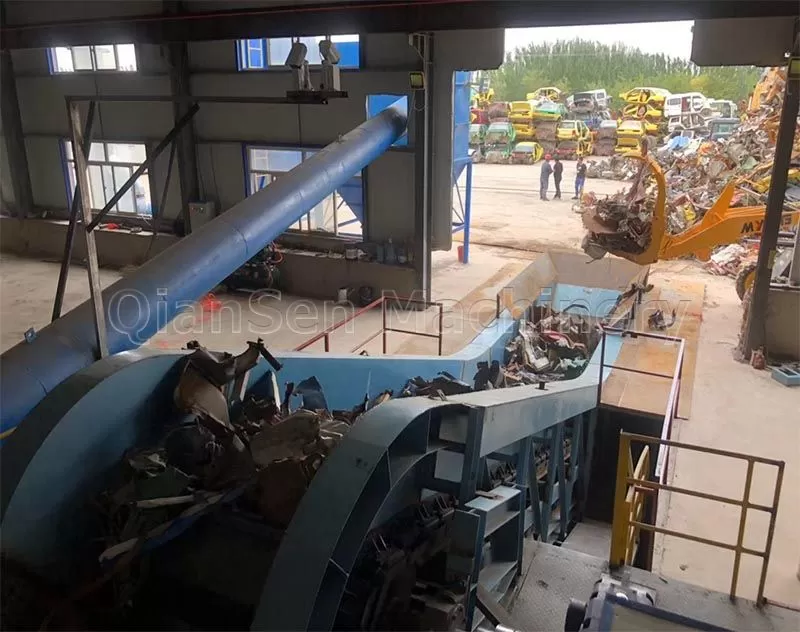
By choosing QianSen heavy machinery solutions, scrap metal recyclers gain access to modular plant engineering. Systems built with high-yield structural steel, reinforced torque tubes, and precision-balanced rotors deliver extreme impact resistance and smooth operational cycles. Custom downstream configurations ensure maximum non-ferrous recovery, allowing recyclers to extract full commercial value from every ton of processed end-of-life vehicles.
Frequently Asked Questions
Q1: What is the primary factor influencing industrial car shredder
pricing?
A1: Motor power capacity (horsepower) and structural
machine weight are the primary factors. Higher horsepower systems require
heavier frame structures, larger rotor assemblies, and expanded electrical
infrastructure, driving up base equipment pricing while yielding higher hourly
throughput.
Q2: How does adding a pre-shredder impact overall capital expenditure
and operational economics?
A2: A pre-shredder adds to initial
capital cost, but it significantly reduces overall operating costs.
Pre-shredding flattens car bodies, eliminates explosion hazards from hidden gas
tanks, reduces motor peak currents, and extends the lifespan of main hammer mill
wear parts.
Q3: How often do shredder hammers need to be replaced in daily
operations?
A3: Hammer replacement schedules depend on processing
volume, drive power, and feed material hardness. Typically, hammers are rotated
or replaced every 2,000 to 5,000 tons of processed scrap metal to maintain
optimal striking momentum and energy efficiency.
Q4: Are electric motor drives more cost-effective to operate than
diesel engines?
A4: Electric drives generally feature lower direct
maintenance costs, longer operational lifespans, and higher energy efficiency
per ton of scrap processed. However, diesel direct drives eliminate the need for
expensive high-voltage electrical substation infrastructure when setting up
operations in remote locations.
Q5: What downstream equipment yields the highest investment return in
car shredding lines?
A5: Eddy current separators (ECS) and optical
sorting units offer the highest return on investment. These systems efficiently
extract valuable non-ferrous metals such as aluminum, copper, and brass from
residual waste streams that would otherwise be discarded in landfills.
Request a Customized Machinery Quote and Site Layout Plan
Selecting the ideal shredding plant configuration requires detailed analysis of your regional scrap supply, target throughput targets, and available site power infrastructure. Evaluating your prospective project requirements with tailored engineering calculations ensures accurate capital planning and operational profitability.
Reach out to the QianSen engineering team today to receive a comprehensive technical consultation, customized plant layout proposal, and detailed investment breakdown for your metal recycling operations.