




Operational Parameters of a Machine That Shreds Metal in Large-Scale Recycling
Released on Jul. 02, 2026
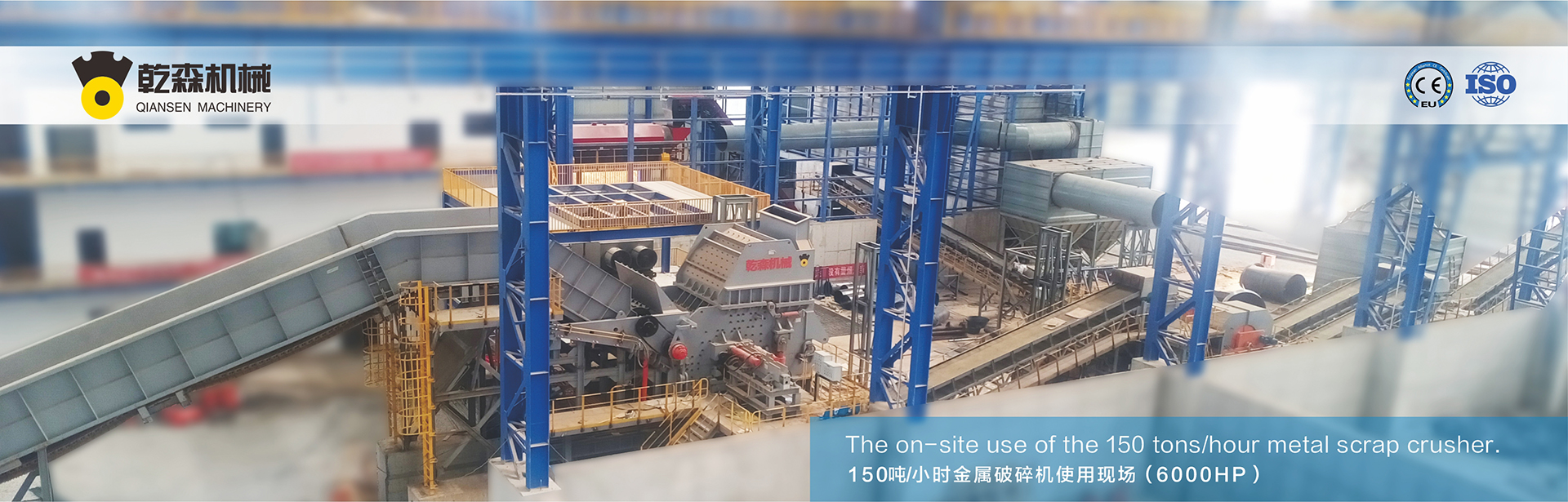
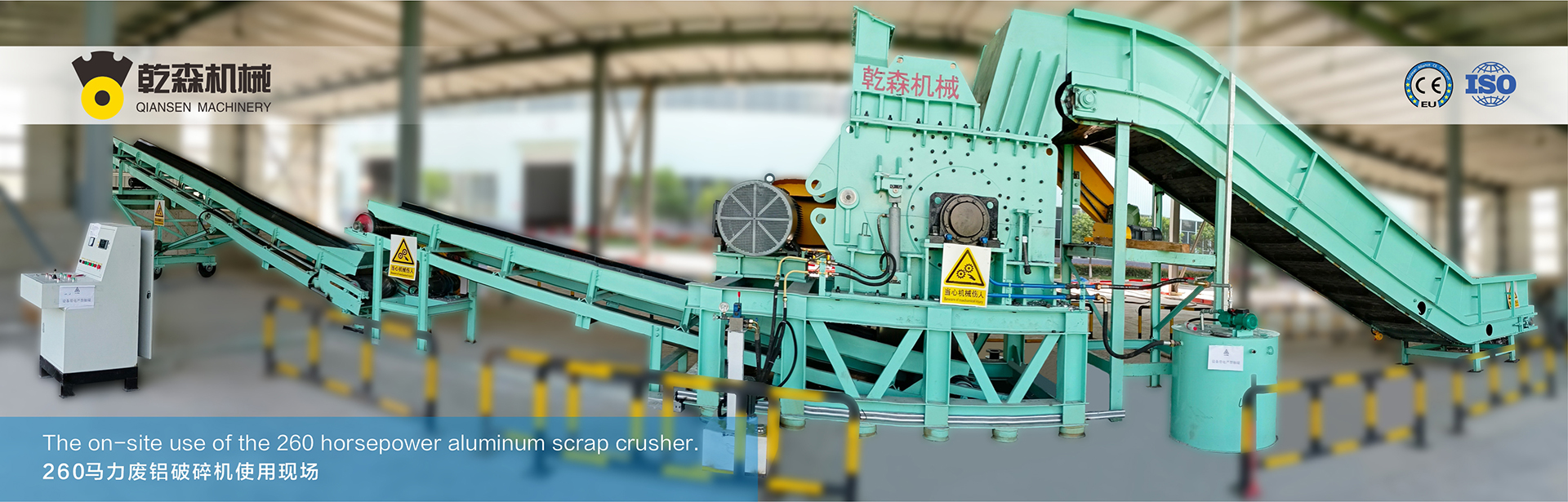
In modern scrap recycling operations, processing high volumes of industrial waste requires robust mechanical systems. Scrap yards and metallurgy plants face the constant challenge of reducing the volume of bulky metals to prepare them for smelting or transport. Deploying a reliable machine that shreds metal becomes a primary factor in maintaining consistent material flow and achieving the desired bulk density of the end product.
The efficiency of a recycling facility relies heavily on the mechanical design, drive configuration, and metallurgical properties of its shredding equipment. Selecting the appropriate machinery requires a detailed understanding of how different systems handle various alloys, structural shapes, and contaminant levels. This analysis examines the engineering principles, operational challenges, and industrial applications of modern scrap metal shredders.
Mechanical Principles of Industrial Metal Shredding
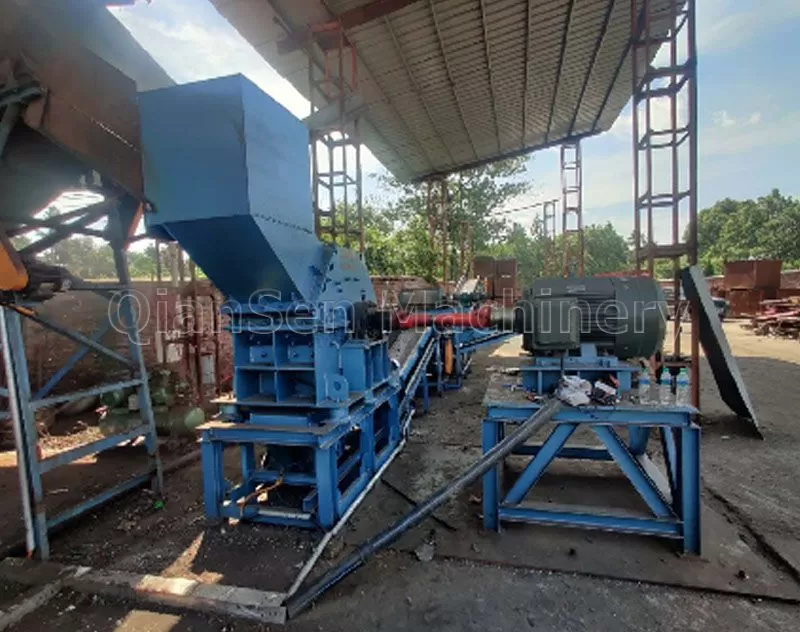
Industrial metal shredders operate using distinct mechanical methods to reduce the size of feed materials. The two primary categories of these systems are high-speed impact mills and low-speed, high-torque shear shredders. Each method suits specific material profiles and processing goals.
High-Torque, Low-Speed Dual-Shaft Shredders
Dual-shaft shear shredders utilize two parallel shafts equipped with interlocking steel blades. These shafts rotate inward at relatively low speeds, typically between 10 and 40 revolutions per minute (RPM). The cutting mechanism relies on shearing and tearing forces rather than impact.
Shearing Force: The clearance between the counter-rotating blades is tightly controlled to ensure that metal sheets, pipes, and profiles are sliced cleanly as they pass through the cutting zone.
Tearing and Hook Design: The blades feature integrated hooks that grab bulky items, such as empty drums or automotive body panels, pulling them into the main chamber.
Power Distribution: Low-speed rotation allows the drive system to generate massive torque, making these machines highly effective for processing tough, thick-walled materials without causing excessive dust or noise.
High-Speed Hammer Mills
Unlike shear shredders, hammer mills employ a rapidly spinning rotor equipped with heavy, free-swinging hammers. Operating at speeds ranging from 500 to 1,000 RPM, these systems rely on kinetic energy to shatter and densify incoming metal scrap.
The material enters the path of the rotating hammers, where repeated impacts break the metal along its natural grain boundaries or structural weaknesses. The fractured pieces are then forced against grate bars at the bottom of the chamber, which retain the material until it is small enough to pass through the openings. This process is highly effective for clean, brittle scrap but generates more noise, vibration, and fine particulates compared to low-speed shearing systems.
Addressing Key Operational Challenges in Metal Processing
Operating a heavy-duty machine that shreds metal involves managing significant physical stress on the equipment. Scrap processors must address several key operational issues to maintain continuous production and control maintenance costs.
Abrasive Wear and Blade Degradation
The continuous processing of alloy steels, structural beams, and contaminated scrap causes severe abrasive wear on the cutting tools. As blades lose their sharp edges, the clearance between the counter-rotating shafts increases, leading to a decline in shredding efficiency and a higher occurrence of material wrapping around the shafts.
To mitigate this wear, manufacturers utilize specialized alloy steels, such as D2, H13, or proprietary chromium-molybdenum-vanadium alloys. These materials undergo precise heat treatment processes to achieve a surface hardness of 55 to 58 HRC (Rockwell Hardness C scale) while maintaining sufficient core toughness to resist cracking under impact. Some modern configurations feature weld-on cladding or replaceable cutting inserts, allowing operators to rebuild worn surfaces without replacing the entire blade assembly.
Handling Unshreddable Contaminants
Scrap streams often contain heavy, solid steel components, such as engine crankshafts, thick structural columns, or solid shafts, that exceed the cutting capacity of the machine. If these items enter the shredding chamber, they can cause catastrophic mechanical failure, including shaft breakage, gear damage, or motor burnout.
Modern engineering designs incorporate automated overload protection systems to prevent such damage. These systems continuously monitor the electric motor amperage or hydraulic system pressure. When a pre-set threshold is exceeded, indicating a blockage or an unshreddable object, the control system initiates a reverse cycle. The shafts briefly rotate in the opposite direction to clear the obstruction, allowing the operator to manually remove the item or enabling the system to re-engage the material at a different angle.
Energy Consumption and Drive Efficiency
Processing structural metal demands substantial energy. Scrap yards must balance the need for high throughput with rising electricity costs. The choice of drive system—direct electric drive versus hydraulic drive—impacts overall energy efficiency and system responsiveness.
Direct electric drives, often managed by variable frequency drives (VFDs), offer high power transmission efficiency and precise speed control. Hydraulic drives, however, provide superior torque characteristics at low speeds and inherent shock absorption. When a hydraulic system encounters a sudden obstruction, the system pressure relief valves open, protecting the mechanical drive train from sudden shock loads. Evaluating these drive configurations is a necessary step during the procurement process.
Engineering Solutions by QianSen
In the field of scrap metal processing equipment, QianSen focuses on manufacturing heavy-duty systems designed for demanding industrial environments. By prioritizing structural durability and precise engineering, QianSen addresses the common operational pain points faced by recycling yards and metal processing plants.
The machinery produced by QianSen features heavy-walled, welded steel frames that undergo stress relief heat treatment to prevent deformation under continuous load. The bearing blocks are mounted outside the cutting chamber, preventing metal dust and fine contaminants from migrating into the lubrication seals. This external mounting design significantly extends bearing life and simplifies routine maintenance procedures.
Furthermore, QianSen integrates advanced PLC monitoring systems into its shredder lineups. These systems collect real-time data on bearing temperatures, motor loads, and hydraulic oil conditions, enabling operators to identify potential maintenance needs before they lead to unplanned downtime. The customized blade profiles developed by QianSen ensure clean cuts and uniform output size, helping scrap yards meet the strict density requirements of metal buyers.
Industrial Applications of Metal Shredding Systems
A machine that shreds metal is utilized across a wide range of industrial sectors, each requiring specific output characteristics and throughput capabilities.
End-of-Life Vehicle (ELV) Processing
Automotive recycling facilities handle complex material compositions, including steel body panels, aluminum engine blocks, copper wiring, plastics, and glass. High-capacity shredding systems reduce entire car chassis into small, manageable fragments within seconds.
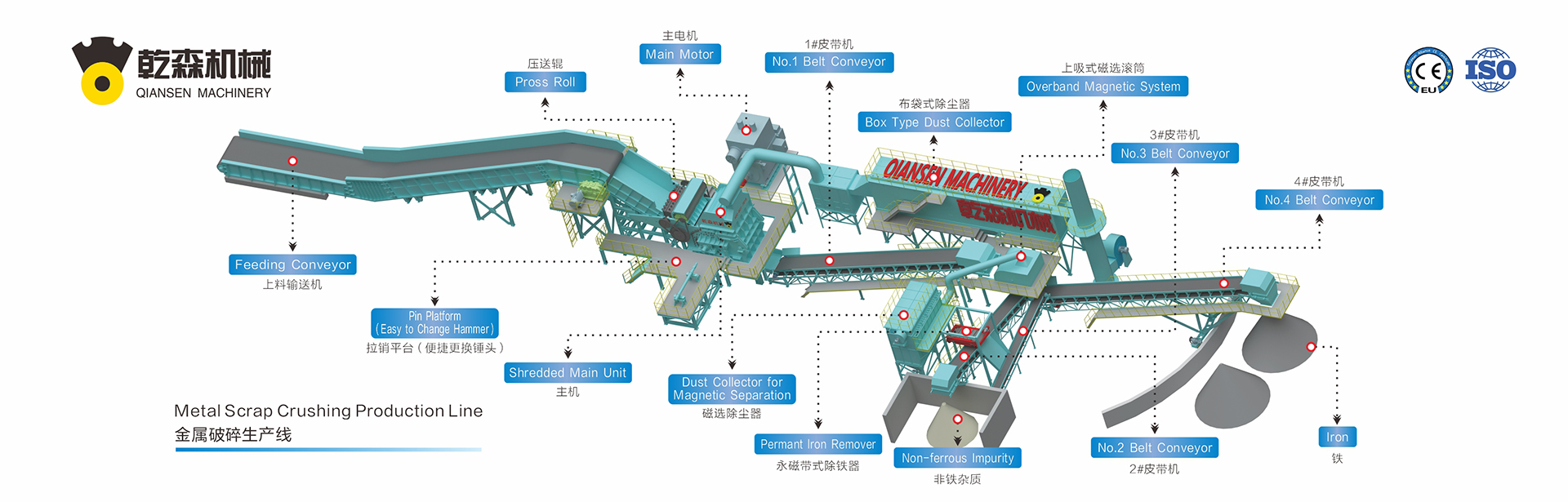
Following the shredding stage, downstream separation equipment—such as magnetic pulleys, eddy current separators, and air classifiers—isolates the ferrous metals, non-ferrous metals, and non-metallic residues. This automated separation maximizes the recovery rate of valuable copper and aluminum while ensuring the ferrous scrap is clean and ready for steel mill consumption.
Electronic Waste (WEEE) and Appliance Recycling
Household appliances, consumer electronics, and industrial electrical equipment contain high concentrations of valuable metals mixed with plastics and printed circuit boards. Processing these items requires a controlled size-reduction step to liberate the bonded materials without pulverizing them into unrecoverable dust.
Low-speed dual-shaft shredders are commonly used as primary processors in e-waste lines. They cut the assemblies into uniform strips, releasing the circuit boards, wires, and aluminum casings. This controlled fragmentation allows downstream optical and electrostatic sorting systems to separate the materials with high precision.
Industrial Scrap and Drum Shredding
Manufacturing facilities generate significant quantities of metal turnings, stampings, skeleton sheets, and off-cuts. Additionally, chemical and logistics operations produce empty steel drums and intermediate bulk containers (IBCs) that require safe disposal. Shredding these items reduces their volume by up to 80%, lowering shipping costs and facilitating melting in electric arc furnaces.
Key Selection Criteria for Scrap Processing Machinery
Acquiring a machine that shreds metal requires a thorough analysis of operational variables to ensure long-term equipment compatibility and return on investment.
| Factor | Key Considerations | Operational Impact |
|---|---|---|
| Material Composition | Alloy types, material thickness, presence of contaminants | Determines required blade metallurgy, shaft torque, and horsepower. |
| Throughput Goals | Metric tons per hour, daily operating hours | Influences chamber size, motor power rating, and feeding system design. |
| Target Output Size | Desired density, maximum permissible dimensions | Dictates blade width, hook profile, and the need for sizing screens. |
| Site Infrastructure | Available power supply, floor space, crane accessibility | Determines drive type (electric vs. diesel-hydraulic) and layout. |
By carefully evaluating these parameters alongside experienced manufacturers, recycling operations can install a processing system that meets current production demands while allowing for future capacity adjustments.
Operational Inquiries and Technical Support
Selecting the correct machinery for industrial metal recycling is a complex decision that depends on feed materials, local power constraints, and downstream separation requirements. QianSen provides comprehensive technical consultation to help processors identify the exact equipment configurations needed for their specific operations. To receive a detailed mechanical proposal, system layout drawing, or a customized quote for your facility, please submit an inquiry to the QianSen engineering department.
Frequently Asked Questions
Q1: What is the main difference between a dual-shaft shear shredder and a hammer mill?
A1: A dual-shaft shear shredder operates at low speeds with high torque, using sharp blades to cut and tear metal. This method generates low noise and dust. A hammer mill operates at high speeds, using heavy hammers to crush and shatter metal via kinetic impact, which is highly effective for densification but creates more noise and vibration.
Q2: How do industrial metal shredders handle thick structural steel or solid shafts?
A2: Most standard shredders cannot process thick solid steel columns or heavy engine crankshafts. To protect the machine, automated PLC systems monitor motor amperage or hydraulic pressure. If an unshreddable object is detected, the system automatically reverses the shaft rotation to clear the chamber, allowing the operator to safely remove the object.
Q3: How often do the blades of a machine that shreds metal need to be replaced?
A3: Blade lifespan depends on the abrasiveness of the feed material and the alloy quality of the blades. In typical scrap processing operations, blades may require inspection every few hundred operating hours. Many operators use hardfacing welding techniques to rebuild worn blade edges, which extends their operational life and delays complete replacement.
Q4: Why is downstream separation equipment necessary after the shredding stage?
A4: A metal shredder only reduces the physical size of the waste material. Downstream equipment, such as magnetic separators, eddy current separators, and air classifiers, is necessary to separate ferrous metals, non-ferrous metals (like copper and aluminum), and non-metallic waste, ensuring high-purity materials for sale.
Q5: Can a hydraulic drive shredder handle shock loads better than an electric drive?
A5: Yes. Hydraulic drive systems have inherent pressure relief mechanisms that open during sudden blockages, absorbing shock loads and protecting the mechanical gearbox and shafts. Electric drives can also handle shock loads, but they require fast-acting variable frequency drives and robust mechanical coupling systems to prevent drive train fatigue.