




How to Choose the Right Metal Can Shredder for Your Scrap Recycling Plant
Released on Sep. 01, 2026
Scrap metal recycling facilities face a common operational hurdle: handling hollow, bulky, and lightweight waste. Used beverage cans (UBCs), tin food cans, paint containers, and aerosol drums consume massive warehouse space and skyrocket freight expenses. Melting whole cans directly also leads to severe oxidation losses in the furnace.
Investing in a heavy-duty metal can shredder solves these challenges by drastically reducing volume and improving bulk density. However, not all machines deliver the same efficiency. Choosing the wrong equipment leads to frequent blade chipping, excessive downtime, and poor separation downstream. In this guide, QianSen breaks down the essential technical considerations to help you select the ideal shredder for your recycling line.
1. Identify Your Feedstock and Material Characteristics
Before reviewing machine specs, you must define the exact scrap materials entering your processing line. Different types of metal cans exhibit distinct shear strengths and contamination risks:
Aluminum Used Beverage Cans (UBC): Soft, ductile, and light. They require sharp cutting edges and optimized shearing clearance to prevent material jamming or tearing instead of clean cutting.
Tinplate & Steel Food Cans: Harder than aluminum. Processing these requires high-tensile rotor shafts and tougher tool steels to resist abrasive wear over long shifts.
Aerosol Cans and Paint Drums: These post-consumer containers often contain volatile residues or flammable gases. Processing them requires specialized safety configurations, such as nitrogen purging systems, explosion-proof motors, and sealed enclosures.
Feeding mixed metals into an undersized shredder quickly damages critical drive components. Clear feedstock identification guarantees that your chosen scrap metal shredder machine has the correct drive torque and blade hardness.
2. Select the Right Shredding Mechanism
Different scrap preparation goals call for different cutting and crushing dynamics. The two primary mechanical configurations used in scrap plants are dual-shaft shredders and hammer crushers.
Double Shaft Metal Shredder (Shear Type)
A double shaft metal shredder uses two counter-rotating shafts equipped with hooked blades running at low speed and high torque. As the hooks grab the metal cans, they pull them through the cutting chamber, slicing them into uniform strips.
Best for: High-volume size reduction, handling dense can bales, and processing mixed light scrap.
Advantages: Low dust, minimal noise, low power consumption per ton, and high resistance to unshreddable foreign objects.
Vertical Can Crusher / Hammer Mill
Unlike slow-speed shears, a tin can crusher or hammer mill operates at high speeds (600–1200 RPM). It beats the cans against internal breaker plates and sizing screens.
Best for: Paint stripping, de-labeling, and densifying loose cans into rounded, high-density metal pellets (nuggets).
Advantages: Higher bulk density for direct smelting and better paint removal, though it demands higher energy and more frequent wear-liner replacements.
3. Evaluate Blade Metallurgy and Manufacturing Precision
Blades are the heart of any industrial can shredder. The material chemistry, heat treatment, and precision fit of the cutting knives dictate your ongoing operating costs.
Selecting the proper alloy grade depends on the primary scrap type:
Cr12MoV / D2: Excellent cold-work tool steels with high hardness and moderate wear resistance. Ideal for clean aluminum UBC processing.
SKD-11: High-carbon, high-chromium steel that provides balanced toughness and edge retention under cyclic impact.
Forged Alloy with Hardfacing Overlays: Specialized alloy steels coated with tungsten carbide or high-chromium welding layers for heavy steel cans and contaminated post-consumer bales.
Beyond material composition, manufacturing precision is crucial. Equipment from an established scrap recycling equipment manufacturer like QianSen utilizes CNC five-axis milling and precision grinding. This ensures blade tolerances within 0.05 mm, preventing material slippage and reducing drive friction.
4. Match Production Capacity and Drive Systems
Sizing your shredder requires matching your daily throughput with the right power rating. Running an undersized motor causes frequent stalling and thermal tripping, while an oversized unit consumes unnecessary electricity.
Small Scrap Yards (500 kg/h – 1.5 t/h): Compact electric twin-shaft units (15 kW to 37 kW) easily handle loose cans and small bundles.
Medium Processing Centers (2 t/h – 5 t/h): Heavy-duty shredders (45 kW to 90 kW) equipped with planetary gear reducers to process loose cans and flattened scrap.
Industrial Recycling Plants (5 t/h – 20+ t/h): High-output systems powered by dual electric motors (110 kW+) or hydraulic drives, capable of chewing through whole baled UBC stacks without pre-sorting.
For high-capacity operations handling dense bales, hydraulic drive systems offer smooth, stepless speed control and immediate overload reversing protection, shielding the transmission from sudden torque spikes.
5. Ensure Seamless Downstream System Integration
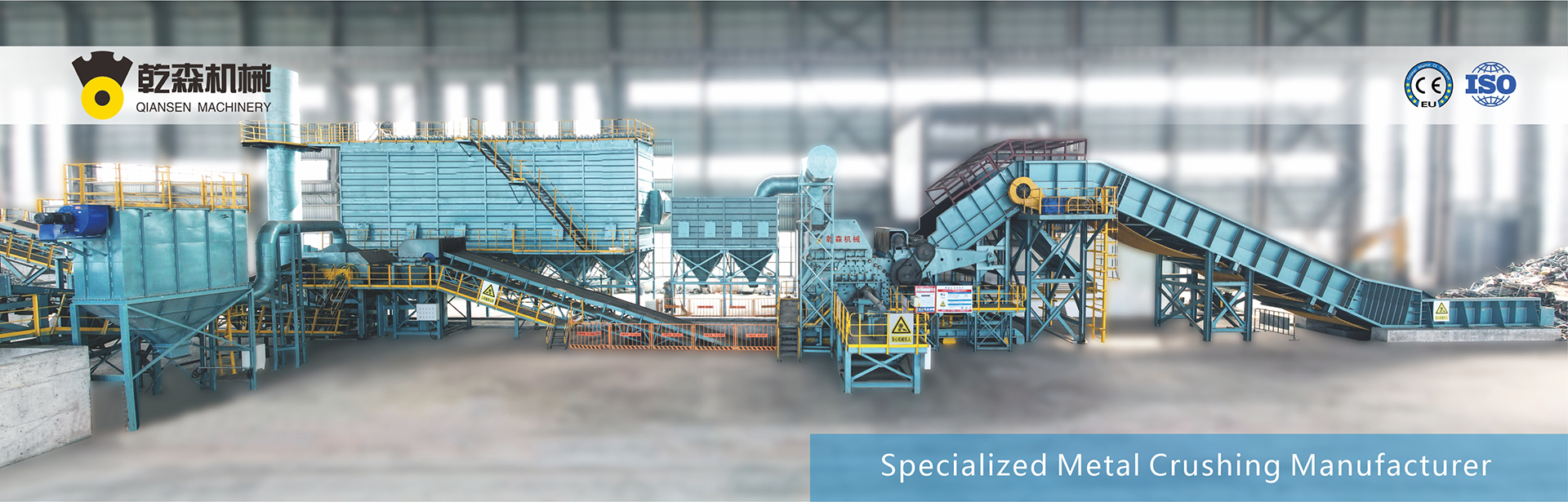
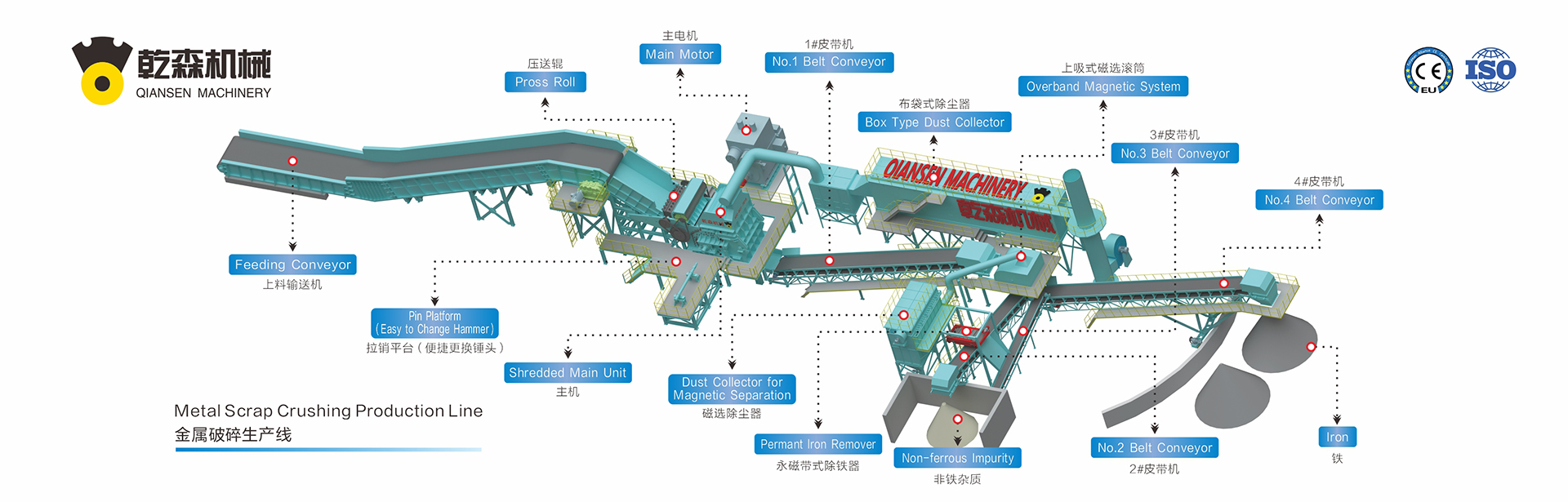
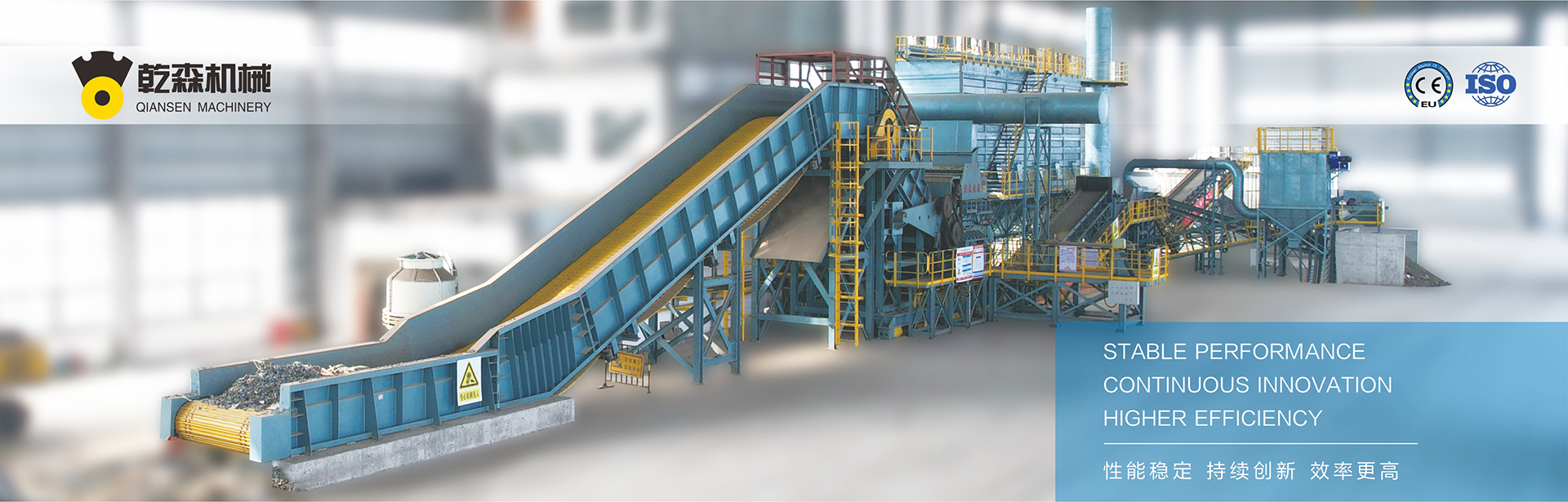
Shredding is rarely a standalone step. A high-efficiency metal recycling plant relies on a continuous, automated processing line. Your aluminum UBC shredder must connect seamlessly with sorting and conveying equipment:
Infeed Conveyors: Heavy-duty steel apron or inclined rubber belt conveyors with variable frequency speed control ensure consistent feeding into the shredder hopper.
Overband Magnetic Separators: Positioned above the discharge conveyor to automatically extract ferrous tin cans from non-ferrous aluminum shreds.
Eddy Current Separators (ECS): Essential for separating fragmented aluminum cans from non-metallic contaminants (plastics, rubber, dirt).
Air Classification Systems: Remove light paper labels, dust, and plastic foils, raising the metal purity for secondary smelters.
Total Cost of Ownership (TCO) and ROI Analysis
When purchasing recycling machinery, looking only at the initial sticker price is a critical mistake. Budget-grade shredders made from sub-standard steels often suffer from frame cracking, rapid blade blunting, and transmission failures within months.
To evaluate true Return on Investment (ROI), consider three ongoing cost factors:
Energy Consumption: Modern gear designs and smart reversing programs cut idle power draw by up to 20%.
Wear Part Longevity: High-precision, surface-hardened blades double the operating hours between re-sharpening cycles.
Downtime Costs: Quick-change rotor assemblies allow your maintenance team to replace worn knives in hours instead of days.
By producing clean, uniform, and high-density scrap shreds, you maximize your selling price per ton while minimizing shipping container volumes.
Why Partner with QianSen for Your Recycling Equipment?
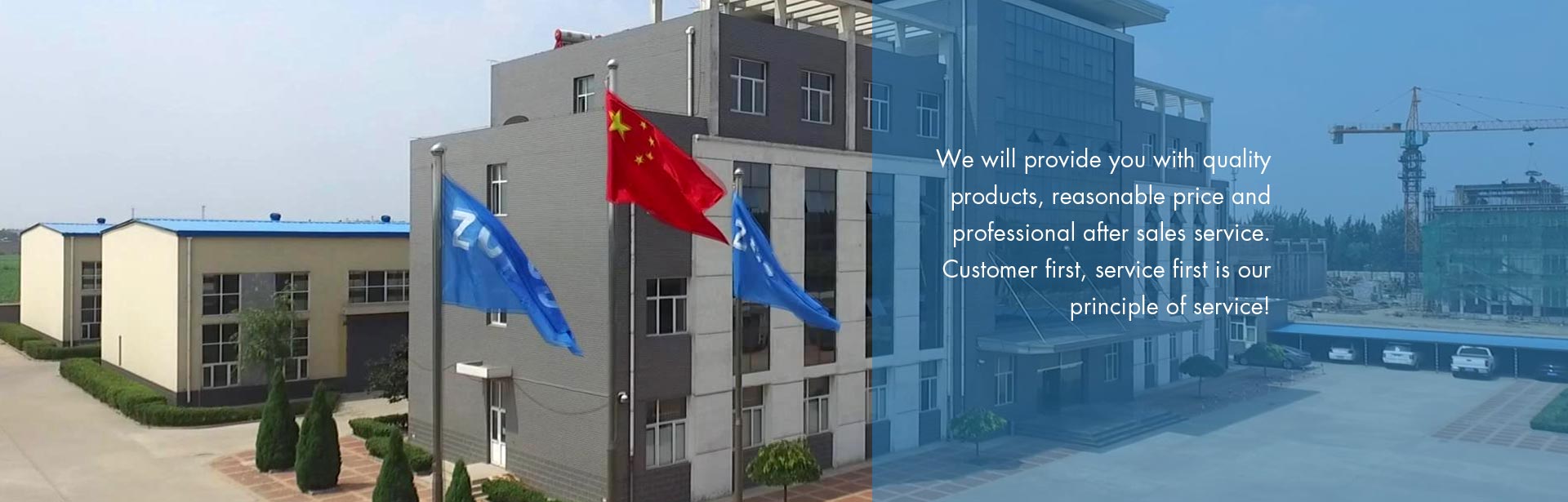
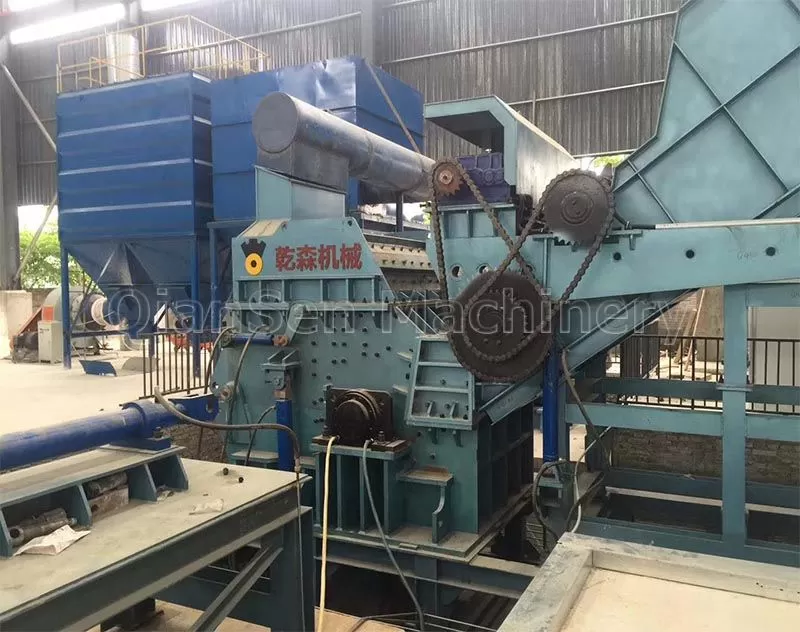
Selecting the right equipment builder ensures reliable long-term performance. QianSen combines deep engineering expertise with advanced manufacturing infrastructure to deliver robust scrap processing machinery:
Large-Scale Manufacturing Facility: Our production base spans 20 acres with 47,000 square meters of modern factory floor space, giving us the scale to build everything from stand-alone units to massive automated lines.
100+ Advanced CNC Machining Centers: We maintain complete in-house control over cutting, milling, boring, grinding, and welding. This high level of machining precision guarantees shaft alignment and extended mechanical service life.
20+ Years of Engineering Heritage: Integrating proven structural designs and international metallurgy standards, QianSen machinery is engineered to endure harsh recycling environments.
Custom Turnkey Engineering: We tailor complete scrap metal shredding, sorting, and dust collection systems specifically to your operational footprint and processing targets.
Frequently Asked Questions (FAQ)
Q1: What is the optimal blade steel for processing aluminum UBCs and
tin cans?
A1: For clean aluminum UBCs, high-carbon, high-chromium
tool steels like D2 or SKD-11 provide exceptional edge retention. When
processing mixed scrap containing harder steel tinplate cans, tempered alloy
tool steels with carbide weld overlays offer greater fracture toughness against
impact.
Q2: Can a double shaft metal can shredder safely process aerosol and
paint cans?
A2: Yes, but the machine must feature specialized safety
modifications. These include explosion-proof drive motors, continuous nitrogen
gas inerting systems to displace oxygen inside the chamber, spray mist
suppression, and heavy-duty enclosed infeed hoppers.
Q3: How much volume reduction can I achieve with a metal can
shredder?
A3: A standard twin-shaft shredder reduces the physical
volume of loose cans by 60% to 80%. When combined with a downstream hammer mill
or densifier, volume reduction can exceed 85%, significantly lowering freight
and container storage costs.
Q4: How do I separate mixed aluminum and steel cans after
shredding?
A4: An inline automated sorting line uses a
high-intensity overband cross-belt magnet or magnetic head pulley immediately
after the shredder discharge to extract the magnetic steel/tin cans. The
remaining non-ferrous stream is then cleaned by an eddy current separator to
isolate pure aluminum shreds.
Q5: What routine maintenance ensures a long lifespan for an
industrial can shredder?
A5: Daily maintenance involves checking
blade cutting clearances, clearing wrapped wire, inspecting automatic
lubrication points on the main bearings, and monitoring gearbox oil levels.
Regularly checking drive torque and motor amp draws will quickly alert you to
blunted cutting edges.
Take Your Recycling Operation to the Next Level
Upgrading your processing line with a high-performance metal can shredder increases processing volume, cuts transport costs, and boosts scrap purity. Partnering with an experienced manufacturer ensures you get the right balance of torque, blade metallurgy, and operational longevity.
Contact the QianSen technical team today to request a free scrap material evaluation, equipment sizing consultation, and customized plant layout drawing tailored to your facility.