




Improving Material Density and Shipping Costs with a Compact Metal Shredder
Released on Jul. 06, 2026
The economics of scrap metal processing are changing due to rising fuel costs, tighter municipal zoning laws, and the decentralization of manufacturing centers. Large recycling hubs historically relied on massive, centralized shredding operations to process mixed metals. However, the logistics of transporting loose, low-density scrap metal over long distances present financial inefficiencies. This dynamic creates a demand for localized shredding solutions. Integrating a compact metal shredder at the point of scrap generation or at regional collection depots allows operators to increase bulk density before transit. This approach minimizes transport emissions and maximizes the scrap value per truckload.
For mid-sized scrap processors, industrial manufacturers, and regional recycling centers, spatial limitations are a constant operational challenge. Standard scrap processing machinery often requires substantial floor space, high-voltage electrical infrastructure, and extensive concrete foundations to absorb heavy vibrations. A compact metal shredder provides a practical alternative, delivering high shearing force and material size reduction within a fraction of the physical footprint of traditional hammer mills.
Mechanical Architecture and Rotor Configurations
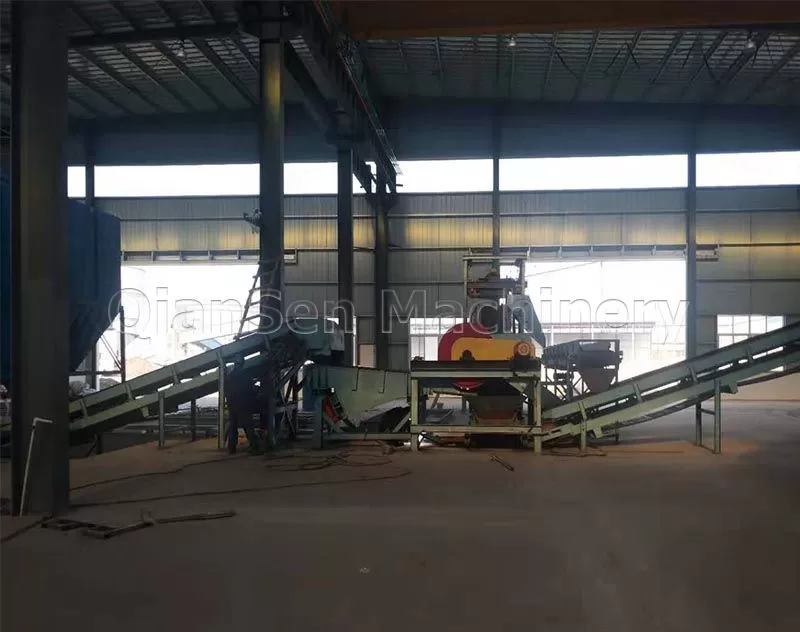
Understanding the mechanical configuration of a compact metal shredder requires examining the two primary machine designs used to achieve size reduction: twin-shaft shear shredders and small-footprint hammer mills. Each design employs a distinct method to break down metals, and the choice between them depends on the specific material stream being processed.
Twin-Shaft Shear Shredders
The twin-shaft shear design operates at relatively low speeds, typically between 15 to 40 RPM. It relies on torque rather than velocity to pull materials through interlocking cutters. The mechanical advantage of this system is its ability to handle thick metal plates, wires, and complex assemblies without generating excessive dust or noise. The cutters are machined from high-grade alloy steel, which undergoes specialized heat-treatment cycles to reach a high surface hardness. This hardness must be balanced against impact toughness to prevent fracturing when un-shreddable components enter the cutting chamber.
As the shafts rotate in opposite directions, the cutter teeth hook the scrap material and draw it through the cutting gap. The spacing between the cutters determines the width of the shredded output, while the hook configuration determines the length of the pieces. This low-speed operation generates minimal heat, reducing the hazard of dust explosions or fires when processing materials contaminated with oils or residues.
Small-Footprint Hammer Mills
Alternatively, some compact designs utilize a high-speed rotor outfitted with free-swinging hammers. This configuration relies on kinetic energy to shatter brittle metals, such as cast aluminum, turnings, and electronic scrap housings. The material is hammered against stationary breaker bars until it is small enough to pass through a discharge screen. This process produces a highly dense, clean, and rounded scrap product, which is highly sought after by secondary smelters due to its excellent melting efficiency.
Addressing Footprint Constraints and Structural Stresses
Operating a recycling facility in an urban or semi-industrial zone means dealing with high real estate costs and strict environmental guidelines. A massive shredding plant requires heavy concrete foundations, safety buffer zones, and dedicated sub-stations. On the other hand, a compact metal shredder is engineered to distribute its weight and operational forces evenly, allowing for installation on standard reinforced concrete factory floors.
To achieve this structural stability without relying on sheer mass, equipment manufacturers like QianSen focus on frame design and vibration isolation. The structural frame of the machine is constructed from heavy-section welded steel plates that undergo stress-relieving processes post-welding. This step prevents the structural welds from fatiguing over thousands of hours of processing high-strength metals.
Vibration isolators, such as heavy elastomeric dampening pads or spring-loaded mounts, are positioned beneath the machine base. These components absorb the shock loads generated during the shredding process, preventing the transmission of kinetic energy into the surrounding building structure. Consequently, operators can install these machines inside existing warehouses or close to the manufacturing lines that generate the metal off-cuts, avoiding the need for dedicated outdoor enclosures.
Power Systems and Energy Consumption
Power transmission is another area where design choices directly affect operational costs. Mega-watt shredders demand high-voltage grid connections and dedicated transformers, representing a major barrier to entry for smaller facilities. A compact metal shredder is designed to operate on standard industrial electrical supplies, utilizing motors ranging from 45 kW to 110 kW.
To prevent electrical overload during peak torque demands, these shredders employ sophisticated drive management systems. In electric-drive models, heavy-duty gearboxes are paired with frequency converters to manage rotational speed and absorb shock loads. In hydraulic-drive configurations, an electric motor powers a high-pressure hydraulic pump, which in turn drives radial piston motors attached directly to the shredder shafts. The hydraulic drive provides an inherent buffer against sudden stops. When the chamber encounters an un-shreddable object, the hydraulic pressure rises, triggering an automatic reverse cycle to clear the obstruction. This design feature prevents damage to the shafts and drive teeth.
Material Compatibility and Operational Output
A compact metal shredder is highly versatile, handling diverse waste streams that are common in regional recycling depots and industrial manufacturing facilities. The machinery is designed to process:
Light iron and stamping off-cuts from metal fabrication shops.
Aluminum profiles, window frames, and used beverage cans (UBCs).
Electronic waste (WEEE), including server racks, hard drives, and communication equipment.
Copper-aluminum radiator cores and insulated wires.
Automotive components, such as starter motors, alternators, and light body panels.
The primary goal of processing these materials is density improvement. Raw aluminum extrusion scrap, for example, has a low bulk density, meaning that shipping containers reach their volume limit long before they reach their weight limit. After processing through a compact metal shredder, the bulk density can increase significantly, turning loose scrap into high-density, easily transportable material. This density improvement directly translates to lower freight costs and a stronger negotiating position when selling to foundries.
Engineering Solutions for Wear Control and Machine Longevity
Because processing scrap metal involves continuous friction and impact, the construction of the shredder frame and the design of its wear components determine the total cost of ownership. The internal surfaces of the cutting chamber are subject to severe abrasion, which requires protective measures to prevent structural wear.
The interior of the cutting chamber is protected by replaceable wear-resistant liners. These liners are typically manufactured from manganese steel or alloyed plates like Hardox. Instead of being welded permanently to the frame, these plates are bolted, allowing for straightforward replacement during routine maintenance intervals. This design protects the core frame of the machine, extending the overall service life of the equipment.
Bearing design is another important factor in maintaining continuous operation. Non-ferrous scrap, particularly circuit boards and aluminum wire, generates fine, abrasive dust. If this dust enters the bearing assemblies, it causes rapid wear and heat buildup. QianSen designs utilize outboard bearing housings separated from the main chamber by labyrinth seals and grease barriers, preventing dust migration and extending the lifespan of the bearings.
Integrating Downstream Separation and Material Handling
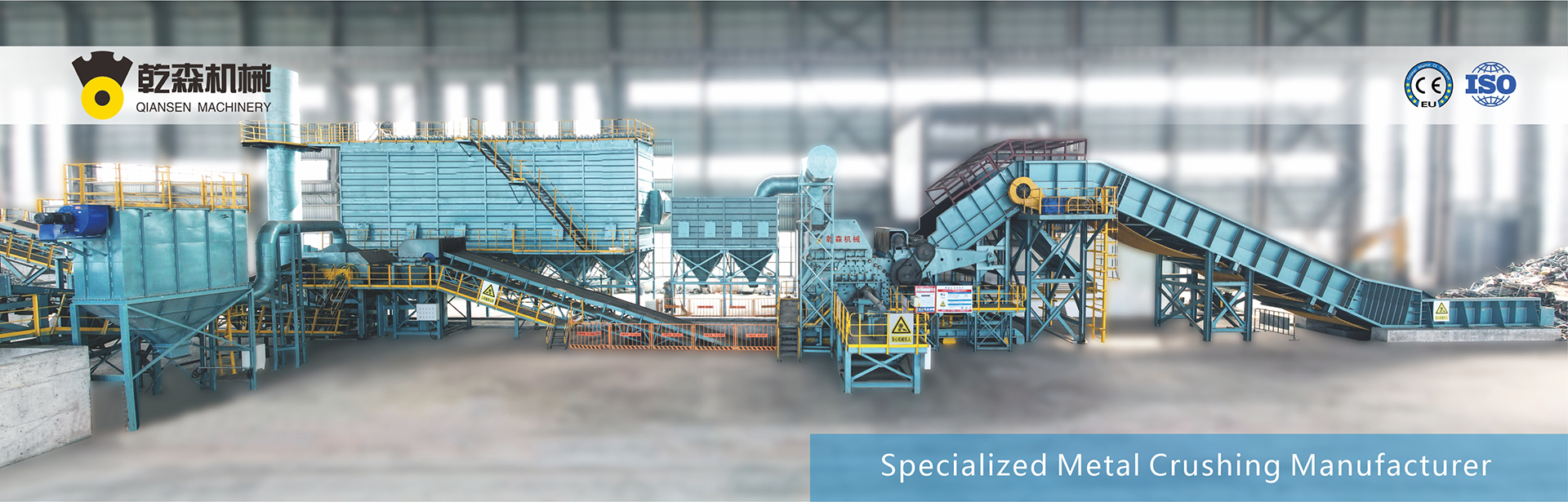
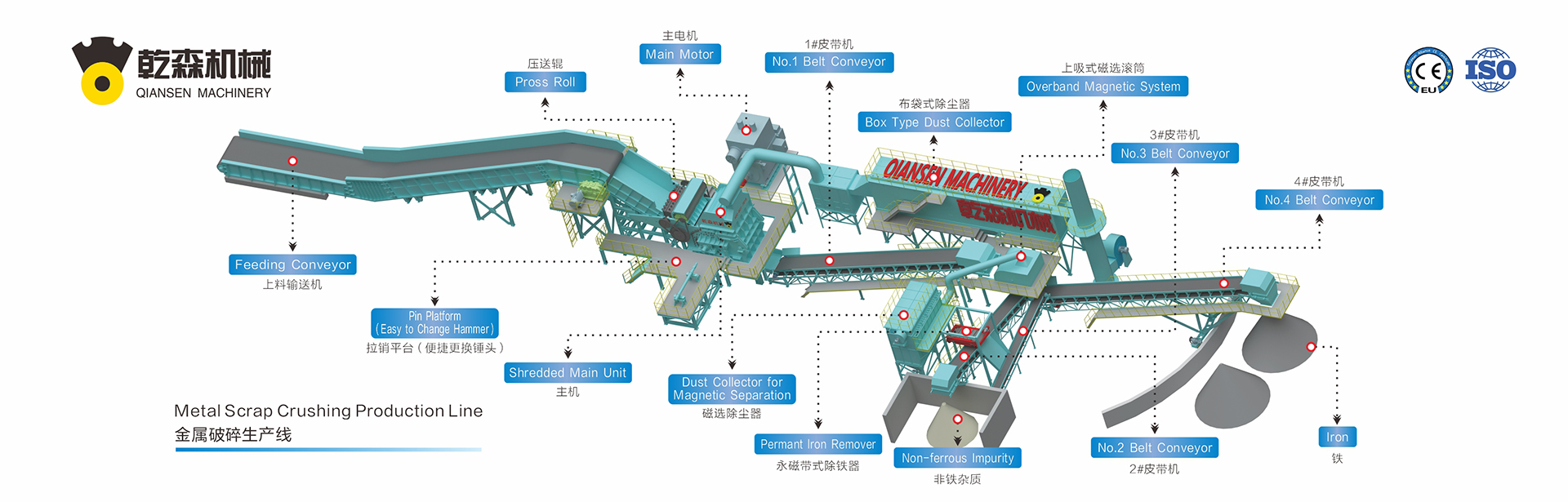
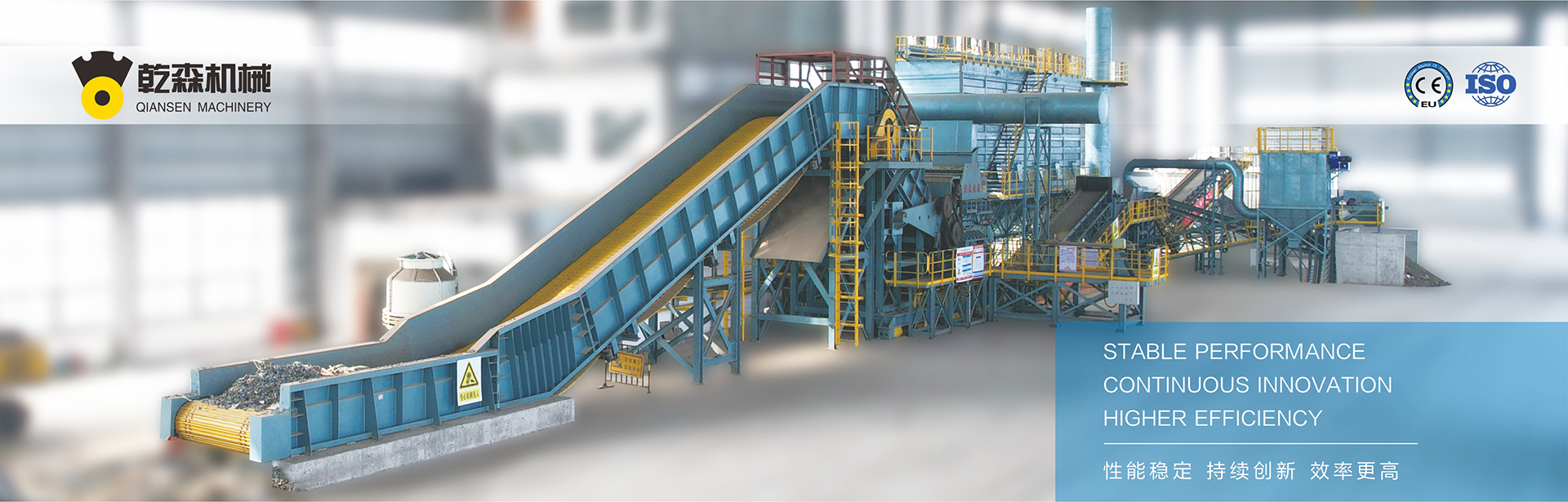
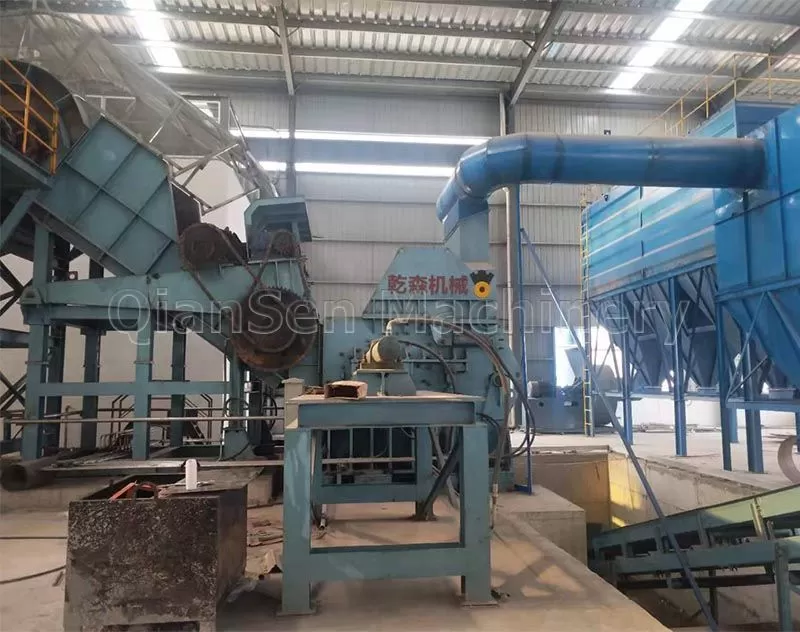
A compact metal shredder does not work in isolation. To maximize its value within a recycling workflow, it must be integrated into a larger processing circuit. A typical compact configuration includes:
Infeed Systems: Inclined belt conveyors or vibrating feeders regulate the flow of material into the hopper, preventing bridging and choking.
Magnetic Separation: Below the shredder discharge, a conveyor belt transports the shredded material beneath a rare-earth over-belt magnet. This magnetic separator extracts ferrous metals, leaving clean non-ferrous metals to be collected separately.
Dust Management: Localized dust extraction hoods and cyclone separators capture particulate emissions, which is highly necessary when operating in semi-enclosed urban facilities.
By engineering these downstream components to match the exact throughput of the compact metal shredder, operators can achieve a continuous, automated recycling line that requires minimal manual intervention.
Selecting the Right Configuration with QianSen
When choosing a compact shredding system, operators must balance throughput requirements with spatial constraints and electrical limitations. Selecting the right motor power, shaft speed, and knife configuration is a collaborative process that depends on the specific scrap profiles being processed. QianSen engineers robust compact metal shredding systems designed for reliability and ease of maintenance, ensuring that your investment delivers long-term operational efficiency.
Frequently Asked Questions
Q1: What is the maximum material thickness a compact metal shredder can process?
A1: The maximum thickness depends on the metal type and the specific knife configuration. For mild steel sheets or light iron, compact systems can easily process material thicknesses up to 4mm to 6mm. For softer metals like aluminum extrusions or copper radiators, thicker sections can be shredded, provided the feed rate is regulated to prevent over-torque conditions.
Q2: How does the equipment handle non-shreddable tramp metal?
A2: Modern systems employ automatic sensor-driven protection cycles. When an un-shreddable object, such as a solid steel shaft, enters the chamber, the system detects a rapid spike in motor current or hydraulic pressure. The controller immediately stops the shafts and initiates a reverse rotation sequence to dislodge the material. If the obstruction cannot be cleared after a preset number of attempts, the system halts operation and alerts the operator, allowing for safe manual extraction.
Q3: What are the differences between electric gear-driven and hydraulic drive systems in small-scale shredders?
A3: Electric gear-driven shredders utilize an electric motor paired with a heavy-duty reduction gearbox, offering high energy efficiency and lower maintenance costs for consistent material streams. Hydraulic drive systems use an electric motor to power a high-pressure hydraulic pump, which in turn drives hydraulic motors on the shafts. Hydraulic systems offer superior torque control, infinitely variable speeds, and excellent shock absorption, making them ideal for processing unpredictable scrap streams where sudden mechanical shocks are frequent.
Q4: Which wear parts require the most frequent replacement, and what are their typical lifespans?
A4: The primary wear parts are the cutting blades (in shear shredders) or the hammers and grates (in hammer mills), followed by the chamber liners. The lifespan of these components depends on the abrasiveness of the incoming material. For example, processing clean aluminum profiles results in much lower wear than processing electronic scrap containing glass fiber. On average, high-alloy steel cutters can operate for several hundred to over a thousand hours before requiring rebuilding, sharpening, or replacement.
Q5: What are the noise and vibration mitigation measures for urban recycling installations?
A5: Operating in municipal or urban environments requires strict adherence to environmental regulations. Compact shredding equipment minimizes noise by utilizing low-speed, high-torque cutting actions, which avoid the high-decibel impacts associated with massive industrial hammer mills. Standard operating noise for a twin-shaft system often remains below 80 dB(A). To control structural vibrations, the machine is mounted on heavy-duty elastomeric dampening pads or spring-loaded vibration isolators, preventing the transmission of kinetic energy into the building foundation.
For detailed equipment specifications, custom layout drawings, or material processing trials with your specific scrap streams, please submit a formal inquiry to our engineering and sales division at QianSen. Our team is prepared to assist you in designing a configuration that fits your operational footprint and processing goals.