




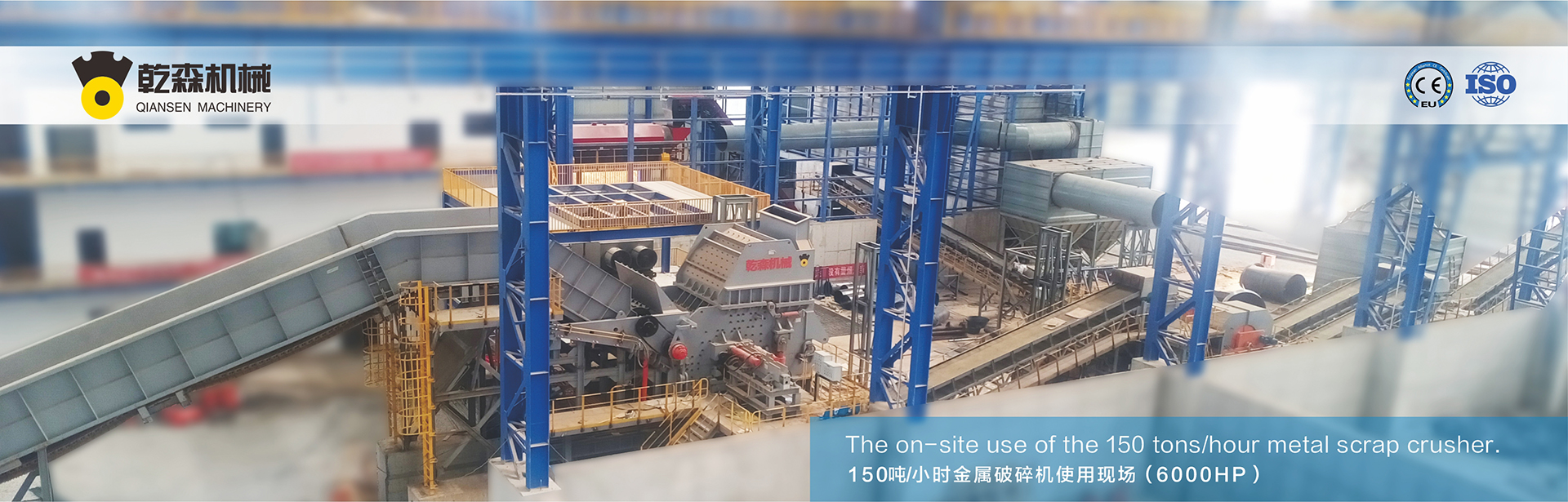
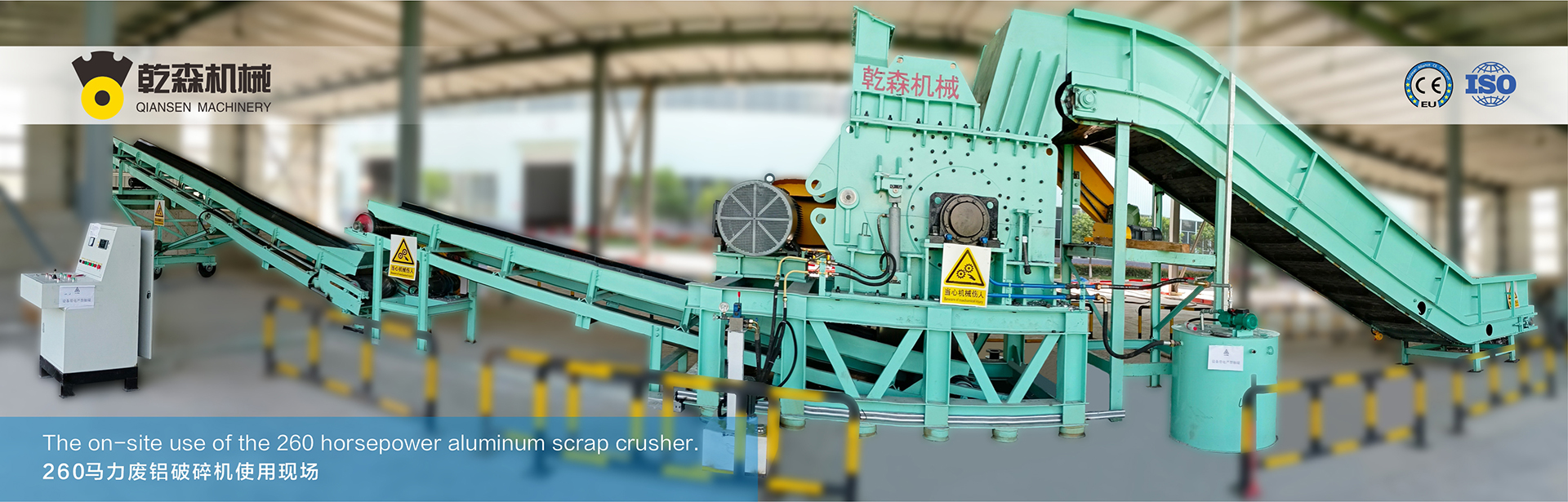
5 Engineering Parameters to Analyze Before You Buy Metal Shredder Systems
Released on Jul. 08, 2026
High-yield metal recycling operations depend on robust, highly durable machinery capable of reducing bulky scrap metal into uniform, high-density shred. Before an enterprise decides to buy metal shredder systems, engineering teams and financial planners must analyze several variables. Industrial scrap processing equipment represents a capital investment where long-term profitability depends on mechanical durability, energy consumption profiles, and wear part longevity. This guide outlines the key engineering principles and operational variables designed to assist procurement teams in choosing the correct processing configuration.
The manufacturing standards of modern scrap processing machinery have advanced to handle complex, alloyed scrap streams. When assessing options to buy metal shredder equipment, understanding the mechanical forces, metallurgical configurations, and drive systems ensures that the chosen machinery matches the physical demands of your input feedstock. QianSen design principles focus on structural stability and modular wear components to lower total processing costs per ton.
Mechanical Configurations: Shear vs. Impact Shredding
Industrial scrap reduction is categorized by the physical forces applied to break down the material. Selecting the correct reduction mechanism is the first step when companies plan to buy metal shredder units.
Dual-Shaft Shear Shredders
Dual-shaft shredders utilize a low-speed, high-torque cutting mechanism. They feature hook-shaped knives mounted on two parallel shafts that rotate inward toward each other. This mechanical design is highly efficient for the primary size reduction of bulky, hollow scrap, including light automotive bodies, sheet metal, and aluminum extrusions. The low-speed operation, typically between 10 and 40 RPM, minimizes dust emission, localized frictional heat, and noise levels. It provides a stable processing environment for plants operating near strict urban emission zones.
High-Speed Hammer Mills
Hammer mills employ dynamic kinetic impact to process metal. High-speed rotors, spinning between 400 and 1000 RPM, hold swinging hammers that strike the feed material against internal anvil plates and grates. This violent mechanical action shatters brittle metals and compresses ductile metals into dense, round fragments, widely referred to as clean fragmentized shred. Hammer mills are utilized for secondary refining where liberation of composite materials and high density are the primary processing goals.
Rotor Engineering and Metallurgical Durability
The rotor assembly is the mechanical core of any scrap processing system. Its design and material composition directly affect the throughput capacity and resistance to structural fatigue under intense shock loads.
Solid-Forged Rotors: Constructed from single-piece steel forgings, these rotors offer maximum resistance to torsional deflection under sudden impact loads. They are commonly specified for heavy industrial operations where large, unsorted scrap parts are processed.
Stacked-Disc Rotors: Composed of individual steel discs shrunk and keyed onto a heavy-duty central shaft. This design allows for targeted maintenance, as individual discs can be repaired or replaced if localized damage occurs.
Blade Metallurgy: Industrial knives and hammers are subjected to continuous abrasive wear and heavy impact stresses. High-performance cutters are manufactured from high-alloy steel compositions, such as chromium-molybdenum alloys or manganese steel. Hardfacing procedures, where a layer of wear-resistant alloy is welded onto the cutting edges, are employed to prolong the life of the components.
Matching blade thickness and hook geometry to your scrap input is a key step when preparing to buy metal shredder lines. For instance, processing thin aluminum profiles requires a different tooth profile and tighter blade tolerances than processing structural scrap plate to prevent material bypass and mechanical jamming.
Drive Architectures: Hydraulic vs. Electric Motor Systems
Prior to confirming plans to buy metal shredder machinery, an in-depth evaluation of the drive system is required. The choice of drive influences the processing efficiency, mechanical shock absorption, and energy footprints.
Hydraulic drive systems utilize high-pressure hydraulic pumps to power hydraulic motors directly coupled to the rotor shafts. This configuration provides variable speed control under load and can deliver maximum torque at zero RPM. This torque characteristic is beneficial when starting the machine with a fully loaded cutting chamber. Additionally, hydraulic drives possess inherent shock-absorbing capabilities. When an unshreddable object enters the cutting chamber, the fluid pressure spikes, triggering a relief valve that halts and reverses the shaft rotation, protecting the structural frame from mechanical overload.
Direct electric drives coupled with heavy-duty multi-stage planetary gearboxes offer high electrical energy transfer efficiency. When paired with Variable Frequency Drives (VFDs), electric motor systems can control rotor acceleration, reduce peak current draw during startup, and provide precise motor feedback data. Electric drive systems feature fewer hydraulic seals and fluid connections, resulting in a cleaner operating environment and reduced preventative maintenance requirements.
Evaluating Scrap Input Profiles and Throughput Requirements
The chemical and physical properties of the scrap feed dictate the structural requirements of the shredding chamber. Deciding to buy metal shredder machinery depends heavily on understanding the mechanical resistance of your primary feedstock:
Light Ferrous Scrap: Includes consumer appliances, light-gauge steel frames, and sheet iron. These materials require moderate torque and benefit from high-capacity feeding hoppers.
Non-Ferrous Scrap: Includes copper wiring, radiators, and structural aluminum profiles. Processing these materials requires precise knife clearance to maintain clean shear cuts and prevent material wrapping around the rotor shafts.
Bulky Heavy Scrap: Demolition scrap, structural steel beams, and heavy cast iron casings require structural reinforcement in the shredding chamber and specialized wear-resistant liners.
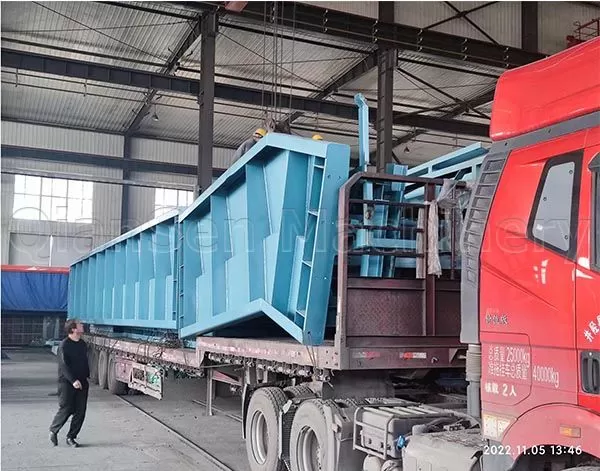
Processing structural steel in a machine designed for light-gauge metals leads to rapid structural fatigue, bearing failure, and frame distortion. QianSen builds customized shredding chambers using thick, stress-relieved steel plates and heavy reinforcement ribbing to ensure stable operation under variable material loads.
Downstream Sorting and System Integration
Shredding is only one stage of the metal recovery cycle. For operators looking to buy metal shredder lines, integrating downstream sorting equipment is vital to generating high-purity fractions that command premium prices from metal smelters and foundries.
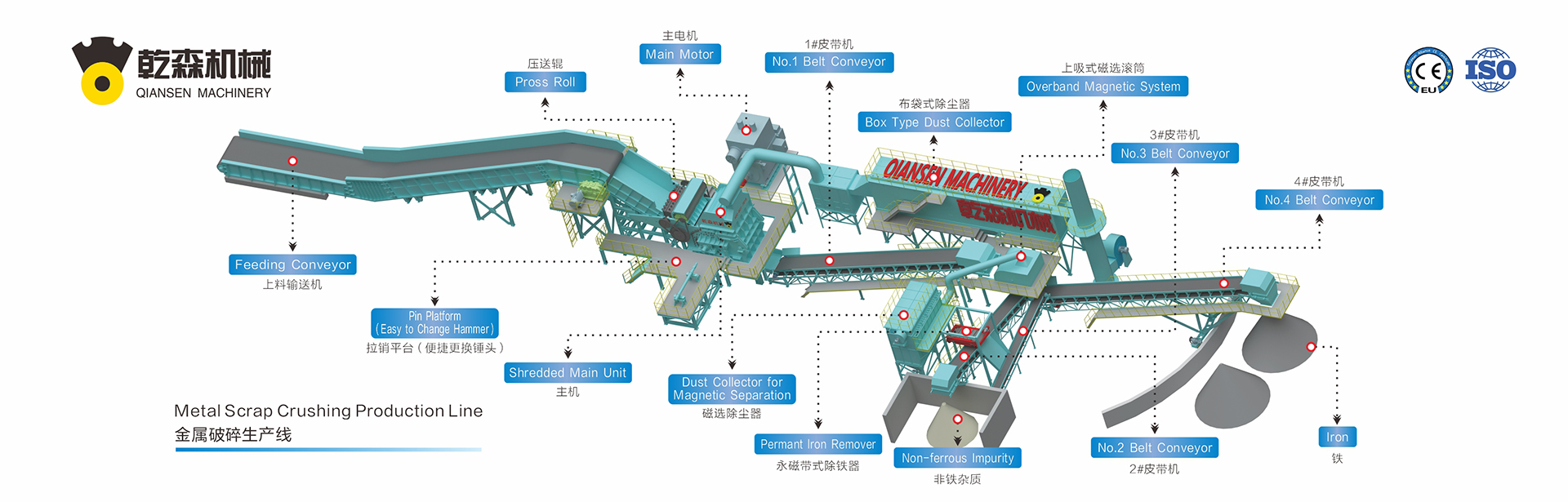
The process starts with continuous vibratory feeders that distribute the shredded metal evenly onto discharge conveyors. Magnetic drum separators are then positioned to extract ferrous metals from the material stream with high recovery rates. Following ferrous separation, eddy current separators are employed to repel non-ferrous metals like copper and aluminum, isolating them from non-metallic residues such as plastics, rubber, and glass. Finally, air classification units use controlled air streams to pull light dust and fluff away from heavier metallic fragments, ensuring a clean final product.
Analyzing the Total Cost of Ownership (TCO)
Purchasing capital equipment involves evaluating both the upfront capital expenditure (CAPEX) and the long-term operational expenditure (OPEX). When looking to buy metal shredder machinery, analyzing the total cost per ton of processed metal over the lifetime of the equipment is a reliable method for evaluating financial viability.
Energy consumption is a major component of operational costs. High-efficiency motors, paired with refined rotor dynamics, reduce the kilowatt-hour (kWh) consumption per ton of scrap processed. Wear parts represent another recurring cost; therefore, choosing systems with quick-access maintenance doors and easily replaceable liner plates directly reduces machine downtime. Furthermore, choosing a supplier that provides consistent replacement parts support helps maintain predictable operational schedules.
Engineering Standards and Manufacturing Quality by QianSen
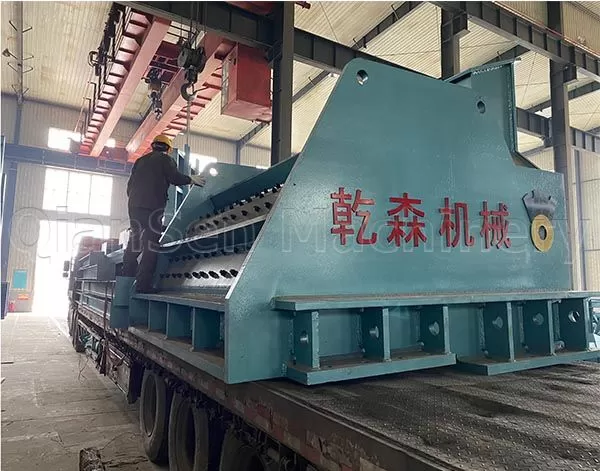
QianSen designs heavy-duty scrap metal processing systems designed to meet the demands of high-volume industrial recycling plants. Every machine frame is fabricated from thick steel plates, welded with multi-pass techniques, and stress-relieved to prevent structural distortion under heavy loads. The rotors undergo dynamic balancing to reduce vibration, protecting the heavy-duty spherical roller bearings from premature wear.
To assist in selecting the correct equipment configuration before you buy metal shredder systems, our engineering department analyzes your target throughput, material composition, and site layout constraints to design a processing line that achieves maximum recovery efficiency.
Frequently Asked Questions
Q1: How do you determine the correct blade thickness for a dual-shaft shear shredder?
A1: Blade thickness is selected based on the physical properties of the target scrap stream and the desired output size. Thinner blades, typically between 30mm and 50mm, produce a smaller, more uniform shred and are suited for light non-ferrous scrap and electronic waste. Thicker blades, ranging from 80mm to 150mm, are used for heavy industrial scrap and automotive parts to prevent blade deflection, chipping, and structural damage under high shearing stresses.
Q2: What is the typical operational lifespan of cutting blades when processing mixed scrap metal?
A2: Blade lifespan varies depending on the abrasiveness of the feedstock and the metallurgical grade of the cutting alloy. When processing clean aluminum or copper scrap, high-alloy tool steel blades can last between 1,200 and 2,000 operating hours. When processing mixed, contaminated municipal scrap containing abrasive silicates or hardened alloys, blade wear increases, requiring hardface welding or replacement after 600 to 1,000 operating hours.
Q3: How does the auto-reverse system protect the shredder components from damage?
A3: The auto-reverse system monitors the electric motor current or hydraulic line pressure. When an unshreddable object enters the cutting chamber, the torque demand rises sharply, causing an instant current or pressure spike. The programmable logic controller (PLC) detects this event and instantly stops the forward rotation, reverses the shafts for a pre-set duration to reposition or reject the material, and then resumes forward operation, preventing structural overload of the gears, shaft, and motor.
Q4: Why is dynamic rotor balancing key to high-speed hammer mill operation?
A4: High-speed hammer mills operate at rotational speeds up to 1000 RPM. Any minor weight variation across the rotor assembly creates high centrifugal forces that translate into heavy vibration. This continuous vibration leads to rapid bearing degradation, cracks in the main welded frame, and potential damage to the concrete foundation of the facility. Regular dynamic balancing ensures smooth power transmission and long-term mechanical stability.
Q5: Can electric drives match the low-speed torque performance of hydraulic drive systems?
A5: Yes, modern electric drive configurations utilizing heavy-duty planetary gearboxes and Variable Frequency Drives (VFDs) can match the torque curves of hydraulic systems. The VFD allows the electric motor to run at high speed while delivering high torque to the low-speed output shaft through the planetary gear reduction, offering comparable torque with higher electrical efficiency and less routine maintenance.
Request a Tailored Engineering Proposal
If your enterprise plans to buy metal shredder systems or require a customized processing configuration to handle specific scrap materials, please contact the engineering department at QianSen. Our team can provide detailed mechanical layout drawings, throughput estimates, and component specifications tailored to your facility's operational requirements.