





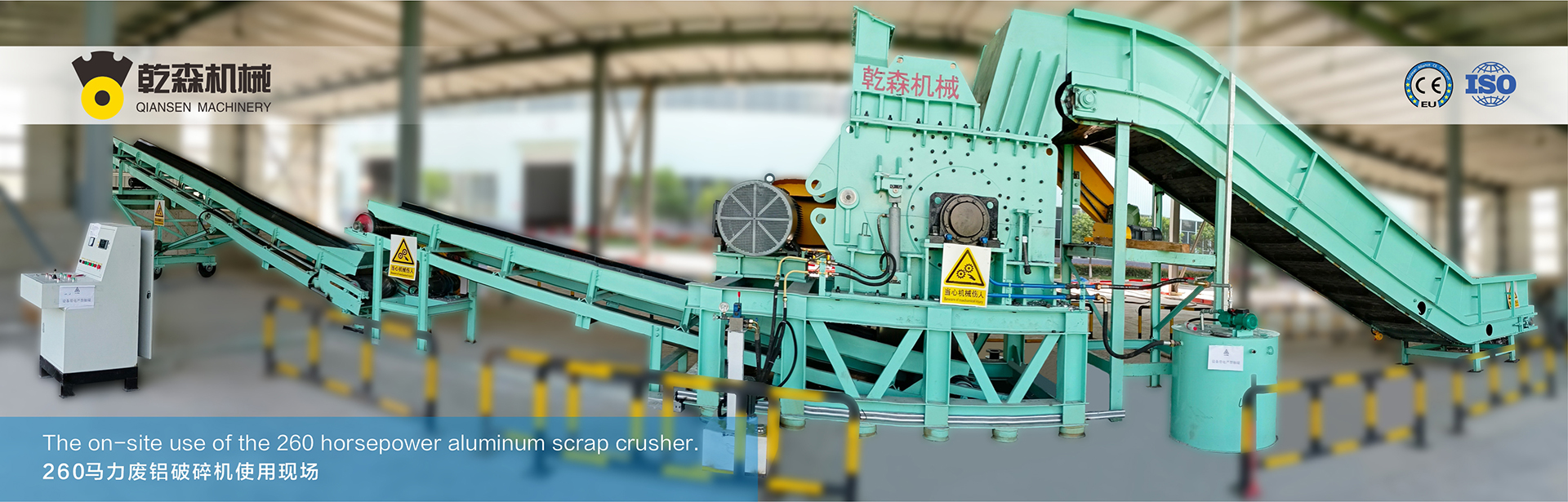
Pre Shredder Scrap Processing: Feedstock Characterization and Equipment Selection
Released on Aug. 17, 2026
Scrap metal recycling facilities face a fundamental challenge at the very start of their size reduction line: the preparation of incoming material for primary shredding. This initial stage, commonly referred to as pre shredder scrap handling, determines throughput capacity, wear part longevity, and the quality of downstream separation. For operations processing mixed ferrous and non-ferrous streams, the configuration of the pre-shredding stage often separates profitable operations from those struggling with downtime and inconsistent output.
The term pre shredder scrap encompasses the entire workflow before the main shredder—from feed conveyor design and material sorting to the actual pre-shredding machinery that reduces oversized items. While primary shredders receive the majority of engineering attention, industry data indicates that up to 40% of unplanned downtime originates from issues in the pre-shredder scrap feed section. This article examines the variables that influence pre-shredder performance, the equipment options available, and the operational parameters that define success in this critical phase.
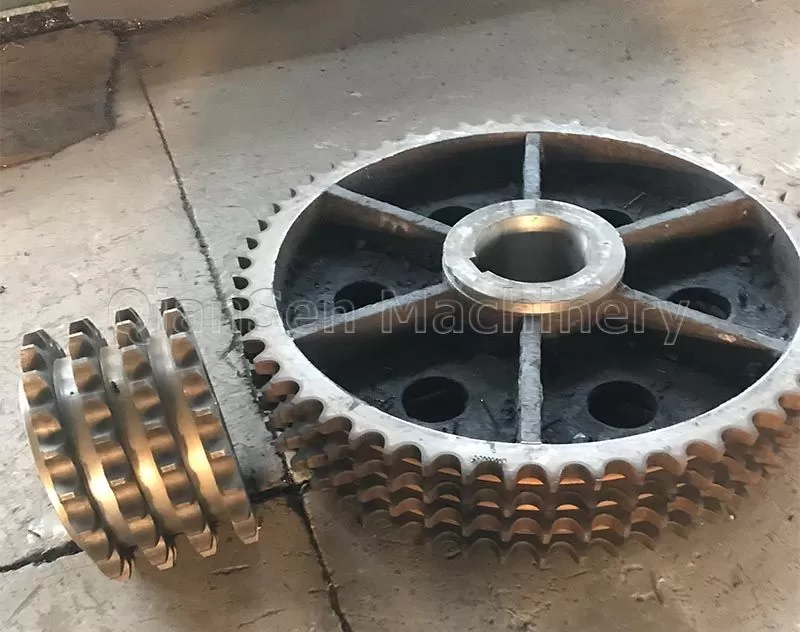
Defining the Scope of Pre Shredder Scrap Operations
Pre shredder scrap preparation involves more than simply feeding material into a machine. It encompasses a series of decisions about material acceptance, sorting, and initial size reduction that collectively determine the efficiency of the entire recycling line. The scope includes:
Feedstock assessment – Evaluating incoming scrap for contaminants, oversized pieces, and material composition that could affect pre-shredder performance.
Primary separation – Removing non-processable items such as gas cylinders, large castings, or heavy section steel that could damage equipment.
Initial size reduction – Using pre-shredders, shears, or guillotines to reduce material to a manageable size for the main shredder.
Magnetic and eddy current pre-sorting – Extracting clean ferrous and non-ferrous fractions before the main shredding stage to improve overall recovery.
Each of these components interacts with the others. A change in feedstock quality, for instance, may require adjustments to pre-shredder rotor speed or screen size to maintain consistent output. Facilities that monitor and document these variables typically achieve higher operational stability than those that treat the pre-shredder as a fixed, unchanging element of the line.
Feedstock Variability and Its Influence on Pre Shredder Scrap Output
Scrap yards receive material from diverse sources—demolition sites, manufacturing plants, automotive dismantlers, and municipal collection programs. Each source presents a distinct set of characteristics that affect pre shredder scrap processing. Demolition scrap often contains rebar, concrete contamination, and mixed metals. Manufacturing scrap tends to be cleaner but may include alloys that require specific shredding parameters. Automotive scrap, including end-of-life vehicles, presents challenges with plastics, rubber, and non-ferrous components.
This variability means that a pre-shredder configuration optimized for one feedstock may perform poorly with another. Operators who understand the relationship between feedstock properties and pre-shredder performance can make informed decisions about screen selection, rotor speed, and feed rate. Key feedstock parameters include:
Bulk density and its effect on feed conveyor capacity
Maximum piece size and the proportion of oversized items
Presence of tramp metal or high-strength alloys
Moisture content and its impact on screening efficiency
Contaminant levels, including non-metallic materials
Experience shows that processing pre shredder scrap with consistent bulk density improves throughput by reducing the frequency of feed interruptions. Yards serving multiple industries often maintain separate processing lines or adjust pre-shredder settings based on the source of incoming material.
Equipment Options for Pre Shredder Scrap Lines
Selecting the correct equipment for a pre shredder scrap application requires evaluating several machine types against the specific characteristics of the material stream. The primary equipment categories include slow-speed shears, high-torque shredders, and impact-type pre-shredders. Each offers distinct advantages for particular feedstock types.
Slow-Speed Shear-Type Pre-Shredders
Slow-speed shears operate at low rotor speeds with high torque, making them suitable for processing heavy section steel, large castings, and mixed demolition scrap. These machines produce relatively uniform output size with minimal fines generation. For pre shredder scrap applications involving thick-walled material, slow-speed shears offer the advantage of controlled size reduction without the high energy consumption associated with high-speed impact shredders.
High-Torque, Low-Speed Pre-Shredders
These machines employ cutting discs or knives mounted on parallel shafts to tear and shear material. They handle contaminated feedstock effectively, with the ability to process materials containing wire, rubber, and light non-ferrous components. Facilities processing automotive scrap or white goods often select this type of pre-shredder for its ability to reduce material while liberating attached components.
Impact-Type Pre-Shredders
Impact pre-shredders use hammers or blow bars to fracture material through high-speed impact. They excel at processing brittle materials and produce a more fragmented output that facilitates downstream magnetic separation. However, impact-type pre-shredders generate higher dust and noise levels, requiring additional dust suppression and sound attenuation measures.
Equipment selection for pre shredder scrap lines should consider not only the current feedstock but also anticipated changes in material supply over the equipment's operational life. Facilities that anticipate processing lighter, more contaminated streams may prefer slow-speed shears for their tolerance to tramp material. Operations focused on clean, high-volume processing may select high-speed impact pre-shredders for their throughput capacity.
Operational Parameters in Pre Shredder Scrap Processing
Once equipment is selected, operational parameters determine the actual performance of the pre shredder scrap line. These parameters include rotor speed, feed rate, screen aperture size, and knife or hammer configuration. Adjusting these variables allows operators to tune the pre-shredder to specific feedstock characteristics, optimizing output quality and machine longevity.
Rotor speed affects both throughput and output particle size. Higher rotor speeds increase impact energy and throughput but accelerate wear on hammers and liners. Lower speeds reduce wear but may limit throughput for certain materials. Operators processing pre shredder scrap with high abrasive content often reduce rotor speed to extend component life, accepting a moderate throughput reduction in exchange for lower operating costs.
Screen aperture size determines maximum output particle dimension. Smaller screens produce finer output, which may improve downstream separation but reduce throughput and increase screen wear. For pre shredder scrap containing valuable non-ferrous metals, operators may choose smaller screens to liberate these metals more effectively before magnetic separation.
Feed rate control maintains consistent pre-shredder loading, preventing both overloading and underloading. Overloading causes rotor stall and excessive wear, while underloading reduces efficiency and increases specific energy consumption. Modern pre-shredder systems include feed rate control logic that adjusts conveyor speed based on motor current draw, maintaining optimal loading across varying feedstock conditions.
Maintenance Strategies for Pre Shredder Scrap Equipment
Pre-shredder equipment operates in demanding conditions, with abrasive materials, high impact forces, and variable feed characteristics contributing to component wear. Effective maintenance strategies extend equipment life and reduce unplanned downtime. Wear components—hammers, knives, screens, and liner plates—require regular inspection and replacement according to established intervals.
Condition-based maintenance, using vibration analysis and temperature monitoring, identifies emerging issues before they cause failure. For pre shredder scrap lines processing highly abrasive material, vibration monitoring of bearing housings and rotor assemblies provides early warning of imbalance or bearing degradation. Thermal imaging of drive motors and gearboxes detects developing problems that may not yet manifest through vibration or noise.
Inventory management of wear components represents a critical aspect of pre-shredder maintenance. Maintaining sufficient stocks of screens, hammers, and liner plates ensures that replacements occur promptly when wear limits are reached. Facilities processing multiple feedstock types often maintain multiple screen sets and hammer configurations, enabling rapid changeovers when feedstock changes.
Quality Parameters for Pre Shredder Scrap Fractions
The output from the pre-shredder serves as the feed material for downstream processing, including primary shredding, magnetic separation, eddy current separation, and density sorting. The quality of pre-shredder output directly affects the efficiency of these downstream processes. Key quality parameters include particle size distribution, contaminant levels, and the liberation of attached materials.
Particle size distribution influences primary shredder throughput and wear. Oversized particles from the pre-shredder may jam the primary shredder feed mechanism, while excessive fines can reduce separation efficiency. Operators should measure and monitor particle size distribution regularly, adjusting pre-shredder settings to maintain the target range.
Contaminant levels in pre shredder scrap output affect downstream equipment. High rubber or plastic content can clog screens and reduce separation effectiveness. Pre-shredder design that liberates attached materials—such as rubber from steel wheels or plastic from copper wire—improves contaminant removal in subsequent separation stages.
Metal liberation refers to the separation of different metal types from each other and from non-metallic attachments. Effective pre-shredding liberates ferrous from non-ferrous metals, enabling higher recovery rates in downstream separation. Operators processing mixed scrap with significant non-ferrous content should prioritize liberation in pre-shredder configuration.
Material Flow Integration in Pre Shredder Scrap Systems
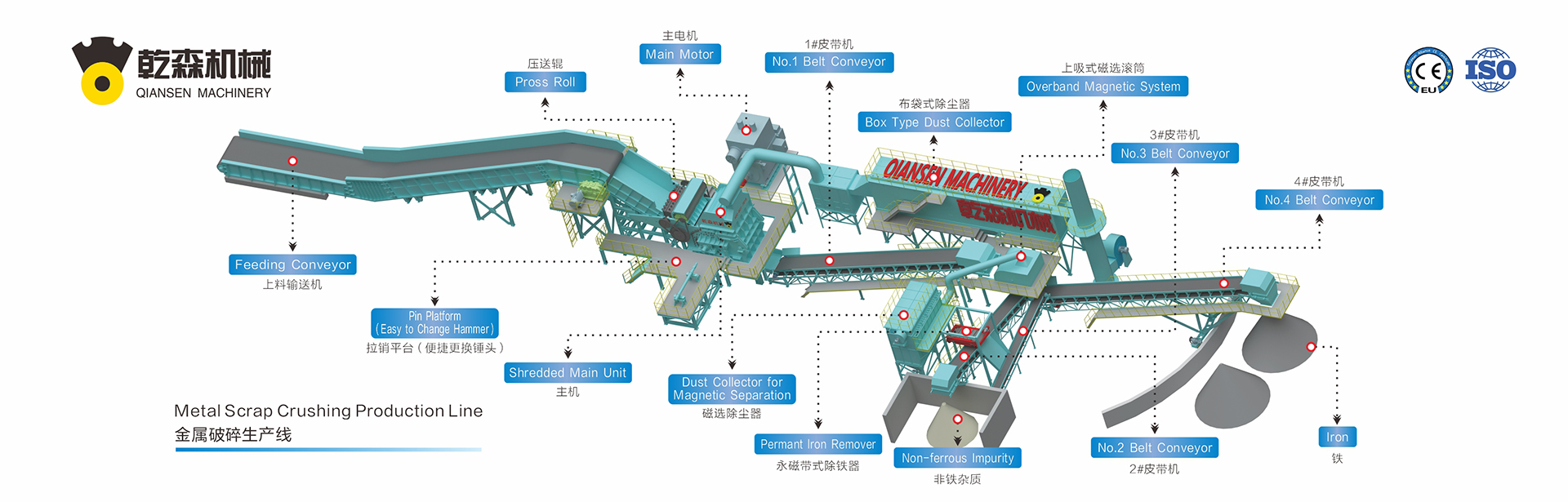
The pre-shredder does not operate in isolation; its performance is influenced by upstream feed systems and downstream processing equipment. Designing and operating the pre-shredder as part of an integrated material flow system yields better overall performance than treating it as a standalone unit. Integration considerations include:
Feed conveyor design that prevents bridging and ensures consistent material presentation to the pre-shredder.
Buffer storage between the pre-shredder and primary shredder to decouple the two processes and maintain continuous operation.
Separation equipment before the pre-shredder to remove items that could damage the machine or reduce output quality.
Dust collection and fire suppression systems that protect personnel and equipment.
For pre shredder scrap lines processing material with high moisture content, conveyor design must account for material sticking and potential carryback. Belt scrapers, self-cleaning pulleys, and adequate conveyor slope reduce material buildup and maintain reliable feed.
QianSen has observed that facilities with well-integrated pre-shredder scrap systems achieve 15-20% higher overall throughput compared to those with segmented, poorly coordinated process stages. Integration requires not only equipment design but also operational coordination between the pre-shredder and downstream teams.
Common Operational Issues in Pre Shredder Scrap Lines
Even well-designed pre shredder scrap lines encounter operational issues that affect performance and availability. Recognizing these issues and understanding their root causes enables operators to implement effective corrective actions. Common issues include:
Rotor stalling – Occurs when excessive feed material overloads the rotor, causing the drive to trip or stall. Root causes include sudden surges in feed rate, oversized pieces entering the shredder, or rotor wear reducing cutting efficiency. Solutions include improved feed rate control, pre-screening of oversized items, and regular rotor maintenance.
Screen blinding – Results from material buildup on screen surfaces, reducing throughput and increasing pressure in the shredding chamber. High moisture content, fine particles, or sticky contaminants contribute to blinding. Solutions include screen design with self-cleaning features, reduced feed moisture, and regular screen cleaning.
Excessive wear – Accelerated wear of hammers, knives, and liners increases operating costs and downtime. Causes include processing abrasive materials, incorrect rotor speed, and poor feed material preparation. Solutions include material acceptance controls, speed adjustment, and the use of high-wear-resistant alloys for wear components.
Feed system bridging – Material buildup in the feed chute or hopper prevents consistent material flow. Causes include material with high bulk density, irregular shapes, or moisture content. Solutions include hopper design with steep walls, vibratory feeders, and material preconditioning.
Addressing these issues requires systematic analysis of operating data and a structured approach to problem-solving. Operators who maintain detailed records of pre shredder scrap processing parameters and correlate them with issues can identify patterns and implement effective preventive measures.
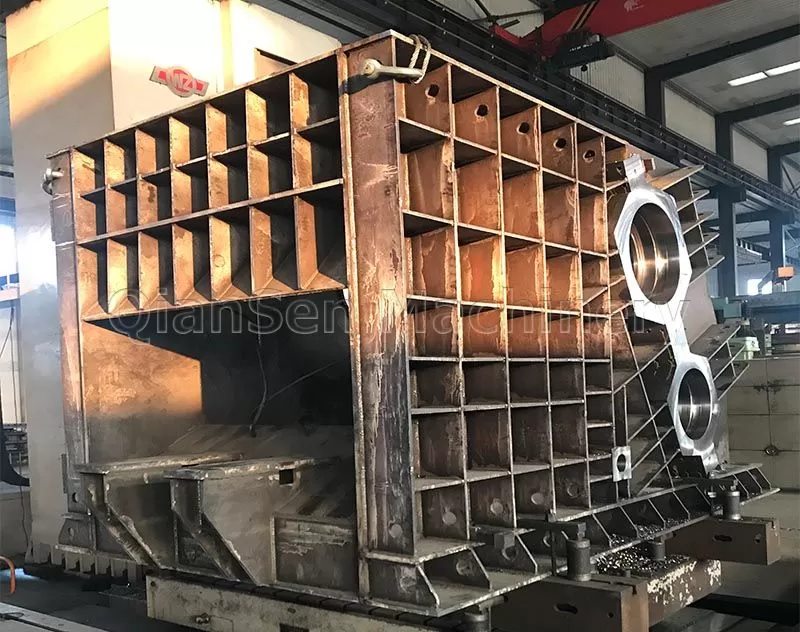
Performance Metrics for Pre Shredder Scrap Operations
Measuring and tracking performance metrics provides the data needed to optimize pre shredder scrap operations and justify equipment upgrades. Key performance indicators for pre-shredder operations include:
Throughput rate – The mass of material processed per unit time, typically expressed in tonnes per hour. Throughput depends on feedstock characteristics, pre-shredder configuration, and operational parameters. Tracking throughput against baseline values identifies degradation caused by wear or feedstock changes.
Specific energy consumption – The energy consumed per tonne of material processed, expressed in kWh/tonne. Higher specific energy consumption may indicate worn components, incorrect rotor speed, or difficult feedstock. Operators use this metric to evaluate the efficiency of pre-shredder operations and compare performance across different feedstocks.
Screen wear life – The operating hours before screen replacement is required. Shorter screen life indicates abrasive feedstock or incorrect operating parameters. Tracking screen life against feedstock type helps operators predict wear and schedule maintenance.
Downtime frequency – The number of unscheduled stops per operating shift or week. Frequent downtime indicates operational or mechanical issues requiring attention. Reducing downtime frequency directly improves overall line availability and profitability.
QianSen recommends that facilities establish baseline performance metrics for their pre shredder scrap lines and conduct regular performance reviews to identify improvement opportunities. Data collected from these reviews supports decisions about maintenance scheduling, component selection, and equipment upgrades.
Frequently Asked Questions
What is the primary purpose of a pre-shredder in scrap processing?
A pre-shredder reduces oversized scrap material to a manageable size for the main shredder. It protects the primary shredder from impact damage, improves feed consistency, and helps liberate attached materials for better downstream separation. The pre-shredder also removes contaminants and non-processable items through integrated sorting equipment.
How does feedstock composition affect pre shredder scrap throughput?
Feedstock composition directly influences throughput through bulk density, hardness, and abrasiveness. Dense, heavy materials increase processing time and wear, reducing throughput. Highly abrasive materials accelerate wear on hammers and screens, requiring more frequent maintenance and reducing availability. Clean, homogeneous feedstocks with consistent properties achieve the highest throughput rates.
What are the signs that a pre-shredder requires maintenance?
Common indicators include increased vibration levels, unusual noise from the rotor area, reduced throughput despite consistent feed rates, higher specific energy consumption, and output particle size exceeding specifications. Regular vibration monitoring, temperature checks, and visual inspections help detect these signs early.
Can a single pre-shredder handle multiple types of scrap material?
Pre-shredders can process various scrap types, but optimal performance requires adjustments to rotor speed, screen aperture, and feed rate for different materials. Some facilities maintain multiple screen sets and hammer configurations to support rapid changeovers. For operations processing diverse feedstocks, selecting a pre-shredder with flexible settings is advisable.
How does screen aperture size affect pre shredder scrap output quality?
Screen aperture size determines the maximum particle dimension in the pre-shredder output. Smaller screens produce finer particles, which improve liberation of attached materials and enhance downstream separation. However, smaller screens reduce throughput and accelerate screen wear. Operators must balance output quality requirements against throughput and wear considerations.
What is the typical lifespan of wear components in pre-shredder scrap equipment?
Wear component lifespan varies significantly based on feedstock abrasiveness, operating parameters, and maintenance practices. In typical mixed scrap applications, hammers may last 500 to 1500 operating hours, while screens may last 300 to 800 hours. Regular inspection and condition monitoring help predict replacement intervals.
How does pre-shredder scrap processing affect overall recycling plant profitability?
Pre-shredder scrap processing affects profitability through multiple channels. Effective pre-shredding increases primary shredder throughput, reduces wear on downstream equipment, and improves metal recovery rates. Higher recovery rates translate to increased revenue from salable metal products. Conversely, poor pre-shredding performance increases operating costs and reduces recovery, directly impacting the bottom line.
Contact QianSen for Pre Shredder Scrap Solutions
QianSen provides comprehensive pre-shredder scrap equipment and processing solutions for recycling facilities of all scales. Our engineering team offers system design, equipment selection, and operational support to optimize pre-shredder performance across diverse feedstocks and applications. We welcome inquiries about pre-shredder systems, wear component supply, and process improvement projects.
For more information on pre-shredder scrap solutions or to arrange a consultation with our engineering team, please contact QianSen directly.