





The Best Shredders for Aluminum Cans: Top Picks for High-Volume Recycling
Released on Sep. 20, 2026
Discarded beverage cans hold exceptional commercial value. Processing used beverage cans (UBC) consumes up to 95 percent less energy than producing virgin aluminum from raw bauxite. This massive energy differential creates strong profit margins for scrap yards, secondary smelters, and material recovery facilities (MRFs).
Yet, transporting and processing loose aluminum cans wastes money. Hauling empty cans means paying freight rates to transport trapped air. To maximize margin, recyclers must convert hollow scrap into dense, high-purity aluminum fragments ready for furnace charging.
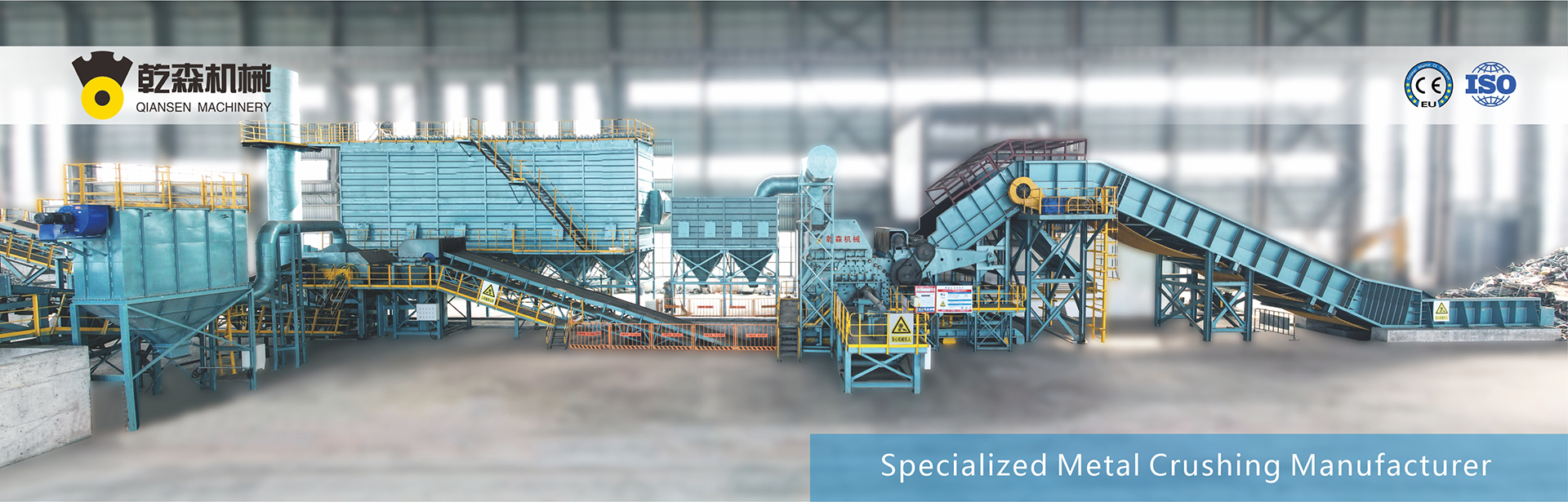
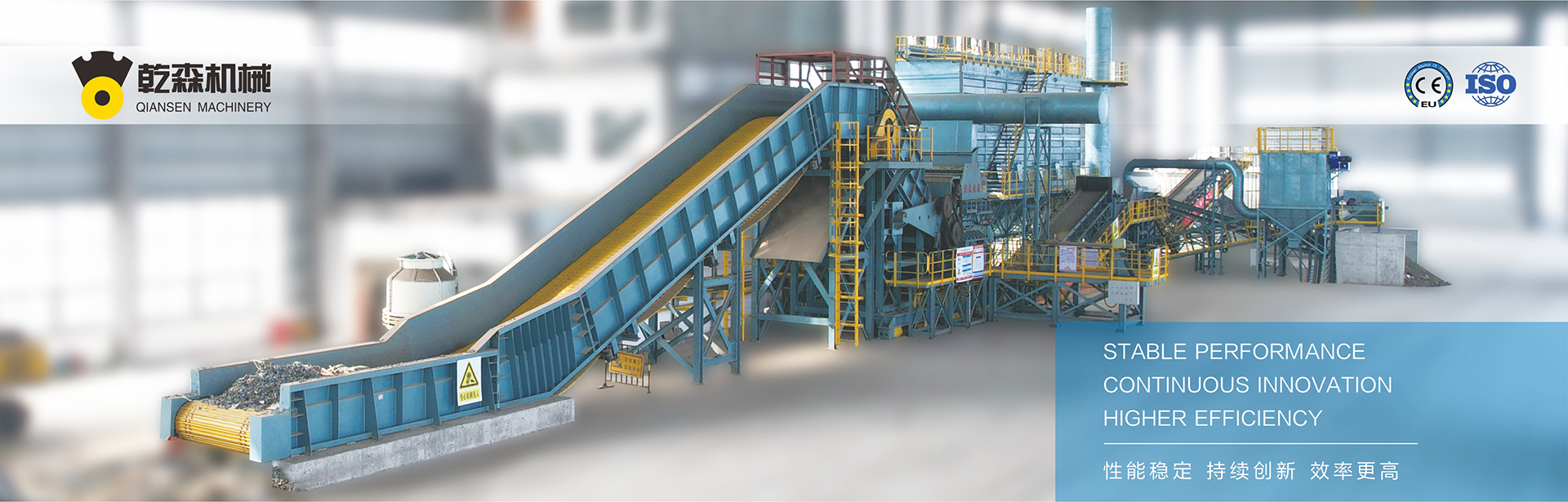
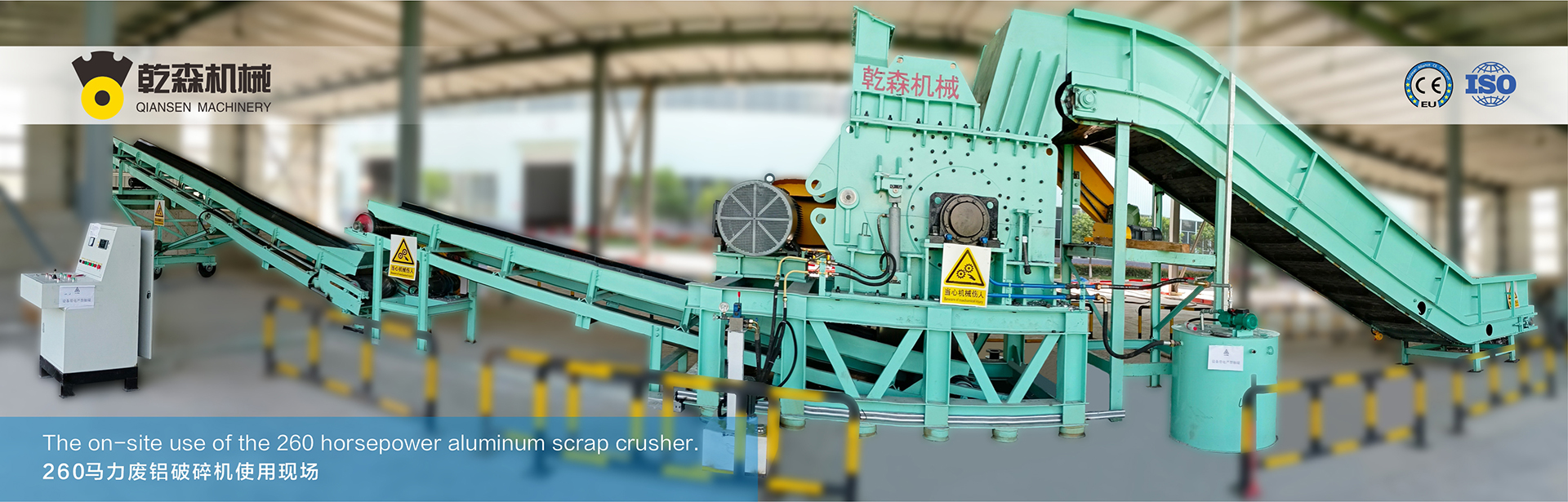
Small crushers cannot survive round-the-clock industrial cycles. Facilities processing multiple tons per hour require robust equipment built to take punishment. Equipment manufacturers like QianSen supply heavy-duty industrial systems engineered to withstand abrasive contaminants and severe duty cycles. This guide details how to choose the right shredder for aluminum cans based on throughput, operational cost, and plant layout.
Critical Engineering Factors for Industrial UBC Shredding
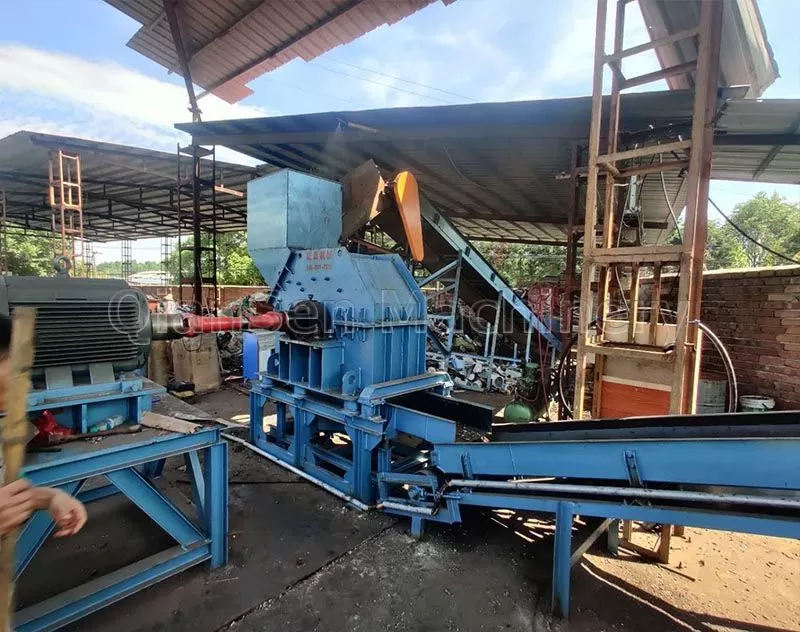
Evaluating an industrial recycling plant requires looking beneath the paint. High-volume metal reduction demands machinery that balances cutting power against maintenance overhead.
Shaft Configuration and Cutting Dynamics
Shaft design dictates how the machine tears through bulk metal:
Dual-Shaft Shredders: These low-speed, high-torque machines use two counter-rotating hexagonal shafts equipped with hooked blades. They slice baled or loose cans using continuous shear forces. The low rotational speed (typically 15 to 35 RPM) minimizes flying debris, dust generation, and noise.
Single-Shaft Shredders: These feature a high-speed rotor lined with square cutting inserts, paired with a hydraulic ram that pushes feed material against the knives. A sizing screen beneath the rotor controls particle size, producing uniform flakes in a single pass.
Industrial Hammer Mills: These machines shatter cans through kinetic impact using free-swinging hardened hammers rotating at high RPM. Hammer mills strip paint, bust open dense briquettes, and deliver ultra-dense aluminum balls, though they generate higher dust and noise levels.
Blade Metallurgy and Wear Management
Blades are the primary wear cost on any shredder for aluminum cans. Beverage scrap often contains road grit, sand, steel caps, and tramp stones that accelerate abrasive wear.
Industrial rotors utilize high-alloy tool steels such as D2, SKD11, or wear plates crafted from Hardox steel. D2 and SKD11 provide deep through-hardening properties that resist micro-chipping along the cutting edge. Look for modular, indexable blades. Reversible cutting inserts give operators four fresh cutting edges before replacement or hardfacing rebuilds become necessary.
Drive Systems: Hydraulic vs. Mechanical
Operators must match the drivetrain to their feedstock variability:
Direct Electric Drives: Electric motors coupled to planetary gearboxes offer high electrical efficiency (kWh per ton). They lower daily operating costs and simplify routine plant upkeep. However, they rely on electronic torque limiters to survive shock loads.
Hydraulic Drives: Hydraulic motors deliver variable speed control and instant reversal under peak loads. If an oversized steel extrusion or engine part enters the chamber, a hydraulic system absorbs the shock without mechanical breakage. This design excels when shredding unsorted, heavily contaminated municipal scrap.
Deflagration and Dust Explosion Mitigation
Processing scrap aluminum generates fine metallic particles. Aluminum dust oxidizes rapidly, posing serious deflagration and combustion hazards in enclosed spaces. Industrial processing lines must comply with NFPA 652 and ATEX standards. Premium machines integrate automatic spark detection, misting nozzles, structural explosion-relief vents, and ductwork tied directly to negative-pressure cyclone dust collectors.
Top Equipment Classes for High-Capacity Aluminum Recycling
Selecting the correct machinery depends directly on target daily tonnage and the required downstream product form. Industrial recyclers rely on three proven machine archetypes.
1. Heavy-Duty Dual-Shaft Shredders (The Primary Workhorse)
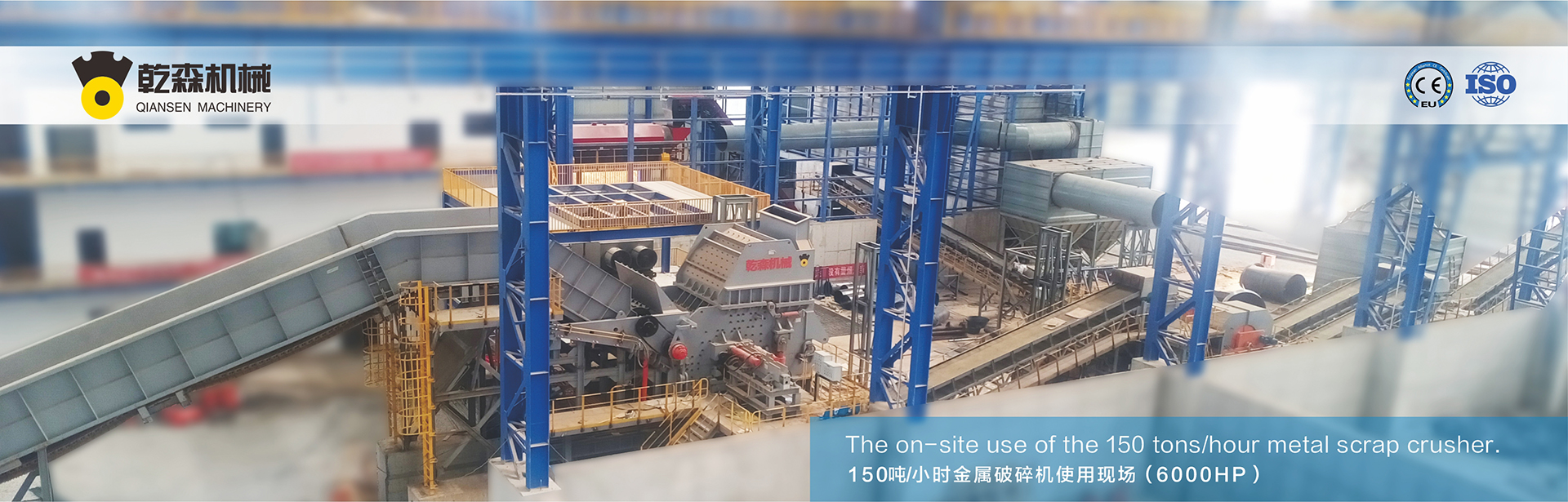
Dual-shaft shear shredders serve as the frontline machine for primary reduction in large recycling plants. When a loader drops dense, wire-bound UBC bales onto the hopper, a dual-shaft machine rips them apart without stalling.
Throughput Capacity: 5 to 25+ tons per hour (TPH).
Best Suited For: Processing whole bales, loose municipal collections, and mixed light gauge non-ferrous metals.
Core Advantage: Immense shearing force. The counter-rotating shafts draw large volume bundles into the cutting zone without requiring hydraulic pushers. When a heavy foreign obstruction jams the rotor, the automated control system reverses shaft rotation within milliseconds to dislodge the tramp item.
2. Precision Single-Shaft Shredders (The Furnace-Ready Producer)
Secondary aluminum smelters demand tightly controlled scrap sizes. Aluminum charging wells operate at peak thermal efficiency when fed uniform flakes rather than long ribbons or jagged strips. Single-shaft shredders excel at producing furnace-ready feed.
Equipped with an internal sizing screen (typically 20mm to 50mm), these machines keep material inside the cutting chamber until it passes through the screen perforations. Engineering leaders like QianSen manufacture single-shaft rotors using solid forged steel cores to eliminate shaft deflection during peak operational stress.
Throughput Capacity: 3 to 12 TPH depending on screen aperture size.
Best Suited For: Secondary processors and casting plants requiring clean, uniform flake sizing.
Core Advantage: Tight output sizing. The internal screen guarantees that oversized pieces return to the rotor for re-cutting, maximizing bulk density for downstream melters.
3. Industrial Hammer Mills and Ring Crushers (Max Density and De-Coating)
Hammer mills process aluminum scrap through blunt force impact rather than shear cutting. As high-speed hammers strike the cans against internal breaker plates, the process breaks the paint and lacquer coating off the aluminum surface. The shredded cans curl into dense nuggets, often called "popcorn" aluminum.
Throughput Capacity: 5 to 30 TPH.
Best Suited For: Dedicated de-tinning and large remelt operations seeking scrap with maximum bulk density.
Core Advantage: Excellent product density (up to 800-900 kg/m³). The violent impact cleans off inks, labels, and moisture, which reduces dross formation during smelting operations.
Downstream Line Integration: Maximizing Scrap Purity
Installing a stand-alone shredder for aluminum cans solves only half of the recycling equation. Shredded metal requires rapid cleaning to command top market price per ton. A complete high-volume processing system links several sorting stages together.
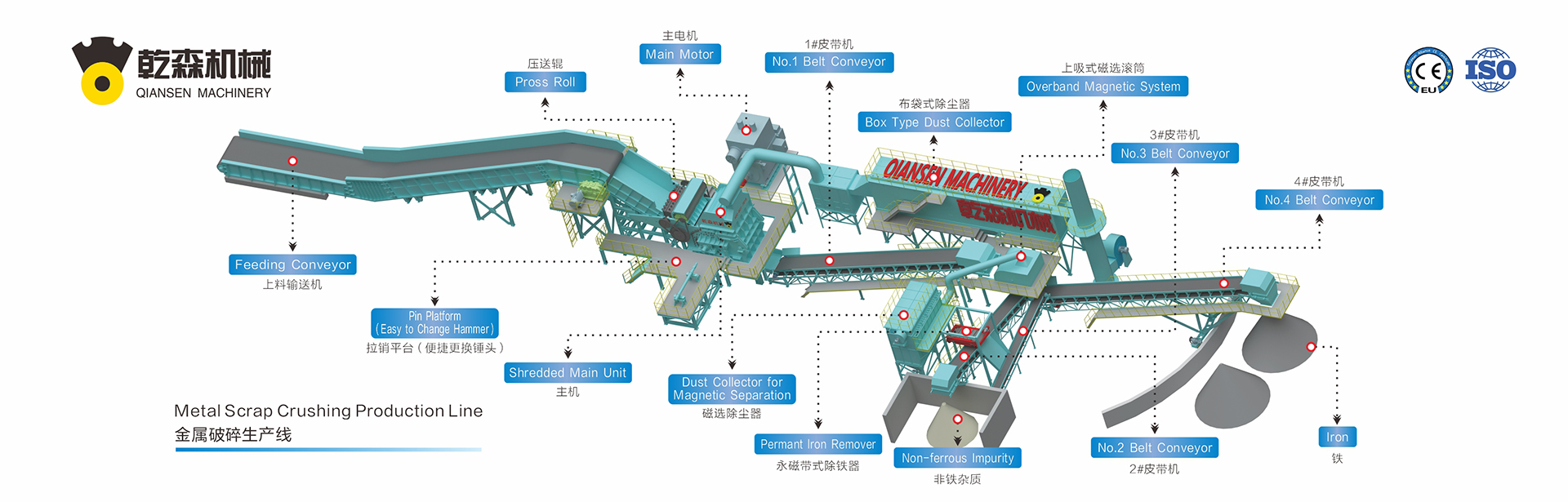
Infeed and Metering Conveyors: Heavy-duty steel apron conveyors transport raw bales or loose bulk cans up to the shredder feed hopper. Variable frequency drives pace the feed rate to prevent chamber overloading.
Over-Belt Cross-Belt Magnets: Suspended over the discharge conveyor, permanent or electromagnetic cross-belt separators pull out tinplate steel cans, aerosol containers, and tramp iron mixed into the beverage stream.
Air Classification (Zig-Zag Separators): Shredding breaks down paper labels, shrink wrap, and light dirt. An air classifier pulls these light fractions out using controlled updrafts, exhausting the waste into dust collection cyclones.
Eddy Current Separators (ECS): The ECS rotor spins permanent magnets at high speed inside a non-metallic shell. This induces eddy currents within non-ferrous aluminum pieces, launching them over a splitter plate while non-metallic debris drops straight down.
Financial Modeling: Calculating Your Return on Investment
Procuring industrial processing machinery represents a major capital expenditure. B2B operators justify the acquisition by calculating how physical density and purity improvements translate into higher commodity pricing.
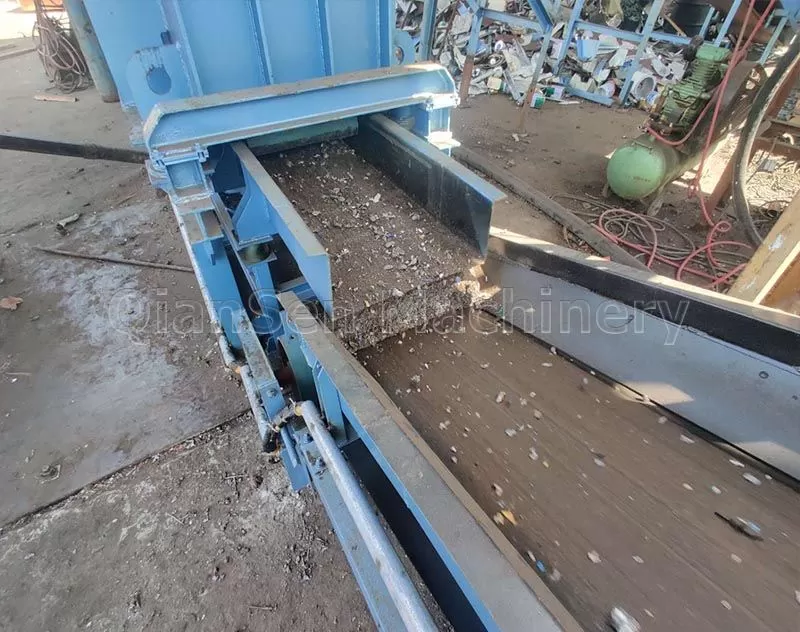
A standard 40-foot shipping container holds only a fraction of its weight limit when loaded with baled or loose cans. Transporting crushed or shredded flakes allows trailers and sea containers to max out their physical payload weight. This step immediately slashes per-ton shipping freight costs by 30 to 50 percent.
Consider this practical operational formula:
Net Operating Margin = (Hourly Tonnage × Flake Price Premium) - (Power Draw kWh + Blade Wear Cost + Labor Allocation)
Scrap processors selling shredded, de-ironed aluminum flakes earn a substantial premium over those selling mixed, contaminated UBC bales. Because clean shredded material bypasses manual sorting lines at the smelter and melts with minimal metal loss, buyers pay top tier prices. Most facilities running high-volume shredding lines achieve complete equipment payback within 9 to 18 months of continuous operation.
Frequently Asked Questions
Q1: How does an industrial shredder for aluminum cans handle tramp iron or heavy foreign objects?
A1: Industrial shredders use intelligent PLC protection routines. When the rotor hits an uncrushable steel shaft or heavy iron chunk, electrical amp draw spikes instantly. The machine stops rotation within a fraction of a second, reverses the shafts to release the obstruction, and alerts the operator. Some systems feature automated tramp metal discharge doors that eject foreign objects without stopping the line.
Q2: What is the average electricity consumption per ton for UBC shredding?
A2: Electrical consumption typically runs between 15 and 35 kWh per ton, depending on machine design and final particle size. Low-speed dual-shaft shear shredders are the most energy-efficient for primary reduction. High-speed hammer mills draw more electricity per ton because they grind material and clean coatings through high kinetic impact.
Q3: Which blade material provides the longest lifespan in can shredding operations?
A3: High-carbon, high-chromium tool steels like D2 and SKD11 deliver the best balance between edge retention and impact toughness. For rotors handling unsorted municipal scrap with abrasive stone and road dirt contamination, cutting tools faced with Hardox or tungsten carbide overlays resist abrasive wear far better than basic carbon steels.
Q4: Why choose a dual-shaft shear shredder instead of a hammer mill for whole baled cans?
A4: High-density whole bales place massive physical strain on fast-spinning machinery. Dual-shaft shredders deliver maximum torque at low speeds, biting into dense bales without jamming or creating dangerous ballistic kickback. Hammer mills run better when fed loose or pre-shredded cans rather than solid, dense cubes.
Q5: How often do shredder blades need resharpening or replacement?
A5: Under clean UBC processing conditions, quality tool-steel blades run between 800 and 1,500 operating hours before requiring rotation, resharpening, or hardface re-welding. If the incoming scrap stream carries heavy sand, grit, or road debris, blade inspection cycles should occur every 400 to 600 hours to prevent uneven wear on the rotor body.
Select Your Recycling Equipment with QianSen
Selecting the right size and type of shredder determines your long-term operating costs and facility uptime. The right machine turns bulky scrap into clean, high-density product that commands peak value across all domestic and international metal markets.
Whether you need a standalone primary shear shredder or a fully automated UBC processing line featuring magnetic separation and air classification, QianSen manufactures dependable machinery configured for continuous duty. Contact our engineering team today to review your feed material specs, run sample material trials, and get a tailored quotation for your facility.
Previous:
None