




Top-Rated Industrial One Shaft Shredder: 2026 Equipment Buying Guide
Released on Aug. 11, 2026
Strict global environmental standards and aggressive zero-carbon targets drive the recycling sector in 2026. Facility managers face soaring electricity bills, rapid wear on cutting parts, and expensive unplanned downtime.
Processing mixed scrap streams demands robust machinery that maintains consistent output without excessive power draw. Modern recycling centers need reliable size-reduction equipment to turn raw waste into profitable secondary resources.
A heavy-duty one shaft shredder serves as the primary workhorse for these challenges. Its high-torque rotor slices through rigid plastics, industrial rubber, and non-ferrous metals efficiently.
Choosing the right machine impacts your facility's daily throughput and long-term profit margins. QianSen combines US, German, and Japanese design concepts with heavy precision machining to set new standards in size-reduction equipment.
This 2026 equipment buying guide breaks down essential technical metrics to help you select the ideal machine for your operations.
What is a One Shaft Shredder and How Does It Work?
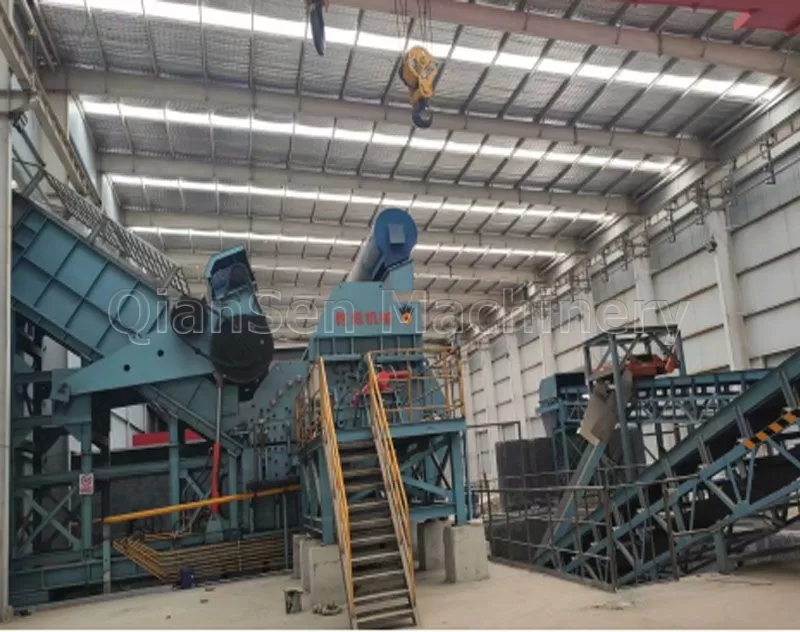
An industrial single shaft shredder uses a single rotating shaft outfitted with durable cutting knives to process heavy materials. A hydraulic pusher ram feeds raw scrap continuously against the spinning rotor.
Precision-ground counter-knives mounted inside the cutting chamber slice the material cleanly. An interchangeable screen beneath the rotor controls the final particle size before discharge.
This design easily handles erratic feeding and dense items without stalling. Operators can swap out bottom screens quickly to adjust output particle sizes based on downstream requirements.
Target Applications and Versatile Material Processing
A high-torque one shaft shredder adapts across multiple industrial sectors due to its controlled cutting action and uniform discharge sizes.
Waste metal & aluminum shredder applications: Used aluminum cans (UBC), automotive oil filters, aluminum extrusions, radiator scrap, and light electronic waste.
Industrial solid waste: Dense paper cores, heavy plastic purgings, rubber tires, textile bales, and solid wood waste.
Municipal solid waste (MSW): Refuse-derived fuel (RDF) preparation, mixed commercial waste, and bulky household waste pre-shredding.
5 Key Indicators for Choosing an Industrial One Shaft Shredder in 2026
Selecting a commercial single shaft shredder machine for sale requires looking closely at mechanical build specifications. Small gaps in machining tolerances lead to severe vibration and high operational costs later.
1. Rotor Design and Knife Alloy Quality
The rotor endures massive physical impact every second of operation. Buyers must inspect rotor construction, knife geometries, and cutter alloy grades closely.
Select blades made from premium tool steels such as D2 or DC53. Specialized vacuum heat treatments protect cutters from premature chipping when processing hard objects.
QianSen operates over 100 sets of advanced CNC machining centers, including large gantry milling machines and high-precision surface grinders. This machining capacity ensures perfect dynamic balance across the rotor shaft, eliminating destructive vibration.
2. Bearings and Drive System Protection
Bearings represent the core mechanical support inside any one shaft shredder. Standard off-the-shelf bearing units often fail quickly when fine metal dust or abrasive particles enter the housing.
Look for heavy-duty spherical roller bearings mounted in external cast steel housings. External positioning isolates the bearings from dust and debris generated inside the shredding chamber.
QianSen leverages the deep technical heritage of its parent group, Kingston Bearing. With decades of bearing manufacturing expertise, QianSen fits every shredder with custom multi-sealed bearing assemblies engineered for extreme shock loads.
3. Hydraulic RAM Push System Integration
The hydraulic ram must adjust its pushing speed automatically based on rotor electrical load. Fixed-speed pushers overload the motor and cause frequent machine jams.
Modern machines feature proportional hydraulic valves and load-sensing controls. When the rotor encounters dense material, the ram retracts slightly to allow the cutters to clear the material before resuming forward movement.
4. Screen Design and Granule Size Control
Screen design determines output uniformity. High-wear applications require screen plates made from abrasion-resistant alloys like Hardox.
Look for hydraulic screen cradles that drop down at the push of a button. Fast screen access allows operators to clean, inspect, or change screen sizes in minutes, maximizing uptime.
5. Energy Efficiency and Low-Carbon Operations
Power consumption makes up a huge portion of total operational expenditure. High-efficiency IE3 or IE4 electric motors paired with heavy-duty gearboxes lower energy draw significantly.
Optimized cutting geometry reduces the force needed to shear tough materials. Selecting an energy-efficient machine lowers your cost-per-ton and aligns with green manufacturing guidelines in this recycling equipment buying guide 2026.
Manufacturing Precision: How QianSen Engineers Long-Lasting Shredders
Machining precision dictates whether a heavy-duty single shaft shredder lasts five years or twenty. Fabricating shredding machinery requires rigorous quality control from raw steel cutting to final assembly.
QianSen executes every step in-house. Automated CNC plasma cutting, robotic welding, stress-relieving heat treatment, and precision milling happen under strict quality protocols.
Field-Tested Performance in Extreme Environments
Real-world recycling operations provide the ultimate proof of machine durability. QianSen does not just build machinery; the company puts its equipment to work in real recycling operations.
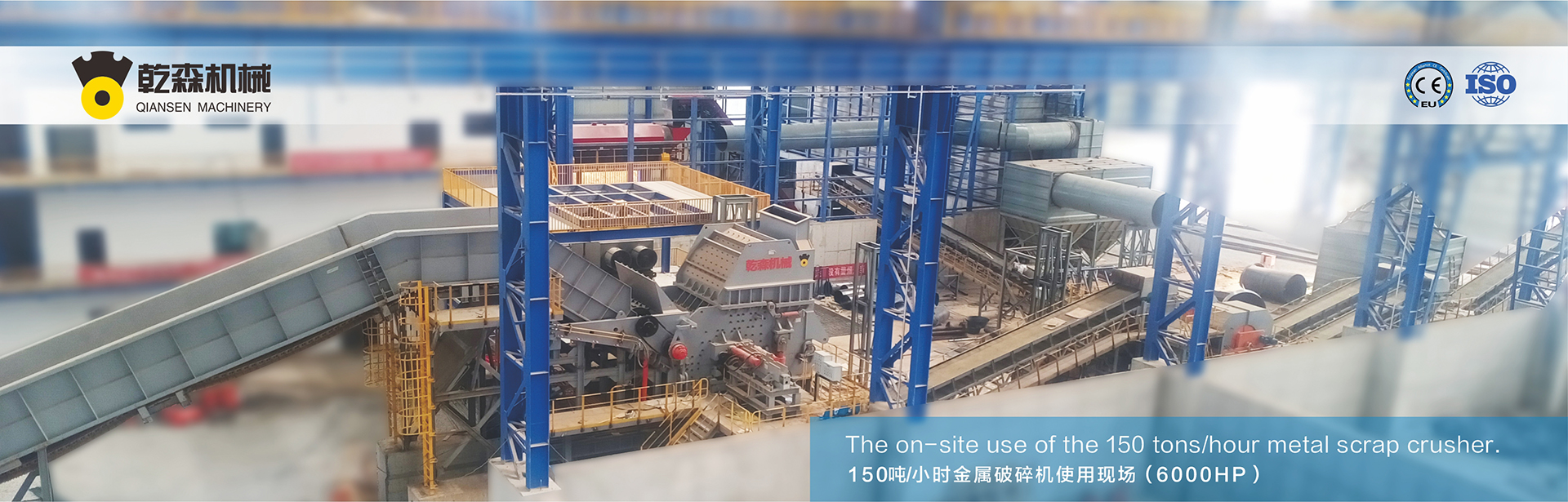
Since 2012, QianSen has operated its own self-built scrap steel recycling center. Featuring a massive 2,000 HP heavy metal processing line, this facility handles over 300,000 tons of scrap metal annually.
Every engineering upgrade on a QianSen one shaft shredder comes from real data gathered in this high-intensity environment. Our engineers refine shaft tolerances, blade angles, and bearing seals based on actual operational feedback.
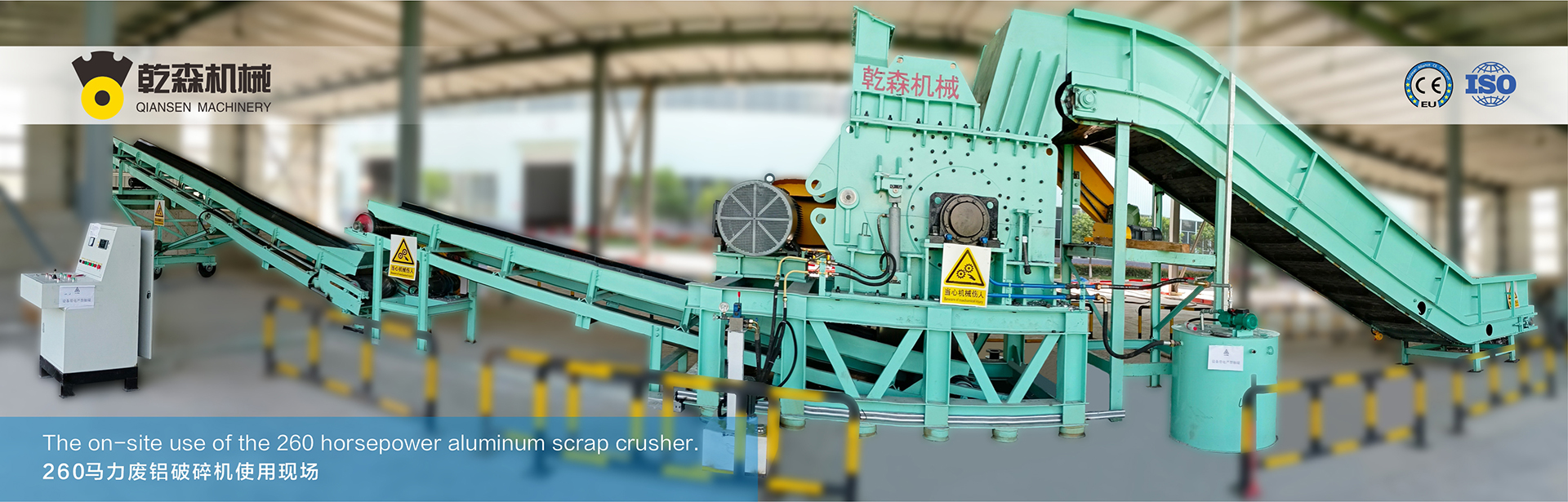
QianSen manufactures systems ranging from compact 200 HP single units up to massive 6,000 HP recycling lines, giving clients fully tailored solutions.
Maintenance Strategies to Maximize ROI
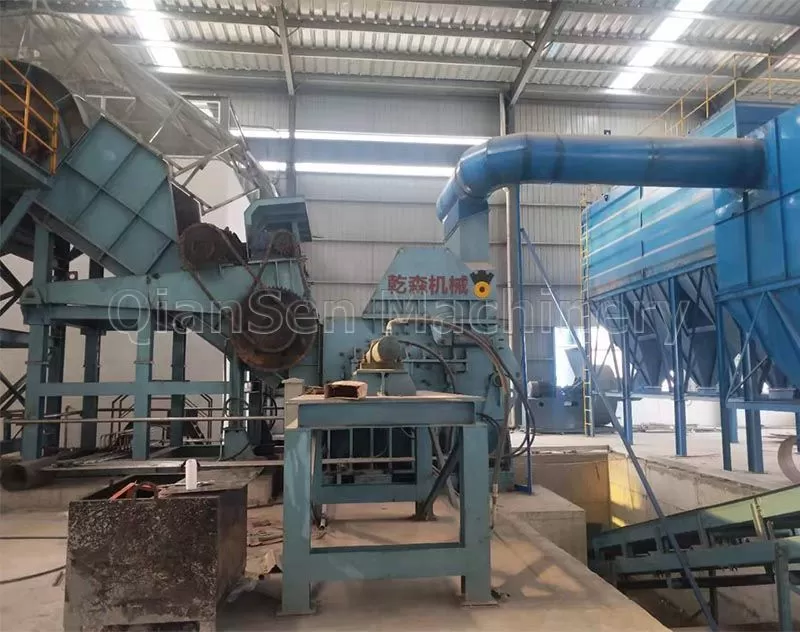
Regular preventive maintenance protects your machinery investment and guarantees smooth daily processing. Setting up a strict inspection routine prevents costly unexpected repairs.
Rotate knife edges regularly: Four-sided square blades allow operators to rotate worn edges up to three times before replacing them completely.
Monitor bearing lubrication: Automatic grease pumps maintain positive pressure inside bearing housings, keeping abrasive dust away from internal rolling elements.
Inspect screen clearance: Maintain tight tolerances between the rotating blades and screen plates to ensure clean cutting and high throughput.
Check hydraulic oil purity: Sample hydraulic fluid regularly to catch contamination early and protect proportional valves from wear.
QianSen supports clients with complete spare parts inventory, rapid global delivery, and full technical support to keep equipment operating at peak capacity.
Frequently Asked Questions (FAQ)
Q1: What materials can a high-torque one shaft shredder process?
A1: A single shaft shredder processes rigid plastics, thick rubber, paper rolls, wood pallets, municipal solid waste, and light non-ferrous scrap such as aluminum extrusions and oil filters.
Q2: How does a one shaft shredder differ from a double shaft shredder?
A2: A single shaft machine uses a hydraulic ram and a bottom screen to produce precise, uniform particle sizes. A double shaft shredder uses counter-rotating shafts without screens to tear down bulky items for initial volume reduction.
Q3: What factors influence the cost of a single shaft shredder machine for sale?
A3: Machine pricing depends on motor horsepower, rotor length, hydraulic pusher features, cutter alloy grade, bearing seal engineering, and overall CNC machining precision.
Q4: How often should operators replace or rotate cutting blades?
A4: Blade life depends on material abrasiveness. Operators typically rotate four-sided cutters every 300 to 500 operating hours when shredding plastics, and earlier when processing abrasive scrap metals.
Q5: Why is bearing construction critical when evaluating industrial shredder specs?
A5: Bearings absorb intense radial loads during heavy cutting. QianSen utilizes custom bearing designs engineered by Kingston Bearing to protect internal components against heavy shock loads and severe dust.
Partnering for Long-Term Recycling Success
Investing in an industrial one shaft shredder is a major operational decision. Look beyond initial equipment costs and focus on machining precision, bearing reliability, and real-world durability.
Choosing a machine built with heavy-duty components reduces maintenance costs and protects your processing throughput year after year.
QianSen brings over 20 years of precision engineering, state-of-the-art CNC machining infrastructure, and real-world scrap processing experience to every client project.
Ready to increase your processing capacity and lower cost-per-ton? Contact the technical sales team at QianSen today to request a customized equipment quote and engineering proposal for your facility!