




Why Do Standard Hammer Mills Fail on Cast Iron? Finding a Durable Car Engine Shredder
Released on Jul. 02, 2026
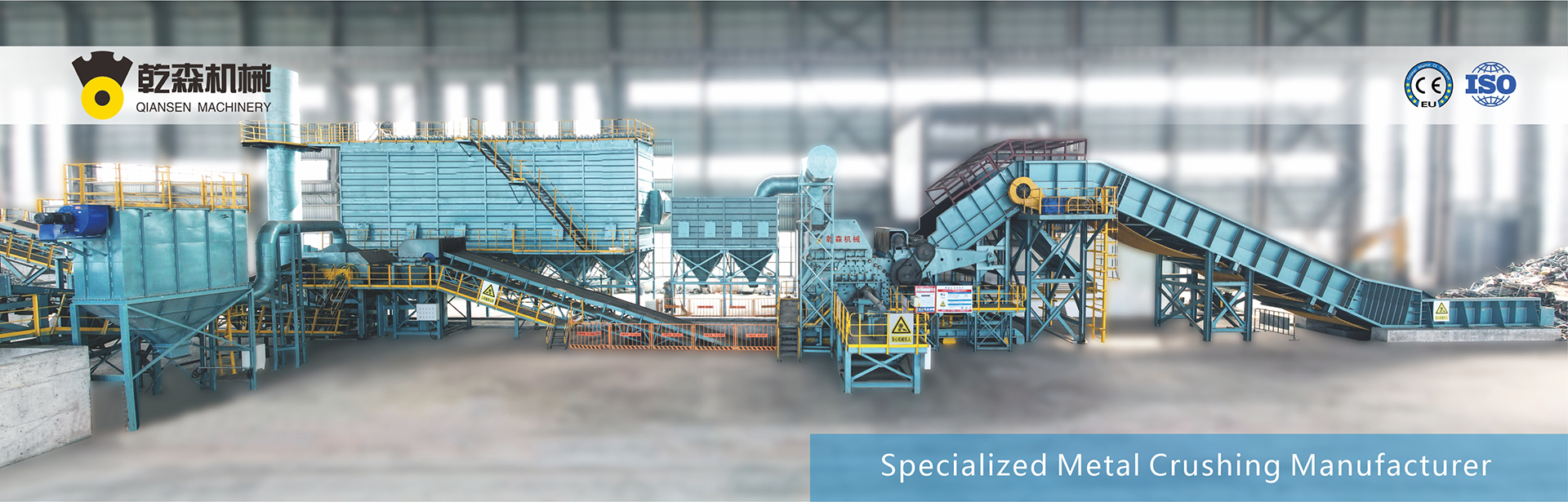
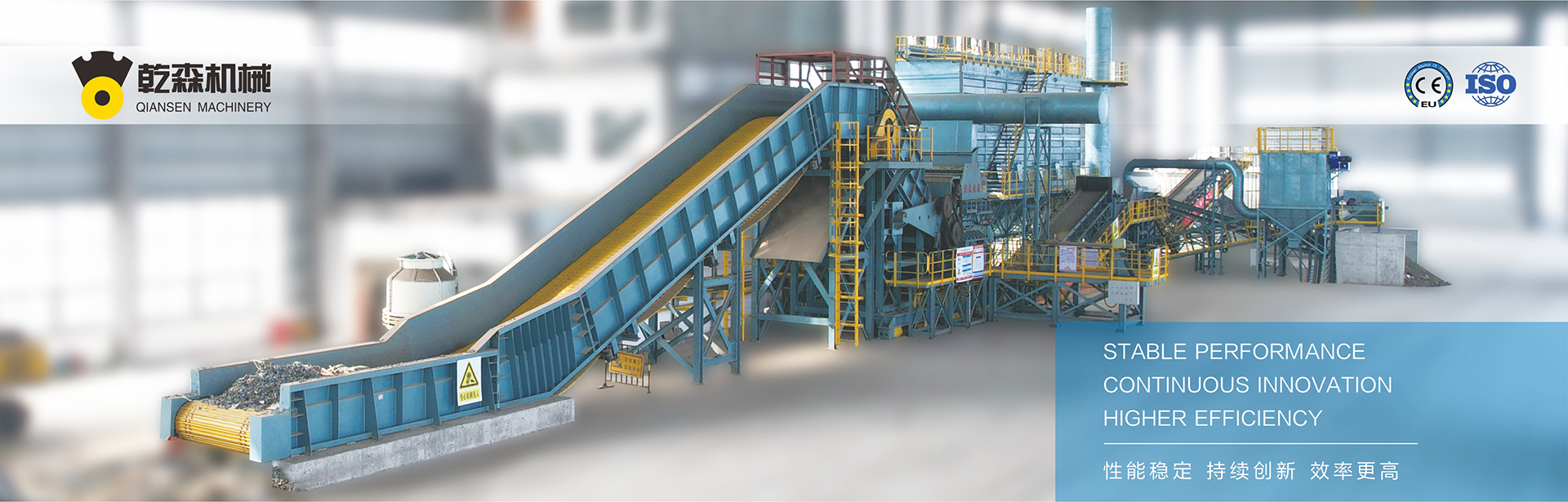
The processing of end-of-life vehicles (ELVs) presents a unique set of obstacles for metal recyclers. While sheet metal and chassis parts are easily handled by standard scrap shredders, the vehicle powertrain requires a more robust approach. An engine block contains high-strength alloys, steel shafts, cast iron heads, and cast aluminum casings, all bound together with residual fluids. To process these dense assemblies into clean, marketable furnace-ready fractions, scrap yards require a specialized car engine shredder. QianSen engineered systems address these requirements through durable structural designs and advanced material separation technologies.
The Processing Challenges of Scrap Automotive Powertrains
Processing mixed metal scrap from vehicle engines is a complex task. Unlike lighter scrap, engine blocks have varying material thicknesses and structural integrity. A typical engine assembly consists of cast aluminum or cast iron blocks, forged steel crankshafts, pistons, steel bolts, and copper wiring from alternators and starters. This variation in material hardness demands processing machinery capable of handling heavy shock loads without structural deformation.
The structural density of these assemblies means standard hammer mills suffer from accelerated wear or catastrophic structural failure when subjected to the impact forces needed to break down cast iron and forged steel. Without heavy-duty pre-shredding, the cost of maintenance can quickly exceed the profit margin of the recovered non-ferrous and ferrous fractions. Mechanized pre-sorting helps, but manual dismantling is labor-intensive and economically unfeasible for high-volume yards.
Another consideration involves fluid containment. Even after draining, engine blocks contain residual motor oil, coolant, and grease. A high-performance recycling line must handle these liquids without creating environmental hazards or causing conveyor slippage. The mechanical stress of shredding also generates significant heat, which can vaporize residual fluids, necessitating robust dust and emission control systems to comply with regional environmental regulations.
Engineering Principles of High-Capacity Car Engine Shredder Systems
To process such dense and varied feedstocks, a car engine shredder must rely on high torque and controlled speed rather than high-speed impact alone. QianSen design principles focus on a two-stage reduction process to manage these materials effectively.
Two-Shaft Pre-Shredders versus Heavy Hammer Mills
The initial reduction stage often utilizes a low-speed, high-torque dual-shaft shear or pre-shredder. This machine uses hydraulic drives to rotate heavy-duty alloy steel shafts in opposite directions. The knives grab the engine blocks, crushing the cast iron casings and shearing steel shafts into manageable chunks. This initial sizing stage prevents shock loads on downstream equipment and ensures a steady material flow.
Once pre-shredded, the material moves to a heavy-duty hammer mill or vertical shredder. Here, high-mass hammers strike the pre-sized scrap against anvil plates. This process serves two purposes: it further reduces the size of the metal fragments and densifies the scrap. The hammering action knocks loose steel bolts from aluminum casings and strips copper windings from electric components, creating a highly liberated mixture of individual metals. This mechanical liberation is a key factor in achieving high-purity downstream sorting.
Rotor and Knife Metallurgy for Heavy Impact
Wear parts are the primary operating expense in any metal shredding facility. The rotor in a car engine shredder must be constructed from forged alloy steel, protected by replaceable wear plates. The hammers or knives require specific heat treatment to achieve a hard, wear-resistant outer layer while maintaining a ductile core to absorb repetitive impacts without cracking. Manganese steel or specialized chromium alloys are typically employed to handle the extreme abrasive forces of cast iron and aluminum oxide.
Separation and Recovery of Ferrous and Non-Ferrous Metals
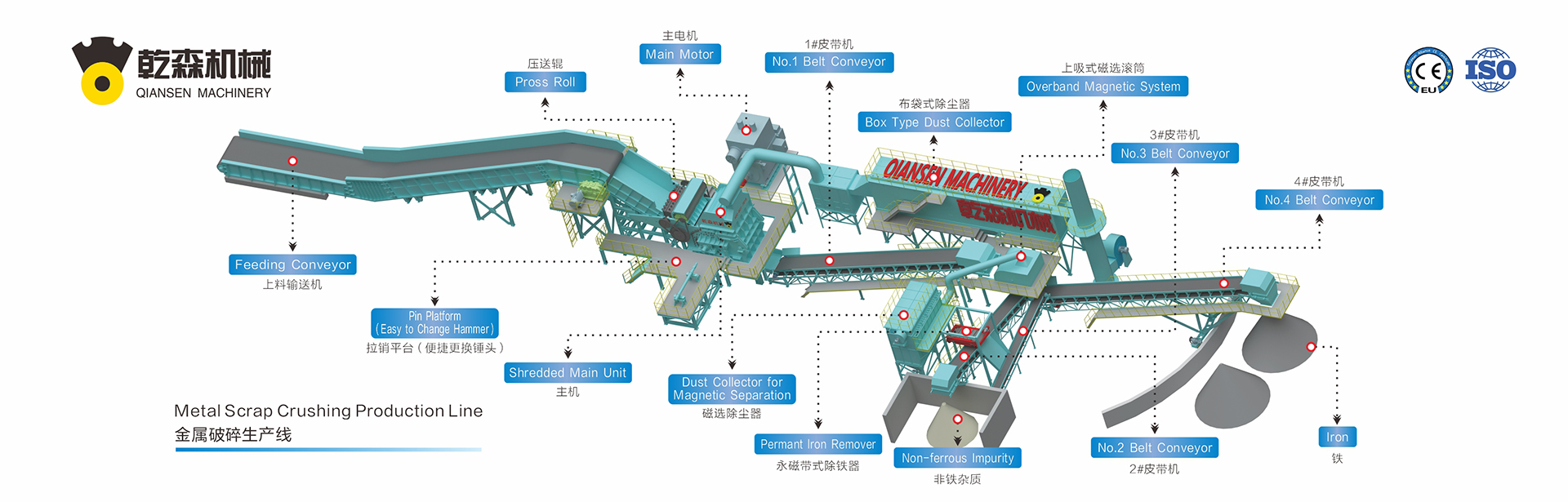
Shredding is only the first phase of the recycling process. The commercial value of the operation relies on the clean separation of the resulting material stream. Once the car engine shredder reduces the engine blocks into dense, fist-sized fragments, the material passes through a series of sorting stages designed to isolate high-value metals.
Magnetic Separation: The shredded stream first passes under high-intensity overbelt magnets or over magnetic head pulleys. This step extracts the ferrous materials, such as cast iron pieces, steel fasteners, and steel crankshaft fragments. The separated ferrous scrap is highly sought after by steel mills due to its high density and low copper contamination.
Eddy Current Separation: After removing the magnetic fraction, the remaining material consists primarily of non-ferrous metals (predominantly cast aluminum) and non-metallic residues (rubber, plastics, and glass). An eddy current separator uses a high-speed rotating magnetic rotor to induce electrical currents in the non-ferrous metals. This creates a magnetic field that opposes the rotor's field, throwing the aluminum away from the non-metallic waste into a separate collection chute.
Air Classification: Light fractions, including plastic gaskets, residual paper, and light aluminum foil, are separated from the heavy metals using air air-classifiers or zig-zag separators. This step is necessary to ensure the final aluminum fraction meets strict purity standards for secondary aluminum smelters.
Operational Factors Influencing Efficiency and Wear Life
Operating a large-scale recycling line requires balancing power consumption with output quality. Several variables determine the overall efficiency of a car engine shredder installation.
Feed rate regulation is a primary operational variable. Overfeeding the shredding chamber leads to rotor stalls and excessive heat buildup. Modern scrap processing systems use automated sensor-driven feeding systems. If the main motor current spikes, the feeder temporarily slows down or reverses, allowing the rotor to clear the material before resuming normal operation. This automated regulation reduces wear on the drive system and minimizes downtime.
Screen grate maintenance is another vital operational task. The size of the shredded output is determined by the grate openings beneath the rotor. As these grates wear, the opening sizes increase, leading to oversized scrap passing through to the sorting line. Regular inspection and timely rotation or replacement of the grates are necessary to maintain consistent product quality and prevent overloading the downstream separation equipment.
Lubrication and cooling systems must be robust. Bearings in a car engine shredder are subjected to extreme radial and axial loads, alongside high ambient temperatures and dust. Automatic lubrication systems are necessary to deliver clean grease to the bearings at regular intervals, flushing out contaminants and heat. Water injection systems can also be used inside the shredding chamber to control dust and cool the hammers, although water volume must be carefully managed to avoid excessive sludge formation.
Choosing the Right Car Engine Shredder Configuration for Your Yard
Scrap yards must match their machinery selection with their raw material supply and target output markets. A facility processing 50 end-of-life vehicles per day requires a different setup compared to an industrial scrap processor handling hundreds of tons of engine blocks weekly. The choice between electric motor drives and diesel-hydraulic drives is one of the initial decisions, with electric drives offering lower operational costs in fixed yards, while hydraulic systems provide superior torque control and shock absorption.
For small to medium operations, a single high-torque dual-shaft shredder followed by manual sorting may suffice to recover aluminum and steel. However, larger industrial facilities benefit from integrated multi-stage processing lines that automate the feeding, shredding, magnetic separation, and eddy current sorting. QianSen offers customizable plant layouts designed to minimize material handling costs and maximize the recovery rate of valuable non-ferrous metals, ensuring a solid return on investment for high-volume processors.
Inquiry and Consulting Services for Scrap Metal Recyclers
Selecting the appropriate shredding system requires careful analysis of your feedstock characteristics, desired throughput, and downstream market requirements. QianSen provides comprehensive engineering evaluations and system design services to help scrap metal processors establish efficient and profitable operations. Contact our engineering team today to request a detailed system proposal, obtain equipment specifications, or schedule a consultation for your scrap yard project.
Frequently Asked Questions
Q1: What is the typical throughput capacity of a car engine shredder?
A1: Capacity varies widely depending on the model and system configuration. Smaller dual-shaft shredders can process between 3 to 8 tons per hour, while large, fully integrated industrial systems with heavy hammer mills can handle upwards of 20 to 40 tons of scrap engines and heavy metal packages per hour.
Q2: How does the system handle residual oils and engine fluids?
A2: While vehicles should be drained before processing, a well-designed shredding line includes integrated liquid collection pans beneath the conveyors and shredder housing. Additionally, dust filtration systems and dry cyclones are utilized to manage airborne particulates and mist generated during the shredding process.
Q3: What wear parts require the most frequent replacement?
A3: The components in direct contact with the metal feedstock wear the fastest. This includes the hammers, cutter discs, shredding knives, side liners, and screen grates. Using high-manganese steel and chromium-molybdenum alloys helps extend the operational lifespan of these parts.
Q4: Can a car engine shredder process electric vehicle (EV) motors?
A4: Electric vehicle motors present different challenges compared to internal combustion engines due to the high concentration of copper windings and high-strength neodymium magnets. While the mechanical shredder can break down the outer casings and rotors, specialized downstream sorting and safety protocols are required to handle the copper and magnetic materials safely and efficiently.
Q5: How is copper separated from aluminum and steel in these systems?
A5: The shredding process physically detaches copper components (like starter motors and alternators) from the steel and aluminum blocks. Magnetic separators first extract the ferrous steel, and then a combination of sensor-based sorting, eddy current separators, and manual picking lines are used to isolate the copper from the aluminum fraction.