




Reduce Maintenance Costs and Recover High-Purity Metals from Engine Blocks
Released on Jul. 02, 2026
Automotive recycling facilities handle a diverse stream of metallic waste, among which end-of-life vehicle (ELV) powertrains represent both the most valuable and the most structurally resistant components. Processing an engine block in shredder installations requires a comprehensive understanding of metallurgy, mechanical forces, and machine wear dynamics. Because these assemblies consist of highly durable alloys, hardened steel shafts, and volatile fluid residues, standard scrap processing methods are often insufficient. Specialized heavy-duty machinery must be utilized to reduce these dense structures into clean, furnace-ready scrap.
For metal recyclers and foundry suppliers, recovering clean steel, iron, and aluminum from propulsion units is key to maintaining profitability. Achieving high purity in the output streams requires precise control over the physical reduction process. Equipment manufactured by QianSen is designed to address the specific physical stresses associated with high-impact scrap reduction, ensuring steady throughput while managing operational wear.
The Structural Composition of Engine Assemblies and Shredding Challenges
An engine block is not a homogenous piece of metal. It is a complex assembly of cast iron, aluminum alloys, high-carbon steel, and non-ferrous bushings. Analyzing how these materials behave under mechanical stress is the first step in configuring an effective size-reduction system.
Cast Iron versus Aluminum Alloys
Historically, gray cast iron was the dominant material for passenger and commercial vehicle engine blocks. Gray iron possesses high compressive strength but is relatively brittle, meaning it tends to fracture under high-impact forces. When an older engine block in shredder feed systems is subjected to heavy hammer impacts, it breaks into clean fragments relatively quickly, provided the impact energy is sufficient.
Modern passenger vehicles, however, predominantly use aluminum alloy blocks to reduce vehicle weight. Aluminum is highly ductile and does not fracture as easily as cast iron. Instead, it deforms, stretches, and can tear, which demands different cutting and shearing actions. Aluminum blocks also contain cast-iron or steel cylinder liners shrunk-fit into the bores. The shredder must apply enough mechanical force to delaminate these metallurgical bonds, separating the aluminum casing from the ferrous liner to prevent downstream contamination.
Internal Components and High-Tensile Steel Hazards
While the block casing itself may be brittle or ductile, the internal rotating assembly presents a different set of challenges. Crankshafts, camshafts, and connecting rods are fabricated from forged steel, often alloyed with manganese, chromium, or molybdenum, and heat-treated for maximum tensile strength. These components do not shatter upon impact.
If these high-tensile components enter the shredding chamber intact, they exert massive loads on the rotor, shafts, and bearings. If the machinery is under-powered or lacks adequate shock absorption, these internal parts can cause catastrophic rotor damage or jam the system. Consequently, the feed preparation and the physical clearance between the hammers and the anvil must be calibrated to handle these non-friable elements.
Mechanics of Processing an Engine Block in Shredder Chambers
The reduction of dense scrap metal involves a series of stages that transition the material from a whole assembly into small, segregated, and clean metal fragments. To process an engine block in shredder systems efficiently, a multi-stage approach is typically employed.
The process generally proceeds through the following physical transitions:
Pre-Sorting and Fluid Depollution: Before any mechanical reduction, all engine blocks must undergo strict depollution. This step removes residual engine oil, coolant, and transmission fluids. Removing these liquids reduces the risk of combustion inside the processing chamber and prevents environmental contamination of the scrap yard floor.
Primary Shearing or Pre-Shredding: Direct feeding of a whole engine block into a high-speed hammer mill can cause excessive wear and sudden torque spikes. Many modern facilities utilize a low-speed, high-torque twin-shaft shear as a pre-shredder. This machine cracks the outer block and bends the crankshafts, reducing the overall volume and density of the feed material.
Secondary Hammer Mill Reduction: The pre-fractured pieces then enter the main high-speed hammer mill. Here, massive swing hammers mounted on a heavy rotor crush the metal against breaker blocks and grates. This intense kinetic energy knocks loose the steel liners from aluminum housings and scrubs away paint, dirt, and carbon deposits.
Grating and Sizing: The bottom of the shredding chamber is lined with heavy steel grates. The material remains in the active crushing zone until it is broken down to a size small enough to pass through the grate openings, typically ranging from 50mm to 150mm depending on the target furnace specifications.
By breaking the process down into distinct stages, operators can maintain a more consistent electrical load on the main drive motor, reducing peak demand charges and preventing premature fatigue of the internal structural walls of the machine.
Engineering Safeguards Against Structural Wear
The high-impact forces required to shatter cast iron and tear aluminum alloy blocks generate significant friction and structural stress. Without robust wear protection, the operational lifespan of the processing equipment would be severely shortened. Manufacturers like QianSen focus heavily on the metallurgy of internal wear liners and hammer assemblies to offset these operating costs.
The rotor is the heart of the secondary shredder and represents the highest capital investment within the machine. Rotors must be protected by replaceable end disks and body caps fabricated from high-strength alloy steel. The hammers, which deliver the direct blows to the scrap, are typically cast from manganese steel or specialized alloy steels that work-harden under continuous impact. This means the material actually becomes harder and more wear-resistant as it continues to strike the incoming engine blocks.
Furthermore, the internal walls of the processing chamber are lined with replaceable wear plates. These plates are bolted or wedged into place, allowing maintenance crews to swap them out during scheduled downtime rather than rebuilding the structural frame of the machine. The anvil blocks and counter-knives must also be adjustable to maintain the correct tolerance between the rotating hammers and the stationary cutting edges, ensuring clean shearing rather than inefficient material folding.
Downstream Separation and Material Recovery
Once the engine block in shredder systems has been reduced to the proper physical size, the resulting mixture of metals must be sorted into high-value, clean fractions. The shredded output consists of a mixture of ferrous metals (cast iron, steel liners, bolts), non-ferrous metals (aluminum block fragments, brass bushings, piston crowns), and non-metallic residues (gaskets, plastics, residual rubber hoses).
The separation process typically relies on a series of automated inline sorting stages:
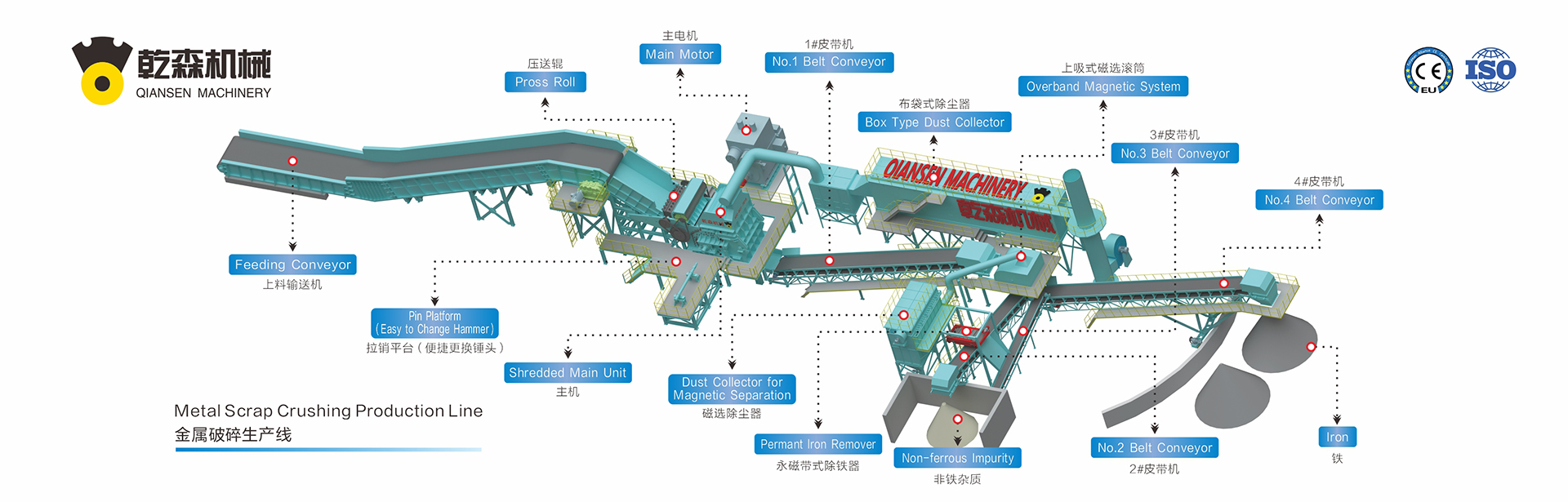
Magnetic Drum Separators: The shredded material first passes under a high-intensity magnetic drum or over-belt magnet. This instantly pulls the ferrous fragments (iron and steel) away from the non-ferrous and non-metallic stream. The recovered ferrous metal is highly valued by steel mills and iron foundries due to its density and known chemical composition.
Air Classification (Cyclone/Z-Box): Lightweight materials such as paper, plastic gaskets, and loose dirt are separated from the heavier metal fractions using controlled air currents. This step cleans the metal streams and prepares them for precise color or density sorting.
Eddy Current Separators: The non-magnetic stream, consisting largely of aluminum from the engine casings, is directed over an eddy current separator. This device uses a rapidly spinning magnetic rotor to induce electrical currents inside the conductive non-ferrous metals, creating a repelling force that ejects the aluminum fragments into a dedicated collection hopper, leaving behind the inert waste.
This automated sequence ensures that the mixed metals are categorized with minimal hand sorting, reducing labor costs and yielding high-purity raw materials that command premium prices on the global scrap market.
Operational Parameters and Power Requirements
Operating a scrap processing line of this scale requires careful management of energy consumption and machine throughput. Processing an engine block in shredder chambers requires substantial horsepower. Typically, primary pre-shredders utilize dual hydraulic motors ranging from 200 to 400 horsepower, which provide maximum torque at low speeds to handle sudden resistance without stalling.
The secondary hammer mills, which perform the final liberation of the composite metals, are driven by large electric motors, often ranging from 1,000 to over 4,000 horsepower. These motors are paired with liquid-cooled slip-ring starters or variable frequency drives to manage the massive inrush current required to start the heavy rotor. Maintaining a steady feed rate is important; over-feeding the system can choke the chamber, leading to rapid heat buildup and potential motor overloads, while under-feeding reduces the efficiency per kilowatt-hour consumed.
Sourcing Custom Scrap Processing Solutions
Every recycling yard has distinct logistical constraints, power limitations, and target output purity goals. Selecting the appropriate machinery involves balancing initial capital expenditure with long-term maintenance costs and throughput expectations. Because processing automotive powertrains involves high mechanical stress, off-the-shelf shredding systems often fail to meet the durability demands of continuous operations.
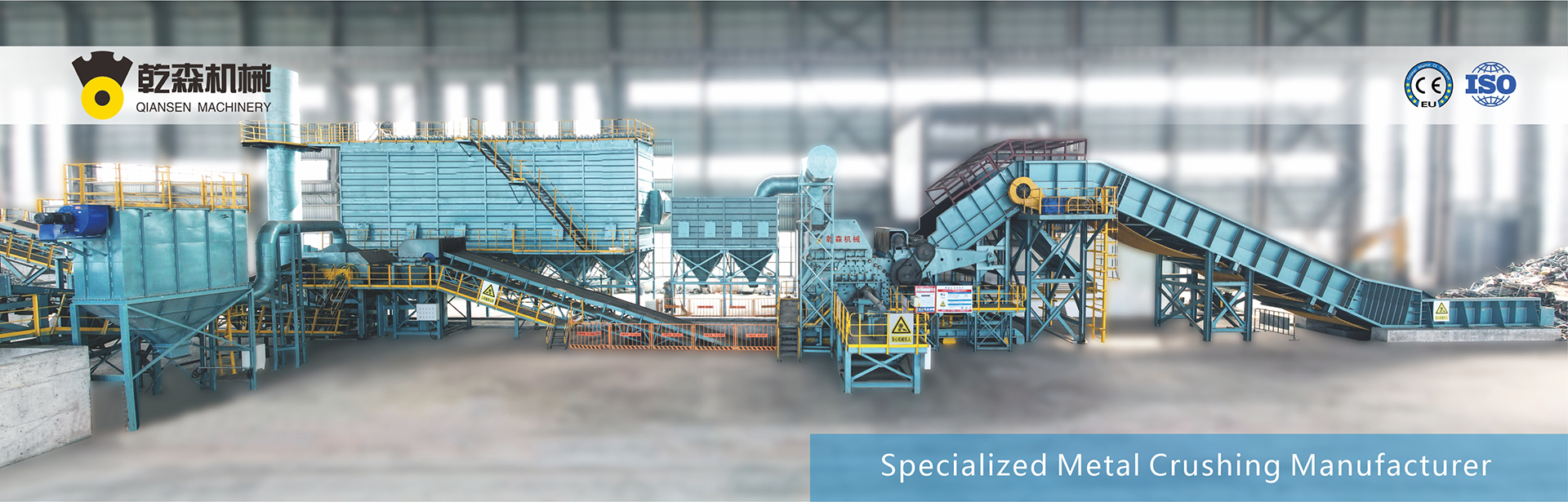
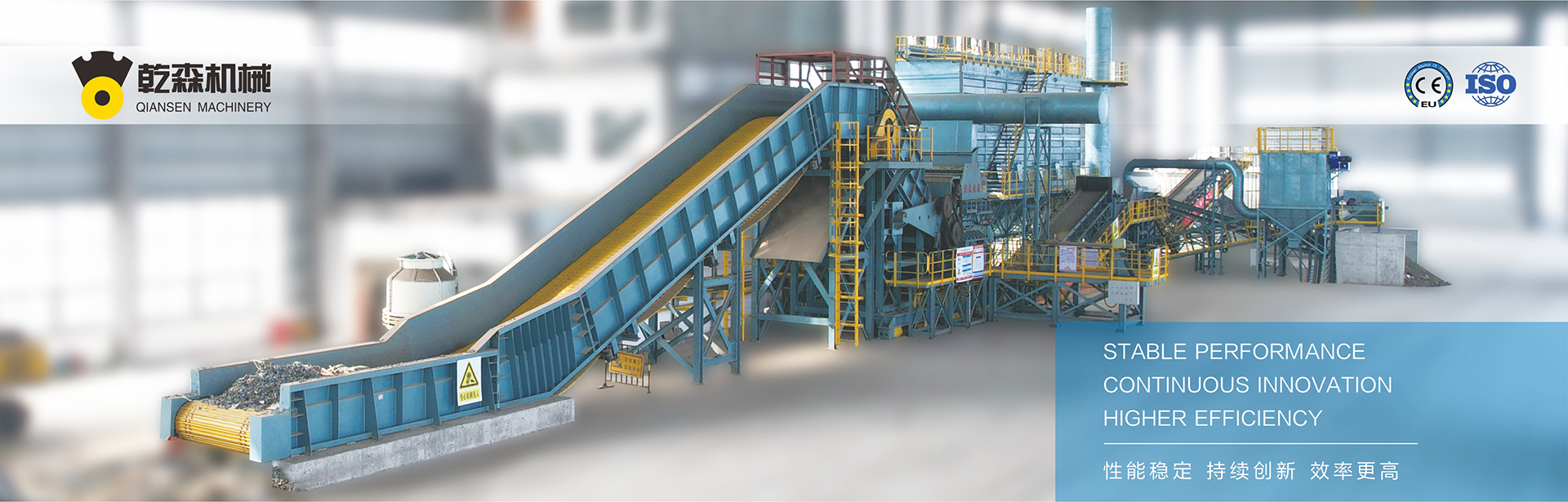
QianSen designs and manufactures heavy-duty scrap metal processing machinery tailored to meet the challenges of processing dense iron and aluminum scrap. By utilizing high-grade wear-resistant alloys, advanced hydraulic drive systems, and robust rotor designs, our equipment helps operators maintain steady production rates while lowering overall maintenance overhead. To discuss your specific material processing capacity, input specifications, and downstream sorting requirements, please contact our engineering team today to submit an inquiry and receive a detailed system proposal.
Frequently Asked Questions
Q1: Can an engine block in shredder systems be processed without removing the steel crankshaft first?
A1: Yes, heavy-duty industrial shredders, particularly those preceded by a high-torque pre-shredder, can process engine blocks with the crankshafts and camshafts still installed. However, doing so increases the wear rate on the hammers and liners. Pre-shredding is highly recommended to reduce these components before they enter the high-speed hammer mill.
Q2: How do operators prevent fires inside the shredder when processing engine blocks?
A2: Fires are prevented by enforcing strict pre-drainage protocols to remove all fuel, engine oil, and coolant before the blocks reach the conveyor. Additionally, many large-scale shredding systems are equipped with water injection systems that spray a fine mist into the shredding chamber to suppress sparks and control dust emissions.
Q3: What is the average lifespan of the hammers when processing heavy cast iron engine blocks?
A3: Hammer lifespan varies based on the alloy used, the ratio of cast iron to aluminum in the feed, and the cleanliness of the scrap. Generally, manganese steel hammers will last between 100 to 300 hours of continuous operation before they need to be turned or replaced due to profile wear.
Q4: Why is magnetic separation highly effective after processing an engine block?
A4: The high-impact action of the hammer mill breaks the mechanical and chemical bonds between the steel cylinder liners, bolts, and the aluminum block casing. Once completely liberated, the magnetic drum easily pulls the highly magnetic ferrous parts away from the non-magnetic aluminum, resulting in two clean, distinct product streams.
Q5: Can electric vehicle (EV) motor casings be processed in the same shredder as traditional engine blocks?
A5: EV electric motors can be processed, but they present different material compositions, primarily copper windings wrapped around steel rotors, rather than cast iron or aluminum blocks. While the shredder can physically reduce these components, operators must adjust their downstream separation systems to efficiently recover the high-value copper fractions.