




2026 Car Shredding Machine Price Guide: Understanding CAPEX and ROI
Released on Jul. 27, 2026
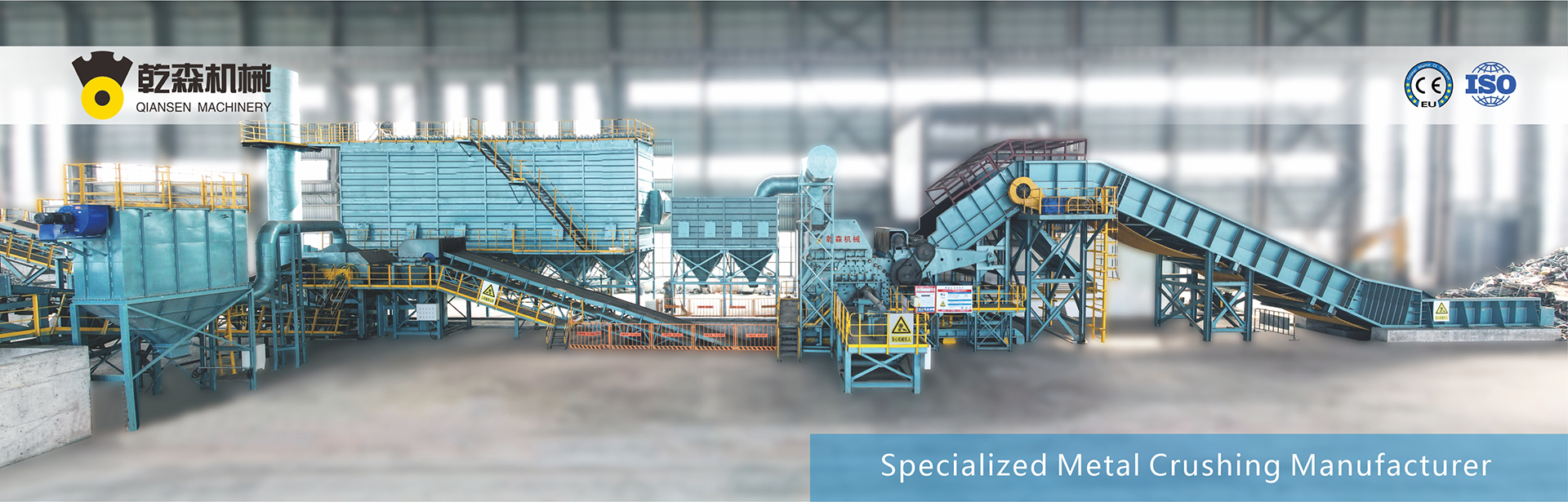
Investing in a heavy-duty End-of-Life Vehicle (ELV) recycling plant represents a monumental capital expenditure (CAPEX). When facility operators and investors research the car shredding machine price, they quickly discover a massive variance in quotations across the global market. Prices can range from several hundred thousand dollars for entry-level pre-shredders to multi-million-dollar mega-plants. In the heavy recycling industry, securing the lowest initial purchase price is frequently a fatal financial mistake. The true profitability of a scrap yard is dictated by the Total Cost of Ownership (TCO)—which includes continuous uptime, minimal maintenance, and the highest possible purity of the sorted scrap output. This guide breaks down the engineering variables that dictate equipment pricing and how to calculate a realistic Return on Investment (ROI).
The Price Tiers: Horsepower and Throughput Capacity
The primary driver of a car shredding machine price is its processing capacity, typically measured in Tons Per Hour (TPH) or the number of vehicle bodies processed per hour. This capacity is directly linked to the physical size of the rotor and the horsepower (HP) of the main drive systems.
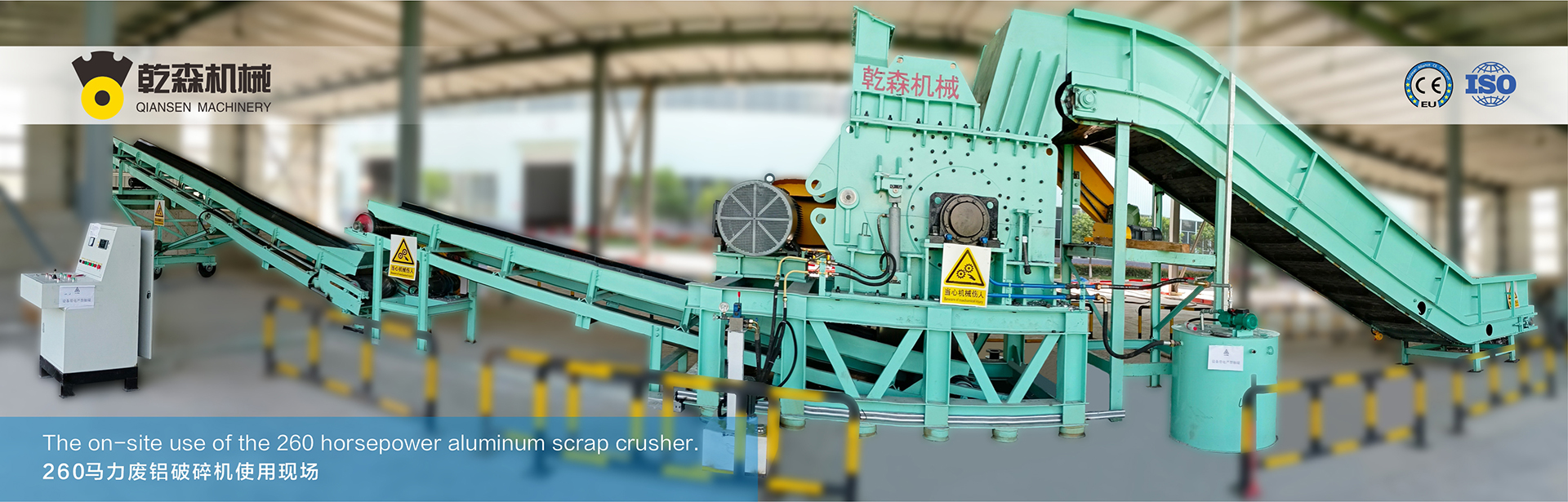
Entry-level to mid-range systems, operating between 1,000 HP and 2,500 HP, are designed for regional scrap yards. These systems effectively process pre-crushed car bodies, mixed white goods, and light structural steel, typically yielding 20 to 50 TPH.
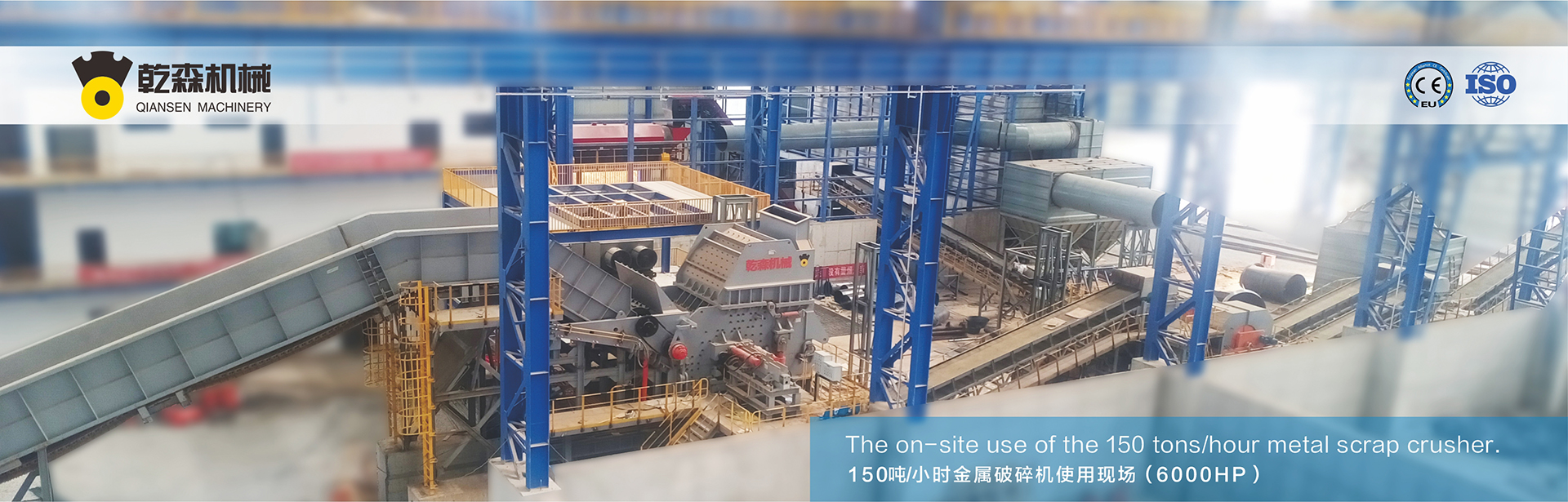
In contrast, mega-shredders operating at 4,000 HP to 6,000+ HP command premium pricing. These massive industrial installations are designed for relentless, 24/7 operations, capable of consuming dense engine blocks, heavy forged axles, and baled vehicles at rates exceeding 100 TPH. The financial leap between these tiers accounts for massive upgrades in electrical substation requirements, thicker armored housings, and heavier cast steel rotors to maintain crushing inertia.
Deconstructing the Cost: Where Does the Money Go?
When comparing quotations from different heavy machinery manufacturers, procurement directors must evaluate the specific metallurgical and engineering components included in the build.
Rotor Metallurgy and Wear Parts
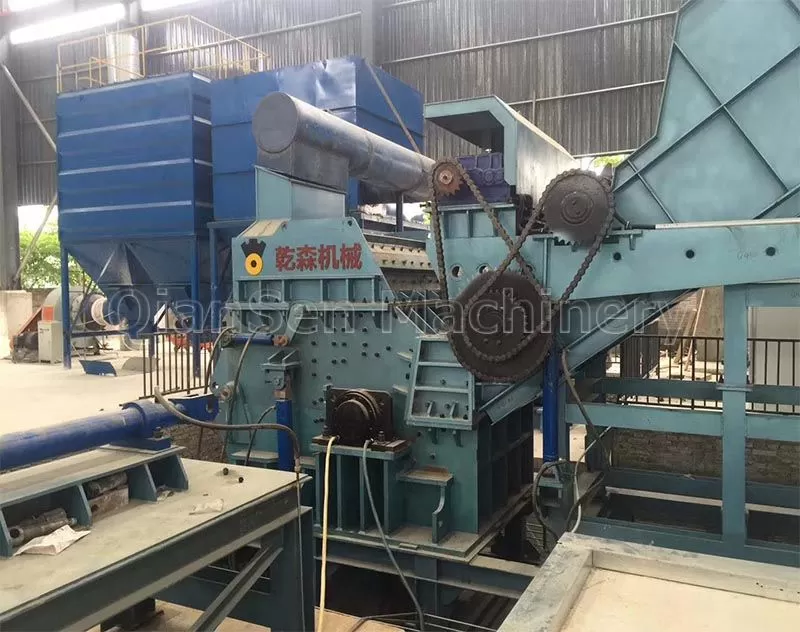
The cutting blades, anvils, and swinging hammers endure extreme kinetic violence and abrasion. Budget manufacturers utilize standard carbon steel to artificially lower the upfront car shredding machine price. However, premium manufacturers cast their hammers from austenitic manganese steel. This specialized alloy work-hardens upon impact; the more it strikes the scrap, the harder the outer layer becomes. Furthermore, premium rotors feature extensive hardfacing (tungsten carbide welding) on high-wear zones. While these materials increase the initial CAPEX, they drastically reduce the Operational Expenditure (OPEX) by extending the intervals between costly hammer replacements and minimizing facility downtime.
Hydraulic Drives and Smart Automation
Processing automotive steel occasionally introduces uncrushable objects into the cutting chamber. A low-cost machine utilizing basic electrical drives will stall, potentially snapping the drive shaft or catastrophically burning out the main motor. High-end systems utilize robust hydraulic drives paired with intelligent Programmable Logic Controllers (PLCs). If a jam occurs, the PLC detects the pressure spike in milliseconds, instantly halting and reversing the rotors to clear the obstruction. This automated self-protection technology is a critical insurance policy for your multi-million-dollar investment.
Downstream Separation: The Catalyst for ROI
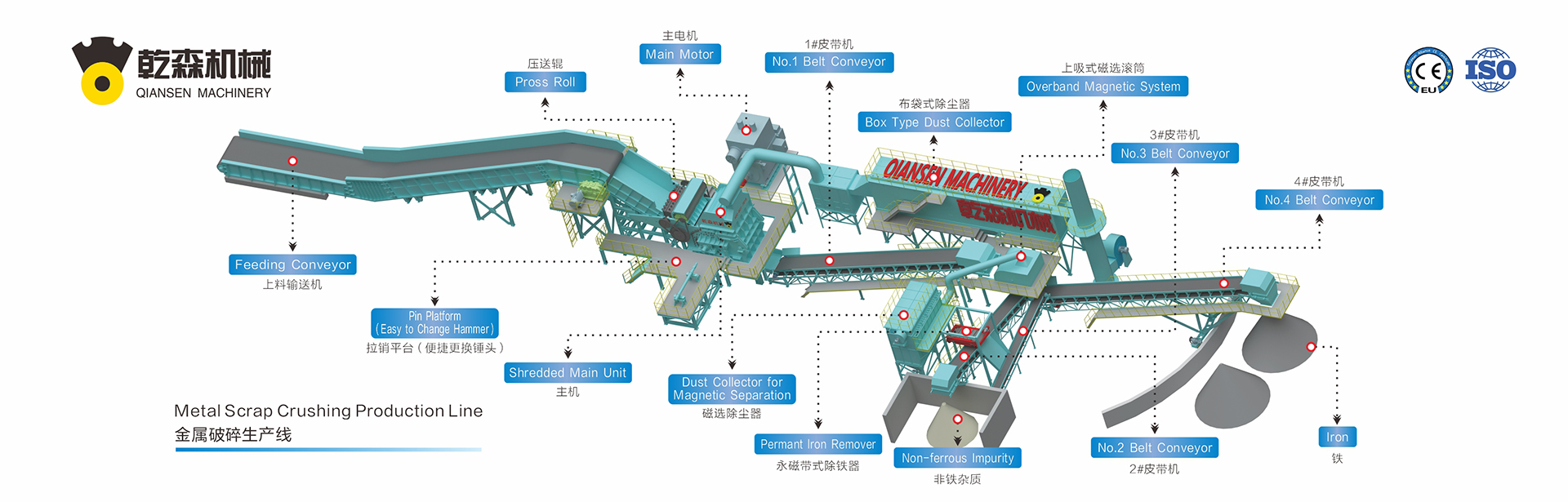
Evaluating the price of the shredder alone ignores the most critical aspect of the recycling business: revenue generation. Ripping a car into fragments is only the first step. The shredded mixture (Auto Shredder Residue, or ASR) contains steel, aluminum, copper wire, plastics, and glass. Steel mills will heavily penalize or reject scrap loads contaminated with rubber or copper.
A comprehensive, high-ROI quotation includes advanced downstream separation infrastructure. This involves heavy-duty overband magnetic drums to extract 99% pure ferrous steel nuggets. More importantly, it includes Eddy Current Separators (ECS) and optical sorters. The ECS utilizes rapidly spinning magnetic fields to repel and recover highly valuable non-ferrous metals like aluminum engine fragments and copper. A system that efficiently recovers these high-margin non-ferrous metals will dramatically accelerate the payback period of the entire facility.
Frequently Asked Questions
Q1: What is the typical payback period (ROI) for a complete
automotive shredding line?
A1: Depending on the
local market price for shredded steel (zorba) and the facility's ability to
secure a steady supply of ELVs, a well-engineered, high-uptime plant typically
sees a full return on investment within 18 to 36 months.
Q2: Does the quoted car shredding machine price include installation
and commissioning?
A2: This varies by manufacturer.
Premium suppliers provide turnkey solutions, meaning the quotation includes
factory-trained engineers flying to your site to oversee the foundation pouring,
mechanical assembly, electrical wiring, and final operational commissioning.
Q3: How much do replacement wear parts cost
annually?
A3: Annual OPEX for wear parts (hammers,
grates, liner plates) typically ranges from 5% to 10% of the initial machine
cost, heavily dependent on your operating hours and the abrasiveness of the
scrap mixture being processed.
Q4: Why is a twin-shaft pre-shredder often recommended before the
main hammermill?
A4: A pre-shredder slowly rips the
car open, releasing trapped explosive gases from hidden fuel tanks and
preventing violent explosions inside the main high-speed hammermill. It also
provides a consistent, metered feed of scrap to the main motor, preventing
electrical power surges.
Maximize Your Recycling Profitability with QianSen
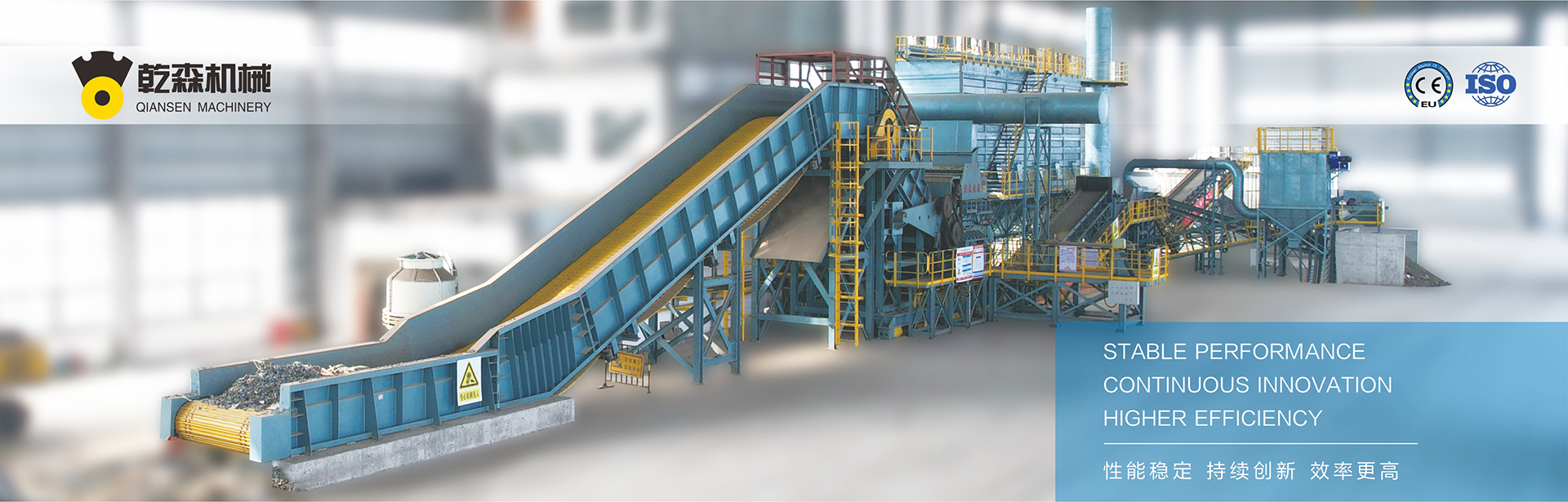
When investing in heavy-duty ELV processing infrastructure, purchasing decisions based solely on the lowest initial price inevitably lead to paralyzed production lines and contaminated, low-value scrap. True profitability requires rugged engineering, advanced metallurgy, and intelligent material separation. As a front-line brand and a leading manufacturer of industrial scrap processing and environmental protection equipment, QianSen engineers turnkey shredding lines designed to maximize your long-term ROI. We utilize custom-forged manganese wear parts, advanced auto-reverse hydraulics, and high-recovery eddy current systems to ensure your plant runs continuously and profitably. Contact the heavy engineering division at QianSen today to discuss your target throughput, receive a comprehensive layout analysis, and secure a transparent, competitive quotation for your facility.