




How to Evaluate Hydraulic Torque and Rotors in a Giant Car Shredder
Released on Jul. 24, 2026
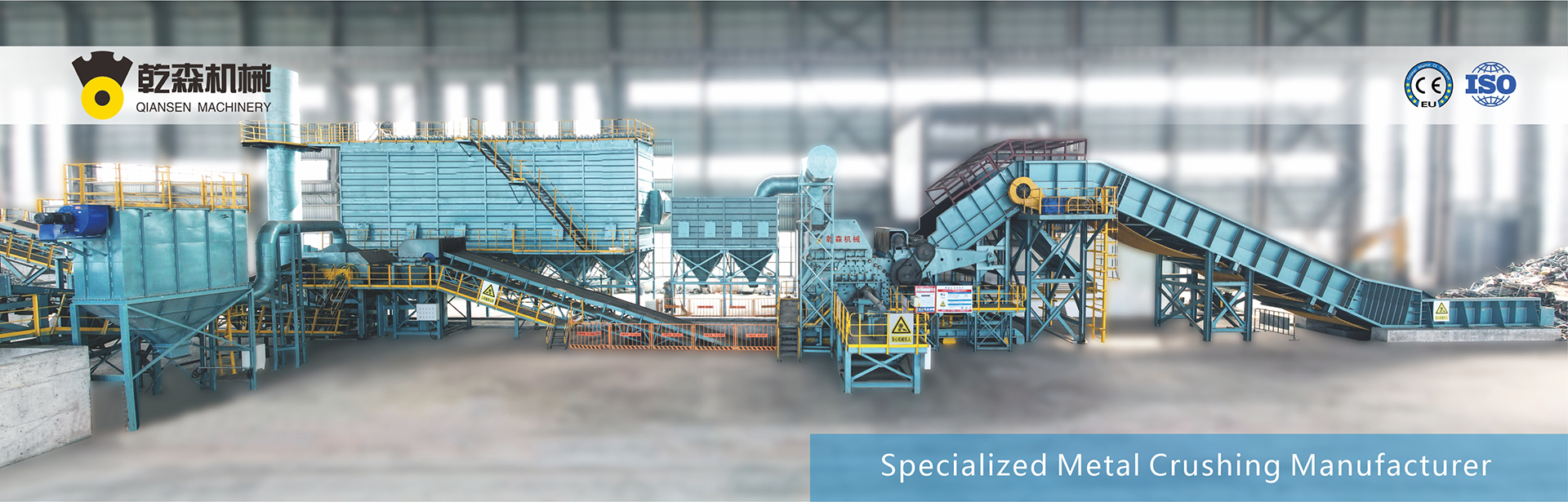
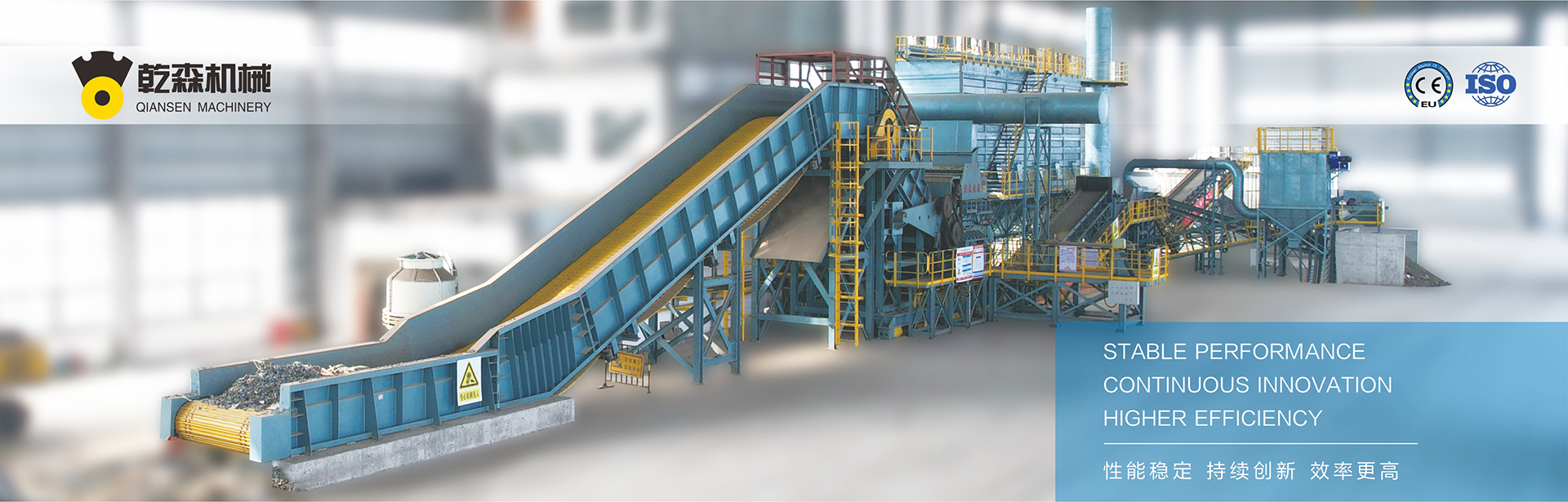
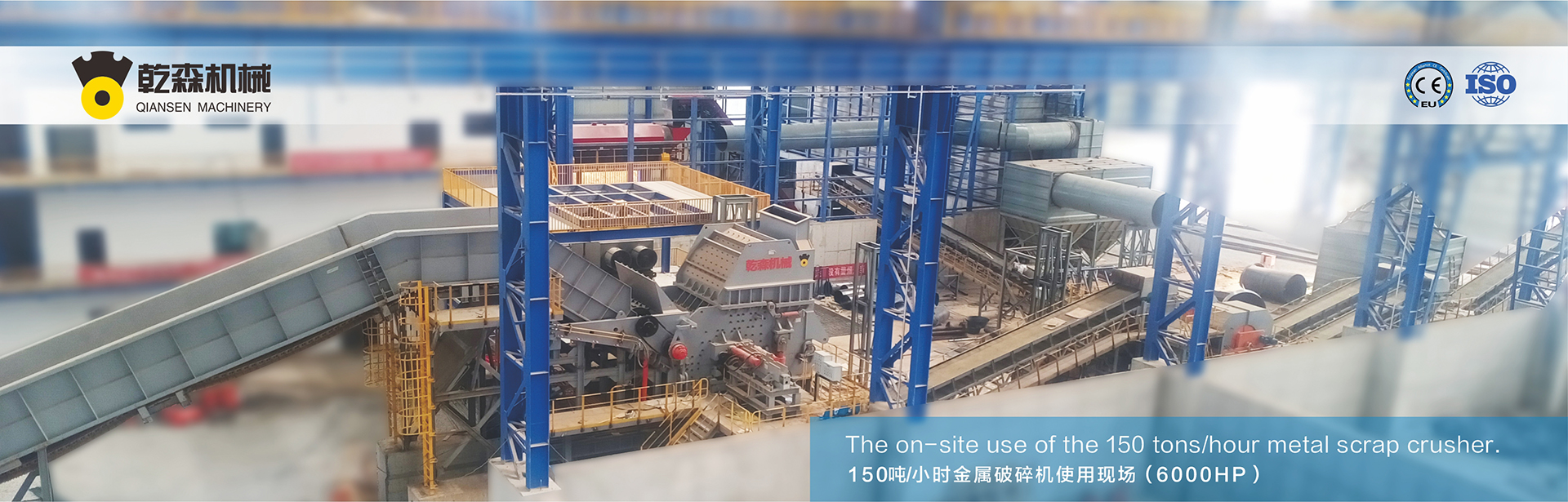
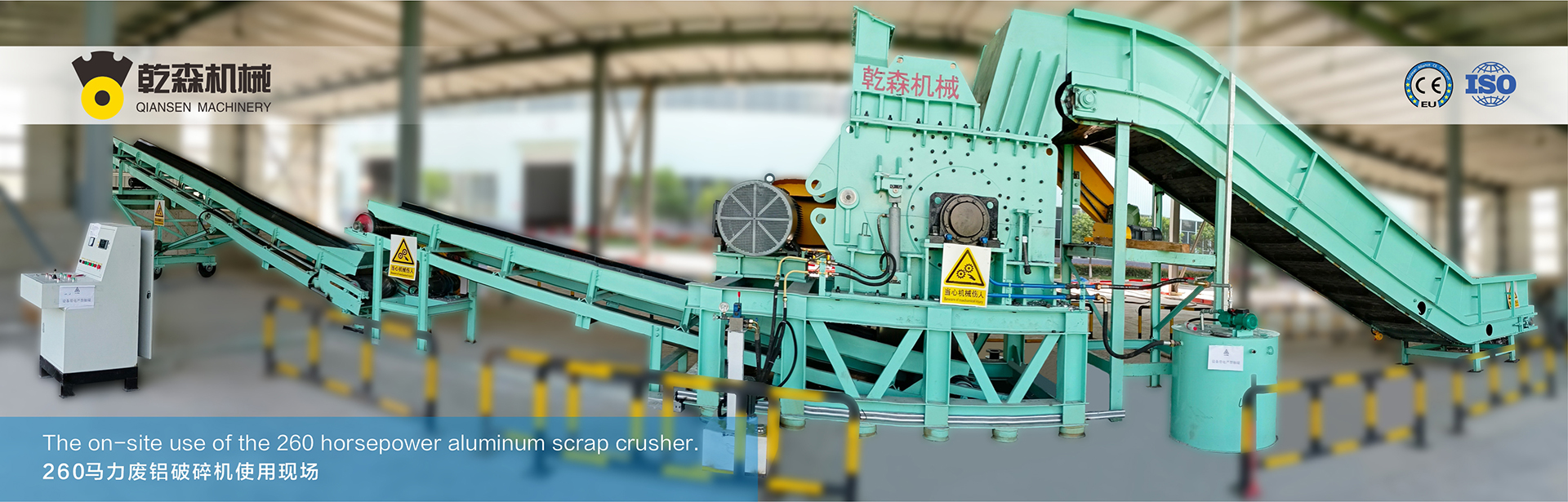
Within the global circular economy and heavy industrial recycling sector, the image of a giant car shredder effortlessly consuming an entire vehicle represents the pinnacle of solid waste management. For scrap yard operators, steel mills, and End-of-Life Vehicle (ELV) processing centers, this massive machinery is not just a destructive tool—it is an environmental necessity and a multi-million-dollar capital investment that dictates facility profitability. A successful deployment requires a delicate balance of immense mechanical torque, advanced material separation, and strict environmental compliance. A poorly designed shredder leads to high energy waste, toxic auto shredder residue (ASR), and contaminated scrap. Understanding the mechanical architecture and eco-friendly downstream processing capabilities is critical for facilities looking to upgrade their heavy-duty metal shredding infrastructure.
Pre-Shredding vs. Pulverizing: Twin-Shaft Rotors and Heavy-Duty Hammermills
Processing complete vehicles requires breaking down complex assemblies of high-strength steel, aluminum engine blocks, copper wiring, and various plastics. Relying on a single machine to perform this entire operation often results in severe wear and unpredictable scrap sizing. Professional facilities deploy a dual-stage reduction system.
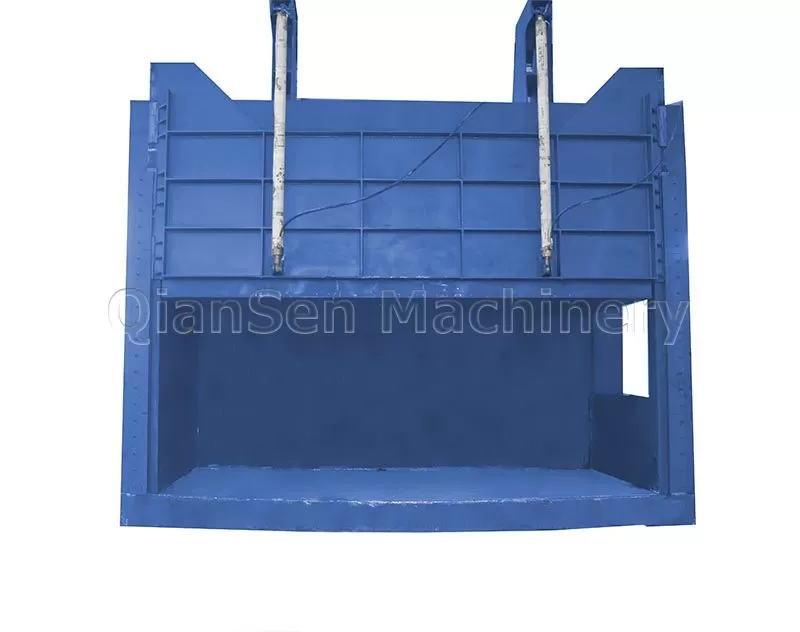
The primary reduction phase utilizes a Twin-Shaft Pre-Shredder. Operating at very low rotational speeds (typically 10 to 30 RPM), these machines rely on staggering amounts of torque. Massive hooked blades grab the car chassis, literally ripping the vehicle into long, manageable strips and chunks. This low-speed ripping action is crucial for safety; it opens up concealed spaces and flattens hidden gas tanks or hydraulic accumulators without generating the high-speed sparks that could ignite trapped volatile fumes.
Following pre-shredding, the torn metal drops into the secondary stage: the Hammermill. Unlike the slow pre-shredder, the hammermill operates at extremely high speeds. Inside a heavily armored housing, a massive spinning rotor swings dozens of heavy steel hammers. These hammers repeatedly impact the incoming metal against a series of internal anvils and bottom grates. This violent kinetic action pulverizes the metal, rolling it into dense, fist-sized nuggets known as shredded steel. Steel mills pay a premium for this specific form of scrap because its high bulk density allows for rapid, efficient melting in electric arc furnaces.
The Metallurgy of Destruction: Rotors, Hammers, and Wear Resistance
The heart of any giant car shredder is its cutting and impact array. Consuming automotive frames, heavy suspension struts, and forged engine blocks creates an incredibly abrasive environment. The metallurgy of the wear parts dictates the machine's maintenance schedule and overall uptime.
The cutting blades in the twin-shaft pre-shredder are typically forged from specialized high-alloy tool steels or proprietary chromium-molybdenum alloys. These blades must possess extreme hardness to maintain a cutting edge, while retaining sufficient core toughness to absorb shock without shattering when encountering a solid steel axle.
In the hammermill, the swinging hammers are subjected to continuous, devastating impacts. Quality manufacturers cast these hammers from austenitic manganese steel (often referred to as Hadfield steel). This remarkable alloy features a unique property known as work-hardening; the more the hammer impacts the scrap metal, the harder its outer surface becomes, while the core remains ductile enough to prevent breaking. To further extend operational life, engineers apply hardfacing—welding a layer of tungsten carbide or complex carbide matrix—directly onto the rotor edges, anvil bars, and the inner lining of the shredder housing.
Drive Systems and Intelligent Overload Protection
Generating the force required to shear an automobile chassis demands robust drive engineering. Depending on the facility's power infrastructure and throughput requirements, these machines utilize either massive high-voltage electric motors coupled with planetary gearboxes, or heavy-duty hydraulic drive systems.
Hydraulic drives are highly favored in low-speed, high-torque pre-shredding applications. They offer variable speed control and can absorb massive shock loads without transferring the kinetic energy directly into a rigid gearbox.
Regardless of the drive type, intelligent overload protection is mandatory. Inevitably, an uncrushable object—such as a solid titanium billet or a massive solid steel forklift counterweight—will enter the hopper and jam the rotors. Modern systems utilize advanced Programmable Logic Controllers (PLCs) combined with pressure transducers or current sensors. If the PLC detects a sudden, extreme spike in hydraulic pressure or electrical current indicating a jam, it immediately halts the rotors. In fractions of a second, the system automatically reverses the shafts to clear the obstruction, attempts to process the material again, and alerts the operator if manual intervention is required. This auto-reverse technology prevents catastrophic mechanical failure and drive train destruction.
Downstream Profits: Advanced Magnetic and Eddy Current Separation
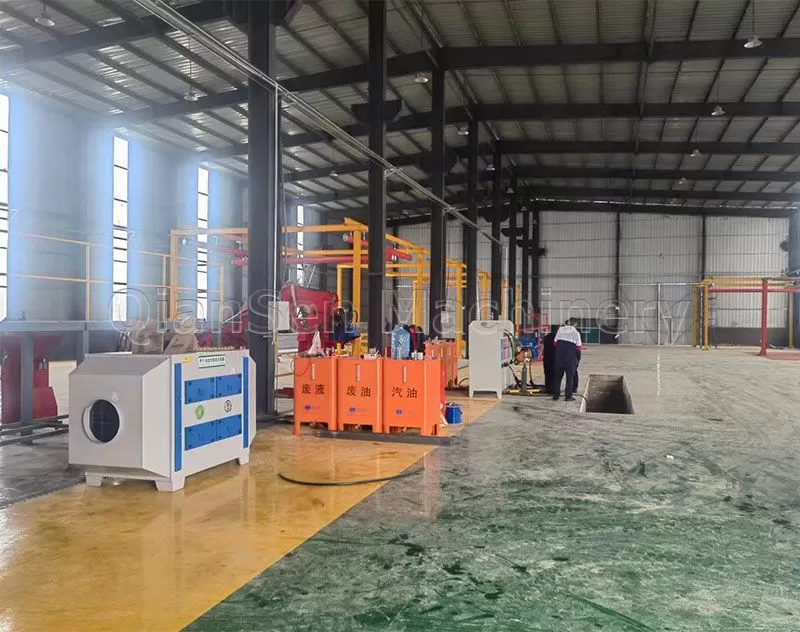
Ripping the vehicle into fragments is only fifty percent of the commercial operation. The profitability of an ELV recycling plant relies on separating the shredded mixture into pure, saleable commodities. The chaotic output from the shredder—known as the fluff or Auto Shredder Residue (ASR)—contains a messy blend of steel, non-ferrous metals, plastics, foam, and glass.
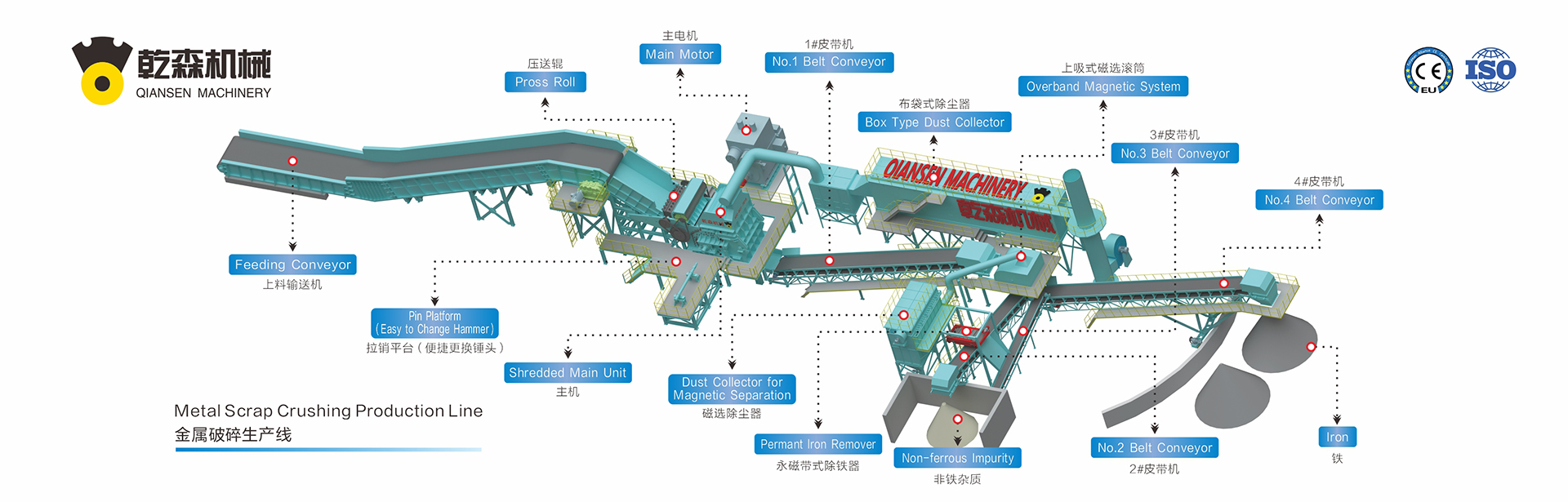
Immediately exiting the hammermill, the material passes under powerful suspended overband magnets or magnetic drum separators. These heavy-duty electromagnets pull the valuable ferrous steel out of the stream, depositing it onto a clean conveyor destined for the steel mill.
The remaining non-ferrous material continues down the line to the Eddy Current Separator (ECS). The ECS utilizes a rapidly spinning internal magnetic rotor to induce electrical eddy currents within non-magnetic conductive metals, such as copper wiring and aluminum engine casings. This induced current creates a magnetic field that physically repels the aluminum and copper, launching them over a splitter plate into a collection bin, while the inert plastics and rubber simply drop straight down. Recovering these high-value non-ferrous metals represents a critical revenue stream for the recycling facility.
Frequently Asked Questions
Q1: What is the typical horsepower (HP) required for a complete
automotive shredding line?
A1: The power
requirements vary drastically based on target throughput (tons per hour). An
industrial-grade giant car shredder typically utilizes main drive motors ranging
from 1,000 HP up to massive 4,000+ HP configurations for mega-facilities
processing hundreds of cars daily.
Q2: Do tires and batteries need to be removed before placing a car
into the shredder?
A2: Yes. Strict environmental
regulations and safety protocols mandate the pre-depollution of all ELVs.
Batteries, tires, airbags, and all fluids (gasoline, oil, coolant) must be
manually extracted prior to shredding to prevent explosions and severe
environmental contamination of the scrap output.
Q3: How long do the cutting blades and hammers typically last before
requiring replacement?
A3: Wear life is entirely
dependent on the volume and type of material processed. High-quality manganese
hammers may process between 5,000 to 15,000 tons of scrap before requiring
hardfacing repair or complete replacement. Routine inspection and scheduled
rotation of the hammers are essential to maintain shredding efficiency.
Q4: Can these shredders process other materials besides
cars?
A4: Absolutely. These robust systems are
highly versatile and regularly process heavy white goods (washing machines,
refrigerators), industrial aluminum profiles, mixed light scrap (HMS), and
massive structural steel demolition debris.
Q5: Why is the bulk density of the shredded steel so important to
buyers?
A5: Steel mills utilize electric arc
furnaces to melt scrap. If they load light, fluffy scrap into the furnace, it
burns away rapidly, wastes energy, and requires multiple reloads. Dense,
fist-sized shredded nuggets sink into the molten bath quickly, maximizing
furnace efficiency and producing a higher yield of new steel.
Engineer Your Green Scrap Recovery Plant with QianSen
Upgrading a heavy metal recycling facility requires machinery built with uncompromising durability, intelligent control architecture, and a commitment to environmental sustainability. As a front-line brand and a leading manufacturer of industrial scrap processing and environmental protection equipment, QianSen designs, engineers, and commissions complete giant car shredder lines tailored exactly to your target throughput and zero-waste goals. From custom-forged manganese impact hammers to automated, eco-friendly eddy current separation systems, our heavy-duty infrastructure ensures maximum continuous runtime, premium scrap purity, and global environmental compliance. Contact the heavy engineering team at QianSen today to request detailed facility layouts, throughput capacity calculations, and a comprehensive project quotation.