




2026 Industrial Buyer Analysis: Understanding Hammer Mill Crusher Price Factors
Released on Jul. 22, 2026
Selecting industrial shredding machinery requires a clear view of structural engineering, metallurgical endurance, and processing capacity. Facilities looking to expand scrap recycling capacity or replace aging machinery face a wide variance in market quotations. A comprehensive analysis of a hammer mill crusher price reveals that initial capital expenditure correlates directly with structural steel mass, rotor geometry, motor configuration, and wear-resistant alloy compositions. Understanding these variables enables procurement managers to evaluate capital proposals accurately and balance upfront investment against long-term operating costs per ton.
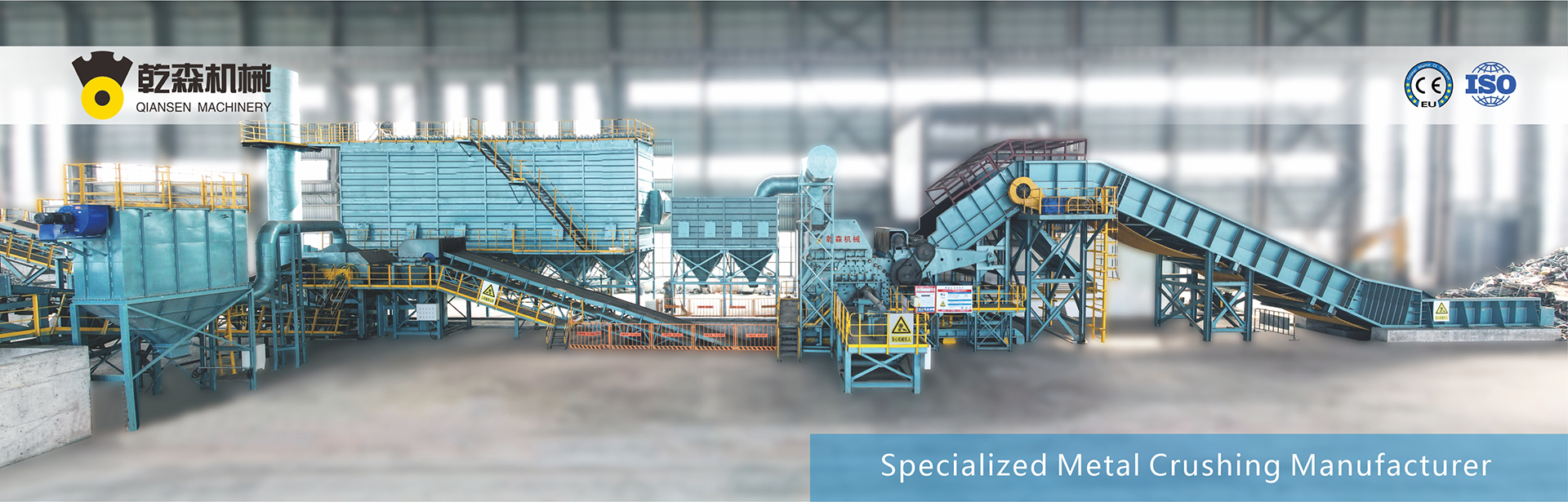
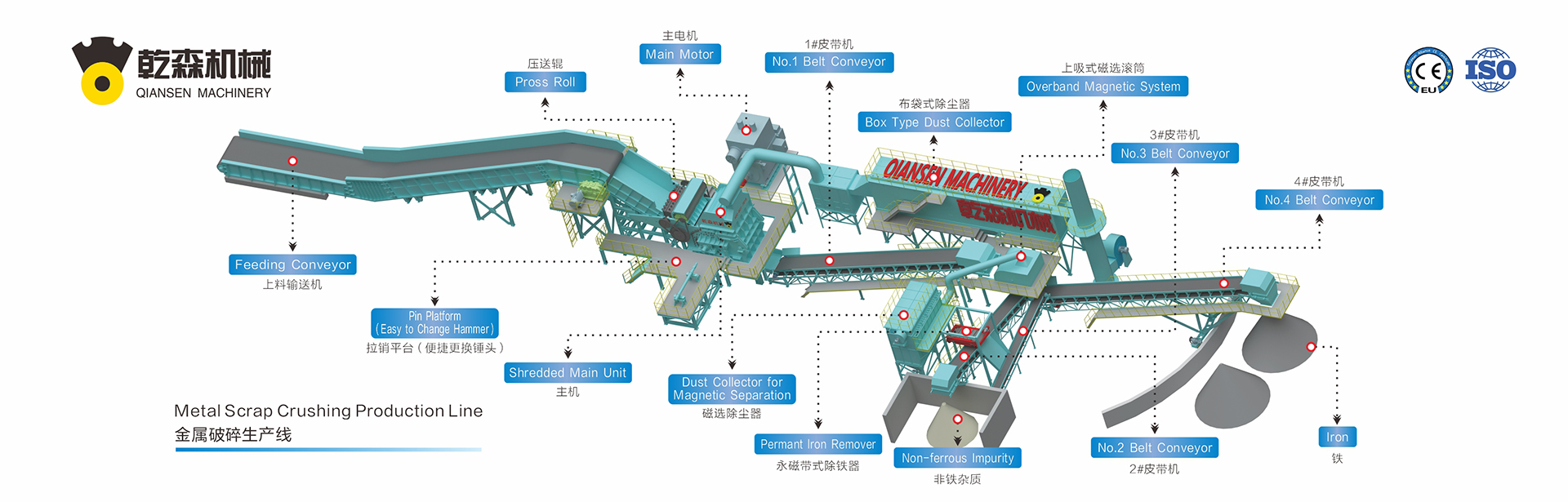
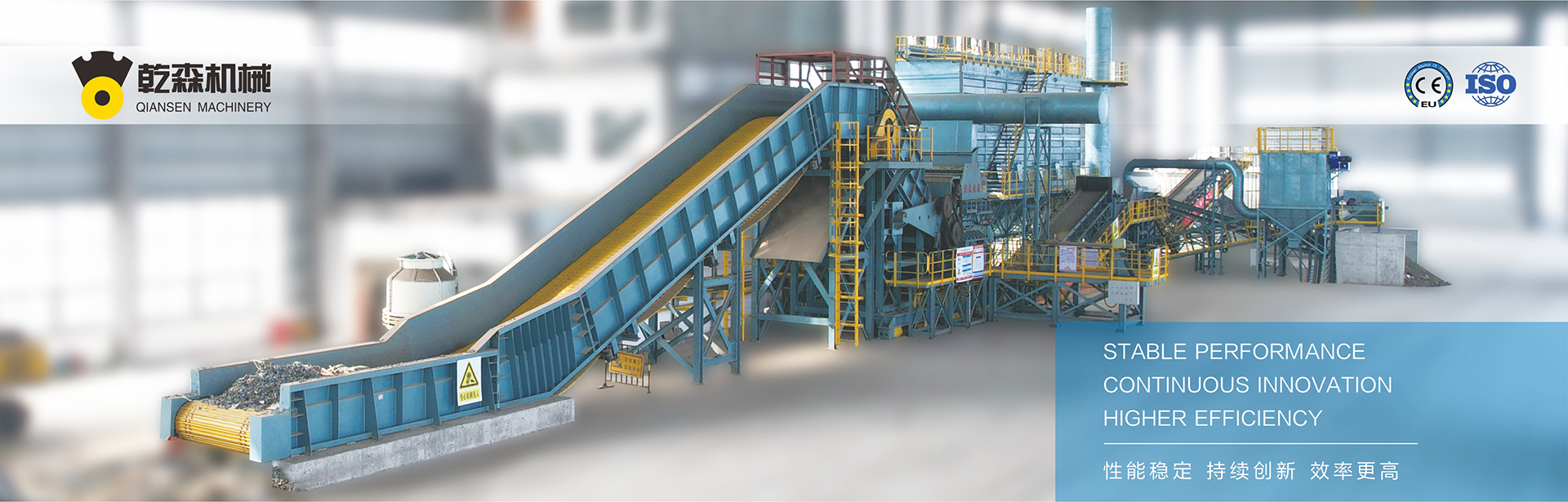
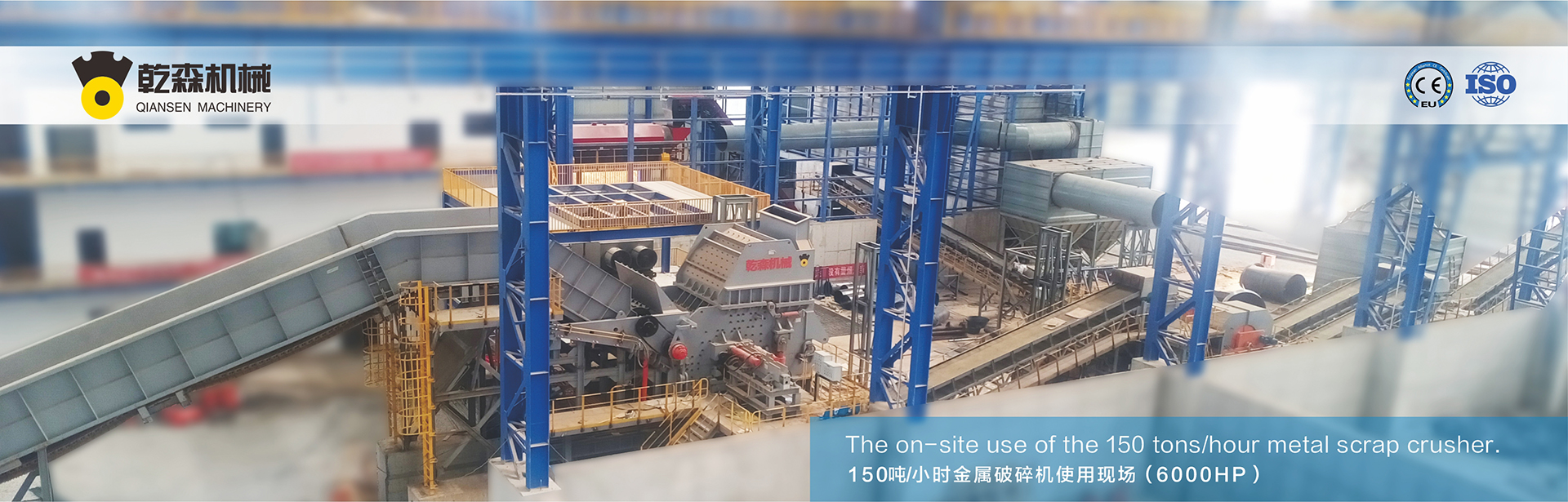
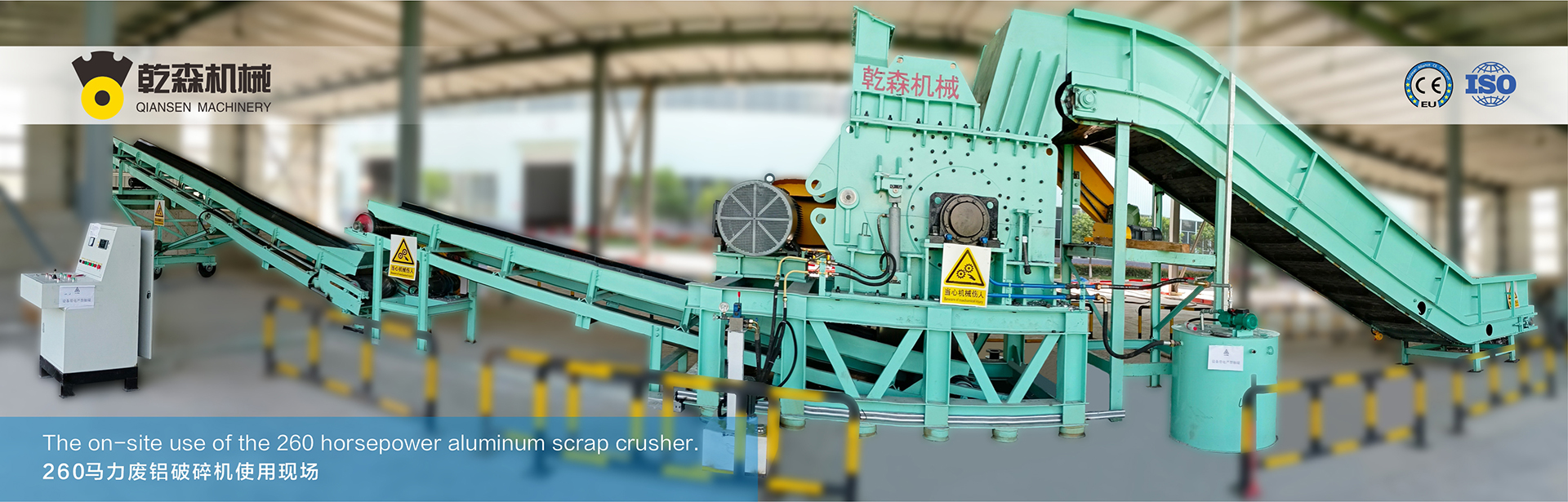
In high-capacity metal recycling, a hammer mill operates under extreme impact forces. The machine reduces bulky scrap—such as end-of-life vehicle bodies, aluminum profiles, electronic scrap, and light steel structural waste—into high-density, clean fragmentized scrap. QianSen manufactures heavy-duty scrap recycling solutions designed to deliver consistent particle sizing while maintaining mechanical stability. Evaluating equipment quotes demands a deep look into the individual sub-assemblies that form these heavy processing systems.
Engineering Components That Shape Initial Equipment Outlay
The internal structural elements of a heavy-duty shredder determine its mechanical longevity and driving power. Machinery builders build units using vastly different material grades, internal geometry, and protection mechanisms, all of which alter the final purchase quote.
Rotor Assembly and Shaft Metallurgy
The rotor assembly forms the operational center of any hammer mill system. Capital costs vary significantly depending on whether the rotor features a disc, spider, or solid-forged construction. High-grade alloy steel shafts, machined from forged 42CrMo or equivalent high-tensile alloys, command higher production costs than cast or standard carbon steel shafts. The inclusion of heavy flywheels helps store kinetic energy, reducing instantaneous electrical current spikes during shock loads. This added mechanical mass increases raw material costs during manufacturing but improves operational smooth performance.
Forged Rotor Shafts: Provide maximum torsional resistance under heavy shock loads from un-shreddable scrap items.
Rotor Disc Thickness: Heavy plate construction prevents disc warping when processing dense non-ferrous or mixed steel feeds.
Dynamic Balancing Standards: Precision dynamic balancing reduces bearing vibration, extending the operating lifespan of heavy spherical roller bearings.
Power System and Drive Train Options
Power configurations represent a major portion of any equipment quotation. Facilities can choose between high-voltage electric motor drives, low-voltage dual-motor setups, or direct hydraulic drive systems. Electric drive packages require specialized starting units, such as soft starters or liquid resistance starters, to manage high starting torque without collapsing localized electrical grids. Higher-horsepower units increase the baseline quote but allow processing of thicker feed materials at continuous high feed rates.
Chassis Construction and Hardened Wear Liners
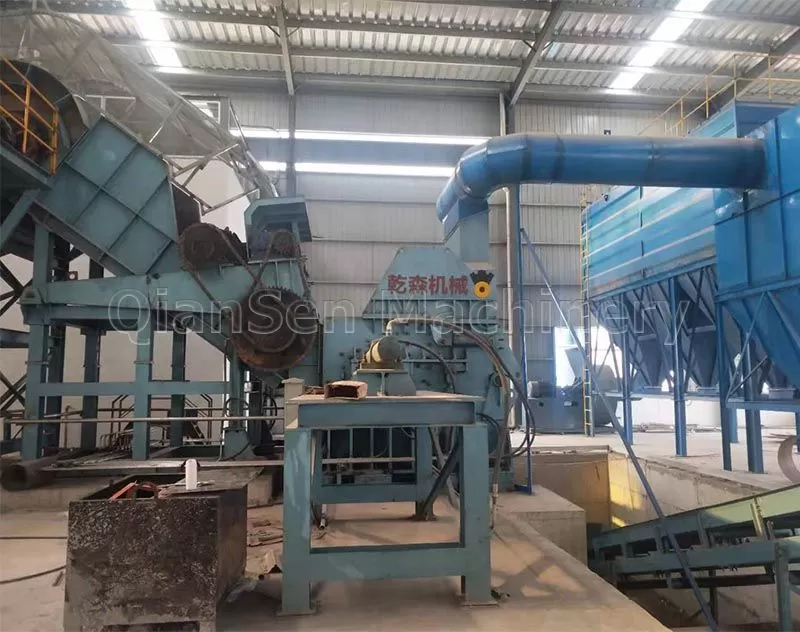
The main housing must withstand continuous internal impact from flying metal scrap fragments. High-tier machines utilize thick structural steel plate (such as Q355B or heavy armor plate) reinforced with external gussets and heavy stiffeners. Inside the crushing chamber, replaceable wear liners protect the main shell. The grade of alloy used for these liners—ranging from standard abrasion-resistant plates to high-manganese cast liners or Hardox series steel—directly affects the machine's base cost.
Scrap Type Specifics and Capacity Requirements
Equipment sizing depends heavily on the incoming raw material stream and desired hourly throughput. Processing light sheet metal requires different internal clearance dimensions and hammer weights compared to shredding heavy copper-rich electric motors or sheared structural beams. Consequently, matching the machine footprint to the target scrap feed dictates the precise hammer mill crusher price required for a project.
Light Non-Ferrous Scrap versus Heavy Automotive Scrap
Light materials, such as aluminum window frames, cans, and thin sheet clippings, require high-speed rotors equipped with lighter swing hammers to maximize air-swept sizing and shearing action. Processing end-of-life vehicles or white goods demands heavy cast manganese steel hammers mounted on heavy-duty rotors capable of delivering high impact energy per revolution. Systems designed for vehicle shredding feature reinforced feed hoppers, hydraulic pushing rams, and heavier reject doors to eject un-shreddable tramp iron before structural damage occurs.
Grate Bar Configurations and Desired Densification
The particle size of the processed output is governed by the discharge grate open area. Bottom grates and anvil plates endure constant friction as material circulates inside the crushing zone until it is reduced enough to pass through the openings. Customized manganese steel cast grates with specific aperture shapes require dedicated tooling and foundry capacity, which translates into custom fabrication costs. Standard punch-plate grates are less costly upfront but offer reduced operating life when processing abrasive scrap streams.
Hidden Cost Drivers and Operational Expenditure Breakdown
Purchasing scrap shredding machinery involves analyzing both the initial capital expenditure (CapEx) and downstream operational expenditure (OpEx). A lower initial equipment quote can often lead to elevated operating expenses if key structural components wear down prematurely or demand frequent maintenance labor.
Wear Part Consumption Rates per Ton
The main operational cost in running a shredder stems from replacing wear parts. Manganese steel hammers, side liners, breaker plates, and discharge grates wear away progressively during operation. High-manganese alloys (such as Mn13Cr2 or Mn18Cr2) work-harden under impact, creating a tough outer surface while maintaining a shock-absorbing inner core. Advanced alloy additions, including molybdenum or titanium carbide inserts, prolong wear life under abrasive conditions, though they carry a higher procurement cost per set.
Standard Manganese Steel (13-14% Mn): Suitable for low-abrasion scrap, lower initial cost, moderate wear life.
High-Manganese Steel with Chrome (18-22% Mn + Cr): High resistance to high-impact environment, suited for auto body processing.
Alloy Steel Inserts: Specialized composite materials offering extended operational hours per hammer set, minimizing replacement labor cycles.
Energy Consumption Efficiency
Power consumption accounts for a significant continuous cost factor. A poorly designed crushing chamber causes scrap to recirculate excessively before discharge, consuming unnecessary kilowatt-hours per processed ton. Correctly engineered anvil geometry, hammer clearance, and optimized grate hole ratios ensure scrap exits the machine immediately once target density is achieved, keeping electrical input aligned with actual production yield.
Evaluating QianSen Engineering Standards Against Capital Outlay
Manufacturing high-performance shredding machinery requires precision metal fabrication, controlled heat treatment, and robust quality control protocols. QianSen constructs heavy-duty processing systems designed to sustain continuous multi-shift operations in demanding scrap yard environments. Balancing initial investment against mechanical performance is a central principle in the design of every QianSen unit.
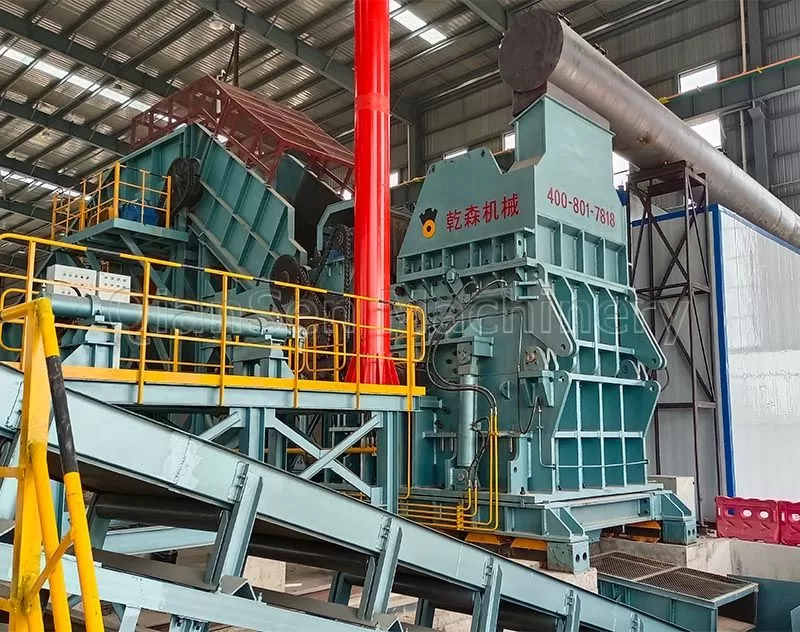
By using stress-relieved welded fabrications, precision-machined bearing pedestals, and premium manganese wear components, QianSen equipment minimizes operational downtime. Hydraulic upper-housing tilting mechanisms and hydraulic pin-pulling systems are integrated into standard machinery builds, allowing maintenance crews to replace hammers and liners safely and rapidly. Investing in built-in hydraulic service tools reduces labor hours during routine wear part changeouts, helping lower overall operational overhead.
Key Variables Impacting 2026 Equipment Quotations
Global steel material costs, energy rates, and logistical factors shape international machinery quotes. When evaluating proposal documents for heavy processing plant updates, buyers should examine the following core variables:
Total Machine Mass: Higher overall structural weight indicates thicker frame walls, larger rotor mass, and heavier internal protection liners.
Hydraulic System Integration: Fully integrated hydraulic opening mechanisms, feed roller drives, and rejection doors increase system complexity and manufacturing costs while enhancing yard productivity.
Dust and Emission Control Compliance: Integrated water spray dust suppression systems and acoustic insulation housing affect total system delivery quotes.
Electrical Control Panels: Inclusion of PLC automation systems, variable frequency drives, vibration monitoring sensors, and temperature telemetry adds upfront cost but protects main drive components from overload conditions.
Frequently Asked Questions
Q1: How does rotor weight directly influence the overall hammer mill crusher price?
A1: Rotor weight dictates the total kinetic energy available during crushing operations. A heavier rotor requires a larger forged alloy shaft, thicker support discs, higher-capacity spherical bearings, and a stronger structural steel chassis. Consequently, heavier rotors increase raw material and manufacturing costs, elevating the baseline machine quote while allowing the unit to process denser scrap feeds without stalling.
Q2: What is the typical operational lifespan of manganese steel hammers?
A2: Manganese hammer wear life depends on incoming scrap composition, moisture levels, grit contamination, and operator feeding habits. Under normal scrap processing conditions, high-manganese hammers last between 100 to 300 operating hours before requiring hardfacing or complete replacement. Proper feed regulation and sorting out excess sand or heavy structural steel helps extend hammer longevity.
Q3: Why do electric motor drive options vary significantly in equipment quotes?
A3: Electric motor pricing varies based on voltage requirements, insulation classes, IP protection ratings, and starting torque characteristics. High-voltage industrial motors equipped with liquid resistance starters or variable frequency drives cost significantly more than standard low-voltage squirrel-cage motors, but they provide protection against grid fluctuations and deliver superior torque control under severe load changes.
Q4: Can changing grate configurations alter output particle density without purchasing a larger motor?
A4: Yes. Adjusting the discharge grate hole size and internal spacing alters the duration scrap spends inside the crushing chamber. Smaller grate apertures keep material inside longer, producing smaller fragment sizes and higher bulk density, though overall hourly throughput decreases. Larger grate openings increase hourly capacity at a slightly lower finished density.
Q5: What internal mechanisms prevent non-shreddable steel parts from destroying the rotor?
A5: Heavy-duty scrap mills incorporate hydraulic tramp iron rejection doors located behind the upper crushing arc. When an un-shreddable piece of metal (such as a solid steel shaft or heavy die cast) enters the chamber, the force exerted pushes open the sprung or hydraulic ejection flap, throwing the object safely out of the main rotor path before severe structural damage occurs.
Request Engineering Specifications and Commercial Inquiries
Configuring a scrap processing plant requires exact technical alignment between input materials, site electrical capacity, target output specifications, and capital allocation targets. QianSen engineering teams provide tailored technical consultations to assist recycling facility operators in identifying optimal equipment layouts and performance configurations.
To receive detailed machine specifications, custom layout drawings, and a structured commercial quotation tailored to your operational requirements, submit your project parameters through our technical inquiry department. Our specialists will analyze your material feed types, target hourly tonnage, and site requirements to deliver a comprehensive commercial proposal.