




What Determines the Operational Efficiency of an Industrial Hammer Mill for Sale?
Released on Jul. 20, 2026
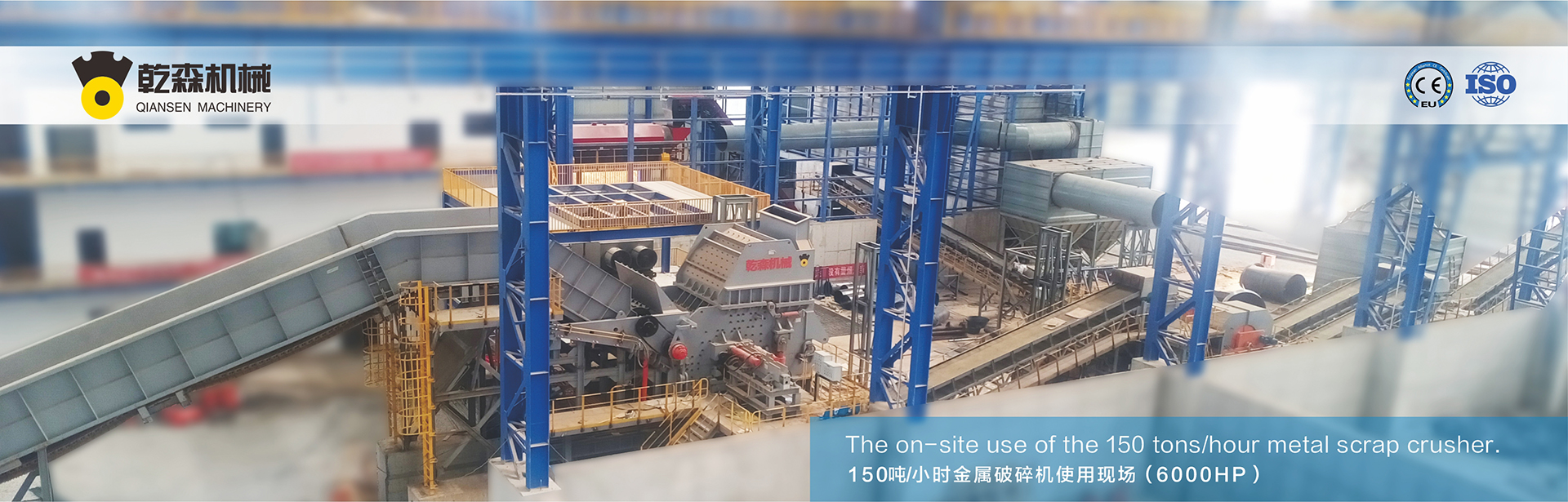
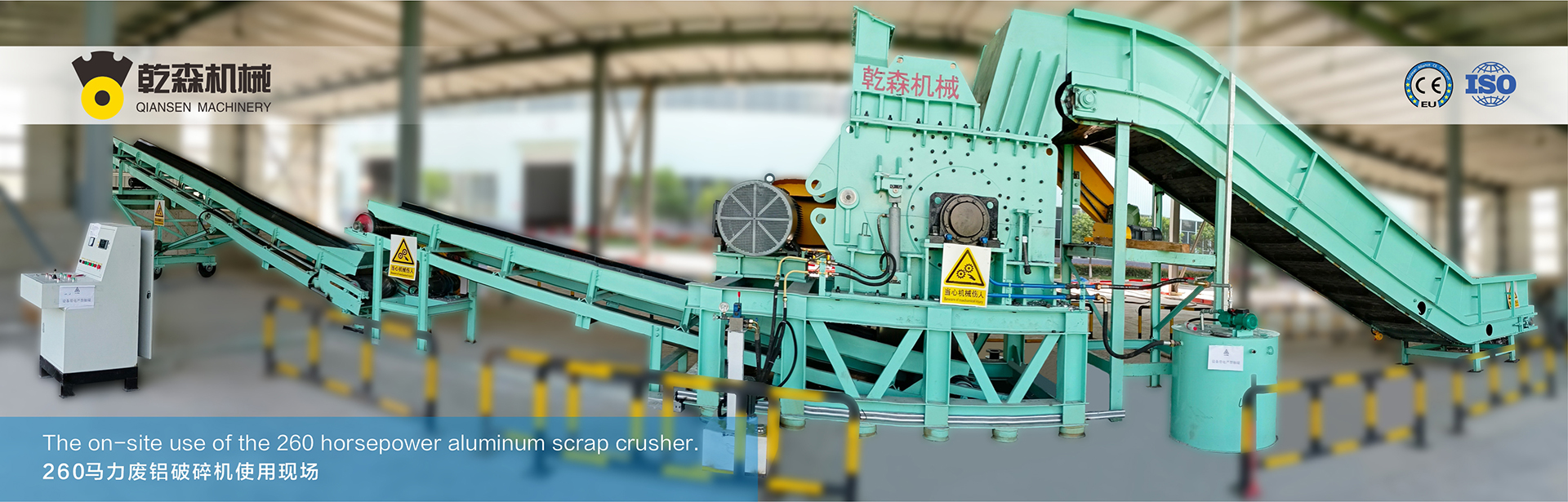
Heavy-duty recycling operations require robust material reduction systems. Processing scrap metal, municipal waste, and electronic scrap presents challenges regarding machine wear and throughput consistency. When searching for an industrial hammer mill for sale, operators must analyze the mechanical variables that influence long-term operational costs and processing efficiency. QianSen designs industrial-grade reduction machinery built to withstand the high-impact demands of large-scale scrap metal processing.
Rotor Dynamics and the Physics of Impact Reduction
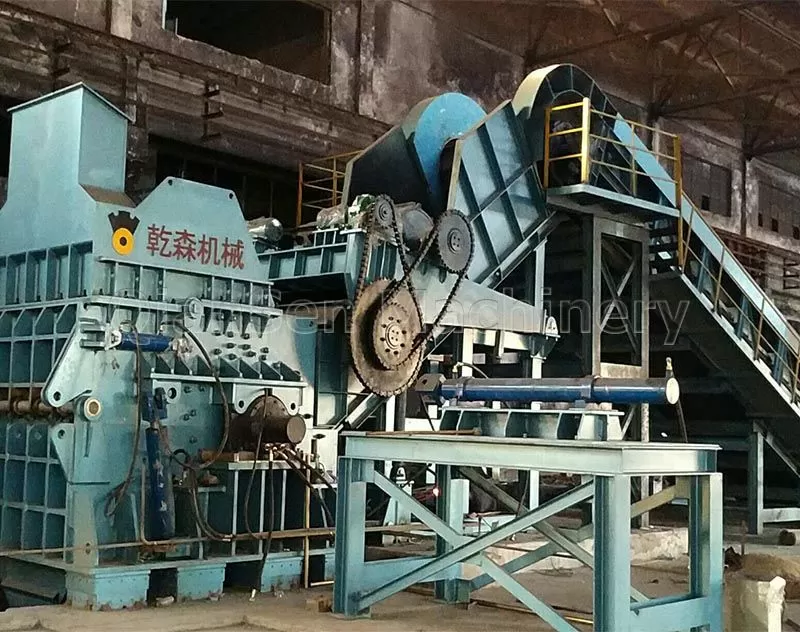
The core of any hammer mill lies in its rotor assembly. High-speed rotation translates electrical energy into kinetic energy, which is stored within the heavy swing hammers. When material enters the shredding chamber, it encounters these free-swinging hammers, which strike the material with immense force.
This primary impact breaks the feed material along natural fracture lines. The shattered fragments are then accelerated against breaker plates lining the internal chamber walls, causing secondary reduction. This mechanical process relies on velocity and mass; hence, rotor speed and hammer weight must be precisely calibrated to the specific gravity and tensile strength of the input material.
Control of particle size is managed by the discharge grates positioned at the bottom of the chamber. Only material that has been reduced below the grate aperture size can exit the system, while larger pieces are carried back around by the rotor for subsequent passes. The design of these grates, alongside the rotor speed, directly influences both the throughput rate and the density of the final output. In scrap metal applications, a dense, clean, and highly fragmented product is required to meet the strict purchasing specifications of secondary smelters and foundries.
Open vs. Closed Rotor Configurations
Selecting the correct rotor style is a fundamental decision during the procurement phase. Two primary designs dominate the market:
Open Rotors (Spider Rotors): These feature a series of rotor plates mounted on a central shaft, with hammer pins running through them. This design is highly effective for processing bulky, lightweight scrap, such as municipal solid waste or light iron, as it allows material to distribute evenly across the width of the machine.
Closed Rotors (Disc Rotors): Consisting of solid steel discs keyed to the shaft, this configuration prevents large pieces of scrap metal from slipping between the rotor plates. This design is suitable for heavy-duty metal scrap, such as cast auto parts and structural steel, where protection against rotor deformation is necessary.
Metallurgical Integrity and Wear Prevention
Scrap processing plants experience intense abrasive wear. To maintain operational readiness, the material composition of contact parts must resist both gouging wear and high-impact stress. Standard structural steels deteriorate rapidly under these conditions, leading to frequent shutdowns and elevated maintenance expenditures.
QianSen utilizes proprietary manganese steel alloys for the manufacturing of swing hammers. Manganese steel possesses work-hardening properties, meaning the material becomes harder as it receives continuous impacts during processing. This self-hardening characteristic extends the operational lifespan of the hammers when crushing tough metals, while maintaining a ductile core that resists fracturing under extreme shock loads.
The inner casing of the crushing chamber is protected by replaceable, high-alloy wear liners. These liners prevent structural damage to the main frame, ensuring that the primary housing remains intact throughout decades of operation. Liners are secured using external bolting systems, allowing maintenance crews to replace them during scheduled maintenance cycles without requiring extensive welding inside the chamber.
The main rotor shaft is forged from high-tensile alloy steel, precision-ground to minimize rotational vibration. Spherical roller bearings, housed in heavy steel pillow blocks, support the shaft, allowing for high load capacities and tolerance to sudden shock loads. These bearings are protected by labyrinth seals and automatic grease lubrication systems to prevent dust and metallic fines from contaminating the rolling elements.
Diverse Material Processing Applications
Heavy industrial shredders must handle varied feed stocks without frequent blockages or mechanical failures. Understanding how different materials behave inside the crushing chamber allows operators to configure their systems for maximum recovery rates.
Light Iron and Sheared Scrap
Processing end-of-life vehicle parts, sheet metal, and structural profiles requires high-inertia rotors to compress and shred the metal into dense, highly-shuffled fragments. This process, often referred to as densification, increases the bulk density of the scrap, making transport more economical and improving the melting efficiency of electric arc furnaces.
Aluminum Castings and Profiles
Recovering aluminum scrap involves clean separation of non-metallic contaminants. The impact action of the hammer mill strips paints, plastics, and dirt from the metal surfaces while reducing the size of the castings. Because aluminum is non-magnetic, generating a uniform size distribution is necessary for the efficiency of downstream sorting technologies, such as eddy current separators.
Electronic Waste (WEEE)
Circuit boards, appliances, and consumer electronics demand precise sizing to facilitate downstream sorting technologies. Hammer mills designed for electronic waste often operate at higher rotor speeds with lighter, sharper hammers to shear and shatter composite materials. This allows for clean separation of copper, precious metals, and plastics during subsequent classification phases.
Operational Variables to Consider When Evaluating an Industrial Hammer Mill for Sale
Selecting the appropriate machinery involves assessing operational metrics beyond the initial acquisition cost. Energy consumption represents a significant portion of ongoing overheads. Choosing an industrial hammer mill for sale with an appropriately sized drive motor ensures that the system maintains high throughput without running under excessive electrical loads, which can lead to motor burnout or high utility demand charges.
The feed mechanism is another factor to consider. Gravity-fed systems work well for free-flowing materials, but bulky scrap metal often requires a controlled force-feed system. Implementing a vibrating pan feeder or a heavy-duty apron conveyor ensures a steady, regulated flow of material into the hopper, preventing bridging and sudden load spikes on the motor.
Maintenance accessibility should not be overlooked. Hydraulic housing opening mechanisms allow maintenance crews to access the rotor assembly, change hammers, and swap grate plates quickly, reducing downtime during routine wear-part replacements. A design that facilitates rapid component rotation ensures higher weekly operational hours and a faster return on investment.
Tailored Solutions from QianSen
Standardized machinery rarely meets the specific layout and material demands of every recycling facility. QianSen approaches equipment manufacturing by assessing the input material characteristics, desired hourly capacity, and the downstream processing equipment. This engineering-led methodology ensures that the final installation delivers the expected performance from day one.
By adjusting variables such as the hammer weight, rotor speed, grate configuration, and motor horsepower, QianSen builds systems that align with local environmental and energy standards. The integration of dust suppression systems and sound dampening enclosures further adapts the heavy machinery to urban industrial zones, where noise and particulate emissions are strictly regulated.
Integration Into Downstream Sorting Lines
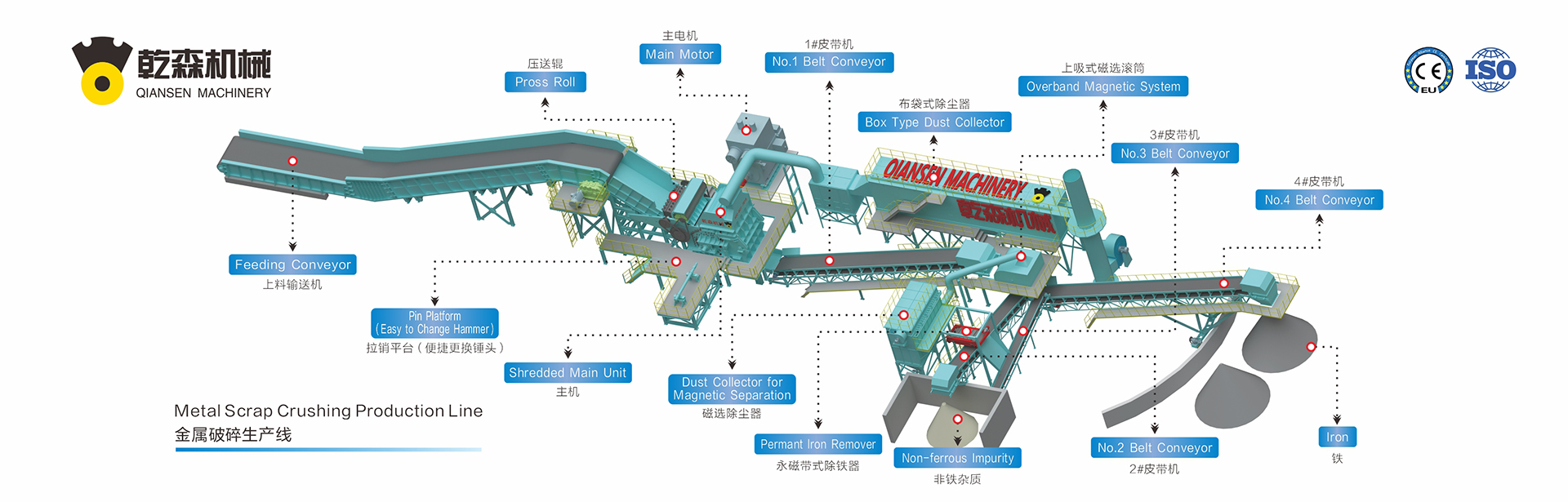
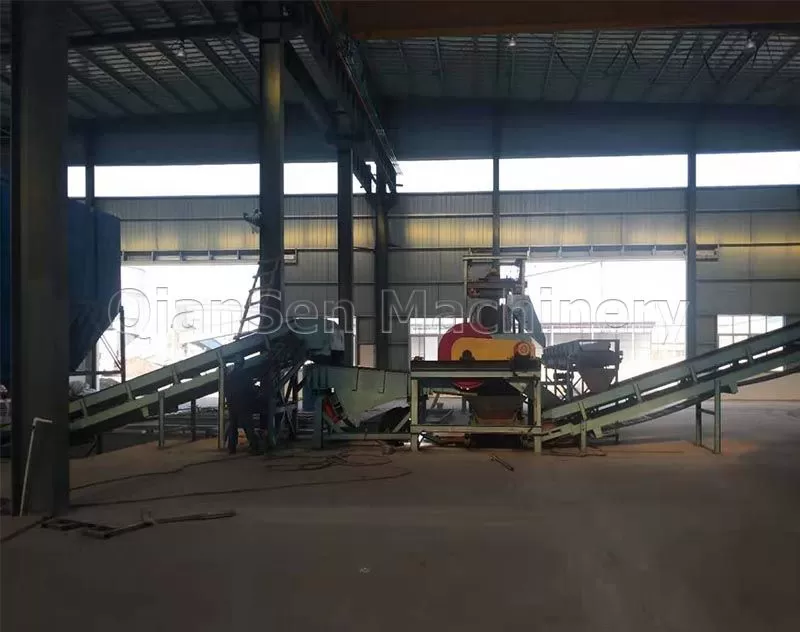
An industrial hammer mill does not operate in isolation. The output material must be classified and sorted to maximize its market value. A typical processing line begins with the conveyor feeding the hammer mill. After the initial reduction, the discharged material travels under magnetic separators to extract ferrous metals.
Following ferrous extraction, non-ferrous metals are sorted using eddy current separators, leaving behind clean, high-grade scrap fraction that commands premium pricing. The efficiency of this entire downstream separation process depends on the uniform particle size produced by the hammer mill. Excessive fines or oversized pieces can reduce sorting purity, emphasizing the importance of reliable size-reduction equipment.
Equipment Selection and Inquiry Process
Selecting the correct size and specification of processing equipment requires detailed analysis of your material stream and volume targets. QianSen engineers are available to review your operational requirements and provide detailed mechanical proposals. To receive a tailored quotation or to discuss our currently available industrial hammer mill for sale configurations, please submit your specifications and contact information through our inquiry portal.
Frequently Asked Questions
Q1: How do you determine the correct hammer design for scrap metal recycling?
A1: Hammer design depends on the thickness and tensile strength of the input material. Heavy, bell-shaped hammers are typically used for high-impact metal destruction, whereas lighter, rectangular hammers are selected for thin sheets, electronic waste, or materials requiring fine shredding. QianSen evaluates the scrap composition to recommend the appropriate metallurgy and hammer profile.
Q2: What is the typical lifespan of the wear components within the crushing chamber?
A2: The lifespan of hammers and liners is directly related to the abrasiveness of the processed material. While soft metals like aluminum cause minimal wear, handling sandy materials, reinforced concrete, or high-carbon steel accelerates wear rates. Regular rotation of the swing hammers and monitoring liner thickness are standard procedures to maintain optimum performance.
Q3: How does the moisture content of the input material affect performance?
A3: High moisture or sticky contaminants can cause fine materials to clog the discharge grates. This accumulation reduces throughput and increases internal heat. To handle moist materials, grate open areas can be modified, or dry-sorting steps can be introduced prior to shredding.
Q4: What safety mechanisms prevent catastrophic damage from non-shreddable objects?
A4: QianSen integrates tramp metal release pockets and heavy-duty shear pins into the system design. When a non-shreddable object, such as a solid steel shaft, enters the chamber, the swing hammers deflect backward, and the foreign object is ejected into a dedicated collection pocket or causes the system to shut down safely before structural damage occurs.
Q5: Can the output particle size be adjusted after installation?
A5: Yes. The output size is primarily controlled by the spacing and aperture dimensions of the discharge grates. These grates are designed as replaceable segments. By swapping the existing grates with plates containing larger or smaller openings, operators can adjust the final product size to match changing market requirements.