




4 Design Specifications to Review When Sourcing Hammermills for Sale
Released on Jul. 15, 2026
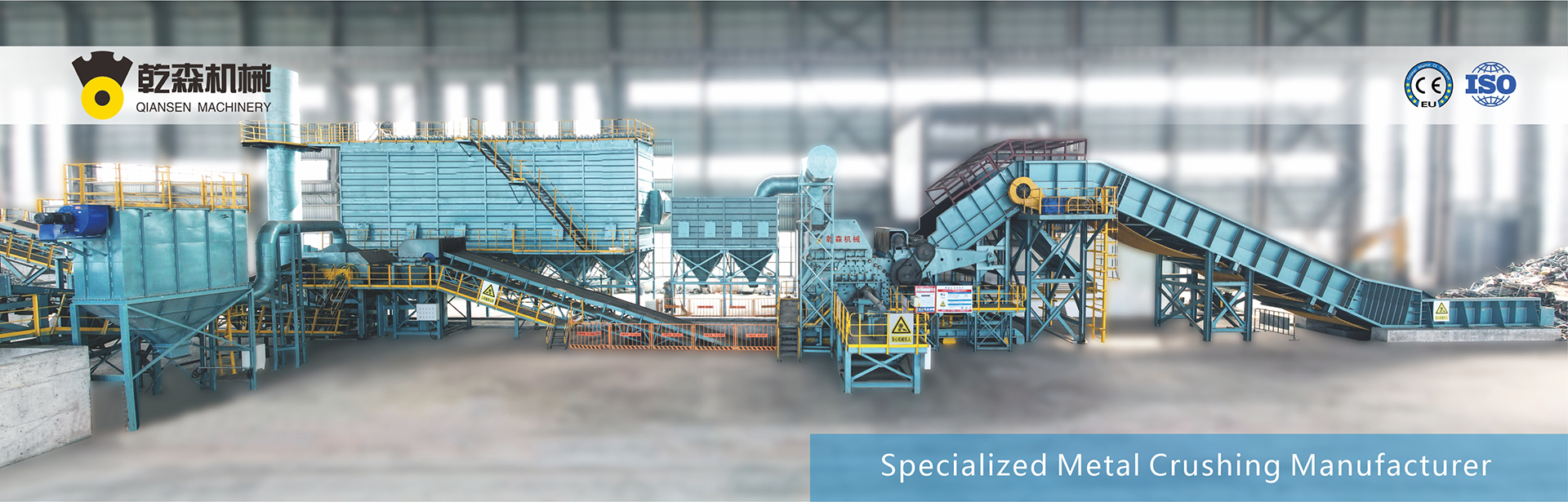
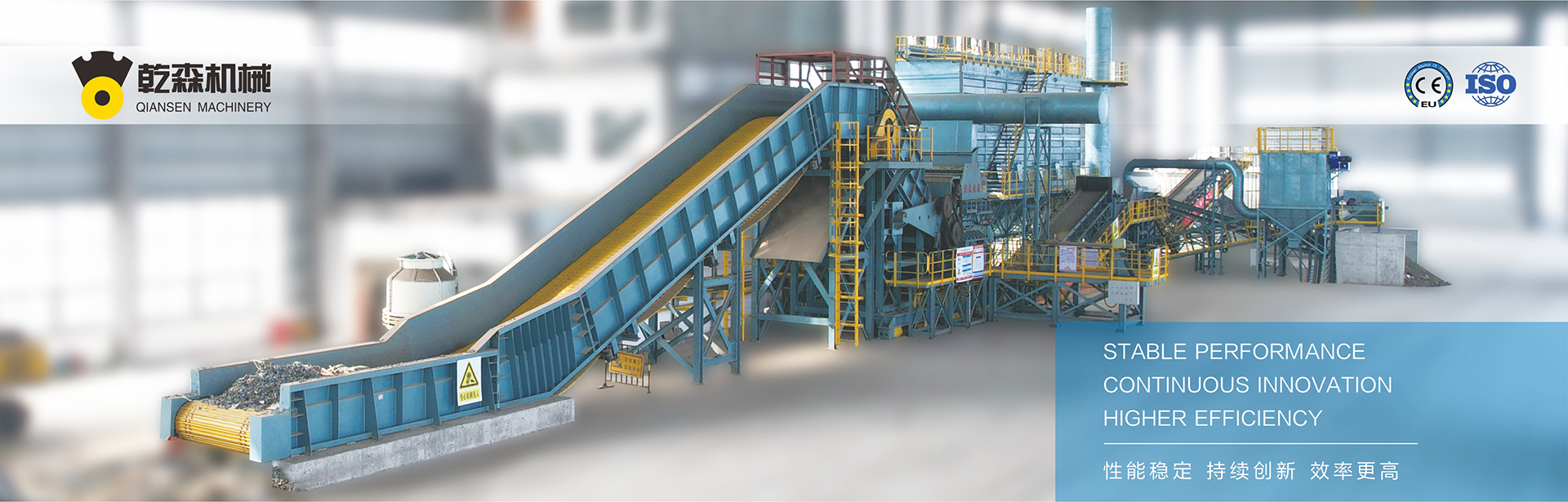
High-density steel scrap remains a sought-after commodity in secondary metallurgy. Electric arc furnace operators require consistent scrap sizing to maximize melting efficiency and minimize electricity consumption during the heat cycle. Achieving this consistent density requires robust material reduction systems that can process complex, mixed metal streams. Scrap processors seeking industrial hammermills for sale must evaluate several engineering parameters to ensure long-term operational viability and high purity of the finished fraction. QianSen designs and manufactures heavy-duty scrap processing machinery engineered to withstand the severe mechanical stresses of metal fragmentation.
By focusing on rotor dynamics, material metallurgy, and integrated downstream separation, operators can transform mixed, low-value scrap into premium-grade melting stock. This analysis examines the mechanics of scrap metal fragmentation, the key variables to consider when choosing a processing system, and how to mitigate common operational bottlenecks.
The Mechanical Principles of Metal Fragmentation
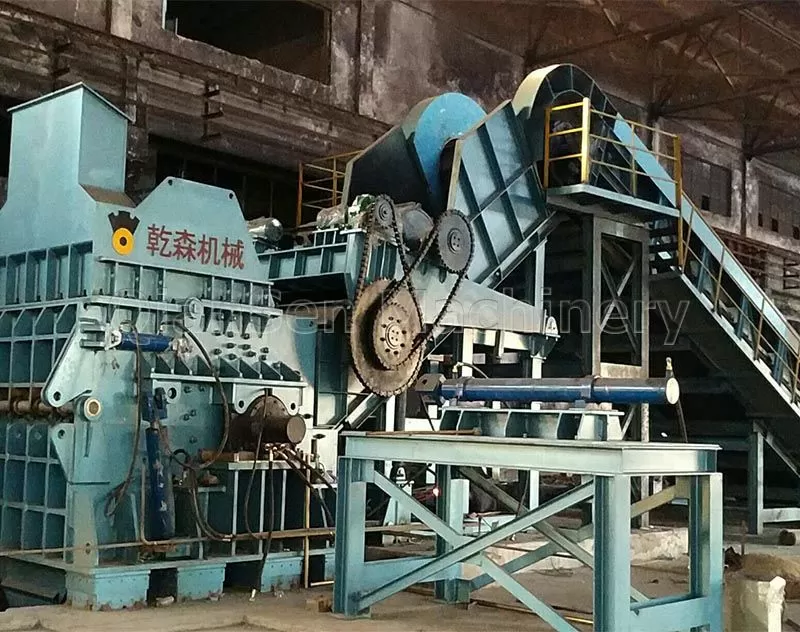
The primary mechanism of size reduction in an industrial mill is impact, rather than shearing or cutting. When raw scrap metal enters the main shredding chamber, it encounters a series of free-swinging hammers mounted on a high-mass, high-velocity rotor assembly. The kinetic energy stored in the rotating mass transfers to the scrap upon contact, fracturing brittle components and plasticizing ductile metals into dense, rounded nuggets.
As the scrap is struck by the rotating hammers, it is projected against the internal anvil and thick wear plates. This secondary impact further reduces the size of the material, stripping away paint, rust, and dirt, while simultaneously folding the metal to increase its bulk density. Once the material is sufficiently compacted and reduced to a size smaller than the openings in the grate basket located beneath the rotor, it discharges onto a vibratory conveyor.
To maintain high output quality, the clearance between the hammer tips, the anvil, and the cutter bar must be managed. A narrow clearance yields smaller, denser scrap but increases energy draw and accelerates wear rates. Conversely, a wider clearance increases throughput but may lead to irregular sizing and less efficient liberation of non-ferrous attachments. Finding the balance between sizing and energy consumption is key to profitable processing.
Key Variables in Selecting Hammermills for Sale
When evaluating different industrial hammermills for sale, several engineering specifications require close analysis to ensure the machinery fits the operational profile of the yard. Selecting a mill that is either underpowered or structurally inadequate for the incoming material stream will lead to excessive downtime and high maintenance costs.
Rotor Configuration and Rotational Inertia
The rotor is the centerpiece of the mill. For metal scrap processing, a solid disc rotor design is generally preferred over a spider rotor when handling light iron, white goods, and mixed automotive scrap. The solid disc construction protects the hammer pins from wear and prevents wire and cable from wrapping around the rotor shaft. The total mass of the rotor directly determines the kinetic energy storage capability. High-inertia rotors help maintain rotational speed when processing heavy sections of material, reducing peak electrical load spikes on the motor drive.
Drive Systems and Power Ratings
Power requirements vary based on throughput expectations and the thickness of the feed material. High-capacity operations typically utilize medium-voltage slip-ring induction motors or variable frequency drive synchronous motors ranging from 1,000 HP to over 4,000 HP. QianSen designs system configurations that match the motor's torque-speed curve with the specific inertia of the rotor assembly, minimizing thermal stress during heavy shredding cycles and stabilizing power grid consumption.
Alloy Metallurgy for Wear Components
The choice of alloy for wear parts dictates the operational cost per ton of processed scrap. Manganese steel is the standard material for hammers, grates, and internal liners due to its unique work-hardening properties. Under continuous impact, the outer layer of the manganese casting increases in hardness while the core remains tough and resilient against fractures. For applications processing highly abrasive materials, such as contaminated e-waste or automotive shredder residue, alloy steels with added chromium or molybdenum offer superior resistance to abrasive wear.
High-Manganese Steel (13% to 21% Mn): Ideal for hammers and grates where high-impact shock loading is common.
Alloy Steel with Chromium-Moly: Preferred for side liners and wear plates subjected to sliding abrasion rather than direct high-impact forces.
Differential Heat-Treated Alloys: Used for hammer pins to ensure high surface hardness with a ductile inner core to prevent sudden shear failures.
Common Operational Bottlenecks in Metal Shredding
Operating a high-capacity metal processing plant comes with significant operational challenges. Understanding these bottlenecks allows management to implement preventative measures and select machinery designed to minimize these disruptions.
The frequent replacement of hammers, grates, and liners represents a major portion of a plant's operating expenses. To mitigate this, modern mills feature quick-change housing designs. Hydraulic pin pullers and upper-housing tilting mechanisms allow maintenance crews to rotate or replace worn hammers with minimal manual labor, returning the machinery to service quickly. Additionally, utilizing reversible hammers allows operators to double the wear life before a complete replacement is required.
Heavy steel shafts, engine blocks, or thick structural plates can occasionally enter the shredding chamber and cause severe structural damage. Heavy-duty mills must be equipped with a hydraulic reject door. This door automatically or manually opens when an unshreddable object is encountered, allowing the rotor to eject the item before it causes catastrophic rotor or frame failure. A robust frame constructed from thick steel plates with external rib reinforcement helps absorb these shock loads without structural deformation.
The dry shredding process generates significant friction, resulting in heat, steam, and particulate emissions. Incorporating water injection systems directly into the shredding chamber helps suppress dust, cool the cutting components, and reduce the risk of internal dust explosions. Downstream cyclone separators and baghouses are necessary to capture fine particles and maintain compliance with local environmental regulations.
Downstream Sorting and Material Recovery
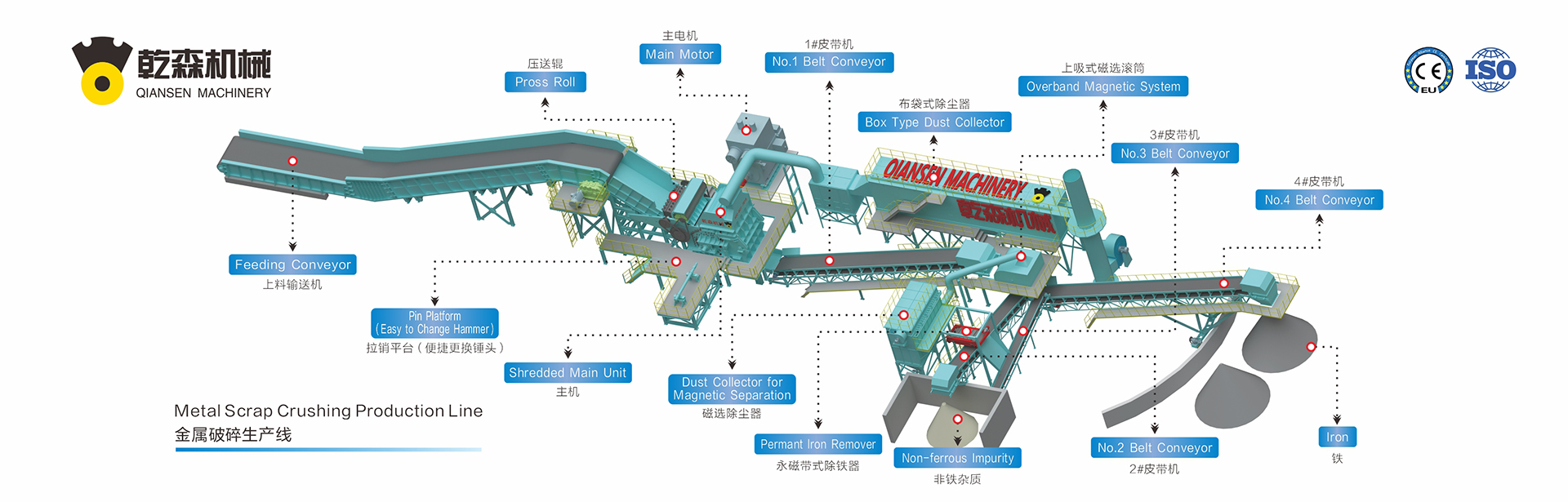
A mill does not operate in isolation; its financial viability depends heavily on downstream separation systems. The shredded material leaving the discharge grate of the hammermill is a mixed stream of ferrous metal, non-ferrous metal, and non-metallic waste. Sorting this stream efficiently is necessary to maximize the value of each material class.
Magnetic separation is the first step in downstream processing. High-strength drum magnets extract the magnetic ferrous fraction from the shredded stream. This fraction is typically clean, high-density steel scrap that can be sent directly to steel mills. The remaining non-magnetic stream, often referred to as shredder residue, contains valuable non-ferrous metals such as aluminum, copper, and brass, as well as plastics, glass, and rubber.
To recover these non-ferrous metals, operators deploy eddy current separators. These systems use a high-speed rotating neodymium magnet rotor inside a non-metallic drum to create eddy currents in conductive metals, causing them to repel and separate from the non-conductive plastics and rubber. For further refinement, sensor-based sorting systems utilizing induction sensors or X-ray transmission can identify and isolate specific alloy groups, ensuring high-purity fractions that command premium prices from smelters. QianSen provides integrated downstream configurations designed to match the throughput of our shredding systems, ensuring a continuous, balanced material flow.
Investment Considerations and Lifecycle Cost Analysis
Analyzing the lifecycle cost of various hammermills for sale allows processors to understand the true cost of ownership beyond the initial capital expenditure. The total cost of ownership includes electrical power consumption, wear part consumption (expressed in cost per ton processed), routine maintenance labor, and unplanned downtime.
Investing in a more robust chassis with thicker steel plates, reinforcing welds, and high-performance spherical roller bearings may require a larger capital outlay initially, but it significantly reduces the frequency of structural fatigue repairs over a ten-year operational lifespan. Heavy-duty construction absorbs vibration better, protecting the structural integrity of the foundation and adjacent equipment. Selecting an energy-efficient drive system and utilizing high-quality wear parts will lower the operating cost per ton, ensuring a faster return on investment and a stronger competitive position in the scrap metal market.
Expert Engineering Consultations with QianSen
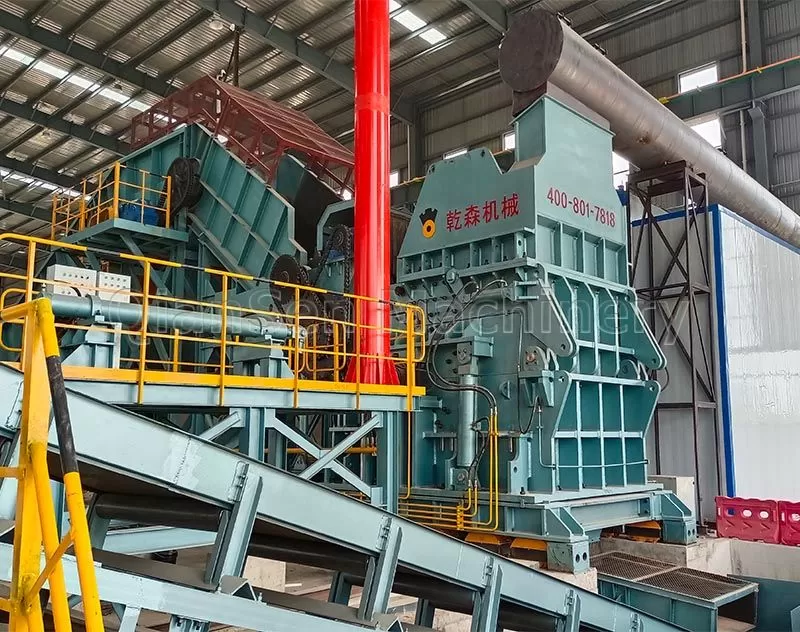
Selecting the appropriate shredding system requires a deep understanding of your feed material characteristics, desired throughput, and downstream purity requirements. If you are currently evaluating industrial hammermills for sale, our engineering team at QianSen is available to assist you. We provide custom-tailored machinery configurations designed to match your specific operational goals, helping you maximize metal recovery rates while controlling maintenance overhead. Contact our B2B sales division today to request a technical consultation, detailed equipment layouts, or a comprehensive wear-life analysis based on your typical input material.
Frequently Asked Questions
Q1: What materials can be processed with these scrap hammermills?
A1: These industrial mills are designed to process light iron, end-of-life vehicle (ELV) bodies, white goods, aluminum scrap (such as extrusions and castings), electronic waste (WEEE), and municipal solid waste metals. They are not intended for heavy structural steel beams, thick plates, or large solid shafts, which should be sheared prior to processing.
Q2: How does hammer design affect the quality of the output scrap?
A2: Hammer weight, geometry, and alloy composition directly influence the compaction and fragmentation of the scrap. Heavy, bell-shaped hammers provide high impact force, which is ideal for densifying light iron and automotive bodies. Lighter, rectangular hammers are better suited for processing smaller fractions like aluminum cans or electronic scrap where tearing and liberation are the primary goals.
Q3: What safety mechanisms protect the machine from un-shreddable objects?
A3: Modern systems incorporate a heavy-duty hydraulic reject door. When the rotor encounters an object that cannot be shredded (such as a solid steel shaft), the impact forces the reject door open, ejecting the object from the chamber. This prevents catastrophic damage to the rotor, hammers, and internal grates.
Q4: How often should hammers be rotated or replaced?
A4: Hammer wear life depends heavily on the abrasiveness of the feed material and the alloy composition of the hammers. Generally, in high-capacity steel scrap processing, hammers are rotated every 15 to 30 operating hours to maintain a sharp striking edge and are replaced completely once they lose approximately 20% to 30% of their original mass.
Q5: Can the output size be adjusted easily?
A5: Yes, the size of the output scrap is determined by the spacing and opening dimensions of the grate baskets installed beneath the rotor. These grates can be changed during scheduled maintenance shifts to adjust the sizing according to specific buyer requirements or to process different types of raw materials.
Q6: What type of lubrication system is recommended for the main bearings?
A6: Heavy-duty scrap metal shredders require automated grease lubrication systems. These systems deliver precise amounts of high-pressure, extreme-pressure (EP) grease to the main spherical roller bearings at regular intervals while the machine is running. This continuous lubrication flushes out contaminants and prevents thermal build-up inside the bearing housing.