





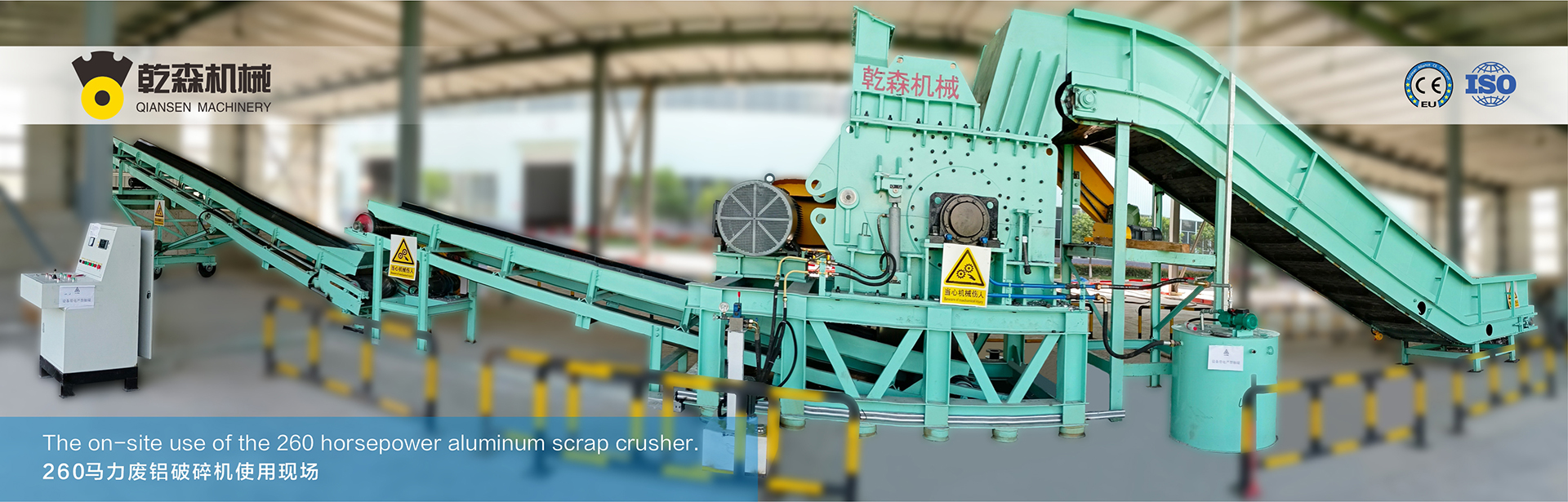
What Structural Features Define the Best Hammer Mill for Heavy-Duty Metal Shredding?
Released on Jul. 16, 2026
Industrial metal recycling requires robust size reduction machinery capable of processing diverse, high-density feedstocks. Among the various shredding solutions available, hammer mills remain a primary technology for processing light to medium scrap, electronic waste, and non-ferrous materials. Achieving high throughput while controlling operational costs depends heavily on machine configuration. Selecting the best hammer mill for a specific application involves analyzing rotor dynamics, metallurgy, maintenance access, and overall structural durability.
Industrial operators face rising energy costs and fluctuating scrap prices, making processing efficiency a primary driver of profitability. Equipment manufactured by QianSen focuses on addressing these demands through precise mechanical design and wear-resistant components. By examining the fundamental engineering principles of impact reduction, processing facilities can make informed procurement decisions that align with their production targets and material specifications.
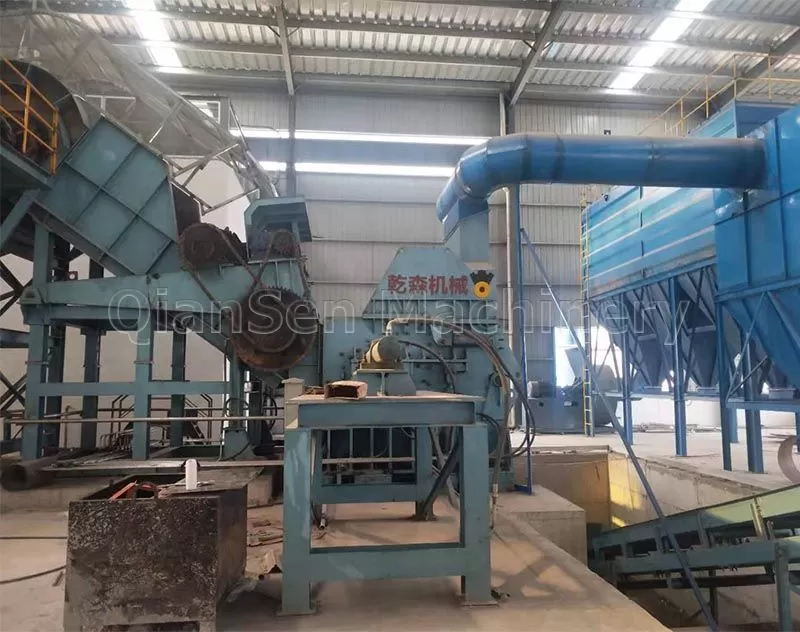
Rotor Dynamics and Kinetic Energy Transfer
The core performance of any hammer mill is determined by its rotor assembly. The rotor acts as the primary energy storage and transfer mechanism, relying on rotational inertia to crush incoming scrap material. A well-engineered rotor must balance mass, rotational velocity, and structural integrity to sustain high-impact forces without experiencing premature fatigue.
During operation, the motor drives the rotor shaft, spinning the hammer assemblies at high peripheral speeds, typically ranging from 50 to 80 meters per second. When material enters the shredding chamber, the hammers deliver high-velocity impacts, fracturing the metal along natural grain boundaries and structural weaknesses. The kinetic energy available for fragmentation is directly proportional to the moment of inertia of the rotor assembly and the square of its rotational speed.
To maintain consistent throughput, the best hammer mill designs utilize heavy-duty, solid-steel rotor discs or spider plates shrunk-fit onto a forged alloy steel shaft. This construction prevents the individual components from shifting under extreme loads. Precision dynamic balancing is required during manufacture to minimize vibration, which otherwise leads to bearing wear and structural stress on the machine frame.
Metallurgy of Wear Components and Hammer Configurations
The severe abrasive environment inside the shredding chamber necessitates high-grade alloys for all wear-contact surfaces. Hammers are subject to continuous impact and gouging abrasion, requiring materials that can withstand these stresses without breaking. Standard steel alloys often fail prematurely, leading to frequent maintenance shutdowns and decreased productivity.
Most industrial applications utilize manganese steel alloys, specifically Hadfield manganese steel, for hammer fabrication. This material possesses a unique property: it work-hardens under impact. While the base metal remains ductile to absorb shocks, the outer surface hardens from a typical 200 HB (Brinell) to over 500 HB when subjected to repeated impacts. This self-hardening behavior makes manganese hammers suitable for processing ductile metals like aluminum and structural steel scrap.
In scenarios where the feed material is highly abrasive but less prone to causing extreme impacts, chromium-molybdenum alloy steels or martensitic steels are preferred. These alloys offer high initial hardness and superior wear resistance compared to standard manganese steel, though they are more brittle. QianSen engineers wear components based on the specific alloy composition of the target feedstock, matching hammer metallurgy to the prevailing wear mechanisms of the operation.
The physical geometry of the hammer also influences shredding performance. Common configurations include:
Bell Hammers: Offer concentrated mass at the working tip, maximizing impact energy for thick-walled scrap.
Bow-Tie Hammers: Provide dual working edges, allowing the operator to reverse the rotation of the mill to utilize the second edge before requiring a complete replacement.
Grates and Liners: Side liners and breaker plates are typically cast from high-chromium white irons or alloy steels, bolted securely to the inner housing to protect the main structural frame from wear.
Chamber Design and Sizing Grates
Material sizing and discharge efficiency are governed by the lower grate basket configuration. Once the hammers fracture the incoming scrap, the material is swept along the breaker plates and across the discharge grates. Particles smaller than the grate openings exit the chamber immediately, while oversized material is carried back around for further reduction.
The design of the grate plate must balance open area with structural rigidity. A larger open area increases output capacity and reduces power consumption by preventing over-shredding. However, if the grate bars are too thin, they may bend or break under the impact of heavy scrap. Grate openings are typically configured as round perforations, rectangular slots, or heavy-duty grates made of welded tool steel bars, depending on the required final product density and size.
To optimize flow dynamics, the clearance between the hammer tips and the grate surface must be maintained within tight tolerances. As the hammers wear down, this gap increases, leading to a decrease in shredding efficiency and an increase in recirculating load. Many modern hammer mills feature adjustable breaker plates or multi-position pin holes on the rotor to compensate for hammer wear, extending the useful life of the wear parts before replacement is necessary.
Operational Solutions for Common Industry Pain Points
Industrial recycling facilities face several operational challenges that can affect profitability. Unshreddable foreign objects, excessive dust generation, and extended maintenance periods are common issues that require robust engineering solutions.
Managing Unshreddable Feedstocks
Heavy steel shafts, thick plates, or large engine blocks can enter the milling chamber inadvertently. If these objects cannot be broken by the hammers, they can cause severe mechanical damage to the rotor, shaft, or housing. To mitigate this concern, the best hammer mill systems are equipped with a hydraulic rejection gate or a tramp metal pocket. When an uncrushable object enters, the swing hammers deflect backward, and the kinetic energy forces the object into a dedicated collection pocket or out through a spring-loaded relief gate, protecting the main components from catastrophic failure.
Dust and Environmental Controls
Shredding scrap metal, particularly electronic scrap or automotive shredder residue, generates significant quantities of airborne dust and fine particulates. Implementing water injection systems directly into the shredding chamber helps suppress dust at the point of origin while cooling the hammers to reduce thermal wear. Additionally, integrating the mill with a dedicated air classification system ensures that light materials like plastics, foam, and dust are separated from the dense metal fraction, producing a cleaner end product.
Minimizing Maintenance Downtime
Replacing hammers, liners, and grates is a necessary aspect of mill operation, but it directly impacts machine availability. Equipment designs must facilitate rapid access to internal components. QianSen addresses this requirement by incorporating hydraulically operated split housings. These systems allow the upper casing of the mill to open like a clamshell, providing maintenance personnel with direct overhead access to the rotor assembly, grate baskets, and pin shafts. This mechanical accessibility reduces the time needed for hammer rotations and liner replacements from days to hours.
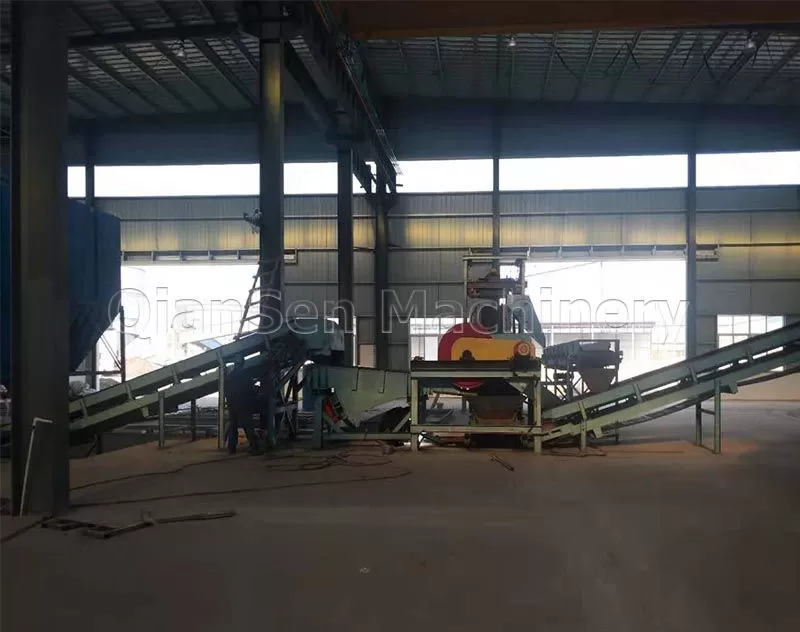
Application-Specific Configurations
No single hammer mill configuration is suitable for every material type. Processing facilities must match the machine specifications to their primary feedstock to achieve the desired output quality and throughput.
For processing aluminum castings, turnings, and extrusion profiles, the focus is on maximizing separation and liberation of iron contaminants. The mill is configured with high rotor speeds and smaller grate openings to ensure clean separation of mechanical fasteners from the aluminum body. Downstream magnetic separators can then easily remove the ferrous fractions.
In electronic waste recycling, where materials include circuit boards, connectors, and casings, the mill must minimize the creation of ultra-fine copper and precious metal dust, which is difficult to recover. Here, lower rotor speeds and shear-based hammer profiles are utilized to break down composite materials without pulverizing valuable non-ferrous elements. QianSen works closely with industrial operators to customize these parameters, ensuring the mechanical configuration matches the physical characteristics of the input stream.
Frequently Asked Questions
Q1: How do I determine the appropriate rotor speed for my scrap metal application?
A1: Rotor speed is determined by the material toughness and the desired output size. Harder, more resilient materials require higher tip speeds (60–80 m/s) to achieve fracture through impact. Conversely, lighter materials or those requiring preservation of component shapes (like electronic scrap) are processed at lower speeds (40–50 m/s) to minimize dust and over-shredding.
Q2: What are the advantages of manganese steel hammers over alloy steel hammers?
A2: Manganese steel is self-hardening. Under the continuous impact of processing metal scrap, the outer surface of the hammer becomes harder and more wear-resistant, while the inner core remains ductile to prevent breakage. Alloy steel hammers offer high initial hardness but can be susceptible to fracturing under heavy, concentrated impacts if the material is brittle.
Q3: How does moisture in the feedstock affect hammer mill operation?
A3: High moisture content can cause fine particles to stick to the grate plates, clogging the openings and reducing discharge efficiency. This leads to material accumulation in the chamber, higher power consumption, and increased heat generation. In wet environments, using wider grate slots or implementing a wet-shredding configuration is recommended.
Q4: How often should the hammers be rotated or replaced in a typical metal recycling application?
A4: Hammer wear rates depend on the abrasiveness of the feedstock and the alloy used. In high-volume steel scrap operations, hammers may need rotation every 40 to 80 operating hours to maintain sharp cutting edges. Utilizing reversible hammer designs simplifies this process, allowing operators to spin the rotor in the opposite direction to utilize the secondary wear edge.
Q5: What mechanical safety features should be included in an industrial hammer mill system?
A5: High-performance systems should feature vibration sensors to detect imbalance early, temperature monitors on the main rotor bearings to prevent thermal seizure, and hydraulic safety interlocks that prevent the motor from starting when the maintenance doors are open. A reliable tramp metal release system is also necessary to prevent catastrophic damage from non-shreddable objects.
Technical Consultation and Inquiries
Selecting the appropriate size reduction machinery involves evaluating several variables, including feed dimensions, throughput requirements, power availability, and downstream separation goals. QianSen designs and manufactures heavy-duty processing systems tailored to the specific operational demands of global recycling facilities. To receive a detailed technical assessment, customized rotor configurations, or equipment drawings for your project, please contact our engineering team with your feedstock specifications and daily production targets.