




How Does an International Hammer Mill Improve Metal Recovery Rates?
Released on Jul. 13, 2026
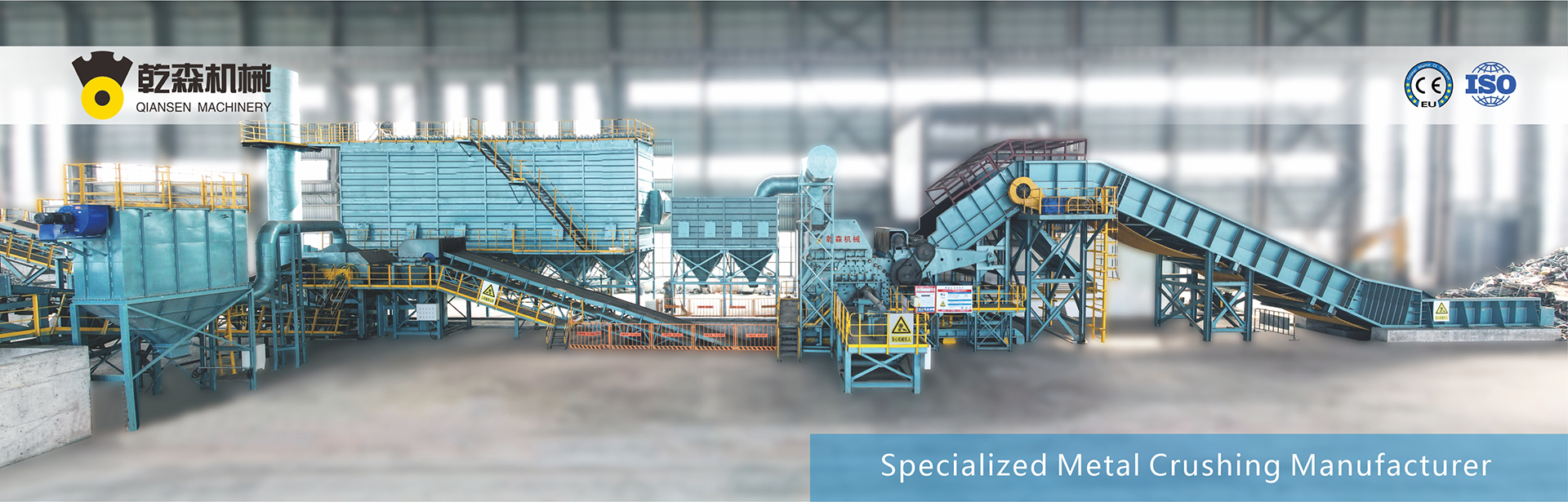
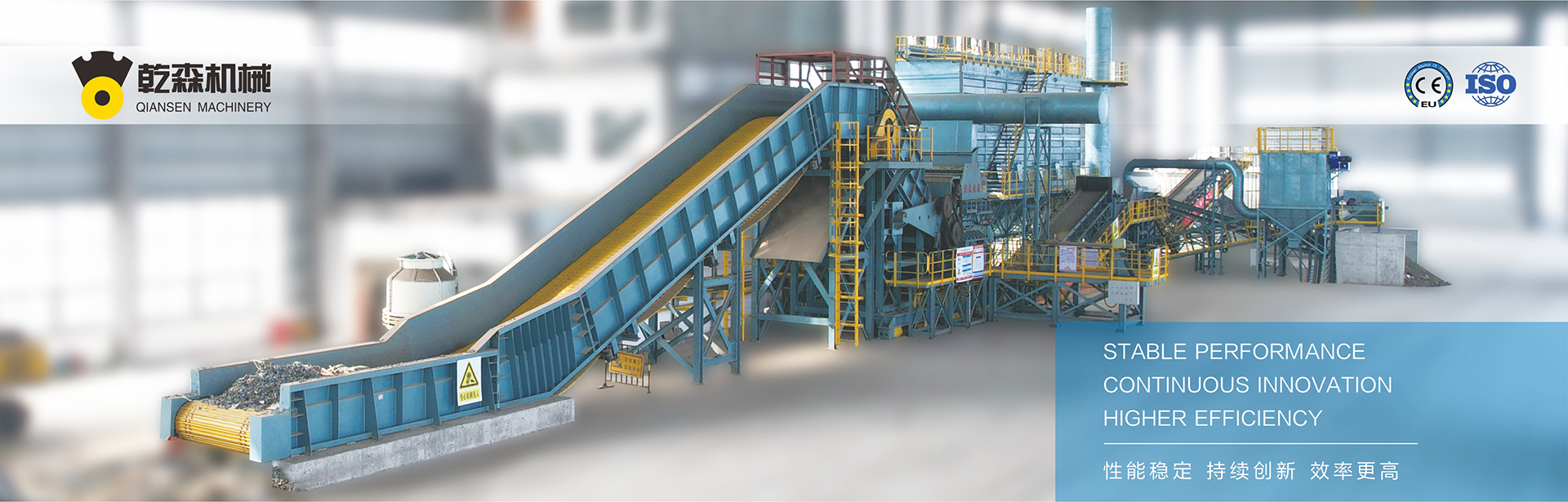
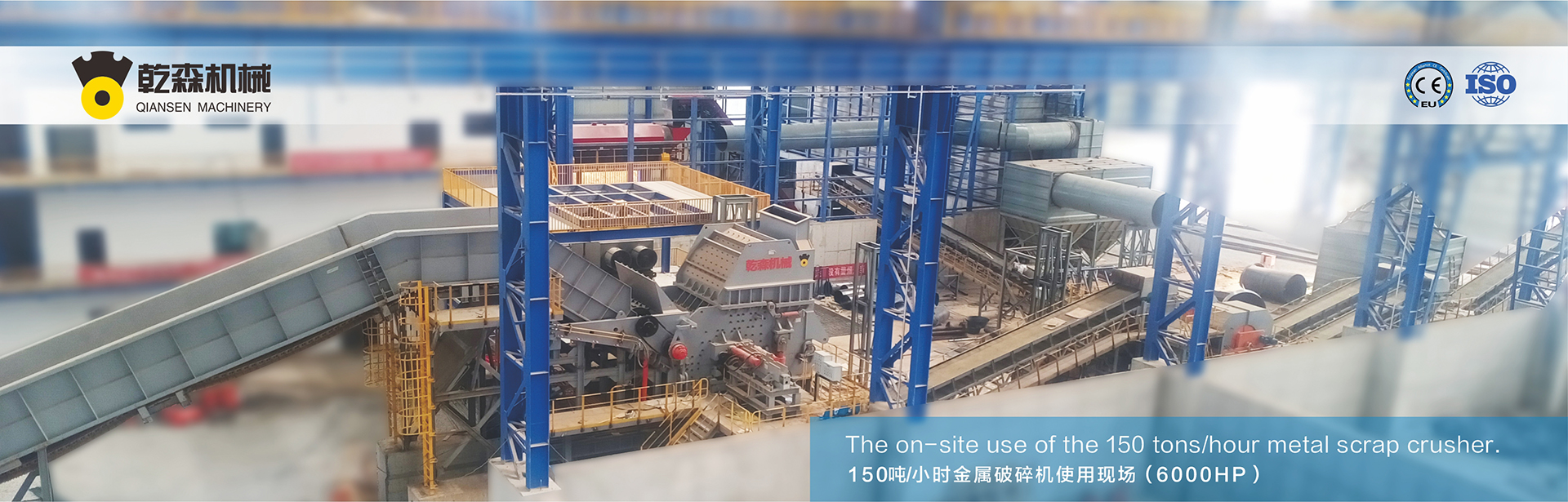
Global metal recycling operations face ongoing pressure to improve processing efficiency, control operating costs, and meet strict purity standards for secondary raw materials. To achieve these objectives, processing facilities rely on robust size-reduction machinery capable of handling diverse feedstocks, from light iron and end-of-life vehicles to electronic waste and industrial scrap. Among the various technologies available, the international hammer mill stands out as a primary solution for high-capacity fragmentation and material liberation.
Industrial operators require equipment that balances throughput with manageable maintenance cycles. Understanding the mechanical variables, metallurgy, and operational parameters of these systems allows processing plants to make informed procurement and operational decisions. QianSen designs and manufactures heavy-duty processing machinery, focusing on structural durability and energy efficiency to support global recycling networks.
The Mechanics of Modern Industrial Size Reduction
At its core, the performance of an international hammer mill depends on the kinetic energy transferred from a high-speed rotor to the incoming feedstock. This process does not merely compress the material; it subjects the scrap to intense impact, shear, and attrition forces that rapidly reduce its physical dimensions.
Rotor Dynamics and Energy Transfer
The rotor assembly is the central component of the shredding system. Driven by high-horsepower electric motors, often coupled with hydraulic clutches or variable frequency drives, the rotor carries multiple free-swinging hammers. As the rotor spins, centrifugal force extends the hammers outward. When material enters the shredding chamber, it encounters these hammers at high velocity.
The primary reduction occurs during this initial impact. The kinetic energy of the hammer is transferred directly to the feedstock, causing fractures along natural weak points, weld lines, and material boundaries. Properly balanced rotors prevent excessive vibration, protecting the main bearings and the structural frame from premature fatigue.
Grate Configurations and Size Classification
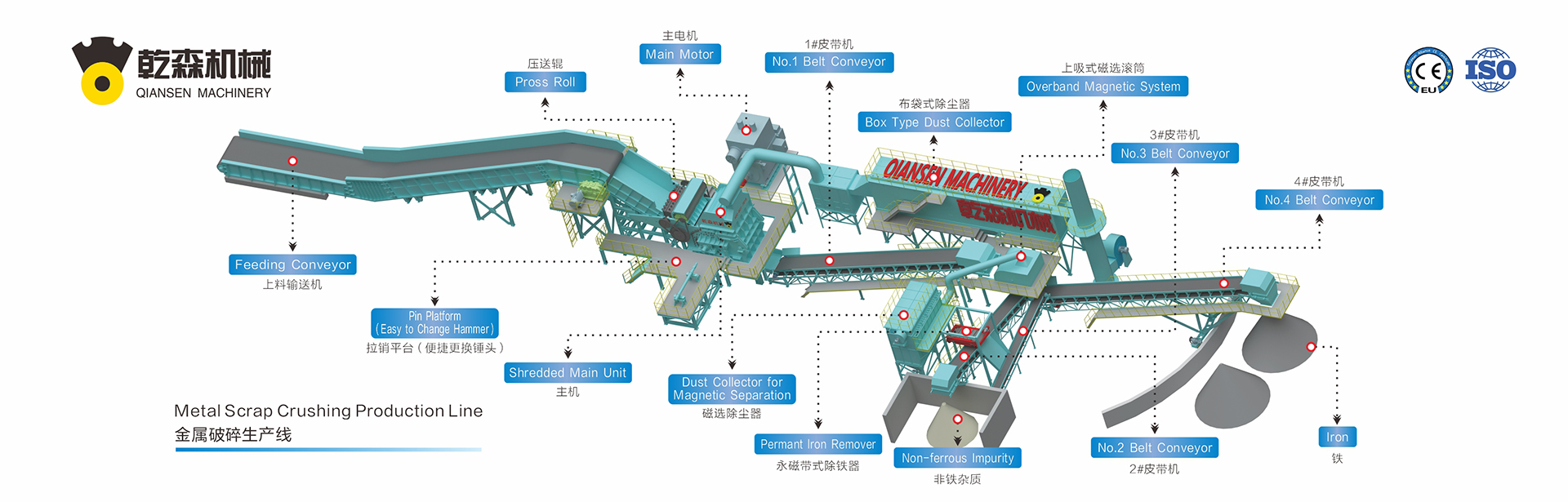
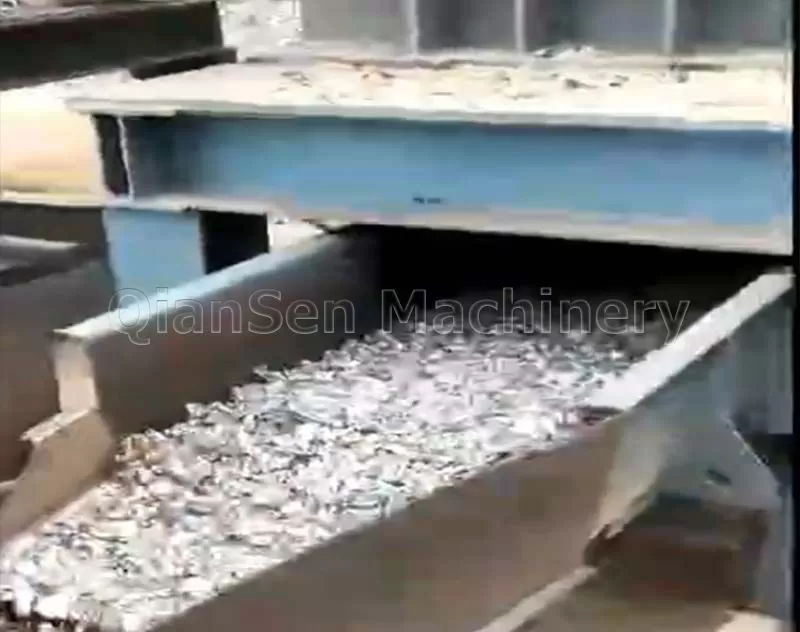
Once the initial impact fractures the material, the scrap is swept against breaker plates and across a series of discharge grates. These grates act as a physical sizing screen. Material that has been reduced below the grate opening size passes through the chamber and onto downstream separation systems, such as magnetic drums and eddy current separators.
Material that remains larger than the grate openings is carried back around the chamber for subsequent impact cycles. Adjusting the geometry and spacing of these grates allows operators to control the density and size distribution of the final product, which directly influences the market value of the processed scrap.
Addressing Common Operational Bottlenecks in Metal Shredding
Operating high-capacity shredding equipment involves managing wear and energy consumption. Unplanned downtime and rapid component degradation are common challenges that can erode processing margins if not properly managed.
Wear parts, particularly hammers, grate bars, and internal liner plates, are subjected to constant abrasion and high-impact forces. Inadequately formulated alloys wear down quickly, leading to wider gaps between the hammers and the grates, which decreases shredding efficiency and increases the percentage of oversized material in the output.
To mitigate this issue, heavy equipment manufacturers utilize specialized metallurgy. Manganese steel, often referred to as Hadfield steel, is commonly specified for hammers and liner plates. This alloy possesses work-hardening characteristics; the more impact it receives during operation, the harder its outer surface becomes, while the core remains ductile to resist catastrophic fracturing.
Another operational challenge is the presence of un-shreddable materials, such as heavy steel shafts or massive iron castings, entering the feed stream. If these materials cannot exit the chamber, they can cause severe damage to the rotor and drive train. Modern systems incorporate hydraulic reject gates or reject doors that automatically or manually release these items from the chamber before major damage occurs.
Applications of the International Hammer Mill in Scrap Processing
The versatility of these shredders allows them to process a wide variety of materials, adapting to changing market demands and regional scrap supplies.
End-of-Life Vehicles (ELVs): Flattened or baled car bodies are processed to liberate ferrous metals from non-ferrous metals (such as aluminum, copper, and brass) and non-metallic shredder residue (fluff).
Light Industrial Scrap: Mixed demolition scrap, metal furniture, and sheet metal are processed into high-density fragmentized scrap preferred by steel mills and foundries.
Electronic Waste (WEEE): Circuit boards, appliances, and computer housings are shredded to liberate precious and base metals from plastics, preparing the material for advanced sorting and refining.
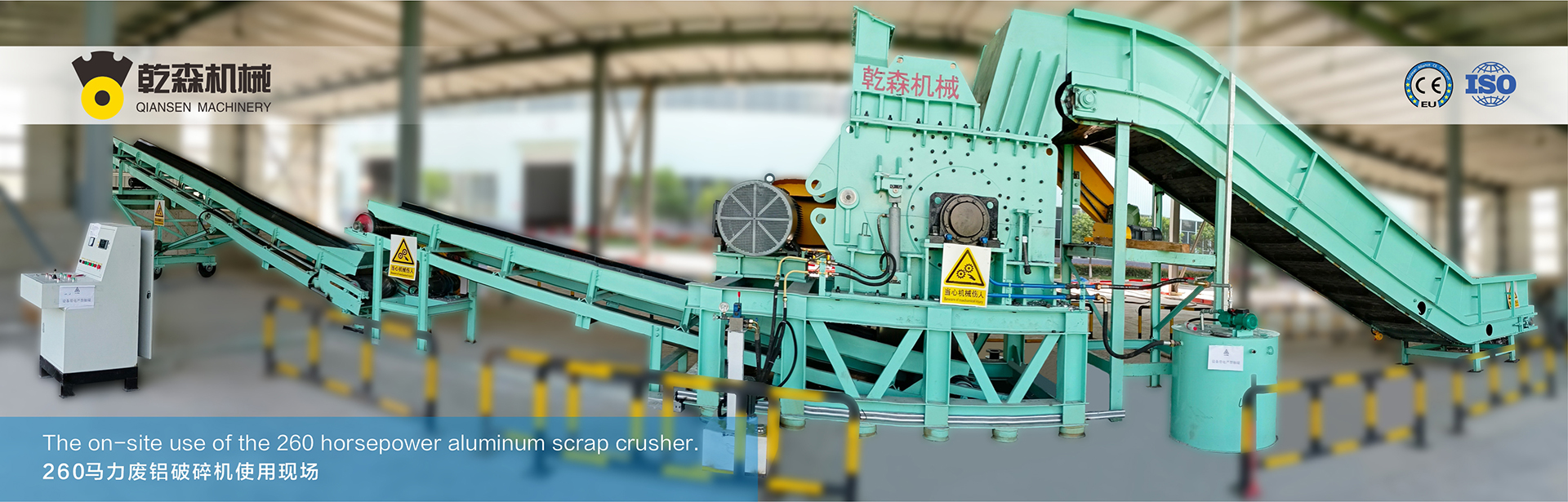
Aluminum Scrap: Castings, sheet aluminum, and extrusion profiles are shredded and densified to improve melting efficiency in secondary aluminum smelters.
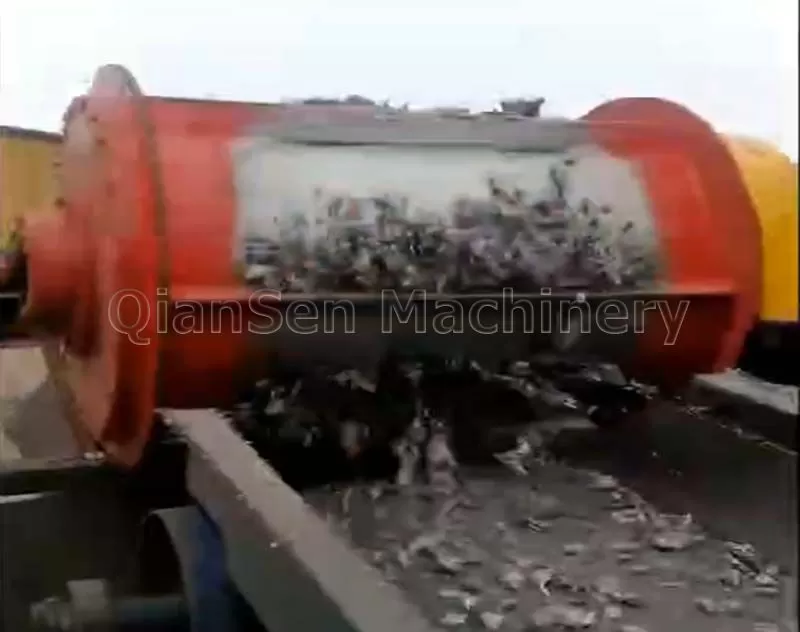
By achieving clean liberation of different material types, the international hammer mill enables downstream sorting equipment to operate at peak efficiency. Magnetic separators can recover clean ferrous fractions with minimal copper contamination, which is a key requirement for modern electric arc furnace (EAF) steelmaking.
Engineering Solutions by QianSen
QianSen designs machinery that addresses the daily realities of recycling plant operators. By focusing on heavy-duty construction and ease of maintenance, these systems help plants maintain stable production schedules.
The housing of each unit is constructed from thick, high-tensile steel plates, reinforced with external ribbing to withstand continuous impact. Internal surfaces are protected by replaceable, bolt-on wear plates made from abrasion-resistant alloys. This design ensures that the main structural frame remains undamaged over years of continuous operation.
Maintenance accessibility is integrated into the design. Hydraulic housing-opening systems allow service crews to access the rotor, hammers, and grates quickly. Pin-pulling devices simplify the process of changing hammers, reducing the labor and time required for routine maintenance shutdowns.
Factors Influencing Equipment Longevity and Throughput
Achieving stable performance from size-reduction machinery requires careful attention to daily operational parameters. Several factors influence both the hourly throughput and the service life of internal components.
First, the feed rate must be regulated to prevent overloading the shredding chamber. An overfed mill can experience rotor deceleration, which reduces impact energy and leads to material packing within the chamber. Automated feed control systems, which monitor motor amperage and adjust the feed conveyor speed accordingly, help maintain consistent motor load and optimal shredding conditions.
Second, moisture control plays a role in dust suppression and material flow. Wet shredding processes or water injection systems are often used to control dust and reduce the risk of internal explosions caused by sparks igniting flammable vapors or fine dust. However, excessive water can lead to premature wear of the grates due to slurry abrasion and must be carefully metered.
Third, regular inspections are necessary to identify loose liners, worn hammers, or damaged grate bars before they lead to secondary damage. Rotating or flipping hammers at scheduled intervals ensures even wear and maintains the proper clearance between the hammer face and the breaker plates.
Frequently Asked Questions
Q1: What determines the lifetime of hammers in an international hammer mill?
A1: Hammer life is determined by the abrasiveness of the feedstock, the alloy composition of the hammer, the rotor speed, and the consistency of the feed rate. Utilizing work-hardening manganese steel or alloy steels with specific heat treatments can extend hammer service life in high-impact environments.
Q2: How does the system handle tramp metal or non-shreddable objects?
A2: The equipment is designed with a rear reject gate. When an un-shreddable object is introduced, the hammers push it against the reject door, which opens under hydraulic pressure or mechanical release, allowing the object to exit the chamber without causing severe damage to the rotor.
Q3: Can these mills process both ferrous and non-ferrous metals simultaneously?
A3: Yes, the mill processes mixed scrap by fragmenting and liberating the individual materials from one another. Once the material passes through the discharge grates, downstream separation systems (such as magnets and eddy currents) sort the mixture into distinct ferrous, non-ferrous, and waste streams.
Q4: What maintenance is required for the main rotor bearings?
A4: Main rotor bearings require continuous lubrication, temperature monitoring, and vibration analysis. Most industrial setups utilize automatic grease lubrication systems and temperature sensors to detect early signs of bearing wear, preventing catastrophic failures during production.
Q5: How does motor power relate to throughput capacity?
A5: Throughput capacity is directly proportional to motor horsepower and rotor mass. Higher horsepower allows the system to maintain rotor speed when processing thicker, denser materials, resulting in higher hourly output and more consistent fragmentation.
Technical Consultations and Inquiries
Selecting the appropriate shredding equipment requires a detailed analysis of your feedstock characteristics, desired output sizes, and target throughput rates. The engineering team at QianSen provides tailored technical evaluations to help you configure a processing line that aligns with your operational goals.
To discuss your project specifications, receive detailed material testing reports, or obtain a comprehensive equipment proposal, please contact our sales and engineering department. We are prepared to assist you in analyzing your processing requirements and delivering reliable machinery solutions for your facility.