





What Dictates the Lifecycle and Output Quality of Industrial Metal Shredders?
Released on Jul. 09, 2026
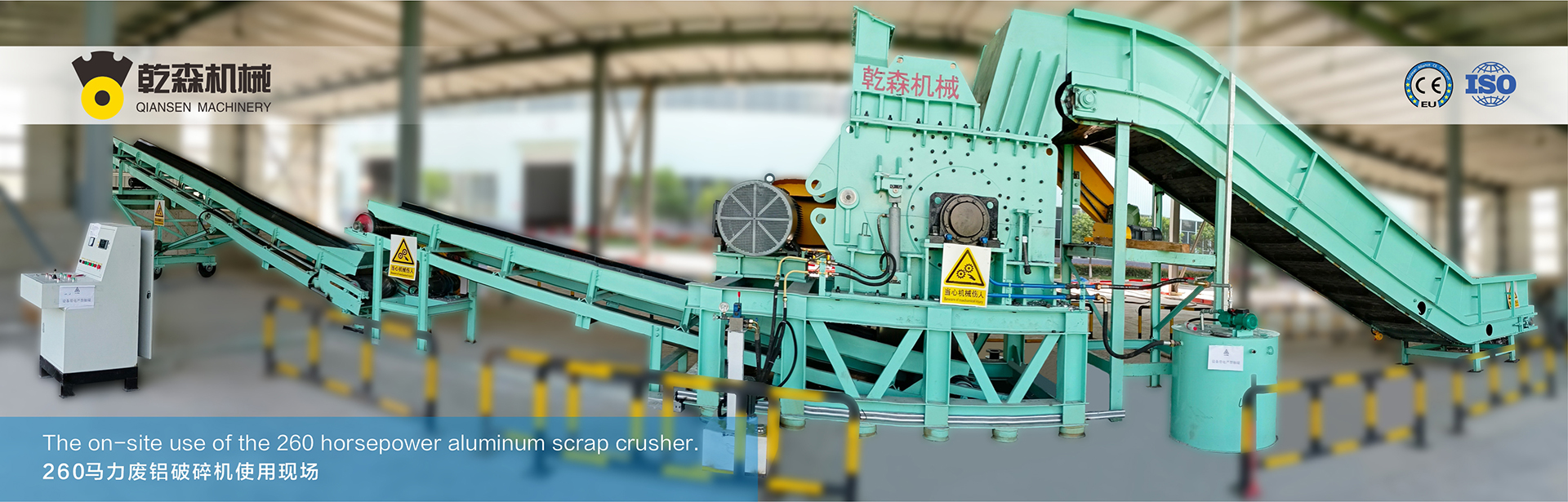
The global recycling industry relies on robust mechanical processing systems to convert bulky, high-density scrap into manageable, high-quality raw materials. At the center of these operations is the heavy metal shredder machine, a piece of industrial equipment engineered to reduce large-scale metal waste into uniform fractions. This size reduction is necessary not only for efficient logistics and transport but also for downstream separation processes such as magnetic sorting, eddy current separation, and pyrometallurgical recycling.
For industrial operations and scrap processors, selecting the appropriate machinery requires a comprehensive understanding of mechanical forces, metallurgy, and drive configurations. Equipment manufactured by QianSen is designed to address these complex mechanical demands, providing stable performance under high-stress conditions. This article examines the core engineering principles of heavy-duty size reduction, the materials science behind cutting components, and the operational variables that dictate overall plant efficiency.
Mechanics of High-Torque Size Reduction
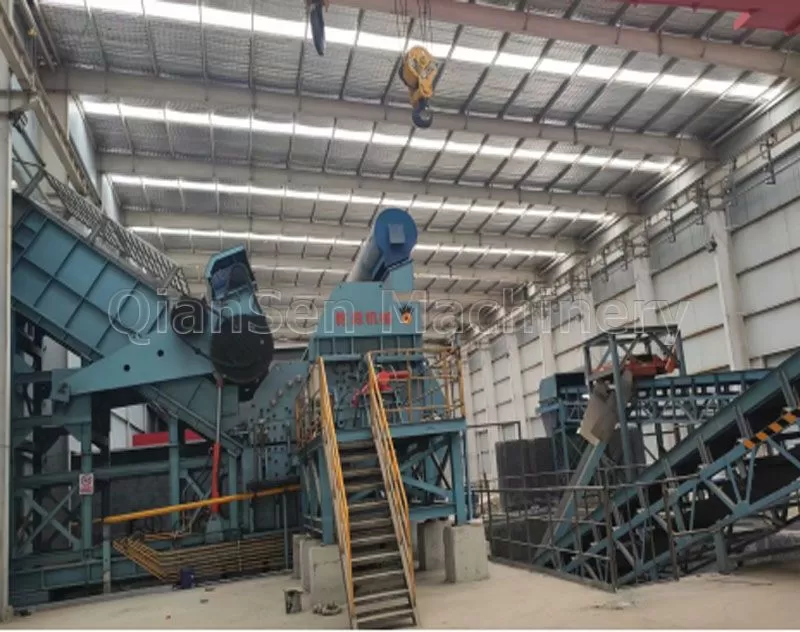
Unlike light-duty shredders that rely on high-speed impact, heavy-duty processing of structural metals, automotive bodies, and industrial scrap requires high-torque, low-speed shredding mechanisms. This mechanical approach utilizes shear, tear, and fracture forces to break down materials with high tensile strength. The physical deformation of the feedstock occurs through the interaction of counter-rotating shafts equipped with specialized cutting disks.
The rotational speed of these shafts typically ranges between 10 to 40 revolutions per minute (RPM). This deliberate, low-speed operation offers several distinct advantages:
Torque Multiplication: Low shaft speeds allow the drive system to generate massive rotational force, enabling the cutters to pierce through thick-walled steel and iron casting.
Dust and Emission Control: High-speed hammer mills generate significant quantities of airborne dust, fine particulates, and heat. Low-speed shear shredders minimize these emissions, reducing the load on plant filtration systems.
Acoustic Decibel Reduction: By shearing rather than shattering, the acoustic profile of the processing facility remains within manageable limits, improving the working environment.
Framp Protection: When non-shreddable objects enter the chamber, high-speed machines risk catastrophic structural failure. Low-speed, PLC-monitored shafts can detect torque spikes instantly and reverse rotation to protect the internal components.
Power transmission in these systems is achieved through either electric motors paired with high-reduction planetary gearboxes or dedicated hydraulic drive systems. Hydraulic drives offer infinitely variable speed control and rapid reversing capabilities, which are highly beneficial when processing unpredictable scrap mixtures. Electric drives, when configured with variable frequency drives (VFDs), provide excellent energy efficiency and precise monitoring of mechanical loads.
Structural Integrity and Material Science in Cutting Components
The operational lifespan of a heavy metal shredder machine is largely determined by the metallurgy of its cutting tools and the rigidity of its structural housing. Because the cutting chamber is subjected to repetitive, cyclic loading and intense abrasive wear, the selection of steel alloys is a primary focus for engineers.
The main components within the cutting chamber require distinct material properties to withstand different stress profiles:
Rotor Shaft Metallurgy and Geometry
The rotor shaft acts as the backbone of the shredder. It must possess high torsional strength to transmit torque from the drive unit without twisting or fracturing. Forged alloy steels, such as 42CrMo or high-grade nickel-chromium-molybdenum alloys, are commonly used. These shafts undergo deep heat treatment to achieve a uniform hardness profile, ensuring resistance to fatigue over millions of load cycles. Hexagonal or splined shaft designs are generally preferred over keyed shafts, as they distribute the rotational stress more evenly across the inner bore of the cutting disks.
Blade Design, Hook Configurations, and Wear Alloys
The blades, or cutters, are the primary wear interface. Their geometry, thickness, and hook count are configured based on the target feedstock. For instance, processing elastic materials like tires or thin sheet metal requires multi-hook blades with tight tolerances to ensure clean shearing. Conversely, thick-walled scrap steel requires broader, single-hook or double-hook configurations that focus the force on a single point to initiate fracture.
Material composition is selected based on the balance between hardness (to resist abrasive wear) and toughness (to resist chipping under impact). High-strength tool steels, including modified D2, H13, or proprietary wear-resistant alloys like Hardox, are standard. Advanced manufacturing processes also utilize hardfacing weld overlays on wear-prone surfaces, allowing operators to rebuild worn blade profiles during routine maintenance rather than replacing entire cutter assemblies.
Engineering Parameters of a Heavy Metal Shredder Machine
To integrate a shredding system into a larger recycling line, engineers must evaluate several operational parameters that govern throughput and efficiency. A mismatch in these variables can lead to upstream material accumulation or downstream processing bottlenecks.
| Parameter Type | Standard Range | Primary Influence on Operations |
|---|---|---|
| Shaft Speed (RPM) | 10 - 35 RPM | Determines torque availability and limits heat generation during shearing. |
| Drive Power (kW) | 90 kW - 450+ kW | Dictates the maximum material thickness and hourly throughput capacity. |
| Blade Thickness (mm) | 30 mm - 120 mm | Determines the width of the shredded output fractions and blade durability. |
| Chamber Dimensions (mm) | 1200 x 1000 to 2400 x 1600 | Limits the maximum physical footprint of the incoming feedstock. |
| Throughput (Tons/Hour) | 5 - 40+ Tons/Hour | Varies widely depending on material bulk density and moisture content. |
Balancing these specifications requires a detailed assessment of the incoming scrap profile. For example, processing light aluminum extrusions requires a different speed-to-torque ratio than processing heavy structural I-beams. QianSen engineers utilize finite element analysis (FEA) to simulate these dynamic loads, refining the machine configuration before physical manufacturing begins.
Addressing Common Industry Challenges in Scrap Processing
Industrial recycling facilities face several persistent challenges that directly impact profitability. By analyzing these issues, manufacturers have designed mechanical and electronic features to mitigate downtime and maintenance overhead.
One major challenge is the presence of non-shreddable tramp materials, such as heavy solid steel shafts or large engine blocks, hidden within mixed scrap piles. In standard machines, these objects can stall the motor or cause structural cracking in the main frame. Modern solutions involve incorporating PLC-driven monitoring systems. When the PLC detects a current spike or hydraulic pressure surge exceeding a preset threshold, it instantly halts the shaft rotation and reverses the direction. This action repositions the material, allowing the machine to try shearing from a different angle or alerting the operator to manually remove the obstruction.
Another concern is the continuous wear of cutting edges, which leads to increased clearances between opposing blades. As this clearance widens, the shredding action transitions from clean shearing to inefficient tearing, which increases power consumption and produces irregular, oversized output. To counter this, heavy-duty shredder designs feature adjustable side walls or shim-adjustable spacer systems. These mechanisms allow operators to compensate for blade wear and maintain tight clearances without requiring immediate, costly blade replacements.
QianSen Solutions for Industrial Recycling Demands
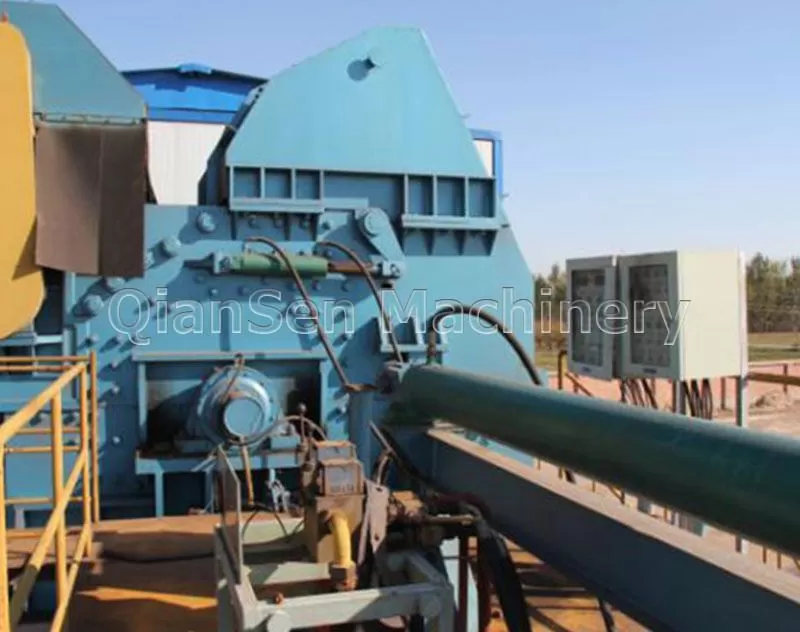
To meet the rigorous demands of modern recycling centers, QianSen has developed a series of heavy metal shredding systems that emphasize structural durability and ease of maintenance. Understanding that downtime directly impacts processing margins, the engineering focus is placed on accessibility and rapid component servicing.
These systems feature split-screen and split-chamber designs. This structural arrangement allows for the quick removal of the rotor shafts and blade assemblies without dismantling the entire drive motor or main hydraulic connections. The main frame is fabricated from high-tensile structural steel plates, reinforced with internal ribbing to absorb heavy vibrations and torsional stresses during operation. Additionally, the integration of automatic lubrication systems ensures that main bearings are constantly supplied with clean grease, preventing premature bearing failure caused by dust contamination.
Application Profiles across Recycling Sectors
The versatility of high-torque shredding machinery allows for its implementation across several distinct industrial sectors. Each application presents unique material challenges that require specific machine configurations.
End-of-Life Vehicle (ELV) Processing: Whole cars and automotive scrap contain a complex mix of sheet steel, plastics, copper wiring, and glass. Heavy shredding reduces these bulky volumes into small, homogenous pieces, preparing the material for efficient sorting down the line.
Industrial Manufacturing Scrap: Metal stampings, wire coils, and metal turnings from machining centers can be highly abrasive and difficult to handle due to their tangled nature. High-torque shredding breaks these tangles down to improve bulk density for remelting.
E-Waste and Appliance Recycling: Large household appliances (white goods) consist of thin sheet metal housings surrounding interior components. Shredders break these units apart, freeing valuable metals from plastics and insulation foams for recovery.
Key Factors When Specifying Shredding Machinery
Selecting the correct machinery involves matching the operational parameters of the facility with the mechanical limits of the equipment. Several key factors must be thoroughly analyzed during the specification phase.
First, the physical characteristics of the input material must be quantified. This includes assessing the maximum dimensions, thickness, and material hardness of the scrap. Machines configured for ductile materials like copper or aluminum may require different blade profiles compared to those designed for brittle cast iron.
Second, the desired output specification dictates the configuration of the cutting chamber. If the downstream process requires a specific particle size for furnace feeding or optical sorting, screen classifiers or secondary granulators may need to be integrated into the system flow.
Finally, the operational environment and available power infrastructure must be verified. High-capacity shredders require stable electrical supplies capable of handling transient start-up currents. Facilities must also plan for material handling auxiliary equipment, such as vibrating feeders, magnetic belt separators, and discharge conveyors, to ensure a continuous and efficient workflow.
Frequently Asked Questions
Q1: What is the typical lifespan of blades in a heavy metal shredder machine?
A1: The operational lifespan of shredder blades varies based on the feedstock. When processing highly abrasive or thick materials like steel-reinforced scrap, blades may require inspection and touch-up welding every 500 to 1,000 operating hours. For softer metals like aluminum or thin copper wire, the blades can last several thousand hours before requiring substantial maintenance or replacement.
Q2: How does a hydraulic drive compare to an electric drive system?
A2: Hydraulic drives provide excellent shock-load absorption, rapid reversing capabilities, and high torque at zero speed, making them suitable for unpredictable mixed scrap. Electric drives, when paired with high-efficiency gearboxes and variable frequency drives (VFDs), offer higher energy efficiency, lower maintenance requirements, and simpler integration into fully electric plant networks.
Q3: How does the system handle non-shreddable objects during operation?
A3: Modern heavy-duty shredders use electronic monitoring. When an un-shreddable object causes a sudden spike in torque or hydraulic pressure, the control system instantly reverses the shafts. This cycle repeats a set number of times to try and clear or break the object. If the obstacle remains, the machine halts and alerts operators to prevent any structural damage.
Q4: Can the output size be adjusted without replacing the entire blade set?
A4: The primary output width is determined by the physical thickness of the cutting blades. However, minor adjustments can be made by changing the hook configuration on the blades or by installing different screen sizing systems below the shredding chamber to control the retention time of the material within the cutting area.
Q5: What daily maintenance is required for high-volume metal shredders?
A5: Daily maintenance includes checking the automated lubrication systems for the main bearings, inspecting the cutting chamber for any jammed debris, verifying blade clearances, and checking hydraulic fluid levels and temperatures. Regular physical inspections of the wear surfaces help identify issues before they lead to unexpected operational downtime.
B2B Inquiry and Project Consultation
For industrial operations looking to improve scrap processing efficiency and reduce overall maintenance costs, selecting the right machinery is a critical step. QianSen offers engineered solutions tailored to specific throughput demands, material types, and plant layouts.
To receive detailed technical specifications, custom layout drawings, or a formal quotation for your project, please contact our engineering team directly with your material requirements and target processing volumes. Our technical representatives are available to assist with your operational planning.