





5 Engineering Standards to Evaluate When Selecting a Pre Shredder for Sale
Released on Jul. 02, 2026
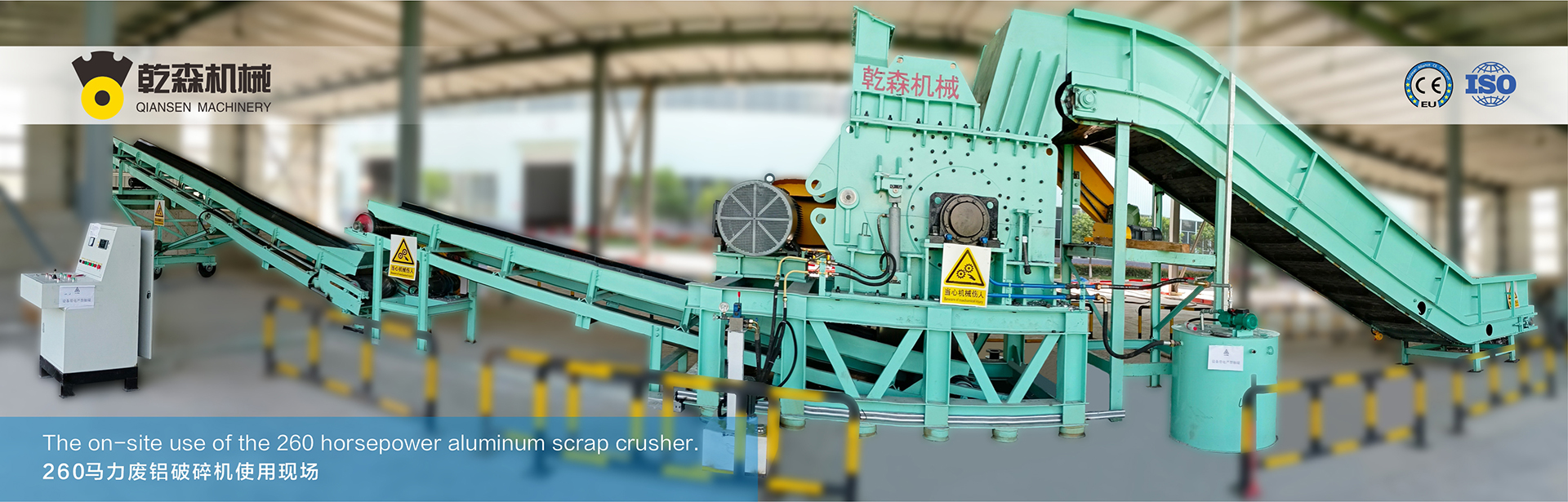
Bulk material processing demands robust mechanical solutions capable of handling unpredictable feedstocks. In scrap yards, municipal solid waste stations, and industrial recycling facilities, incoming materials often vary widely in density, size, and composition. Processing unsorted materials directly through secondary shredders or hammer mills frequently leads to severe mechanical strain, unscheduled downtime, and safety hazards. For operations seeking to stabilize their throughput and protect downstream equipment, sourcing a heavy-duty pre shredder for sale represents a logical step in process engineering.
QianSen designs and manufactures high-torque, low-speed shredding machinery designed to primary-process bulk metals, mixed waste, and baled materials. By reducing the physical footprint of the feed material and liberating trapped components before they reach high-speed granulators, these systems establish a steady, predictable material flow. This analysis examines the engineering principles, operational challenges, and selection criteria that industrial operators should evaluate when investing in primary reduction machinery.
The Mechanical Principles of High-Torque, Low-Speed Pre-Shredding
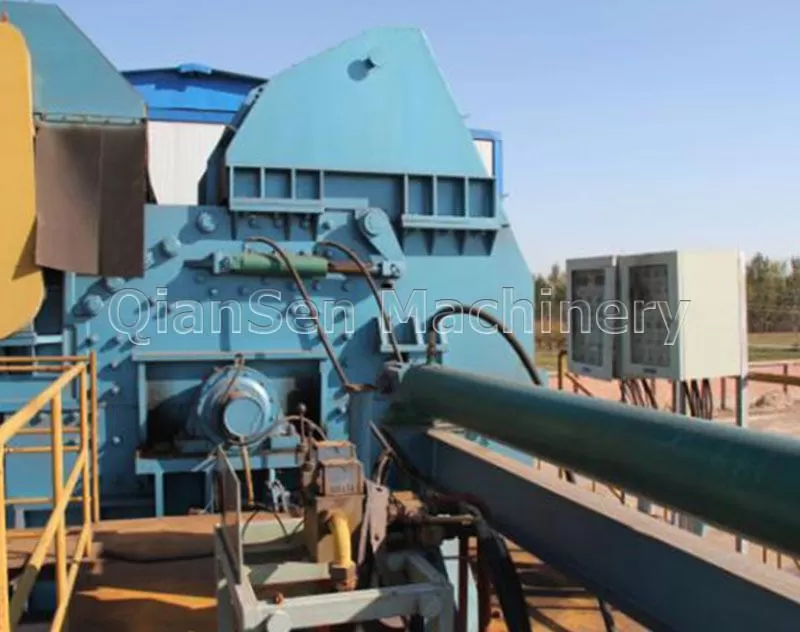
Unlike high-speed hammer mills that rely on kinetic impact to shatter materials, primary shredders utilize high-torque, slow-speed shearing, tearing, and crushing forces. The mechanical design typically centers around dual counter-rotating shafts equipped with heavy alloy knives. This configuration offers distinct advantages when handling challenging materials like end-of-life vehicles (ELVs), structural aluminum, or compacted bales.
The slow rotation speed, usually between 5 to 15 revolutions per minute, minimizes the risk of flying debris and dust generation. This operational profile also significantly reduces the risk of dust explosions, which are a persistent hazard in high-speed milling environments. The high torque generated by planetary gearboxes allows the cutting discs to bite into thick steel plates, tires, and large bundles, applying concentrated mechanical pressure at the point of contact to initiate material failure.
Drive configurations play a major role in how these machines handle resistance. Hydraulic drive systems offer rapid reversing capabilities, allowing the shafts to reverse rotation within seconds when an unshreddable object is detected. This automatic clearing mechanism prevents structural damage to the shafts and drive shafts. Electric drives equipped with variable frequency controllers provide a alternative option, offering energy efficiency and precise control over shaft speeds under varying load conditions.
Primary Operational Challenges Addressed by QianSen Pre-Shredders
Recycling facilities face constant volatility in feed quality. Without a primary reduction stage, downstream systems are subjected to stresses that accelerate component wear and increase maintenance costs. Integrating a primary processing stage directly addresses these vulnerabilities through specific mechanical interventions.
Mitigating Downstream Hammer Mill Wear: Feeding large, unshredded metal structures directly into a hammer mill causes rapid wear of the hammers, grates, and liner plates. By reducing the input material to a uniform, manageable size, the downstream mill operates closer to its designed throughput capacity with less mechanical shock.
Preventing Explosive Hazards: Sealed containers, gas cylinders, and fuel tanks present severe explosion risks when struck by high-speed hammers. A slow-speed pre-shredder punctures and opens these closed vessels without generating the high-temperature sparks required for ignition, venting gases safely before subsequent processing.
De-densifying Baled Materials: Highly compressed bales of aluminum, copper, or mixed plastics are difficult for standard sorting equipment to separate. Primary shearing opens these bales, spreading the material evenly onto conveyor belts for manual or automated sorting via eddy-current separators or optical sorters.
By stabilizing the material stream, facilities can maintain consistent electrical loads on their main processing lines. This reduction in power spikes lowers overall energy consumption and prevents demand charges from utility providers, directly improving the operational margins of the recycling facility.
Structural Anatomy of Commercial Primary Reduction Machinery
An industrial-grade pre-shredder must withstand continuous mechanical shock and abrasive wear. The longevity of the machine is determined by its structural frame, shaft geometry, and knife metallurgy. Understanding these components is necessary when reviewing a pre shredder for sale to ensure long-term reliability.
The Cutting Chamber and Shaft Assembly
The cutting chamber is the core of the machine. It is fabricated from heavy-gauge, stress-relieved steel plates to absorb the torsional forces generated during shredding. Within this chamber, the shafts are forged from high-strength alloy steels, precision-machined to hold the cutting discs. Hexagonal or splined shaft profiles are commonly used to distribute rotational torque evenly across the knives, preventing the slippage that can occur with keyed shafts.
Knife Geometry and Wear Protection
The profile, thickness, and number of hooks on the cutting knives determine the final size of the output material and the efficiency of the grab. QianSen utilizes wear-resistant alloys that undergo specialized heat treatment to achieve a balance of surface hardness and core toughness. This dual property is vital: if a knife is too hard, it becomes brittle and may chip when encountering hardened steel shafts; if it is too soft, the cutting edges dull quickly, reducing throughput. Some configurations feature weld-on hardfacing or replaceable tooth inserts, allowing maintenance crews to restore worn profiles without removing the entire shaft assembly.
Adjacent to the cutting shafts, counter-knives or scraper bars are positioned to clean the cutting spaces and prevent material from wrapping around the shafts. This self-cleaning action keeps the cutting zone clear, maintaining consistent cutting force throughout the shift.
Key Parameters to Analyze When Sourcing a Pre Shredder for Sale
Selecting the appropriate machinery requires a detailed analysis of operational requirements against equipment specifications. Purchasing an undersized machine leads to premature component failure, while an oversized unit incurs unnecessary capital and utility costs. Operators should systematically evaluate several parameters before final selection.
| Operational Parameter | Engineering Significance | Typical Range for Heavy Applications |
|---|---|---|
| Shaft Torque | Determines the ability to shear tough, dense materials without stalling. | 80,000 to 450,000 Nm |
| Throughput Capacity | Defines the volume of material processed per hour, matching upstream supply. | 15 to 80 tons per hour (material dependent) |
| Drive Power | Indicates total energy consumption and the force available under peak loads. | 150 kW to 600 kW |
| Cutting Chamber Dimensions | Governs the maximum physical size of input objects, such as car bodies. | 1,800 mm to 3,000 mm length |
Beyond these metrics, physical maintenance access is a practical consideration. Machine designs should incorporate hydraulically split chambers or roll-out shaft packages. These features allow maintenance personnel to perform knife inspections, adjustment of scraper clearances, and shaft exchanges safely and quickly, reducing scheduled maintenance windows from days to hours.
Application Profiles: Material Processing Adaptations
Different materials exhibit distinct physical behaviors under stress. A configuration optimized for municipal waste processing may require modifications when applied to scrap metal yard operations. System customization ensures that the shearing action matches the physical properties of the input feedstock.
In municipal solid waste (MSW) processing, the primary challenge is the presence of high-moisture organic fraction combined with abrasive glass and grit. For this application, shredders require tight scraper tolerances to prevent wet materials from sticking and building up. Seals around the shaft bearings must be exceptionally robust to prevent acidic juices and fine particulates from entering the lubrication system.
For scrap metal processing, such as structural steel profiles, mixed light scrap, and car bodies, the focus shifts to pure torque and structural shock absorption. The knives must feature aggressive hook profiles to grab large, hollow structures and draw them down into the cutting zone. The hydraulic system must be equipped with shock-absorbing accumulation blocks to dampen the pressure spikes generated when a knife suddenly encounters a heavy steel cross-member.
Integration of Pre-Shredders into Existing Production Lines
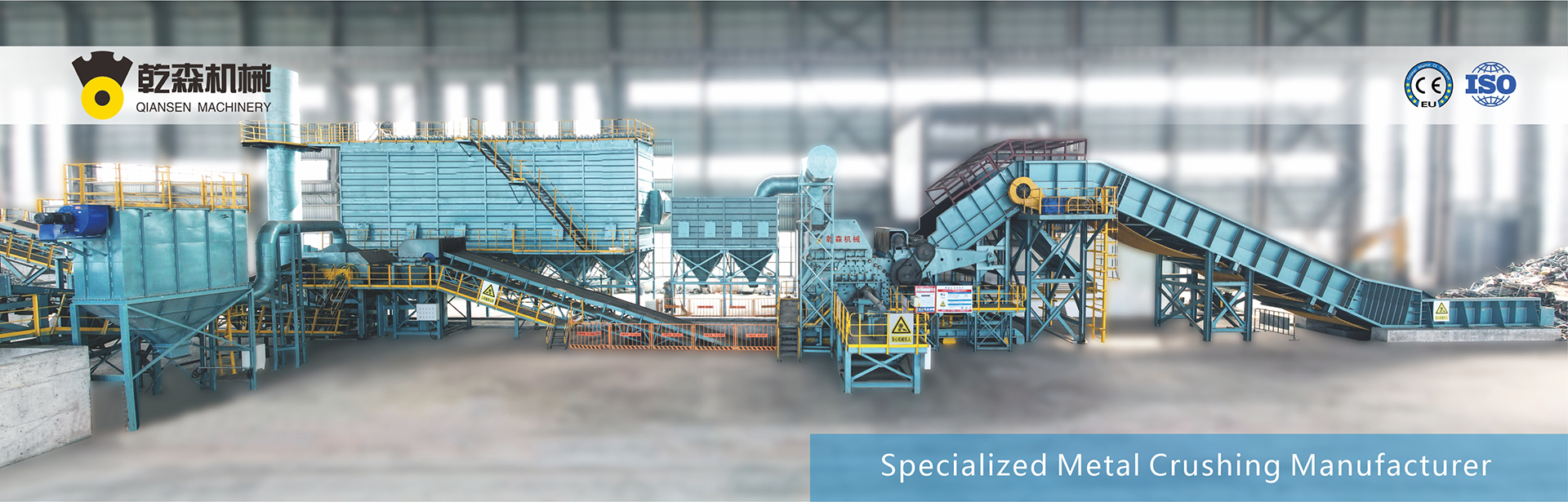
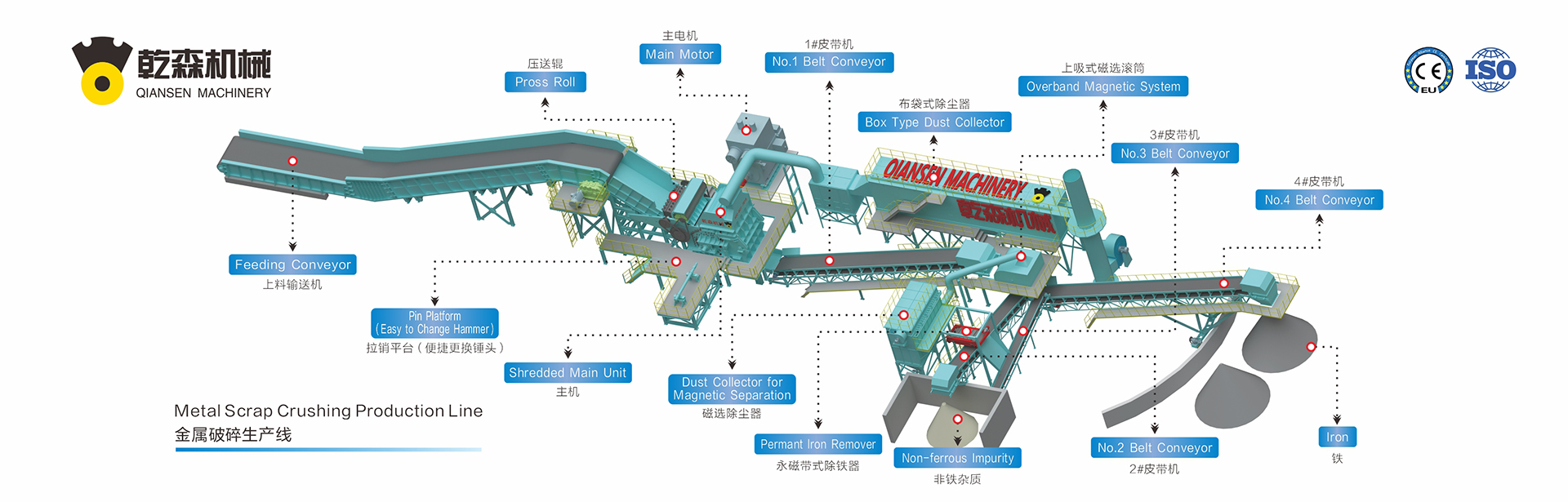
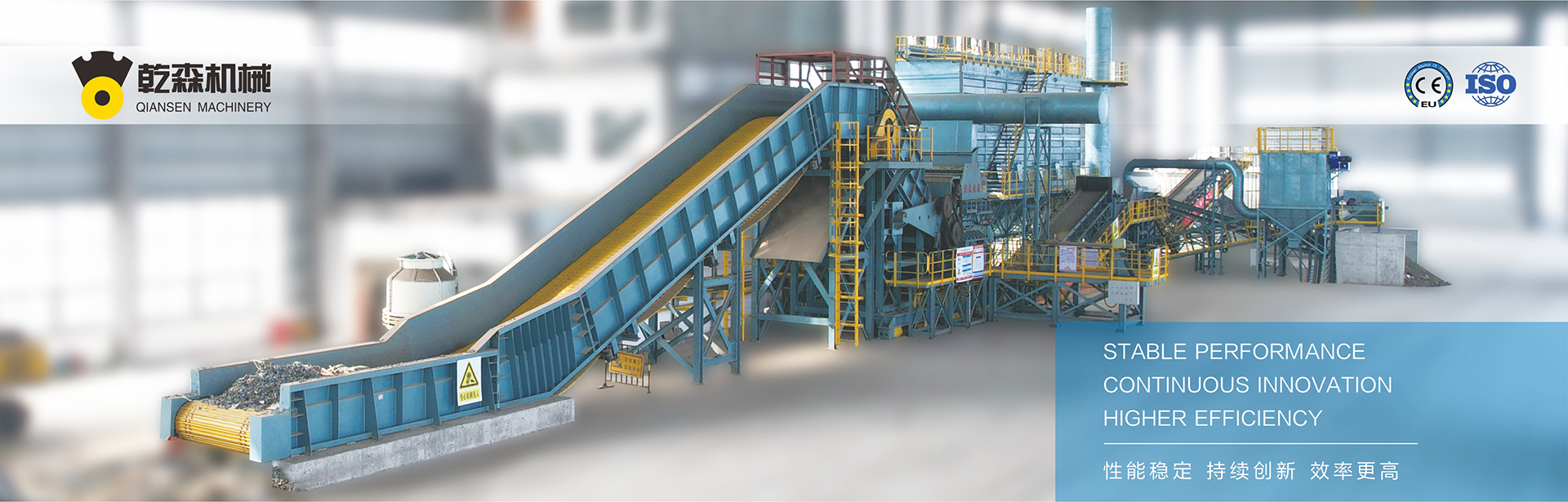
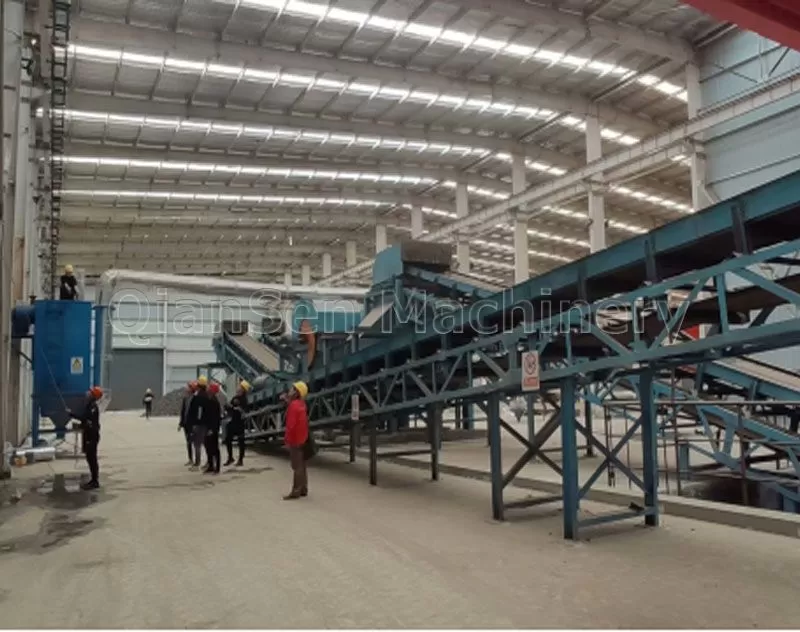
An effective pre-shredder does not operate in isolation; it is a component of a larger processing system. Correct positioning within the plant layout is essential for achieving the desired throughput. Feeding mechanisms, such as vibrating hoppers or heavy-duty steel apron conveyors, must provide a steady supply of material to prevent starvation of the shredder shafts.
Similarly, the discharge conveyor must be designed to handle the heavy, jagged, and sometimes hot materials emerging from the cutting chamber. Magnetic separators are frequently positioned immediately after the pre-shredder to capture ferrous materials early, diverting them to dedicated cleaning lines while non-ferrous fractions continue to secondary processing. By isolating these materials early, the overall load on downstream air separation and manual sorting systems is greatly reduced.
Control system integration is another important aspect of plant installation. Modern installations link the pre-shredder to the main plant PLC (Programmable Logic Controller). If a downstream conveyor stalls or a secondary mill experiences an over-current condition, the pre-shredder can automatically pause its feed or stop its shafts, preventing material pile-ups that require manual clearance.
Engineering Inquiries and Collaborative Customization
Selecting industrial recycling machinery requires an understanding of mechanical design and material behavior. Standard configurations may not always align with unique material compositions or specific spatial constraints within an existing facility. QianSen works closely with engineering teams to configure processing systems that meet specific performance criteria and spatial layouts.
To assist in the evaluation of a pre shredder for sale, our engineering team provides detailed reviews of material compositions, capacity requirements, and site layout constraints. We invite operators and project managers to submit detailed inquiries regarding shaft options, drive preferences, and downstream integration requirements. Our team of application engineers is prepared to assist you in developing a robust processing system that meets your operational demands.
Frequently Asked Questions
Q1: How do hydraulic drives compare to electric drives in primary shredder installations?
A1: Hydraulic drives provide maximum torque from a standstill and allow for immediate shaft reversal when an overload occurs, making them highly suitable for unpredictable material streams like metal scrap. Electric drives, particularly when paired with variable frequency drives (VFDs), offer higher electrical efficiency and simplified maintenance since they eliminate hydraulic pumps, valves, and fluid management. The choice depends on the uniformity of your feedstock and local energy costs.
Q2: What is the typical lifespan of the cutting knives, and can they be repaired?
A2: Knife lifespan varies greatly depending on the abrasiveness of the material being processed. When processing mixed MSW, knives can last thousands of hours, whereas processing scrap steel requires more frequent attention. Most modern designs allow for hardface welding to rebuild worn knife profiles directly inside the machine, or feature replaceable cutting teeth that can be bolted or wedged onto the shaft, reducing total operating costs.
Q3: Can a pre-shredder handle heavy non-shreddable items like solid steel engine blocks?
A3: These machines are designed with overload protection systems. When the knives encounter an unshreddable object like a thick steel shaft or solid casting, the system detects a pressure spike in the hydraulics or an amperage spike in the electric drive. The shafts automatically reverse to reposition the material or signal the operator to manually remove the foreign object through the hydraulic hopper opening, protecting the machine from catastrophic failure.
Q4: How does pre-shredding affect the sizing of downstream sorting equipment?
A4: By reducing bulk materials to a uniform, pre-defined size range, the material can be spread more evenly on downstream conveyors. This uniform distribution prevents material overlapping, which allows magnetic separators, eddy current separators, and optical sorting sensors to operate with significantly higher accuracy, leading to cleaner product fractions and higher recovery rates.
Q5: What maintenance routines are required to prevent unscheduled downtime?
A5: Daily maintenance includes checking the lubrication levels of the shaft bearings and gearboxes, inspecting the cutting chamber for material buildup, and examining the knives for signs of chipping or excessive wear. Weekly routines should focus on checking the clearance between the cutting knives and scrapers, inspecting hydraulic hose connections, and verifying that the auto-reverse sensor logic is functioning correctly under simulated load limits.