





5 Key Engineering Principles of an Efficient UBC Shredder for Aluminum Recycling
Released on Jul. 02, 2026
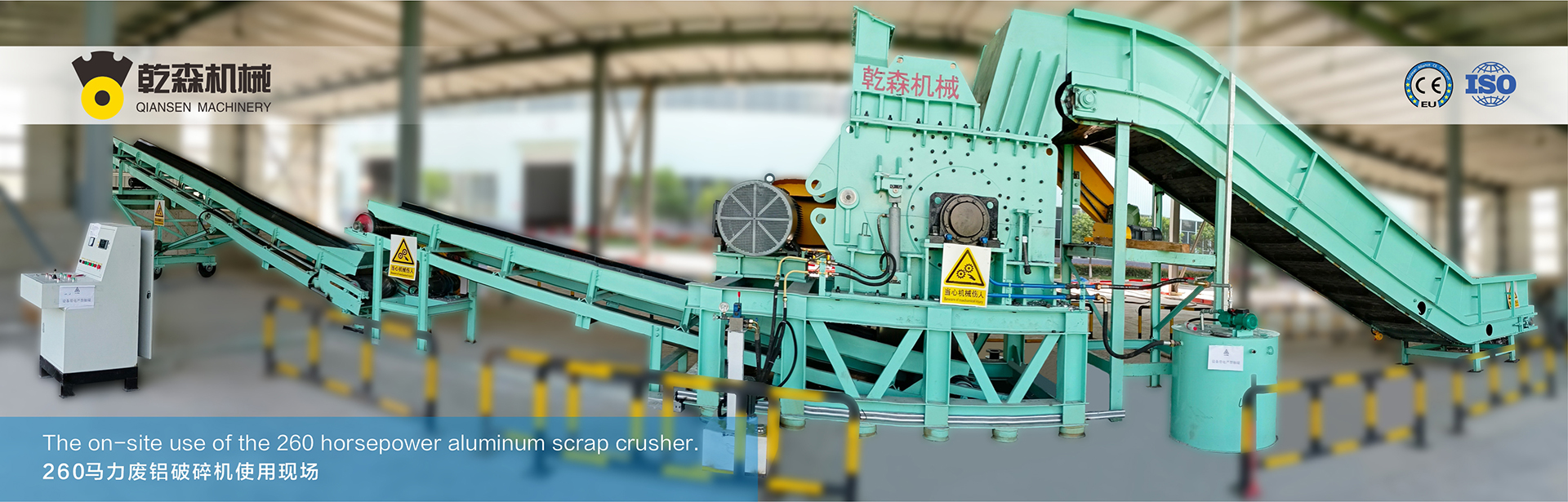
Aluminum represents one of the most recyclable materials in industrial use, with Used Beverage Cans (UBC) forming a major portion of the scrap supply. However, processing these lightweight, thin-walled containers presents specific material handling and metallurgical challenges. Direct melting of loose, unshredded cans leads to excessive dross formation and high metal loss due to the high surface-area-to-volume ratio of the aluminum. To address this, scrap processors rely on specialized size reduction machinery. A high-capacity ubc shredder is the primary machine used to transform loose or baled cans into high-density, uniform shreds suitable for efficient magnetic separation, decoating, and melting. QianSen designs industrial shredding equipment specifically engineered to handle high-volume aluminum recycling streams, ensuring consistent output and minimal operational downtime.
The Mechanics of UBC Size Reduction
The primary objective of processing aluminum cans is to prepare the material for downstream operations. Raw UBCs contain residual liquids, dirt, steel cans, plastic caps, and paper labels. Shredding these materials requires a balance of shear force and impact energy to achieve clean liberation without generating excessive aluminum fines.
Shearing vs. Grinding Action
Unlike heavy steel scrap that requires massive crushing force, aluminum cans respond best to sharp shearing action. Rotary shear designs utilize dual or quad shafts running at low speeds with high torque. These shafts are fitted with interlocking steel cutters that grab the cans and slice them into precise strips. Low-speed shearing minimizes dust generation and prevents the aluminum from overheating during the mechanical breakdown. In contrast, high-speed hammer mills or single-shaft shredders with screen grids use impact and cutting blocks to reduce material size. This method is effective for achieving a highly uniform fraction size but requires precise control over rotor speed to avoid creating fine aluminum powder, which is highly combustible and difficult to recover in the smelting furnace.
Blade Geometry and Grab Efficiency
The efficiency of a shearing system depends heavily on cutter design. The blades must possess a tooth profile that can puncture and draw in lightweight, slippery cans without allowing them to bounce on top of the shafts. Multi-hook cutter configurations ensure that multiple points of contact are established simultaneously, dragging the cans through the cutting counter-knives. The thickness of the cutters dictates the width of the shredded output, which directly influences the bulk density of the processed material.
Solving the Core Challenges of Aluminum Smelters
Smelting operations demand specific physical characteristics from incoming aluminum scrap. When scrap processors understand these demands, they can configure their processing lines to command higher prices per ton. Integrating an industrial ubc shredder into the processing line directly addresses these specific smelting challenges.
Minimizing Dross and Metal Loss
Dross forms when molten aluminum reacts with oxygen at high temperatures. Because beverage cans are extremely thin, exposing raw, loose cans directly to burner flames results in rapid oxidation. A professional shredder reduces the surface area by crumpling and cutting the cans into dense, compact pieces rather than flat flakes. This geometry allows the shredded aluminum to sink quickly beneath the surface of the molten salt bath in a rotary furnace, or the liquid metal pool in a reverberatory furnace, shielding it from direct exposure to oxygen and reducing burn-off losses.
Liberation of Contaminants
A significant portion of collected UBCs contains foreign materials. Steel cans, plastic rings, and moisture must be removed before the material reaches the furnace. Shredding tears open the compressed bundles of cans, liberating trapped moisture and separating nested non-aluminum materials. Once shredded, the material stream can easily pass through magnetic drums to remove ferrous contaminants, and eddy current separators to isolate non-ferrous metals from plastics and paper.
Engineering Criteria for Industrial Scrap Shredders
When selecting a ubc shredder for heavy-duty applications, processing plants must evaluate several design aspects to ensure long-term operational viability and low maintenance overhead.
Shaft Construction: High-tensile alloy steel shafts, precision-machined to resist deflection under uneven loading conditions, are required for continuous operation.
Cutter Metallurgy: Blades manufactured from high-alloy tool steels, such as D2 or H13, and heat-treated to a precise Rockwell hardness, provide the necessary wear resistance against abrasive dirt and sand often mixed with post-consumer cans.
Sealing Systems: Bearing housings must be isolated from the shredding chamber using robust seals to prevent fine aluminum dust and residual liquids from entering and damaging the bearing assemblies.
Drive Configuration: Operators can choose between hydraulic drives for high-torque starting capabilities and variable speed adjustments, or electric motor drives paired with heavy-duty planetary gearboxes for energy efficiency.
System Integration and Downstream Processing
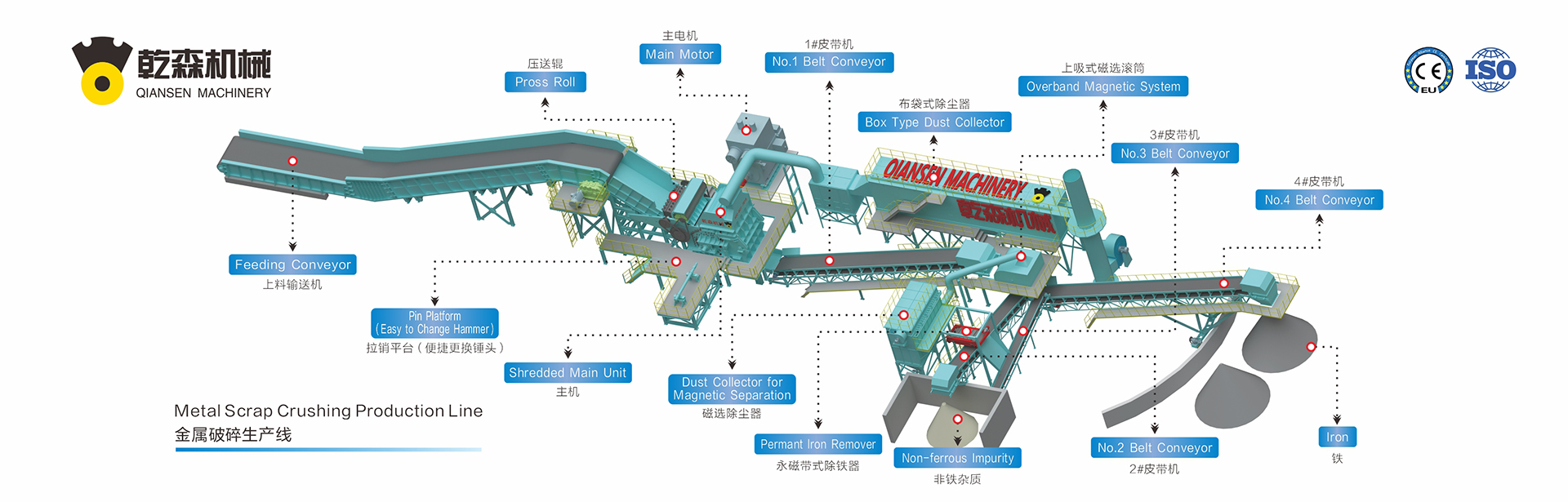
A shredder does not operate in isolation. To maximize the purity of the final aluminum product, the shredding unit must be integrated into a continuous processing system. The material flow typically begins with a heavy-duty infeed conveyor, such as a steel apron or robust rubber belt, which delivers baled or loose cans to the shredder hopper.
Once the material is reduced to the target size, the output falls onto a discharge conveyor. A magnetic separator positioned immediately after the shredder removes ferrous metals. Following this, an air classification system separates light fractions like paper, plastic film, and loose dust. Finally, the clean, shredded aluminum is ready for the decoating kiln, where thermal processing removes paint and lacquer coatings before the scrap enters the melting furnace.
Structural Features of QianSen Equipment
The QianSen ubc shredder series is built to handle the continuous demands of high-throughput recycling facilities. By focusing on mechanical durability and ease of maintenance, these systems reduce the total cost of ownership for scrap processors.
Intelligent Overload Protection
Industrial processing exposes machinery to unexpected non-shreddable items, such as thick steel blocks or heavy bolts. QianSen equipment features a PLC-controlled automatic reverse system. When the rotor encounters an obstruction that exceeds a pre-set torque threshold, the drive system automatically reverses the shaft rotation to clear the jam and then resumes forward operation. This prevents catastrophic shaft breakage and minimizes manual intervention.
Modular Wear Components
The abrasive nature of dirty scrap means cutter wear is inevitable. QianSen shredders utilize segmented cutter designs on larger models, allowing operators to replace individual teeth rather than the entire rotor assembly. This design drastically cuts down maintenance labor hours and reduces spare parts inventory costs.
Operational Metrics and Preventive Maintenance
Maintaining a ubc shredder involves systematic monitoring of key performance indicators to prevent unscheduled shutdowns and maintain product quality.
Blade clearances must be checked regularly. As the gap between the cutting hooks and the counter-knives increases, the shredder begins to tear rather than cleanly shear the aluminum, leading to higher energy consumption and increased generation of unwanted fines. Proper lubrication schedules for the main bearings and gearboxes, along with regular monitoring of motor temperature and hydraulic pressure levels, ensure the machine operates within its design limits.
Sourcing and Custom Engineering Inquiry
Selecting the right size reduction machinery requires a clear understanding of your specific operational requirements, material input forms, and desired hourly throughput. QianSen provides customized engineering solutions for scrap processors worldwide, offering tailor-made hopper designs, variable speed control systems, and integrated downstream separation equipment.
To assist our engineering team in designing the appropriate system configuration for your facility, please submit an inquiry with your average input material density, target daily throughput, and downstream sorting requirements.
Frequently Asked Questions
Q1: What is the optimal output size for shredded UBCs before smelting?
A1: Most aluminum smelters prefer a shredded fraction size between 25mm and 50mm. This size range provides a balanced bulk density that allows the material to sink quickly into the molten metal bath without floating on the surface, which minimizes oxidation while allowing effective downstream separation of contaminants.
Q2: How does the ubc shredder handle steel contaminants?
A2: The shredder cuts both steel and aluminum cans simultaneously. Once the mixed material is shredded, the physical bond between them is broken. The material stream then passes under a high-intensity overbelt magnet or magnetic drum, which easily removes the ferrous steel pieces, leaving clean aluminum for the melting process.
Q3: What is the drive system used in the ubc shredder?
A3: QianSen offers both electromechanical drives with planetary gearboxes and full hydraulic drive systems. Hydraulic drives are highly suitable for processing high-density bales due to their ability to provide maximum torque at zero speed and handle shock loads smoothly, while electric drives offer higher energy efficiency under consistent feed rates.
Q4: Can this machinery process baled UBCs directly, or do they need to be pre-broken?
A4: High-torque dual-shaft shredders can process high-density UBC bales directly without the need for a separate bale breaker. The aggressive cutter profile grips the compressed bale, pulling it into the chamber and shearing the individual cans progressively.
Q5: How often do the cutting blades need maintenance or replacement?
A5: Blade lifespan depends heavily on the cleanliness of the incoming material. Sand, glass, and iron contaminants accelerate wear. Under normal operating conditions processing typical post-consumer aluminum cans, cutting blades can operate for several hundred hours before requiring inspection, sharpening, or hard-facing maintenance.