




How Can a Cardboard Core Shredder Improve Paper Tube Recycling Workflows?
Released on Jul. 02, 2026
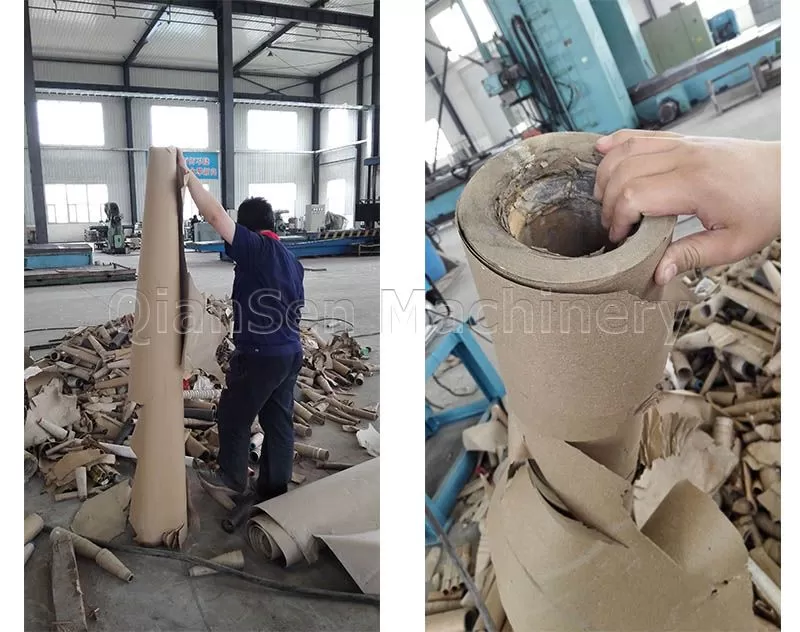
Industrial manufacturing plants, paper mills, and packaging facilities generate high volumes of thick-walled cardboard tubes and cores. These cylinders are manufactured to support massive rolls of paper, plastic film, textiles, and sheet metals, meaning they are built to withstand immense structural loads. This structural strength becomes a significant operational problem when the cores reach the end of their lifecycle. Their hollow shape takes up massive volumes of floor space, and their dense, multi-layered construction resists standard compaction methods. Implementing a dedicated cardboard core shredder offers a practical, long-term solution to transform these bulky structures into clean, uniform shreds for efficient storage, transport, or direct recycling.
Understanding the Structural Challenges of Thick-Walled Paper Tubes
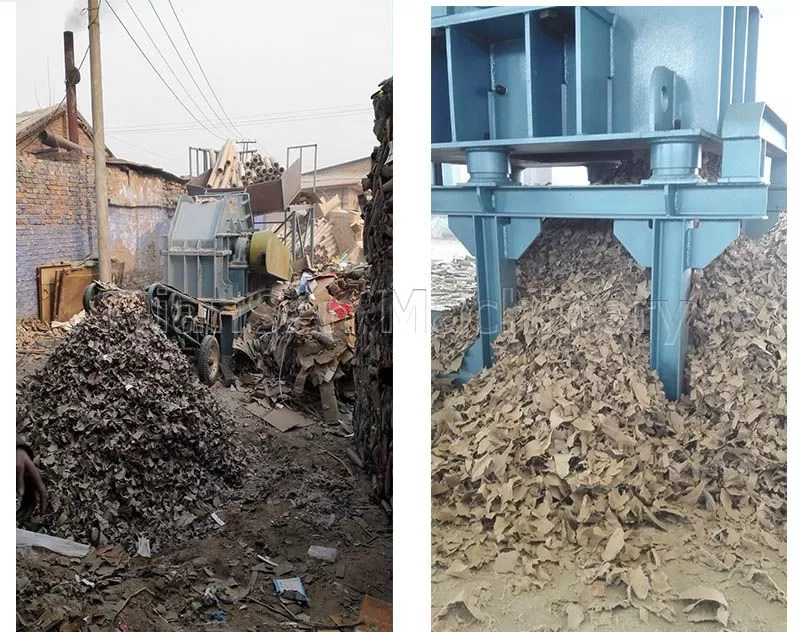
Cardboard cores are not standard packaging waste. They are fabricated by winding layers of paperboard under high tension with heavy industrial adhesives, resulting in a dense composite material with high compressive strength. Standard scrap processing machinery often struggles to break these structures. When pushed into low-cost compaction equipment, the cylindrical geometry distributes the applied force, causing the tubes to resist flattening or to spring back to their original shape once pressure is released. This resistance can cause hydraulic overload or premature wear on light-duty recycling equipment.
Storing intact cores on-site creates significant operational inefficiencies. The hollow centers of the tubes mean that facilities are dedicating valuable warehouse floor space to storing air. When transporting these materials to a recycling plant or municipal waste yard, trucks quickly reach their maximum volume capacity long before reaching their weight limits. Hauling un-shredded cores increases logistics costs and carbon footprints. Resolving this issue requires a processing method that replaces compressive force with high-torque mechanical shearing.
Comparing Single-Shaft and Dual-Shaft Shredder Concepts
Industrial processing facilities must select the correct shredding mechanism to handle the physical properties of heavy paperboard tubes. While single-shaft shredders and dual-shaft shredders are both common in waste management, they interact with cylindrical materials in different ways.
Single-shaft systems utilize a high-speed rotor lined with square cutters, paired with a hydraulic pusher ram that forces material against the spinning shaft. A screen below the rotor determines the final output particle size. While highly effective for loose cardboard boxes, paper sheets, and plastics, single-shaft units can struggle with large-diameter paper tubes. The curved surface of a thick cardboard core can roll against the rotating cutters rather than being drawn in, reducing processing efficiency and causing uneven blade wear.
Dual-shaft shredding systems operate via a different mechanical principle. These machines utilize two counter-rotating shafts equipped with intermeshing, hook-profile cutters. When a cardboard core enters the cutting chamber, the hooks on both shafts grip the outer diameter of the cylinder and actively pull it down through the center of the machine. The shear force generated between the opposing cutters slices the thick walls into strips, regardless of the cylinder diameter. This positive draw-in mechanism makes the dual-shaft cardboard core shredder the preferred choice for handling high volumes of heavy-gauge paper tubes.
Mechanical Principles of Dual-Shaft Cardboard Core Shredding
To process high-density paperboard reliably, a dual-shaft shredding system relies on low-speed, high-torque operations. Unlike high-speed shredding equipment that uses impact energy to pulverize material, low-speed systems cut through materials via mechanical shear. Operating the shafts at lower speeds, typically between 10 to 20 revolutions per minute, allows the drive system to deliver maximum torque to the cutter tips.
The core components of these machines include:
The Drive Motor: High-efficiency electric motors supply power to the system. Depending on the volume of waste and wall thickness, dual-drive configurations can be used, where each shaft is powered by its own motor to provide independent speed and torque management.
Planetary Gear Reducers: These gearboxes convert high-speed motor rotation into low-speed, high-torque mechanical force. Planetary gear arrangements are chosen for their compact footprint and ability to handle high shock loads when processing thick material sections.
Hexagonal Shafts: The shafts that hold the cutting blades are machined from high-tensile alloy steel and finished with a hexagonal profile. This design ensures that torque is evenly distributed around the blade diameter, preventing keyway failures under heavy loads.
Intermeshing Blades: The blades are arranged in a staggered pattern along the shafts. As they rotate inward, the clearances between opposing blade faces are kept minimal, ensuring clean shearing action rather than tearing.
Blade Metallurgy and Cutter Geometry
The efficiency and maintenance lifecycle of a cardboard core shredder are directly determined by the metallurgy of the cutting blades. Paper fibers, when highly compressed and combined with industrial adhesives, are highly abrasive. Slicing through these materials causes friction and heat, which can quickly dull low-grade steel knives.
For these demanding applications, QianSen utilizes premium alloy steels such as D2 (Cr12MoV) or similar shock-resistant tool steels. The blades undergo precise vacuum heat treatment processes to achieve a hardness rating of 58 to 62 HRC. This hardness level ensures that the cutting edge remains sharp over extended periods, while retaining sufficient toughness to prevent chipping or cracking if foreign materials, such as metal staples or banding, enter the shredding chamber.
Cutter geometry is selected based on the specific material profile of the waste stream:
Hook Quantity: Blades can be configured with single, double, or multi-hook profiles. For large-diameter cardboard cores, multi-hook designs are utilized to grab the curved surface and initiate the first tear.
Blade Thickness: The width of the individual cutters dictates the width of the final shredded strip. For general volume reduction, wider blades are used to process material faster with lower power consumption. For applications requiring precise output sizing, thinner blades are integrated.
Spacers and Cleaning Fingers: Heavy steel spacers maintain the correct distance between the intermeshing blades. Cleaning fingers are mounted to the frame walls, extending into the space between the cutters to prevent shredded paper strips from wrapping around the shafts and causing mechanical friction.
PLC Integration and Automated System Control
Modern industrial waste lines require automated control to minimize manual supervision and protect equipment from damage. A central feature of the QianSen cardboard core shredder is the integration of an intelligent control system powered by a Siemens PLC.
The PLC system continuously monitors the electrical current drawn by the drive motors. If a core with an exceptionally thick wall or a metal contaminant enters the hopper, the resistance on the shafts will rise sharply, causing a corresponding spike in motor current. When this current exceeds a pre-set threshold, the PLC responds instantly through a protective sequence:
The power supply to the forward rotation is paused.
The PLC initiates a reverse rotation cycle, backing the shafts up for a few seconds to reposition the material in the cutting chamber.
The system automatically resumes forward rotation to attempt the cut again.
If the blockage persists after three consecutive attempts, the system halts operation and sounds an alarm to alert facility operators, preventing mechanical damage to the gearboxes and motors.
This automated sequence reduces wear on the electrical components and eliminates the need for constant operator supervision at the loading hopper.
Maintenance Protocols and Structural Durability
Heavy-duty shredding machinery represents a significant capital investment. Ensuring a long operational lifespan requires robust structural design and clean maintenance access. During the manufacturing process, QianSen focuses on structural integrity and serviceability.
The main frame of the cutting chamber is fabricated from thick, stress-relieved steel plates. These plates are CNC-machined to ensure precise alignment of the shafts and bearings. Utilizing welded structures that are stress-relieved through thermal processing prevents deformation of the frame under continuous load.
Key maintenance design features include:
Split-Bearing Block Design: Traditional shredders require complete disassembly of the chamber to service shaft bearings. QianSen uses split-bearing housings mounted outside of the cutting zone. This design protects the bearings from fine paper dust and allows technicians to inspect or replace bearings without removing the entire shaft assembly.
Reversible Blades: Some cutter designs feature multiple cutting points that can be rotated or indexable blades, allowing operators to make use of multiple cutting edges before requiring complete blade sharpening or replacement.
Centralized Lubrication: Automatic lubrication systems can be fitted to deliver consistent grease to the high-load bearings, reducing the risk of bearing failure due to manual maintenance neglect.
Selecting the Right Machinery Configuration
Every recycling facility or production plant has unique processing requirements. Selecting the correct machinery configuration depends on several operational variables:
Throughput Requirements: Facilities must calculate the volume of waste cores produced per hour. High-volume operations will require wider cutting chambers and larger motor capacities to process continuous material feeds.
Core Dimensions: The maximum outer diameter and wall thickness of the paper tubes determine the shaft diameter and blade clearance needed to initiate the initial bite.
Infeed Methods: Depending on the workflow, shredders can be loaded manually via a safety hopper, or automated via inclined conveyor belts, vibrating feeders, or hydraulic ram systems.
Downstream Integration: Shredded cardboard can be discharged directly into waste bins, routed to a baler for block compaction, or transported via pneumatic systems straight to a pulping tank for paper reproduction.
Frequently Asked Questions
Q1: Can a cardboard core shredder handle composite tubes that include plastic liners or metal end caps?
A1: Yes, the heavy-duty dual-shaft design utilized in QianSen machinery is capable of shearing composite materials. The high-alloy, heat-treated blades can cut through thin aluminum or steel end caps and plastic lining films. If the goal is high-purity paper recycling, sorting or magnetic separation after shredding is recommended to isolate the metal and plastic fractions from the clean paper fibers.
Q2: What is the typical output size of the shredded cardboard?
A2: The width of the shredded strips is determined by the thickness of the cutter blades, which usually ranges from 15mm to 50mm depending on client specifications. The length of the shredded pieces varies because paperboard tears naturally along its wound fibers once the shear force is applied.
Q3: How often do the cutting blades need to be sharpened?
A3: Blade life depends on processing volume and material cleanliness. Under normal operating conditions processing clean paperboard, high-grade alloy steel blades can run for several thousand hours before requiring maintenance. The presence of abrasive contaminants like sand, glass, or heavy metals will shorten the intervals between sharpening cycles.
Q4: How does the system handle dust generated during the shredding process?
A4: Because these shredders operate at a low speed (low RPM), dust generation is significantly lower compared to high-speed mills or granulators. For facilities with strict air quality standards, QianSen can configure dust extraction hoods over the discharge conveyor or integrate a complete misting system to suppress fine paper particles.
Q5: Can this equipment be integrated into an existing automated production line?
A5: Yes, the control system is designed for seamless integration. The Siemens PLC can communicate with existing plant control networks via Modbus or Profinet protocols. This allows the shredder to sync its startup, shutdown, and safety pause cycles with upstream conveyor belts or downstream balers.
Custom Shredding Solutions with QianSen
Managing high-volume industrial waste requires machinery tailored to your exact operational parameters. QianSen designs and manufactures heavy-duty shredding systems engineered to handle the toughest paperboard, plastic, and metal waste profiles. Our engineering team works closely with you to analyze your material size, throughput requirements, and facility layout to deliver a robust, energy-efficient solution. To discuss your project specifications, request technical drawings, or receive a detailed quotation, please contact our sales office today.