




5 Mechanical Factors for Selecting a Heavy-Duty Steel Scrap Shredder
Released on Jul. 02, 2026
Secondary steel production relies heavily on the quality and consistency of raw material inputs. Scrap metal arrives at processing facilities in highly irregular shapes, varying densities, and inconsistent purity levels. To feed Electric Arc Furnaces (EAF) efficiently, operators must convert this bulk material into dense, clean, and furnace-ready fragments. The preparation phase directly dictates metallurgical economics, energy consumption during smelting, and overall yield. Processing these large volumes of mixed scrap requires robust machinery capable of handling high mechanical stresses. This makes the heavy-duty steel scrap shredder the central processing unit of a modern metal recycling operation. QianSen designs industrial equipment to withstand these demanding structural and mechanical loads.
Structural Dynamics and Rotor Engineering
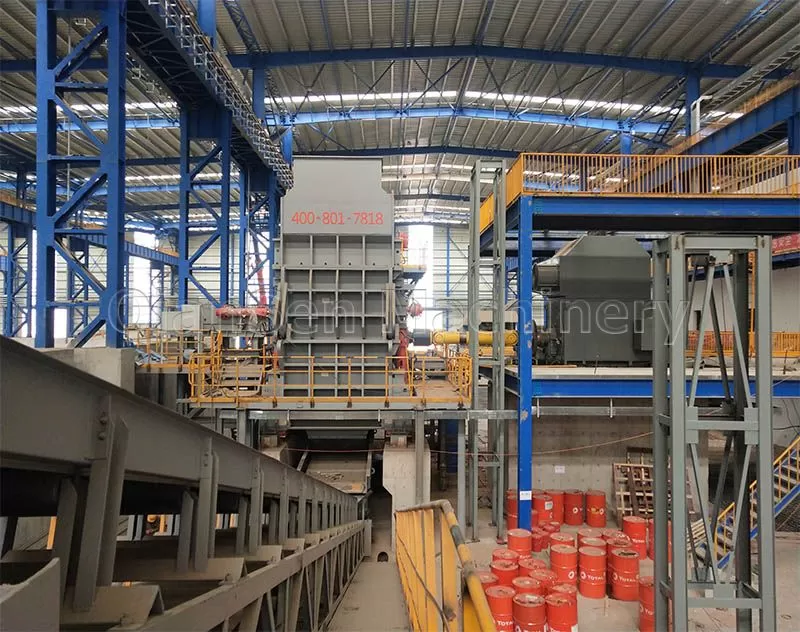
The rotor assembly forms the core of the shredder system, serving as the primary medium for energy transfer. Rotating at high velocities, typically between 500 and 700 revolutions per minute, the rotor assembly converts electrical and inertial energy into high-impact forces. These forces shear, tear, and densify the incoming metal against stationary anvils and grates.
Engineers classify rotors into two primary designs, each suited for specific feed profiles:
Disc Rotors: Constructed from a series of heavy, machined steel discs pressed onto a central shaft. This design protects the rotor body because the individual hammers can retract completely between the discs when they encounter unshreddable items. This minimizes shock loads transmitted directly to the rotor shaft and bearings.
Spider Rotors: Built with a multi-armed cast steel structure. This configuration allows for larger hammer swing arcs and is highly effective for processing lighter, bulkier scrap such as end-of-life vehicle bodies and light structural steel. It provides excellent air penetration and material flow through the shredding chamber.
The selection of metallurgy for the rotor and its associated wear components determines the long-term operational costs of the scrap yard. Hammers, which bear the direct brunt of the impact, are cast from highly specific alloys. Manganese steel containing 12% to 14% manganese is the standard material due to its unique work-hardening properties. Under continuous impact, the outer surface of the manganese steel hardens rapidly, while the inner core remains ductile. This internal ductility prevents catastrophic brittle fractures when the hammer hits dense, oversized steel sections.
Drive Train Configurations and Power Transmission
Powering a industrial steel scrap shredder requires an engineered drive train capable of absorbing severe load fluctuations. Industrial installations usually utilize heavy-duty electric motors, though hydraulic drive systems serve specific operational profiles.
Slip-ring induction motors are highly common in traditional scrap yards. These motors provide high starting torque and possess the inherent slip characteristics needed to handle sudden deceleration when massive scrap pieces enter the chamber. To manage the extreme current spikes associated with starting these large motors, plants install liquid resistance starters or modern variable frequency drives. These units manage energy consumption and reduce stress on the regional electrical grid.
Hydraulic drives offer an alternative approach to power transmission. By utilizing high-pressure hydraulic pumps to drive low-speed, high-torque hydraulic motors directly connected to the rotor shaft, this setup eliminates the need for traditional clutches and gearboxes. The primary advantage of a hydraulic system is its instantaneous response to over-torque conditions. When the rotor encounters an immovable object, the hydraulic pressure relief valves divert the fluid flow, stopping the rotor instantly without transmitting destructive shock forces back to the primary prime mover.
Material Flow and the Multi-Stage Refining Process
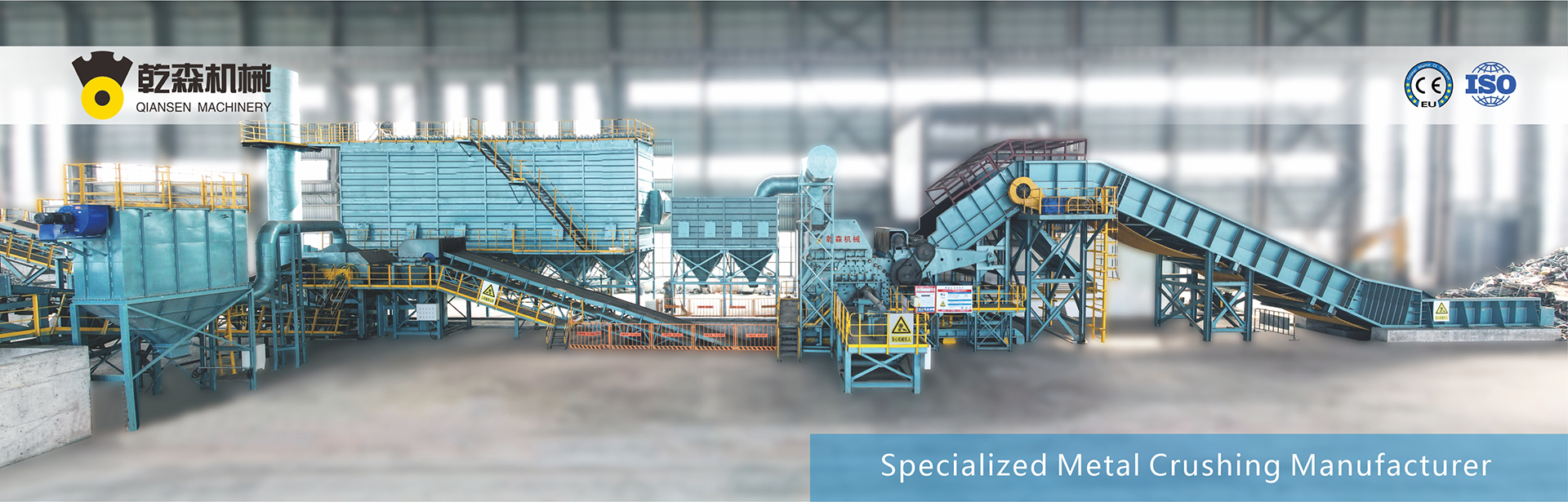
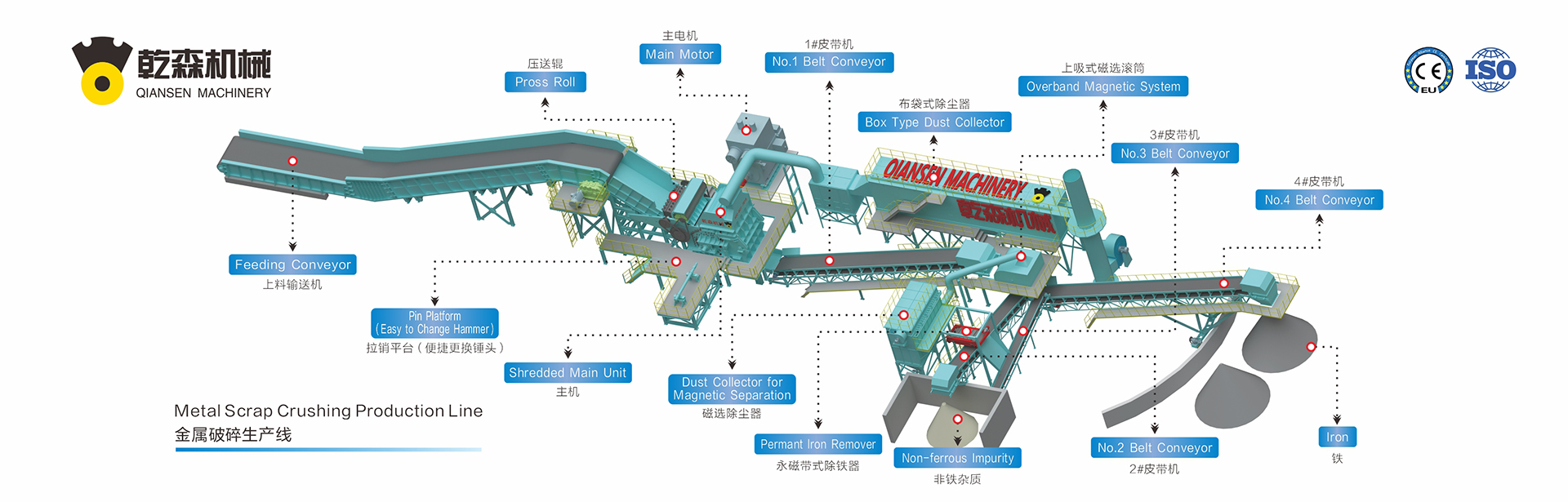
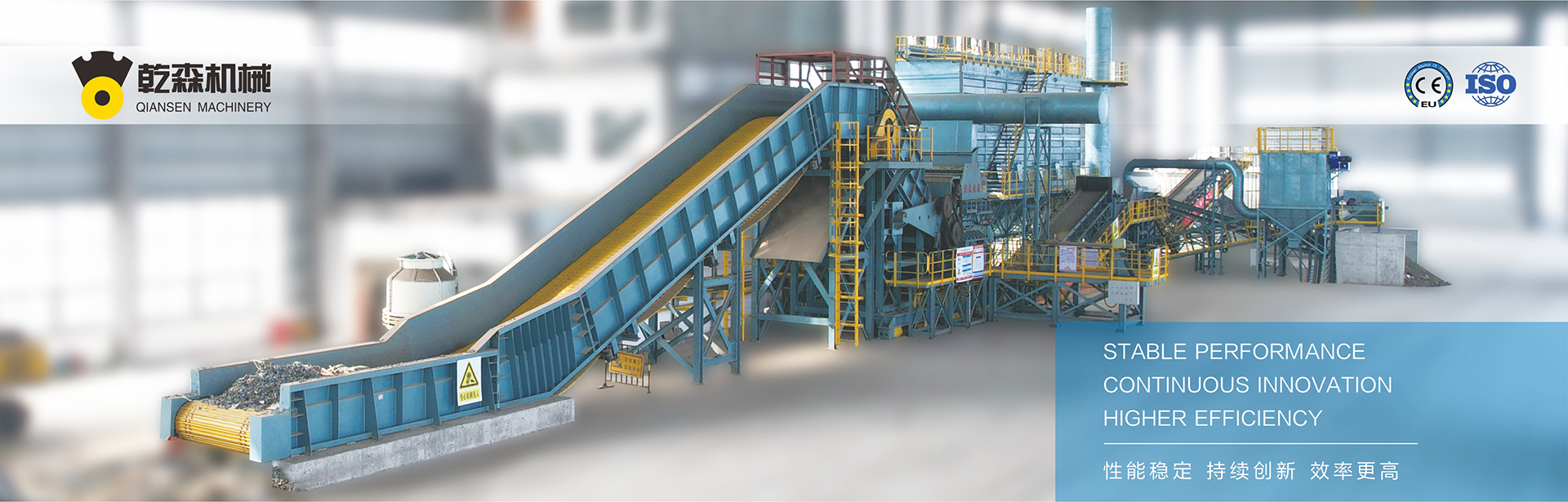
Efficient reduction of metal scrap involves a logical progression from raw feed to sorted, high-density fragments. A steel scrap shredder does not work in isolation; it operates as the centerpiece of an integrated processing line designed to maximize material recovery.
1. Controlled Compression Feeding
Raw scrap is deposited onto a heavy-duty steel apron conveyor that transports the material toward the intake chute. Before entering the shredding chamber, the scrap passes under a hydraulic feed roller system. These double-roller assemblies compress bulky structures, such as car bodies or industrial sheet metal assemblies, into a flattened, uniform slab. This compression prevents large, hollow objects from bouncing inside the chamber, which reduces wear on the upper housing and ensures a steady, metered feed rate into the hammer circle.
2. Shearing and Densification
Once inside the chamber, the metal is subjected to intense impact. The hammers swing against a heavy anvil or breaker bar situated at the intake throat. This initial impact shears the metal into smaller pieces. As the material travels along the circumference of the rotor, it is continuously beaten against internal side liners and grates. This process folds and rolls the sheet metal, stripping away paint, rust, and non-metallic attachments, while simultaneously converting the scrap into dense, fist-sized pellets.
3. Grate Discharge and Classification
The bottom and rear of the shredding chamber are lined with heavy alloy steel grates. The physical dimensions of the grate openings control the residence time of the scrap within the chamber. Material that has been reduced below the grate aperture size falls through onto an under-shredder vibratory conveyor. Under-sized grates yield a highly dense product preferred by steel mills, but this configuration increases the dwell time of the scrap inside the machine, resulting in elevated power consumption and accelerated hammer wear. Operators must balance these parameters to maintain an economical cost-per-ton ratio.
Downstream Separation and Purification Systems
The material discharging from beneath the steel scrap shredder is a mixture of clean ferrous metals, non-ferrous alloys, and non-metallic debris. To turn this mixture into a high-value commodity, downstream separation systems are utilized directly after the primary shredding stage.
A typical recovery system utilizes several mechanical and physical separation principles:
Air Classification: High-velocity air-knife systems or cyclone separators draw air through the falling stream of shredded scrap. This air stream lifts away light fractions, including polyurethane foam, plastics, glass, rust dust, and textiles, separating them from the heavier metallic fragments. This light fraction is collected in baghouses or wet scrubbers to prevent environmental emissions.
Magnetic Drum Separation: The remaining material passes over high-intensity magnetic drums. These drums feature stationary, internal permanent magnets or electromagnets surrounded by a rotating outer shell. Ferrous scrap clings to the shell and is carried to a discharge chute, while non-magnetic metals and residual waste fall directly off the drum onto a separate conveyor.
Eddy Current Separation: Non-magnetic metals, such as aluminum, copper, and brass, must be recovered from the remaining inert waste. An eddy current separator utilizes a rapidly spinning rotor fitted with alternating magnets inside a conveyor drum. As non-ferrous metals pass over this drum, the changing magnetic fields induce localized electric currents within the metal. These currents create opposing magnetic fields, causing the non-ferrous pieces to be physically repelled away from the inert waste stream into dedicated collection bins.
Addressing Operational Pain Points and Wear Management
The abrasive nature of scrap metal processing means that wear management is a major operational focus. Every ton of scrap processed causes minor degradation to the internal surfaces of the shredder. To maintain profitability, operators must implement structured maintenance protocols and utilize components designed for rapid replacement.
Replaceable wear liners, fabricated from high-hardness abrasion-resistant steels, protect the main structural frame of the machine. These liners are secured with external bolts, allowing maintenance teams to swap worn plates without performing extensive structural welding inside the machine. QianSen equipment designs emphasize accessibility, integrating hydraulic housing-opening systems that split the upper and lower frames apart. This design permits direct access to the rotor, grates, and liners, reducing the maintenance window from several days to a single shift.
Another common operational issue is the entry of unshreddable materials, such as heavy structural beams, solid steel shafts, or engine blocks. If these items remain inside the chamber, they can cause catastrophic rotor failure or crack the main bearing housings. Modern shredders incorporate hydraulic reject gates located at the rear of the chamber. When the rotor encounters an immovable object, the elevated shock force triggers a pressure release in the gate's hydraulic cylinders, allowing the gate to swing open and eject the unshreddable item safely.
Comparative Operational Metrics: Shredders vs. Shears
Scrap yards often weigh the benefits of installing a steel scrap shredder against purchasing a heavy hydraulic shear. While both machines process bulk metal, they serve different operational roles and yield vastly different end products.
Hydraulic shears cut scrap into linear segments. This process requires less power per ton and involves lower initial capital investment. However, sheared scrap retains its original surface coatings, rust, and non-ferrous contaminants. Its bulk density remains relatively low, which increases transport costs and limits its value to steel mills. Conversely, a shredder cleans the metal through intense friction and impact, removing surface contaminants and yielding a highly dense product. This dense, clean scrap melts faster in electric arc furnaces, reducing energy consumption per melt cycle and allowing mills to produce higher-quality steel with fewer chemical impurities.
Engineering Standards of QianSen Machinery
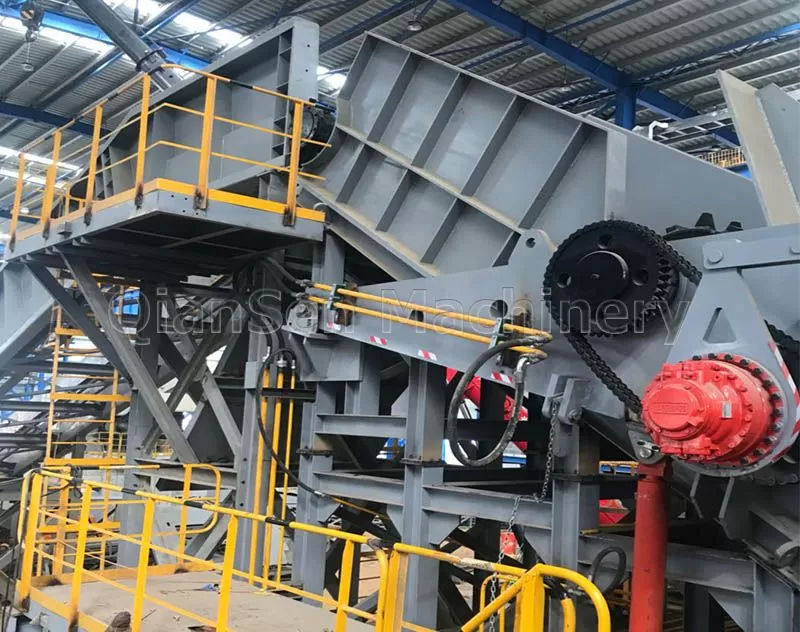
Industrial manufacturing of recycling equipment requires deep understanding of structural fatigue and dynamic loading. QianSen designs heavy-duty shredder assemblies using high-tensile steel frames reinforced with structural ribbing. This construction dampens the high-frequency vibrations produced during operation, preventing micro-fractures in the welds and prolonging the structural life of the overall machine frame.
The bearing blocks are mounted on machined steel seats and are equipped with continuous temperature and vibration monitoring sensors. These sensors feed real-time diagnostic data to the central control PLC, allowing operators to detect bearing wear before a catastrophic failure occurs. Automated lubrication systems deliver measured doses of high-temperature grease to the main bearings at regular intervals, ensuring optimal lubrication under continuous duty cycles.
Frequently Asked Questions
Q1: What is the typical service life of manganese steel hammers in a steel scrap shredder?
A1: The lifespan of the hammers depends heavily on the thickness and cleanliness of the scrap feed. When processing standard light structural scrap and end-of-life vehicles, a set of manganese steel hammers typically lasts between 800 and 1,500 tons of processed material before they require rotation or replacement. Processing highly abrasive or thicker industrial plate scrap will accelerate wear rates, requiring more frequent maintenance cycles.
Q2: How does the system handle dust and particulate emissions during the shredding process?
A2: Modern installations utilize a multi-stage dust control system. Water injection nozzles are positioned at the intake chute and inside the shredding chamber to suppress dust at the point of impact. Downstream, the material transport lines are enclosed, and high-volume air extraction hoods pull airborne particulates into cyclone separators and wet scrubbers, ensuring compliance with industrial air quality regulations.
Q3: Can a standard shredder process heavy industrial structural beams and rails?
A3: No, standard shredders are designed for sheet metal, auto bodies, and light structural scrap. Heavy structural beams, solid shafts, and railway tracks exceed the shearing capacity of swinging hammers and can cause severe damage to the rotor, grates, and bearings. These thick materials should be pre-sorted and processed using hydraulic shears before they are introduced into a shredder system.
Q4: What is the advantage of using a variable frequency drive (VFD) with the main electric motor?
A4: A variable frequency drive allows for soft-starting the high-horsepower motor, which prevents large voltage drops in the facility's power supply. It also permits the operator to adjust the rotor speed to match the specific characteristics of the incoming scrap. For instance, reducing rotor speed when processing highly abrasive materials can reduce wear on the hammers while maintaining acceptable output density.
Q5: How does the hydraulic reject gate differentiate between shreddable scrap and unshreddable items?
A5: The system relies on mechanical resistance and hydraulic pressure monitoring. Shreddable scrap yields under the impact of the hammers, resulting in predictable pressure fluctuations in the drive system. When an unshreddable object is struck, the sudden deceleration of the rotor creates a severe shock load. This load spikes the pressure within the hydraulic cylinders supporting the reject gate, triggering an automatic relief valve that opens the gate to eject the object.
Industrial Inquiries and Tailored Engineering Solutions
Selecting the appropriate machinery configuration requires evaluating feed material profiles, targeted annual throughputs, and localized power availability. QianSen provides comprehensive engineering consultations to assist operators in specifying the correct rotor design, drive power, and downstream separation systems for their specific operational demands.
To receive detailed structural specifications, layout drawings, and formal equipment proposals tailored to your scrap metal processing yard, please submit an inquiry to our technical sales team.