





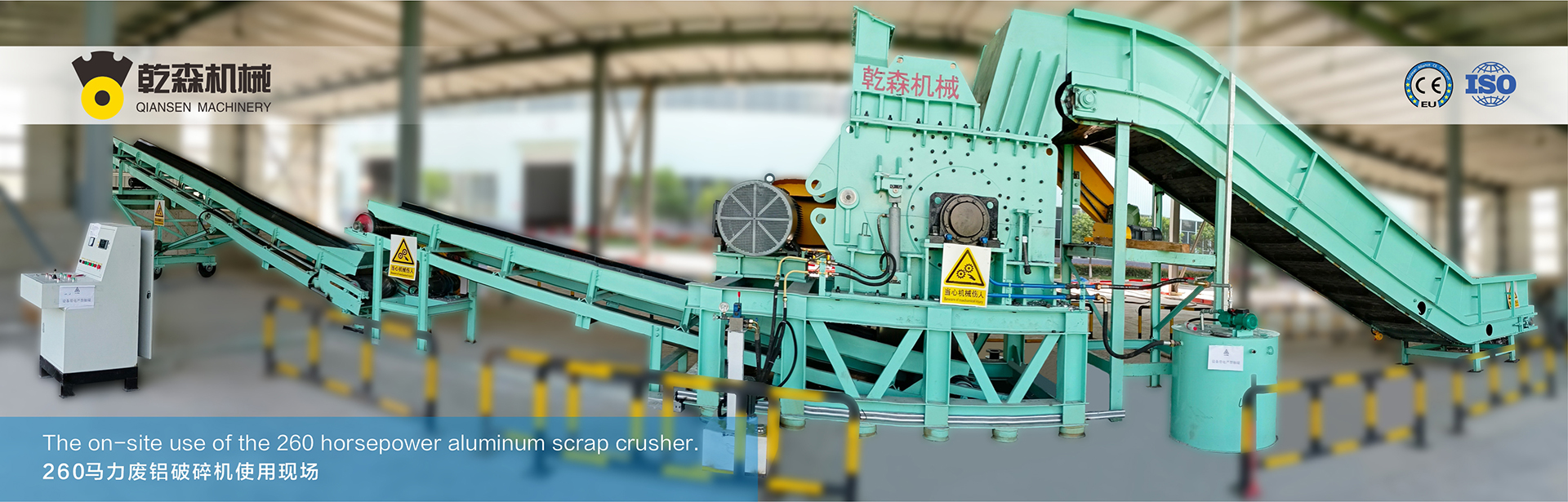
Improve Scrap Processing Efficiency with Heavy-Duty Metal Barrel Shredder Systems
Released on Jul. 02, 2026
Industrial recycling facilities regularly encounter the logistical challenge of processing high-volume, hollow metal containers. Chief among these are 55-gallon steel drums, chemical barrels, and storage vessels. Unprocessed, these containers consume vast amounts of storage space, transport capacity, and furnace volume. Addressing this challenge requires robust mechanical reduction machinery capable of transforming rigid, hollow cylinders into dense, manageable scrap. The implementation of a specialized metal barrel shredder represents the primary method for achieving this transformation, providing the necessary shearing force and torque to handle high-strength steel alloys.
To understand the operational parameters of these heavy-duty recycling systems, scrap processors must evaluate several mechanical factors. These include rotor dynamics, metallurgy, drive configurations, and sealing mechanisms. This article analyzes the structural requirements, operational applications, and engineering developments that define modern industrial shredding systems.
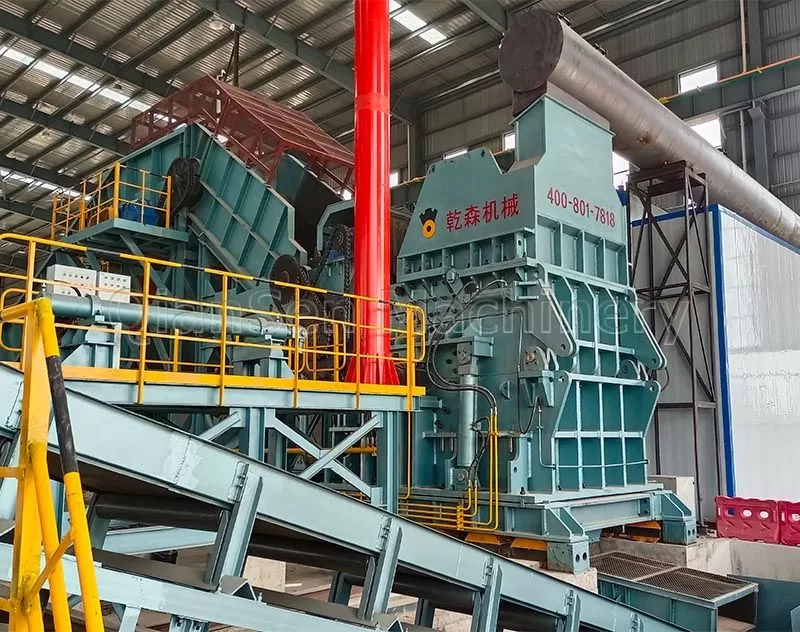
The Mechanical Dynamics of High-Torque Shearing
At the core of industrial size reduction is the principle of low-speed, high-torque shearing. Unlike high-speed granulators or hammermills that rely on kinetic impact, a dual-shaft metal barrel shredder utilizes mechanical interference between opposing blade assemblies. This design minimizes dust generation, noise emissions, and energy consumption while preventing the thermal deformation of the processed scrap.
When a steel drum enters the cutting chamber, the rotating hooks on the blades grasp the container wall. The mechanical stress concentrated at the tip of the blade hook exceeds the ultimate tensile strength of the steel, initiating a puncture. As the shafts rotate inward, the overlapping blade edges subject the metal to intense scissor-like shearing forces. This progressive cutting action requires precise engineering of the clearance between adjacent blades, typically held to tolerances within fractions of a millimeter to prevent material passing through unsheared.
The structural rigidity of the cutting chamber is of paramount importance. The high radial forces generated during the shearing process exert significant pressure on the shafts and bearing housings. QianSen engineers address this by utilizing high-strength forged alloy shafts, which undergo rigorous heat treatment to withstand continuous cyclic loading without experiencing fatigue or bending deformation.
Metallurgical Requirements for Blade Durability
The cutting blades are the primary wear components of any size reduction system. Processing steel drums, which often feature reinforced rims and variable wall thicknesses, subjects the cutting edges to severe abrasive and adhesive wear. Consequently, selecting the appropriate alloy chemistry and heat treatment process is vital for maintaining operational longevity.
D2 Tool Steel (Cr12MoV equivalent): Known for high carbon and chromium content, this alloy provides exceptional wear resistance and compressive strength. It is highly suitable for standard steel drum shredding where impact forces are moderate.
H13 Hot-Work Tool Steel: Featuring superior toughness and resistance to thermal cracking, this material is preferred when processing containers that may contain residual materials or when the shredder operates in high-temperature environments.
Tungsten Carbide Hard-Facing: For high-wear applications, applying a hard-faced layer to the blade tips and cutting edges extends the maintenance intervals, reducing downtime associated with blade replacement.
In addition to material selection, the geometry of the blade plays a decisive role in shredding efficiency. Multi-hook configurations (varying from one to several hooks per blade) balance the intake capacity against the output particle size. For instance, a single-hook blade provides aggressive grab characteristics, ideal for large-volume empty barrels, whereas a multi-hook design produces a smaller, more uniform shred size but may require more feed control.
Integrating Drive Systems: Hydraulic versus Electric
Power transmission in a metal barrel shredder is generally achieved through either electric motors coupled with planetary gearboxes or direct hydraulic drive systems. Each approach presents distinct mechanical characteristics that align with different operational profiles.
Electric Motor and Planetary Gearbox Drives
Electric drives are widely utilized due to their high energy efficiency and straightforward maintenance requirements. By utilizing multi-stage planetary gearboxes, the high speed of the electric motor is converted into the low-speed, high-torque rotation required at the shafts. Modern systems integrate variable frequency drives (VFDs) to allow adjustable shaft speeds and soft-start capabilities, protecting the electrical grid from sudden current spikes during heavy loading. QianSen designs incorporate intelligent PLC control units that monitor motor current; if an un-shreddable object causes a current spike, the system automatically reverses the shaft rotation to clear the jam before re-engaging.
Hydraulic Drive Systems
For operations characterized by highly variable feedstock or a higher incidence of non-shreddable contaminants, hydraulic drives offer distinct advantages. A hydraulic motor provides maximum torque from a dead stop and features inherent shock-absorbing characteristics. When a sudden obstruction is encountered, the hydraulic system relieves pressure through control valves, preventing mechanical shock from transferring to the structural frame. Additionally, hydraulic systems allow for seamless, infinitely variable speed control, which can optimize throughput based on the material resistance encountered in the cutting chamber.
Industrial Applications and Processing Considerations
The deployment of a metal barrel shredder extends across several sectors of the recycling and waste management industries. Understanding the specific demands of each application ensures the system is configured correctly.
Scrap Metal Reclamation: Reducing 200-liter oil drums into small metal fragments increases the bulk density of the scrap, allowing for more cost-effective transport to smelting facilities and faster melting times in electric arc furnaces.
Hazardous Waste Pre-treatment: Steel drums used to transport chemical waste, paints, or solvents must be shredded prior to rotary kiln incineration or chemical stabilization. In these environments, the shredder must be engineered to prevent spark generation and isolate electrical components.
Industrial Container Reconditioning: Barrels that fail quality inspections or are deemed unfit for reconditioning are directed to shredding systems to recover the raw steel value, ensuring the brand markings of the original filler are destroyed.
During these operations, processing efficiency is heavily influenced by the feeding method. Utilizing automated vibratory feeders or hydraulic pushing devices ensures a consistent supply of material to the cutting chamber, preventing bridging—a condition where empty barrels float on top of the rotating shafts without being grabbed by the blades.
Sealing Technologies and Bearing Protection
When processing industrial barrels, residual fluids, chemical powders, and abrasive rust particles are frequently released inside the cutting chamber. If these contaminants penetrate the shaft bearings, they cause rapid wear, lubrication failure, and premature component breakdown.
To mitigate this risk, advanced machinery utilizes isolated bearing housings and multi-stage sealing systems. Instead of mounting the bearings directly against the cutting chamber wall, a physical gap is engineered between the chamber seal and the bearing block. This configuration ensures that any liquid or fine particulate that escapes the primary seals falls through an open discharge zone rather than migrating into the bearing assembly.
Furthermore, the integration of labyrinth seals, combined with continuous grease purging, creates a pressurized barrier against contaminant ingress. This mechanical design safeguard is standard in QianSen heavy-duty shredding units, ensuring stable operation even under continuous exposure to corrosive industrial residues.
Selecting the Proper Machinery Dimensions and Throughput
Specifying a shredding system requires matching the physical dimensions of the feedstock with the volumetric capacity of the hopper and cutting chamber. A standard 55-gallon drum typically measures approximately 580 mm in diameter and 880 mm in height. Consequently, the cutting chamber inlet must have minimum dimensions that comfortably accommodate these proportions without causing material bridging.
Throughput calculations must also account for the thickness of the metal. While standard steel drums feature wall thicknesses ranging from 0.9 mm to 1.5 mm, some reinforced storage vessels may exceed these specifications or include heavy structural reinforcing hoops. A thorough assessment of the maximum material gauge is necessary to determine the required motor kilowatt rating and shaft diameter, ensuring the system possesses sufficient reserve torque to handle peak loads without constant reversing cycles.
Engineering Standards in QianSen Equipment
In the field of heavy machinery manufacturing, QianSen designs and builds recycling equipment focused on structural durability and operational reliability. By utilizing computer-aided finite element analysis (FEA), the structural frames of our shredders are engineered to absorb the high torsional stresses encountered during heavy scrap processing.
Our manufacturing process utilizes precision CNC machining for the shaft seats and bearing housings, ensuring perfect alignment of the dual shafts. This high level of manufacturing precision reduces internal mechanical friction, maximizes energy transfer to the cutting blades, and minimizes wear on the drive couplings and gearboxes.
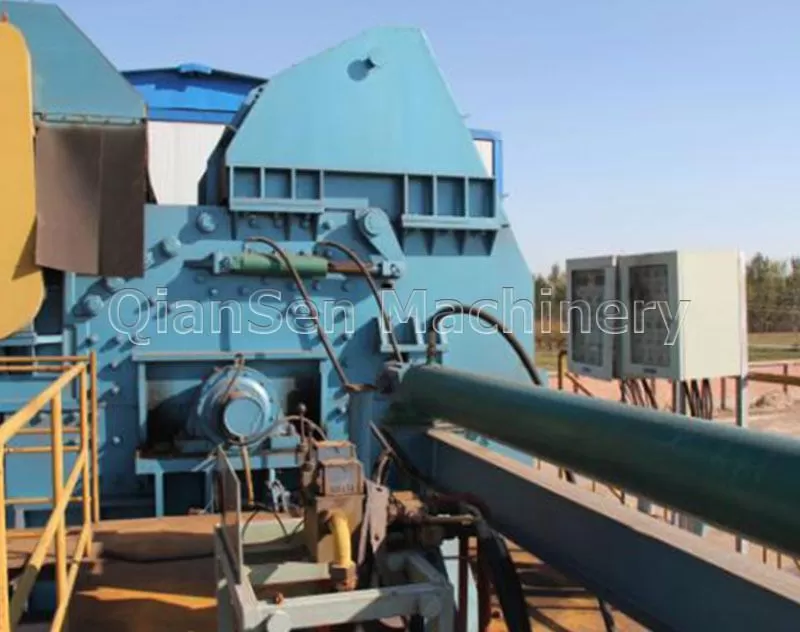
Evaluating Your Scrap Processing Infrastructure
Integrating a new shredding unit into an existing recycling workflow requires careful planning regarding material handling, electrical supply, and downstream separation. The shredded output must be efficiently cleared from beneath the cutting chamber, typically utilizing heavy-duty steel belt conveyors or magnetic separation systems to isolate ferrous materials from non-ferrous contaminants or residual waste.
Scrap processors should also consider the structural foundation of the installation area. Because these machines generate high torque forces, a reinforced concrete foundation with vibration-damping mounts is recommended to prevent the transfer of dynamic loads to surrounding structures.
Inquiry and Custom Configuration
Selecting the correct configuration for a scrap processing facility involves evaluating multiple variables, from material composition to specific throughput targets. QianSen provides customized engineering assessments to match our shredding systems with your operational requirements. For detailed technical specifications, shaft torque curves, and engineering drawings tailored to your facility, please contact our technical sales team to submit your project parameters.
Frequently Asked Questions
Q1: What is the typical operational lifespan of the cutting blades when processing steel drums?
A1: The lifespan of the blades depends on the alloy steel selection, the thickness of the drums, and the presence of abrasive contaminants like sand or rust. Under standard operating conditions with high-grade D2 tool steel blades, users can expect between 1,000 to 2,000 operating hours before requiring blade disassembly for sharpening or hard-facing weld build-up.
Q2: Can a dual-shaft metal barrel shredder handle drums that contain residual liquid?
A2: Yes, dual-shaft shredders can process containers with liquid residues. However, the machine must be configured with isolated bearing housings and specialized liquid-tight seals to prevent corrosive fluids from entering the drive components and bearing assemblies. Liquid collection pans can also be installed beneath the cutting chamber.
Q3: How does the system handle tramp metal or solid steel objects that cannot be sheared?
A3: The control system is programmed with an automatic reverse function. When the PLC detects a current spike in the electric motor (or a pressure spike in a hydraulic system) caused by an un-shreddable object, it immediately stops the shafts, reverses their direction to dislodge the material, and sounds an alarm for the operator to manually remove the obstruction if the automatic sequence cannot clear it.
Q4: What is the typical output particle size of a shredded 55-gallon drum?
A4: The width of the output strips is determined by the thickness of the cutting blades, typically ranging from 40 mm to 75 mm for standard applications. The length of the shredded pieces is governed by the number of hooks on the blades and the physical diameter of the shafts, generally resulting in strips that are 150 mm to 300 mm long.
Q5: Is a hydraulic drive or an electric drive more suitable for a high-capacity metal recycling facility?
A5: For high-capacity facilities handling well-sorted steel drums, an electric drive with a VFD and planetary gearbox is highly efficient and offers lower maintenance overhead. If the incoming feedstock is highly mixed, unpredictable, and likely to contain solid steel contaminants, a hydraulic drive is often preferred due to its superior shock absorption and high starting torque.