




How Does the World's Largest Metal Shredder Process 400 Tons of Scrap Per Hour?
Released on Jul. 02, 2026
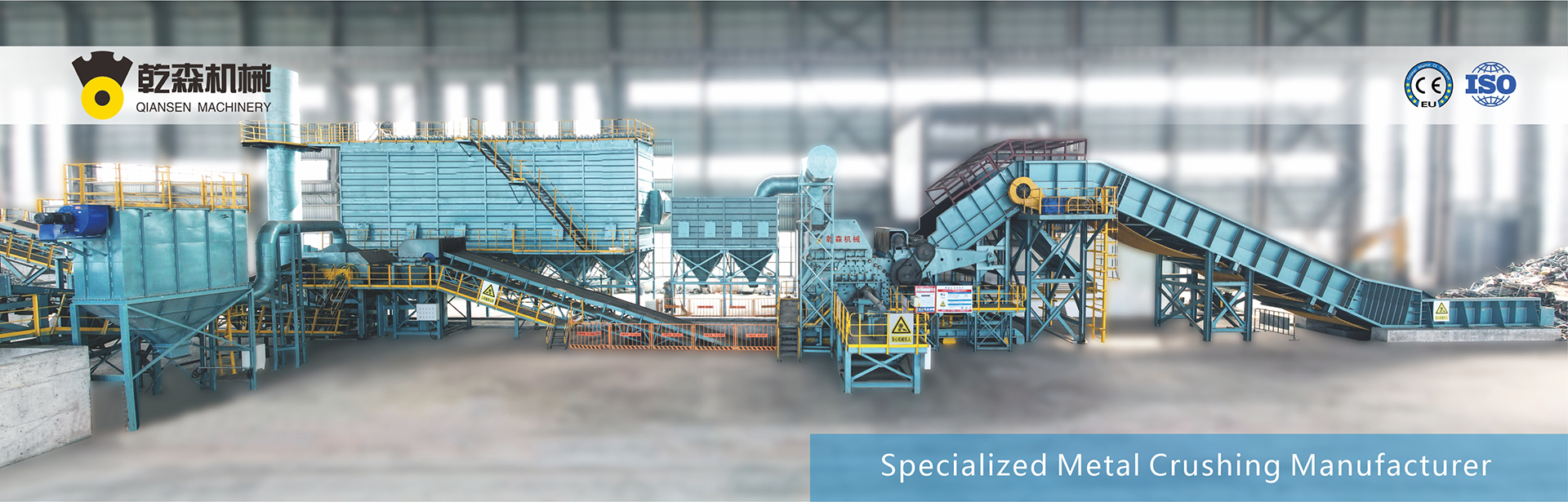
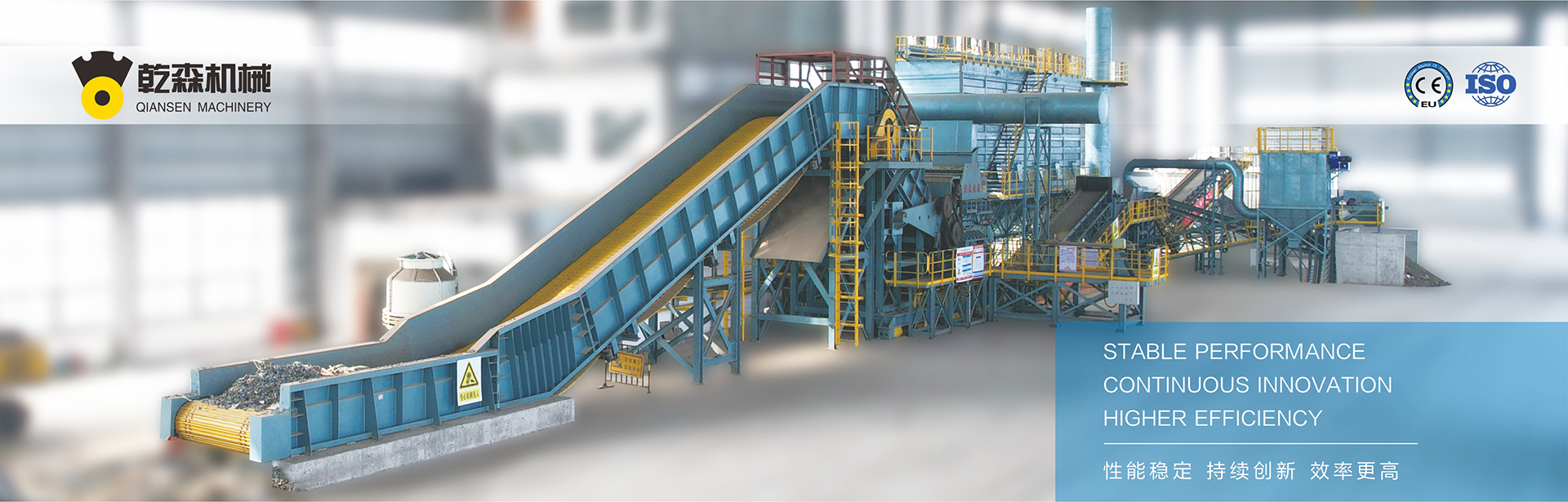
In the global metal recycling sector, scale is directly linked to operational margin. As steel mills and secondary smelters demand cleaner, higher-density furnace feed, the role of heavy-duty scrap processing machinery becomes increasingly significant. At the peak of this mechanical evolution is the world's largest metal shredder—a class of mega-machinery designed to reduce entire automobiles, industrial structures, and mixed demolition scrap into fist-sized fragments within seconds. Understanding the design mechanics, operational challenges, and system integration of these ultra-high-capacity systems provides vital insights for scrap yards aiming to scale their throughput and improve recovery rates.
For machinery manufacturers like QianSen, analyzing the engineering breakthroughs behind these massive installations is not merely an academic exercise. It serves as a blueprint for designing robust, reliable, and energy-efficient processing equipment that can withstand the severe impact forces inherent to scrap metal processing. This deep dive examines the mechanical systems that power these high-throughput shredding lines, the structural requirements for handling extreme impact, and the downstream processing systems that convert raw output into high-value commodities.
The Physics of Impact: How Mega-Shredders Operate
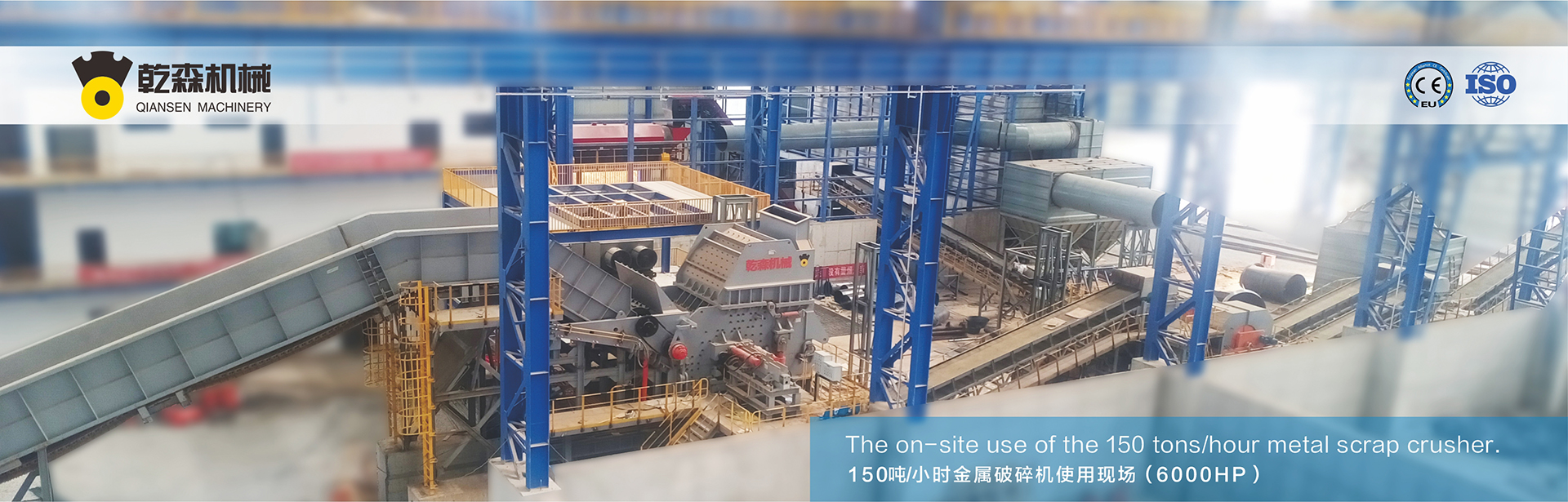
To process hundreds of tons of scrap steel per hour, the world's largest metal shredder relies on kinetic energy transfer rather than a simple cutting action. Unlike shear-type shredders that use high torque and low speeds to slice through material, a mega-shredder utilizes a massive, high-speed rotor equipped with free-swinging hammers. When these hammers strike incoming scrap, the impact forces cause the material to fracture along structural weak points and weld seams.
The primary mechanism relies on the following structural stages:
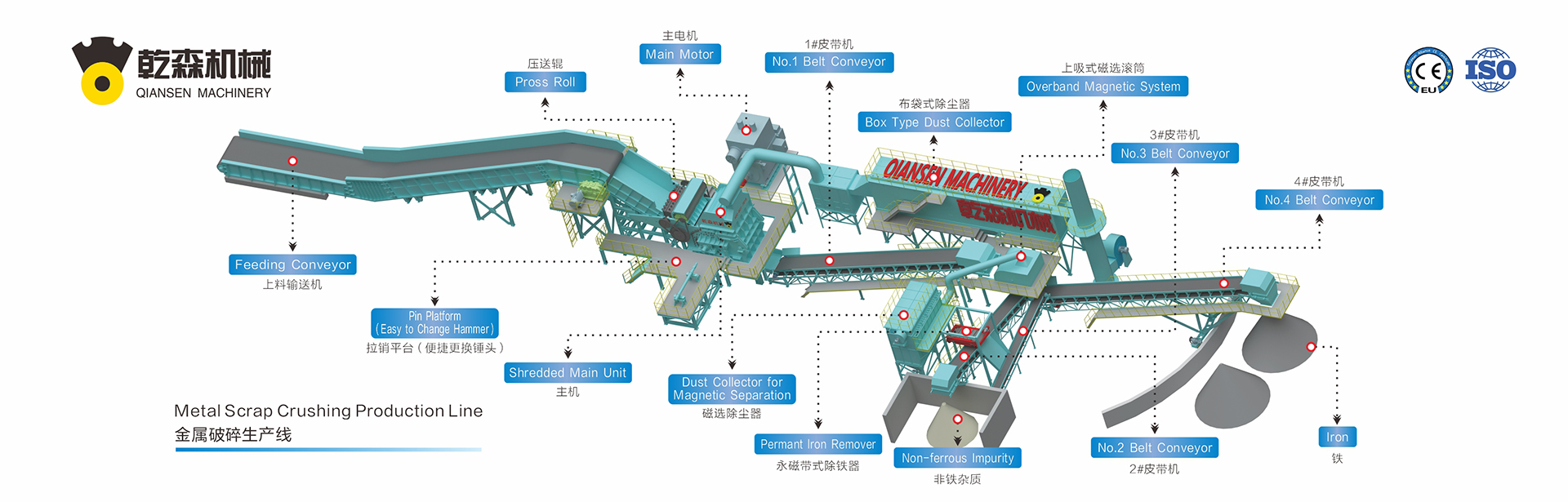
Primary Deformation: The raw feed material is compressed by heavy-duty feed rolls, which flatten automobiles or structural beams to prepare them for entering the shredding chamber.
Impact and Shattering: As the material passes the anvil, the rotating hammers strike the metal, causing immediate work-hardening and subsequent shattering.
Grating and Sizing: The shattered metal is dragged across internal bottom and top grates. Only particles that have been reduced to the size of the grate openings can exit the chamber, while larger pieces are carried back around for another cycle of impact.
Operating a system equivalent to the world's largest metal shredder requires managing immense mechanical stresses. The kinetic energy generated by a 120-ton rotor spinning at 600 RPM is substantial. If an un-shreddable object—such as a solid steel shaft or a heavy tractor counterweight—enters the chamber, the system must dissipate this energy safely to prevent structural failure. This is achieved through hydraulic reject gates and slip-clutches built into the drive train, safeguarding the rotor and motor assembly from catastrophic damage.
Power Generation and Electrical Grid Integration
The operational capacity of a heavy-duty shredder is fundamentally limited by its drive system. To drive a rotor of this scale, installations utilize electric motors ranging from 6,000 to over 10,000 horsepower (approximately 4.5 to 7.5 Megawatts). Integrating such massive electrical loads into local utility grids presents major engineering challenges.
Most large-scale shredders employ slip-ring induction motors, which are favored for their high starting torque and ability to handle sudden speed drops under heavy loads. When a large bundle of scrap enters the chamber, the rotor slows down, causing the motor to draw massive spikes of electrical current. Without proper management, these spikes can cause voltage drops on the local grid, disrupting nearby industrial and residential consumers.
To mitigate this, heavy-duty processing facilities install specialized electrical infrastructure:
Liquid Rheostats: These systems adjust the resistance in the motor rotor circuit during start-up, allowing for a smooth acceleration curve and minimizing inrush current.
Static Var Compensators (SVC): These devices rapidly provide reactive power compensation, stabilizing grid voltage during sudden load changes when the shredder is under peak stress.
Capacitor Banks: Used to improve the power factor of the plant, ensuring that the heavy inductive load of the large motor does not result in financial penalties from utility providers.
At QianSen, we emphasize the integration of balanced power transmission systems. By pairing the mechanical load of the rotor with specialized electrical controls, operators can maximize throughput while maintaining a stable power draw, reducing overall energy costs per processed ton.
Metallurgical Endurance: Wear Parts and Rotors
The operational cost of a high-capacity metal shredder is heavily influenced by the lifespan of its internal wear parts. Within the shredding chamber, the environment is highly abrasive, characterized by constant metal-on-metal friction and high-velocity impacts. Therefore, material selection for the rotor, hammers, grates, and liners is a key consideration for ensuring long-term profitability.
The rotor itself is typically fabricated from high-strength forged steel disks welded together to form a solid, rigid cylinder. This design prevents the rotor shaft from bending under stress. The hammers, which are the primary wear item, are cast from alloy steels, with manganese steel (Hadfield steel) being the industry standard. Manganese steel possesses a unique property: under repeated impact, its surface work-hardens, increasing its wear resistance while the core remains ductile and resistant to fracturing.
However, manganese steel requires continuous impact to maintain this hardened state. If the feed material is too light, such as thin sheet metal or aluminum cans, the hammers will wear down faster due to abrasion without work-hardening. Consequently, operators must blend different scrap grades to maintain optimal operational hardness within the chamber. QianSen focuses on selecting materials that balance fracture toughness with abrasive wear resistance, helping operators prolong maintenance intervals and reduce downtime associated with hammer rotation and replacement.
Downstream Separation: Converting Shredded Scrap into High-Value Yield
Shredding the scrap is only the first phase of the recycling process. The output of the world's largest metal shredder is a highly mixed stream of ferrous metals, non-ferrous metals, and non-metallic residues (commonly referred to as Shredder Light Fraction or Auto Shredder Residue). The financial viability of the entire operation depends on the efficiency of the downstream separation plant.
A standard high-capacity downstream system involves a multi-stage separation process:
Magnetic Separation: The shredded material first passes under large magnetic drum separators. These drums pull the magnetic ferrous scrap away from the non-magnetic fraction, producing clean, high-density steel fragments suitable for direct electric arc furnace feeding.
Air Classification: High-velocity air currents (often utilizing Z-box classifiers or cyclone separators) blow through the material stream to extract light fractions such as plastics, foam, glass, and fabrics, isolating them from the heavier metals.
Eddy Current Separators: Non-ferrous materials like aluminum, copper, and brass pass over high-speed rotating magnetic rotors. This induces electrical currents (eddy currents) within the conductive metals, creating opposing magnetic fields that physically eject them from the non-metallic residue stream.
Sensor-Based Sorting: Advanced sorting systems utilize near-infrared (NIR), X-ray transmission (XRT), and induction sensors to identify and separate complex alloys, ensuring high purity levels in the recovered non-ferrous fractions.
Through precise down-line processing, operators can turn a mixed waste stream into highly marketable commodities, driving up the return on investment for large-scale shredder systems.
Addressing Key Operational Bottlenecks
While the throughput of a massive shredder is impressive, operating at this scale introduces unique operational bottlenecks that must be managed. The most prominent of these is feed consistency. A shredder can only operate at peak efficiency if the feed system provides a steady, regulated stream of scrap. If the machine is under-fed, energy consumption per ton rises sharply; if it is over-fed, the rotor can stall, leading to prolonged shutdowns.
Another challenge is the management of dust and environmental emissions. The intense mechanical force inside the chamber generates heat, vaporizing residual automotive fluids and creating fine metal dust. Modern high-capacity facilities must implement wet-shredding systems, injecting controlled amounts of water into the chamber to suppress dust and prevent explosions caused by trapped combustible gases. Additionally, robust air-filtration and water-treatment systems are required to comply with local environmental regulations.
By studying these challenges, QianSen designs machinery that incorporates automated feed control systems. These systems monitor motor current in real-time, automatically adjusting the speed of the feed conveyor and compression rolls to match the rotor's load capacity, preventing overload and maximizing operational efficiency.
QianSen: Engineering Solutions for High-Capacity Recycling
At QianSen, we apply these structural and mechanical principles to our line of industrial recycling equipment. We understand that not every facility requires the sheer physical size of the world's largest metal shredder, but every facility benefits from the same engineering principles of durability, energy efficiency, and high-recovery downstream separation.
Our engineering focus centers on modular designs, heavy cast steel housings, and intelligent control systems that protect the machinery from wear while maximizing throughput. Whether you are processing municipal solid waste, industrial demolition scrap, or end-of-life vehicles, our equipment is built to handle the rigorous demands of your daily operations.
Frequently Asked Questions
Q1: What defines the physical scale of the world's largest metal
shredder?
A1: The physical scale is determined by rotor diameter and
width, motor horsepower (typically 10,000 HP or more), and overall machine
weight, which often exceeds several hundred tons. These dimensions allow the
machine to accept whole, un-flattened vehicles directly into the feed chute.
Q2: How do operators manage the massive heat generated during
shredding?
A2: Most large installations use wet-shredding
technology, where water is sprayed directly into the shredding chamber. This
cools the hammers and liner plates, dampens dust emissions, and reduces the risk
of friction-induced dust explosions.
Q3: What are the typical maintenance cycles for a shredder rotor of
this scale?
A3: Hammers generally require rotation or replacement
every 15 to 40 hours of operation, depending on the abrasiveness of the scrap
feed. The main rotor bearings and internal liner plates are inspected daily and
typically undergo major maintenance cycles semi-annually.
Q4: Can these mega-shredders handle non-ferrous metals
effectively?
A4: While the shredder itself reduces all metals
indiscriminately, it does not separate them. Effective recovery of non-ferrous
metals like copper and aluminum relies entirely on downstream systems, such as
eddy current separators and sensor-based sorting lines.
Q5: How does QianSen assist in integrating these high-capacity
shredders into existing yards?
A5: QianSen provides end-to-end
engineering support, evaluating existing yard layouts, electrical grid
capacities, and downstream sorting requirements to deliver custom-configured
machinery that integrates smoothly with current operations.
Inquiries and Engineering Consultation
Selecting the right heavy-duty shredding and separation equipment requires a thorough evaluation of feed material characteristics, desired throughput, and local environmental standards. QianSen is committed to helping recycling businesses identify the most efficient processing configurations for their specific operational needs.
If you are planning to upgrade your current scrap processing capacity or require engineered solutions to improve downstream metal recovery, we invite you to contact our engineering team. Submit your project requirements to QianSen today to receive a detailed technical evaluation and a customized equipment proposal tailored to your facility's goals.