




What Factors Realistically Influence a Heavy Duty Metal Shredder Machine Price?
Released on Jul. 11, 2026
High-volume scrap metal processing requires robust machinery designed to withstand continuous mechanical stress, impact, and abrasion. For scrap yard operators, metal recycling companies, and steel mills, the acquisition of processing equipment is a major capital investment. Decisions regarding equipment procurement require careful evaluation of the heavy duty metal shredder machine price alongside projected performance metrics, throughput capabilities, and structural durability. QianSen manufactures industrial recycling machinery engineered to balance high performance with realistic capital requirements, ensuring that buyers can scale their production lines efficiently.
Evaluating the market for metal recycling machinery reveals a wide variance in pricing. This variance is not arbitrary; it directly reflects differences in steel quality, drive systems, hydraulic engineering, and control automation. By understanding the mechanical components and design choices that influence these costs, B2B procurement managers can make informed decisions that align their initial capital expenditure with long-term operational profitability.
Core Mechanical Components That Determine the Heavy Duty Metal Shredder
Machine Price
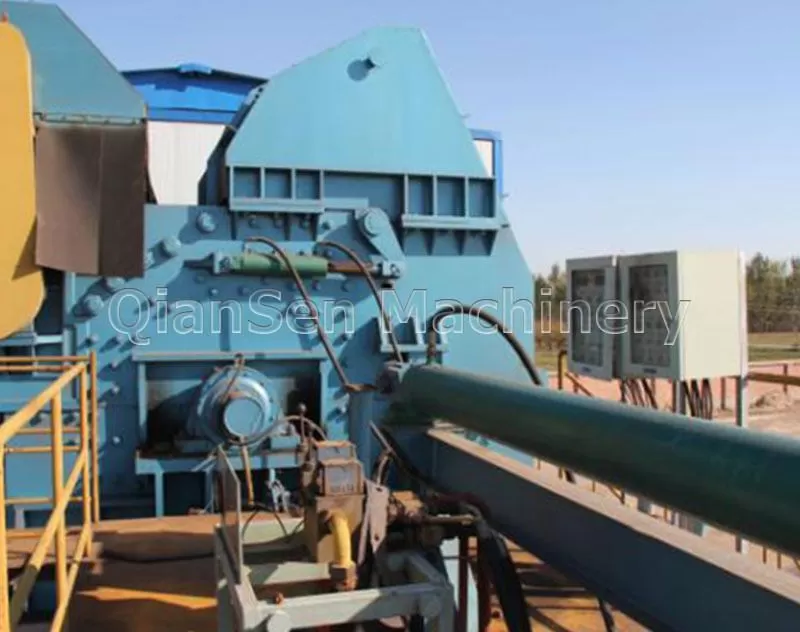
The internal engineering of a shredder directly dictates its manufacturing cost and market value. High-torque, low-speed dual-shaft shredders and high-speed hammer mills require vastly different structural materials and machining tolerances. The materials chosen for high-wear zones and the complexity of the drive train are the primary cost drivers in industrial manufacturing.
Rotor and Blade Metallurgy
The shredding chamber is the high-wear zone of the entire system. The cost of manufacturing rotors and blades is tied to the grade of steel alloy utilized. Blades made from standard carbon steel wear down rapidly when processing structural steel or automotive scrap, leading to frequent downtime. High-performance shredders utilize specialized alloy steels, such as 42CrMo or shock-resistant tool steels, which undergo precise heat treatment processes to achieve high Rockwell hardness (HRC) ratings without becoming brittle.
Blade profile and thickness also affect material cost. Thicker blades, ranging from 75mm to over 150mm for processing heavy-gauge scrap, require more raw material and longer machining times. Dual-shaft shredders featuring hook configurations designed to grab and tear metal must be milled with high precision to maintain tight tolerances between the opposing shafts. This precision prevents material bypass and preserves the shearing action, but it increases the labor and machining costs during fabrication.
Drive System Configurations: Hydraulic vs. Electric
The power plant of a shredder significantly influences the capital cost. High-horsepower electric motors coupled with heavy-duty reduction gearboxes provide consistent torque but can experience high mechanical shock during sudden jams. To safeguard the drive train, advanced machinery incorporates variable frequency drives (VFDs) or soft-starter panels that control electrical current spikes and manage shaft reversal sequences.
Hydraulic drive systems offer superior torque control and shock absorption, making them ideal for processing heterogeneous scrap streams that may contain unshreddable items. Hydraulic systems utilize high-displacement pumps and radial piston motors to provide infinite speed adjustment and instantaneous reverse rotation. The integration of premium hydraulic components from reputable global manufacturers increases the heavy duty metal shredder machine price, but it provides unmatched durability under severe operating conditions.
Chassis and Structural Frame Weight
A common metric used by experienced scrap yard operators to gauge machine quality is total weight. Heavy-duty shredding operations generate extreme vibration and structural fatigue. To prevent structural cracking, frames must be fabricated from thick, high-tensile structural steel plates, often ranging from 40mm to 80mm in thickness, which are stress-relieved after welding.
Heavy-gauge steel weldments absorb operational vibrations and prevent frame distortion.
Reinforced hopper designs prevent structural damage from large, dense metal pieces falling into the chamber.
Sub-frames equipped with vibration-damping mounts protect the concrete foundations of the processing facility.
When comparing machinery options, lighter units may feature lower price tags but often suffer from accelerated structural failure, demonstrating why raw material weight and structural reinforcement are vital components of the purchase price.
Capacity Demands and Machine Sizing
Throughput requirements dictate the physical size of the machinery, which correlates directly with material and manufacturing costs. A system designed to process 5 tons of aluminum scrap per hour is engineered differently than a plant designed to shred 40 tons of mixed steel scrap per hour.
Low-Volume vs. High-Volume Scrap Yards
Smaller recycling facilities handling light-gauge materials, municipal waste, or electronic scrap can utilize compact dual-shaft shredders with lower motor ratings (typically between 45 kW and 110 kW). These machines feature smaller cutting chambers and lighter rotors, keeping the manufacturing cost manageable. Large scrap yards processing end-of-life vehicles, HMS 1 & 2, and heavy industrial waste require massive machines with dual motors scaling up to 400 kW or higher. The sheer volume of steel, copper, and hydraulic fluid required to construct these high-tonnage systems scales the pricing exponentially.
Material Feed Specifics
The physical dimensions of the input material also affect the chamber size. Shredding whole cars or baled structural steel requires a wide feed opening to prevent bridging, where large items lodge above the rotors instead of feeding into the cutters. Engineering a larger chamber requires longer shafts with larger diameters to prevent shaft deflection under load. Shaft diameter must increase proportionally with length to maintain structural integrity under high torque, which increases the cost of the alloy steel forgings used in manufacturing.
Operating Expenses, Wear Parts, and Lifecycle Costing
When evaluating the financial commitment of purchasing scrap processing machinery, it becomes clear that the initial heavy duty metal shredder machine price represents only one variable in a broader capital expenditure equation. Operational expenses (OPEX) can quickly outpace capital expenses (CAPEX) if the machinery is not designed for efficient maintenance.
The selection of wear liners inside the shredding chamber is a prime example of this balance. High-wear zones should be lined with replaceable plates made from abrasion-resistant steels such as Hardox or high-manganese cast steel. While these premium liners increase the initial manufacturing cost, they protect the main structural frame from wear. Systems without replaceable liners require extensive welding and rebuilding of the chamber walls, leading to prolonged operational shutdowns and high labor costs.
Maintenance accessibility also influences long-term profitability. QianSen designs machinery with split-body hydraulic chambers, allowing quick access to the rotor and blade shafts. This design feature permits rapid blade changes and seal replacements, reducing maintenance labor from days to hours. While hydraulic open-close chambers add to the initial build cost, they greatly reduce the cost per processed ton over the machine’s lifecycle.
Analyzing the Value Proposition of QianSen Recycling Machinery
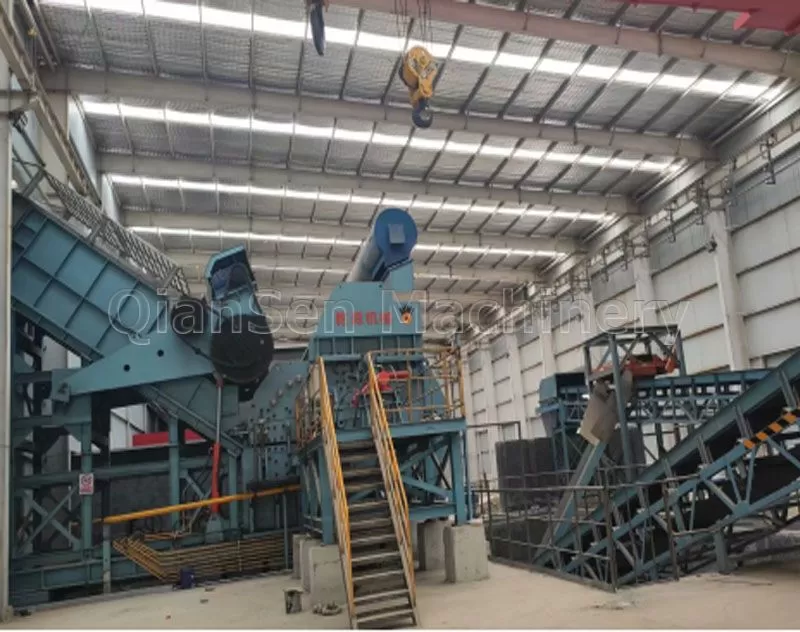
For B2B buyers seeking to secure reliable processing machinery, balancing the upfront acquisition cost with structural durability is a key priority. QianSen addresses this market need by focusing on robust engineering standards and transparent component selection. By utilizing high-yield steel frames, precision-machined alloy shafts, and standardized electrical and hydraulic controls, the machinery delivers reliable performance without unnecessary complexity.
Rather than cutting corners on structural steel thickness, manufacturing processes focus on improving assembly efficiency and sourcing reliable standard components. This approach ensures that the machinery remains serviceable globally, with replacement valves, bearings, and electrical switches easily sourced from local industrial suppliers, keeping operational downtime to an absolute minimum.
Frequently Asked Questions Regarding Heavy Duty Metal Shredder Machine Price
Q1: What is the primary factor that causes variations in the heavy duty metal shredder machine price?
A1: The primary factors are the physical size of the shredding chamber, the raw material weight of the chassis, the alloy grade of the blades, and the horsepower of the drive system. High-torque systems with custom-forged alloy shafts and advanced hydraulic drives require more raw materials and complex machining, which increases the manufacturing cost compared to lighter, electric-drive alternatives.
Q2: Is a hydraulic drive shredder always more expensive than an electric drive system?
A2: Yes, hydraulic drive systems typically command a premium over standard electric motor and gearbox configurations. This is due to the cost of heavy-duty hydraulic pumps, fluid reservoirs, high-pressure piping, and hydraulic piston motors, all of which provide superior shock absorption and torque control when processing heavy, unpredictable scrap materials.
Q3: How does the choice of blade steel affect the initial machine price and long-term operating costs?
A3: High-alloy tool steels like 42CrMo or specialized shock-resistant alloys increase the initial machine price due to the high cost of the raw steel and the intensive heat-treatment processes required to harden them. However, these premium blades maintain their cutting edges longer, resist chipping under impact, and significantly reduce the frequency of blade replacement, leading to lower operating costs per ton of processed scrap.
Q4: Why is machine weight such an important indicator when comparing industrial metal shredders?
A4: Shredding metal generates severe, continuous mechanical shock and vibration. A heavier machine indicates the use of thick structural steel plates in the frame and robust housing, which prevents the chassis from cracking or warping under cyclic loading. Lighter machines may have a lower purchase price but often suffer from structural fatigue and weld failures within a few years of high-volume operation.
Q5: Can customized hopper designs or auxiliary conveyors alter the total procurement price?
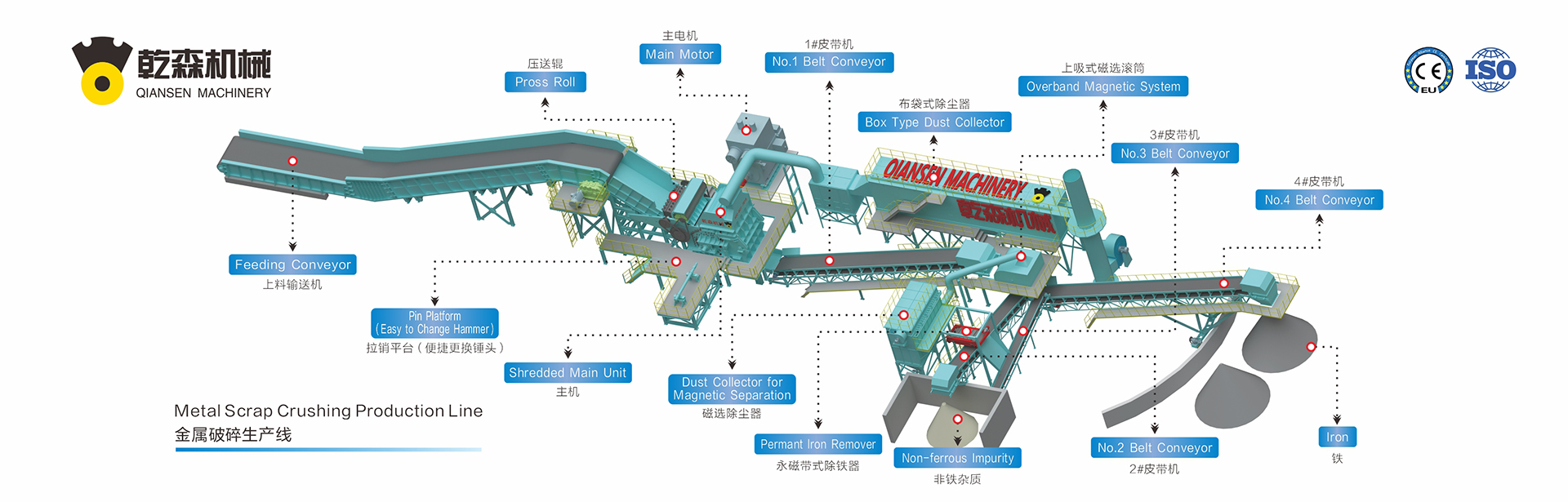
A5: Yes, auxiliary equipment such as vibrating feeders, magnetic separators, outfeed conveyors, and custom dust suppression systems will increase the total system price. However, integrating these components into a unified processing line reduces manual labor requirements and improves the purity of the sorted scrap metal, directly enhancing the market value of the output material.
Submit an Inquiry for Custom Scrap Processing Solutions
Selecting the correct machinery for your scrap yard requires balancing raw processing capacity with realistic capital investment parameters. Our engineering team designs custom shredding systems configured to match your specific material feedstocks, daily throughput goals, and operational budget. Contact QianSen today to discuss your processing goals, request technical specifications, or receive a detailed quotation tailored to your business needs.