




What Design Features Define the Best Hammer Mill for Heavy-Duty Industrial Shredding?
Released on Jul. 17, 2026
Industrial metal recycling operations require robust machinery capable of processing high volumes of diverse scrap material. Among the various size reduction systems available, hammer mills are a standard choice for processing ferrous and non-ferrous metals, electronic waste, and industrial scrap. Selecting the best hammer mill involves understanding the relationship between raw material characteristics, rotor dynamics, metallurgy, and maintenance requirements.
For scrap yard operators and industrial processing facilities, the choice of equipment directly impacts operational profitability, energy consumption, and the purity of the end product. This analysis examines the engineering principles, component specifications, and operational strategies that define a highly efficient size-reduction system.
Key Engineering Components of High-Performance Hammer Mills
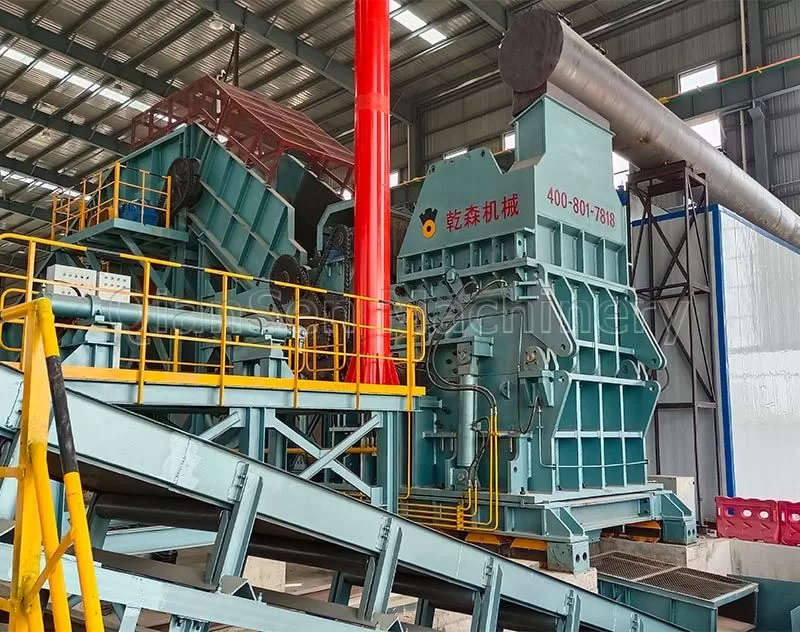
To identify the best hammer mill for a specific industrial application, one must evaluate the individual components that handle the high-impact forces of metal shredding. The interaction between the rotor, the hammers, and the sizing grates determines both the throughput rate and the final particle size distribution.
Rotor Design and Balanced Inertia
The rotor is the heart of the milling system. In heavy-duty scrap metal processing, the rotor must possess sufficient rotational inertia to sustain impact without causing excessive motor strain or structural fatigue. High-performance systems utilize solid-disk rotors or heavy-ring rotors constructed from high-tensile alloy steel.
A well-engineered rotor assembly minimizes vibration, which is a primary cause of bearing failure and structural wear. Dynamic balancing of the rotor is a standard requirement during manufacturing and after any major maintenance procedures. The rotor diameter and width must match the feed opening to prevent bridging of material as it enters the shredding chamber.
Hammer Metallurgy and Wear Resistance
Hammers deliver the direct impact required to shatter, tear, and compress scrap metal. The efficiency of this process depends heavily on the chemical composition of the hammers. Standard materials include high-manganese steel alloys and specialized alloy steels subjected to precise heat treatment processes.
Manganese steel possesses a unique property where it work-hardens under continuous impact. This makes it suitable for processing ductile metals that cause high-impact stress. For applications involving highly abrasive materials with lower impact forces, alloy steels with higher chromium content may be preferred to prevent premature abrasive wear. The physical geometry of the hammer—whether bell-shaped, rectangular, or T-shaped—must align with the specific density of the incoming scrap.
Grate Plate Configurations and Sizing
The grate plates located at the bottom and sides of the grinding chamber control the residence time of the material within the mill. Material remains in the chamber until it is reduced to a size smaller than the grate openings. The design of these grates determines the output size and the overall efficiency of the system.
Standard configurations include:
Round Hole Grates: Best for producing uniform, spherical particles, commonly used in non-ferrous metal recovery.
Slotted Grates: Useful for materials that tend to elongate, preventing clogging while maintaining a steady flow.
Double-Beam Grates: Designed for heavy-duty scrap, offering structural reinforcement to withstand the downward pressure of dense metal blocks.
Common Industry Pain Points and Engineered Solutions
Operators of scrap metal shredding plants frequently encounter operational bottlenecks that limit profitability. Understanding these pain points allows manufacturers to design better systems and helps buyers select the best hammer mill for their specific operational demands.
Unscheduled Downtime due to Tramp Metal
One of the most severe challenges in scrap processing is the accidental introduction of un-shreddable materials, often referred to as tramp metal or heavy steel shafts. When an un-shreddable object enters the chamber, it can cause catastrophic damage to the rotor, hammers, and internal liners.
To mitigate this issue, advanced industrial mills incorporate tramp metal relief systems. These systems often feature a gravity-actuated reject door or a hydraulic breakaway mechanism. When a massive, non-crushable object is struck by the hammers, the force pushes the object against a spring-loaded or hydraulic release gate, ejecting it from the chamber before it can cause structural deformation to the rotor assembly.
High Operational Costs of Wear Parts
The abrasive nature of metal-on-metal impact means that wear parts—specifically hammers, liner plates, and grates—must be replaced periodically. High frequency of replacement increases both parts costs and labor-related downtime.
The best hammer mill designs address this by using replaceable wear liners made of alloyed steels bolted to the interior housing. These liners protect the main structural frame from erosion. Additionally, dual-directional rotors allow the system to run in both clockwise and counter-clockwise directions. This capability enables operators to utilize both faces of the hammers without manually removing and flipping them, effectively doubling the lifespan of the cutting edges between maintenance intervals.
Inefficient Particle Liberation and Sorting
In recycling, the goal is often to separate composite materials, such as copper wire from plastic insulation, or aluminum from steel auto parts. If the mill does not sufficiently liberate these distinct materials, downstream sorting equipment (like magnetic separators and eddy current systems) cannot function properly.
Achieving clean liberation requires precise control over the internal clearance between the hammer tips and the grate plates. A tight clearance ensures that materials are subjected to intense shearing action, stripping coatings and separating joined metals. Modern systems utilize adjustable anvil plates that can move closer to or further from the hammer path, allowing operators to calibrate the machine based on the specific liberation requirements of the batch.
Integrating Size Reduction Systems into Modern Recycling Lines
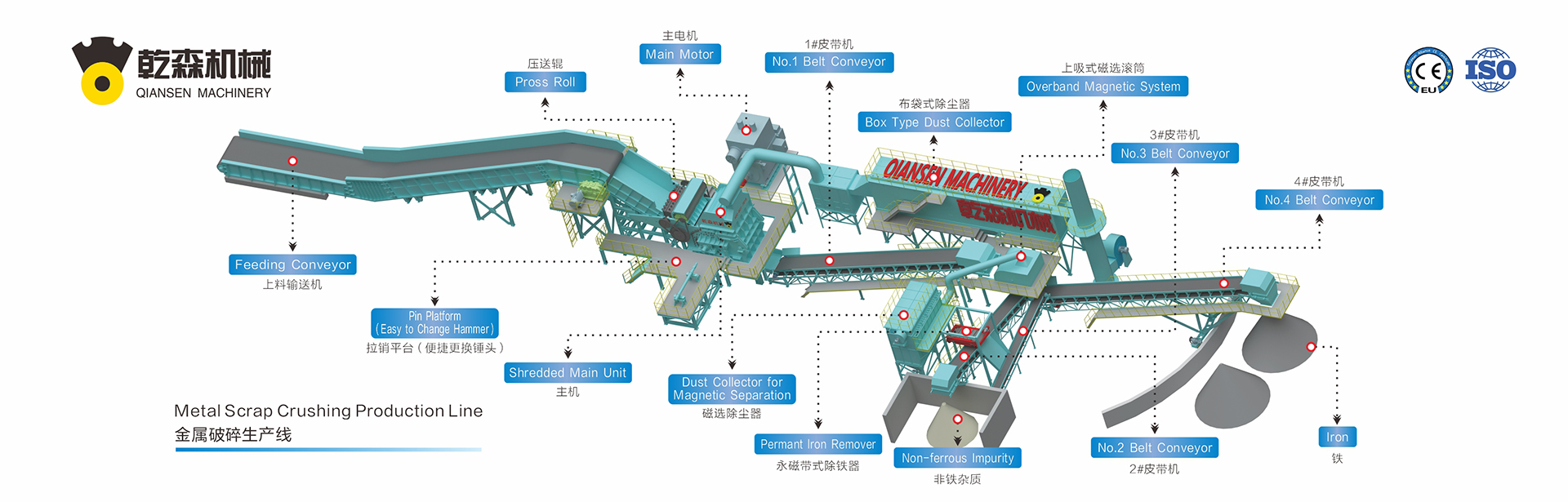
A hammer mill does not operate in isolation. Its efficiency is closely tied to the auxiliary equipment that feeds material in and processes material downstream. Designing a cohesive system prevents bottlenecks and ensures a continuous material flow.
The process sequence typically follows a specific logical progression:
First, material is introduced via a heavy-duty vibrating feeder or a steel belt conveyor. A consistent, metered feed rate is necessary to prevent overloading the motor. If too much material enters the chamber at once, the rotor speed drops, leading to stalling and increased heat generation.
Second, as material passes through the mill and exits the grates, it is collected by an under-mill vibratory conveyor. This conveyor flattens the material stream, distributing it evenly across the width of the subsequent belt.
Third, the discharged material passes under a drum magnet or overbelt magnet to extract ferrous metals. The remaining non-ferrous fraction is then routed to an eddy current separator to isolate valuable metals like aluminum, copper, and brass from non-metallic residues.
Comparative Evaluation: Heavy-Duty vs. Light-Duty Applications
Different scrap yards handle vastly different feedstocks. Selecting the best hammer mill requires aligning the machine's structural rating with the physical properties of the input material. The table below outlines the structural differences required for various application classes.
| Feature | Light-Duty Processing (e.g., Aluminum Cans, Electronic Scrap) | Heavy-Duty Processing (e.g., Automobile Scrap, Structural Steel) |
|---|---|---|
| Motor Power Range | 50 kW to 150 kW | 200 kW to 1500+ kW |
| Rotor Type | Open rotor with spacer plates | Solid-disk or heavy-ring alloy rotor |
| Hammer Weight | 5 kg to 15 kg | 50 kg to 150+ kg |
| Housing Construction | Reinforced mild steel plate | Thick, rib-reinforced alloy steel casting or heavy plate |
| Primary Wear Threat | Mild abrasion and surface scratching | Severe impact, work-hardening fatigue, and high abrasion |
QianSen Solutions for Industrial Metal Size Reduction
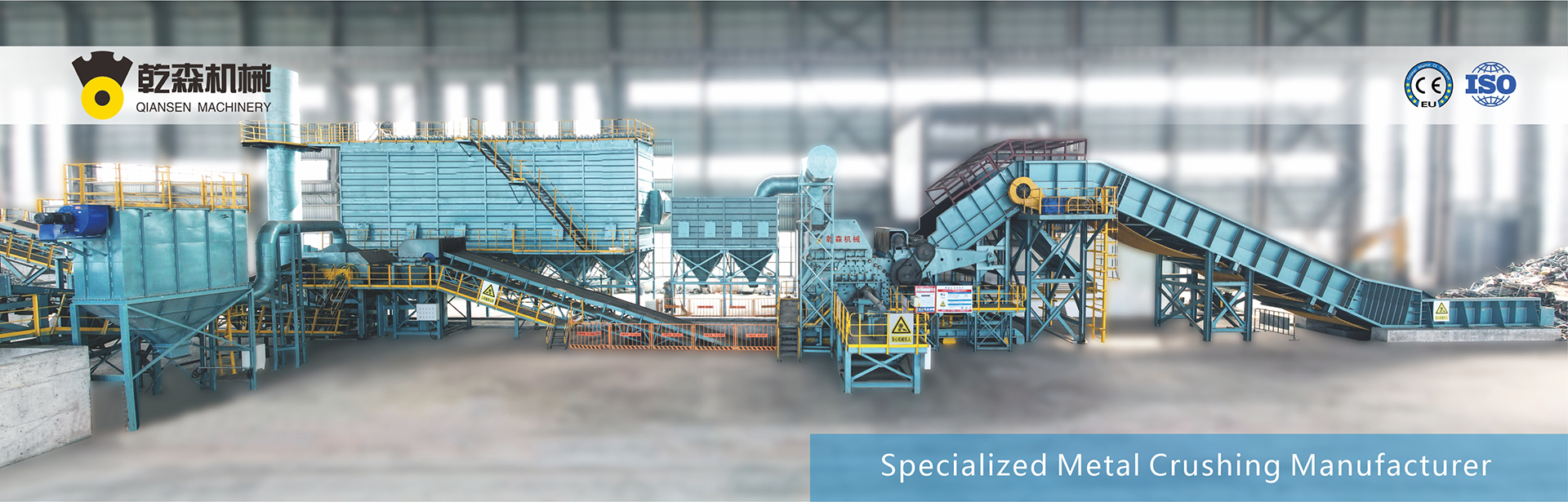
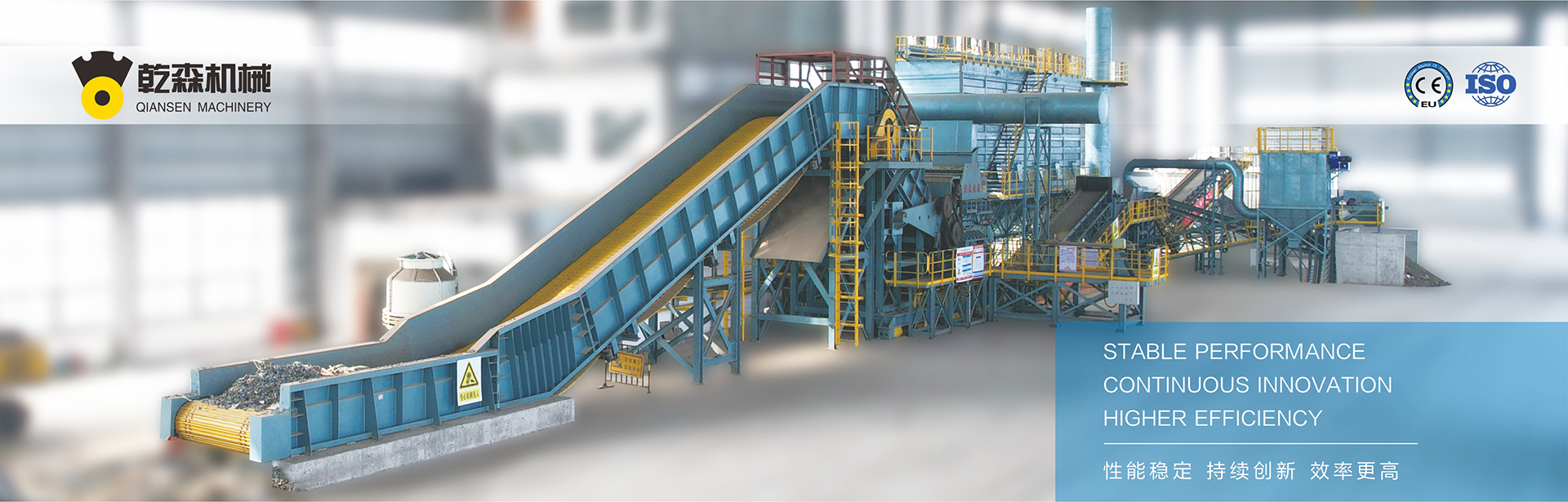
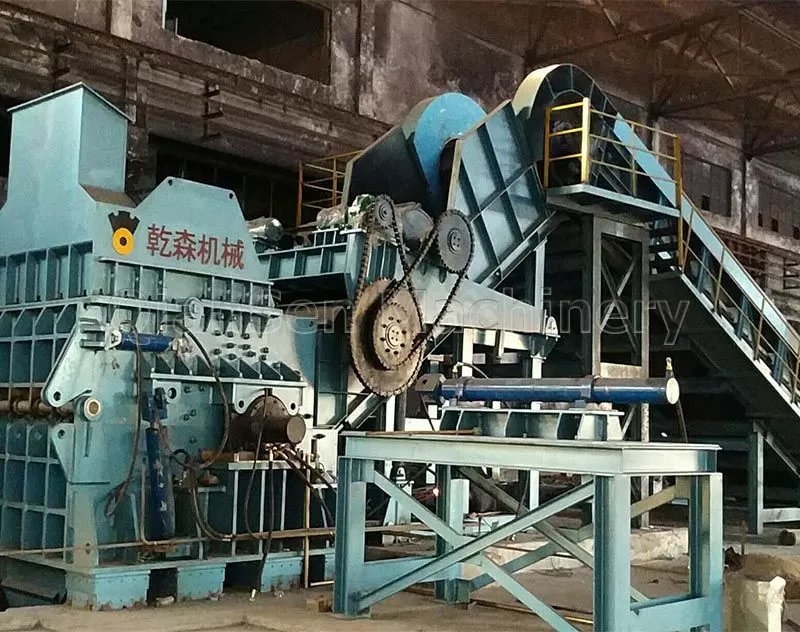
In the field of scrap metal processing equipment, QianSen manufactures size reduction machinery designed for durability and high-throughput performance. QianSen systems focus on heavy-duty construction, incorporating thick-walled steel frames and precision-machined rotor assemblies that withstand continuous industrial operation.
The design of QianSen equipment emphasizes maintenance accessibility. Hydraulic housing opening systems allow service crews to access the rotor chamber quickly, reducing the time required for hammer rotation and liner replacement. By utilizing high-grade manganese and chrome alloy wear components, these systems maintain consistent throughput rates and precise output sizing over extended operating cycles.
Rather than relying on standardized configurations, QianSen works with scrap processors to modify grate geometries, rotor speeds, and hammer configurations to match specific feed materials, whether processing municipal solid waste scrap, industrial turnings, or non-ferrous castings.
Frequently Asked Questions
Q1: What factors determine the lifespan of hammers in a metal recycling mill?
A1: Hammer lifespan is determined by the metallurgy of the hammer, the abrasiveness of the feed material, the rotor speed, and the feed rate. High-manganese steel hammers last longer under high-impact conditions because the material hardens during operation. If the feed contains high levels of sand, glass, or other non-metallic abrasives, wear rates will increase significantly.
Q2: How does moisture content in the feed material affect hammer mill performance?
A2: High moisture levels can cause fine particles to stick to the internal walls of the grinding chamber and clog the grate openings. This blinding of the grates reduces the open discharge area, leading to material buildup, increased heat generation, and a drop in overall throughput. In wet processing setups, specialized grate patterns are used to facilitate material release.
Q3: Why is rotor balance so critical for heavy-duty shredding operations?
A3: Even minor imbalances in a heavy, high-speed rotor generate massive centrifugal forces that transfer directly to the main bearings and structural frame. This vibration accelerates bearing wear, causes structural welds to fatigue and crack, and increases the energy consumption of the drive motor. Regular balancing is necessary to prevent premature mechanical failure.
Q4: Can a hammer mill process both ferrous and non-ferrous metals simultaneously?
A4: Yes, a hammer mill can process mixed metal feeds. The physical impact reduces the size of all materials in the chamber. However, downstream separation systems, such as magnetic drum separators and eddy current separators, must be integrated after the mill discharge to separate the ferrous and non-ferrous fractions into clean, marketable products.
Q5: What is the benefit of a reversible rotor design in industrial mills?
A5: A reversible rotor allows the operator to change the direction of rotation with a control switch. This action exposes the opposite side of the hammer heads to the incoming material, allowing both wear edges to be used completely before the hammers need to be manually flipped or replaced. This feature reduces maintenance labor and downtime.
Industrial Inquiries and Consultations
Selecting size reduction machinery requires careful consideration of throughput requirements, material density, and target output specifications. To discuss your specific scrap processing needs, evaluate material test options, or obtain detailed equipment specifications for your facility, please contact our engineering and sales team at QianSen. We provide tailored solutions to match your operational demands.